Blog

  • Trump’s ‘Take the Oil’ Remark on Iran Sparks Global Tension and Market Shock

    Trump’s ‘Take the Oil’ Remark on Iran Sparks Global Tension and Market Shock

    Washington, 30 March, 2026

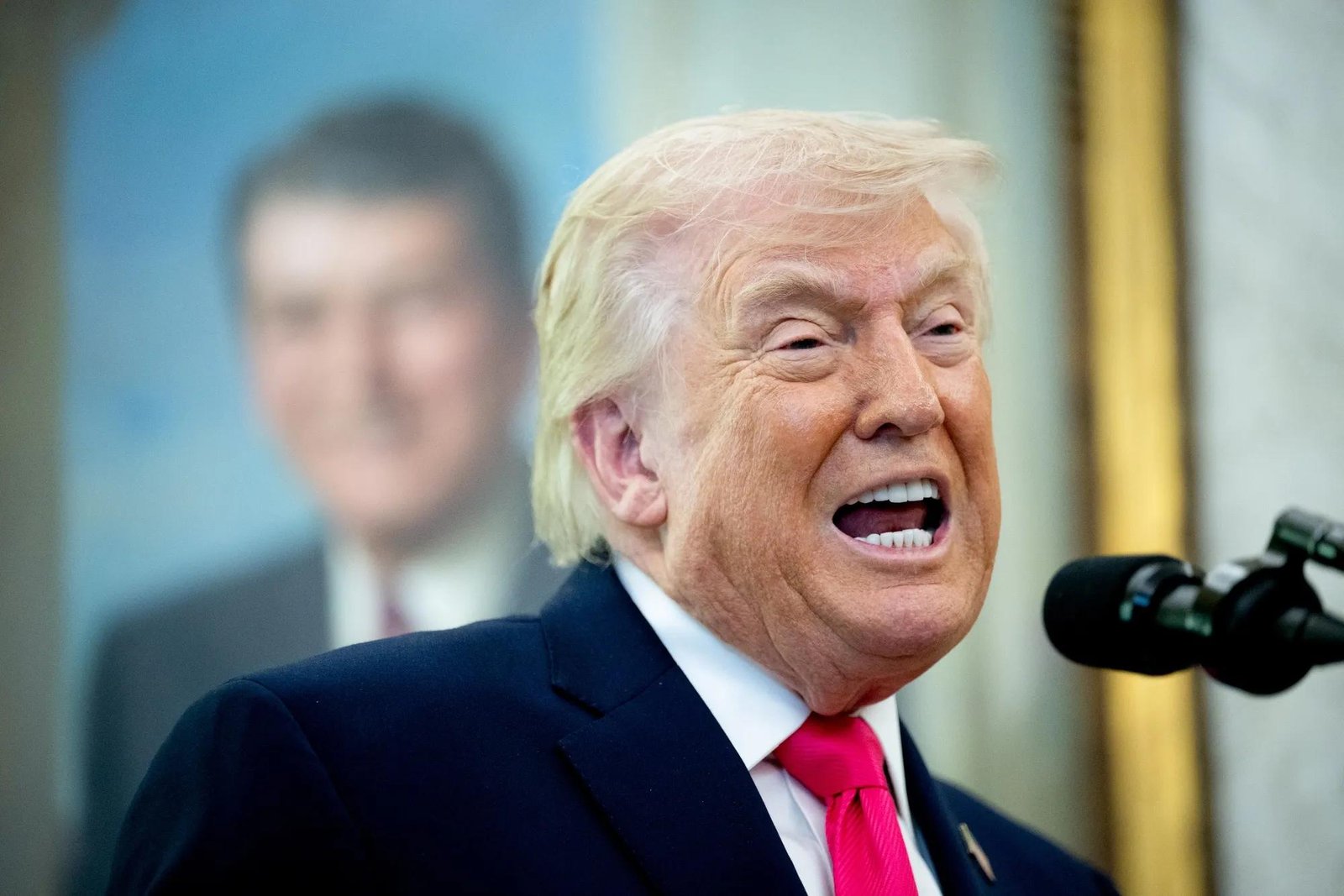
    Donald Trump has ignited fresh geopolitical tensions after declaring that the United States could “take the oil in Iran,” a statement that has drawn sharp reactions from global leaders and sent energy markets into turmoil.

    Speaking in a series of interviews, Trump suggested that U.S. forces could seize critical Iranian oil infrastructure, including the strategic Kharg Island, which handles a large share of Iran’s crude exports. He described the move as potentially straightforward, despite warnings from Tehran of severe retaliation.

    The remarks come amid an already fragile situation in the Middle East, where tensions between Washington and Iran have escalated in recent weeks. Iranian officials responded swiftly, condemning the comments and warning that any attempt to seize national resources would be met with force. Analysts note that such rhetoric risks pushing the region closer to direct confrontation.

    Global oil markets reacted immediately. Brent crude prices surged past $115 per barrel following Trump’s comments, reflecting fears of supply disruptions. Much of the concern centers around the Strait of Hormuz, a vital shipping route through which a significant portion of the world’s oil supply passes. Any instability in the area could have far-reaching consequences for global energy security.

    Financial markets across Asia also declined, with investors reacting to the growing uncertainty. Economists warn that prolonged instability could drive oil prices even higher, potentially reaching $150 per barrel, and trigger inflationary pressures worldwide.

    Critics argue that Trump’s proposal could violate international law and further destabilize the region. “Seizing another country’s natural resources is not only provocative but dangerous,” one policy expert noted, emphasizing the risk of a broader regional conflict.

    However, Trump defended his position, framing it as part of a broader strategy to exert pressure on Iran. His stance aligns with his long-standing hardline approach, often referred to as “maximum pressure,” aimed at curbing Iran’s regional influence.

    As tensions rise, global leaders are calling for restraint and renewed diplomatic engagement. With markets on edge and military risks increasing, Trump’s remarks have added a new layer of uncertainty to an already volatile international landscape.
  • Pakistan Steps In as Mediator in Iran Crisis Amid Fragile Talks

    Pakistan Steps In as Mediator in Iran Crisis Amid Fragile Talks

    Islamabad, 29 March 2026

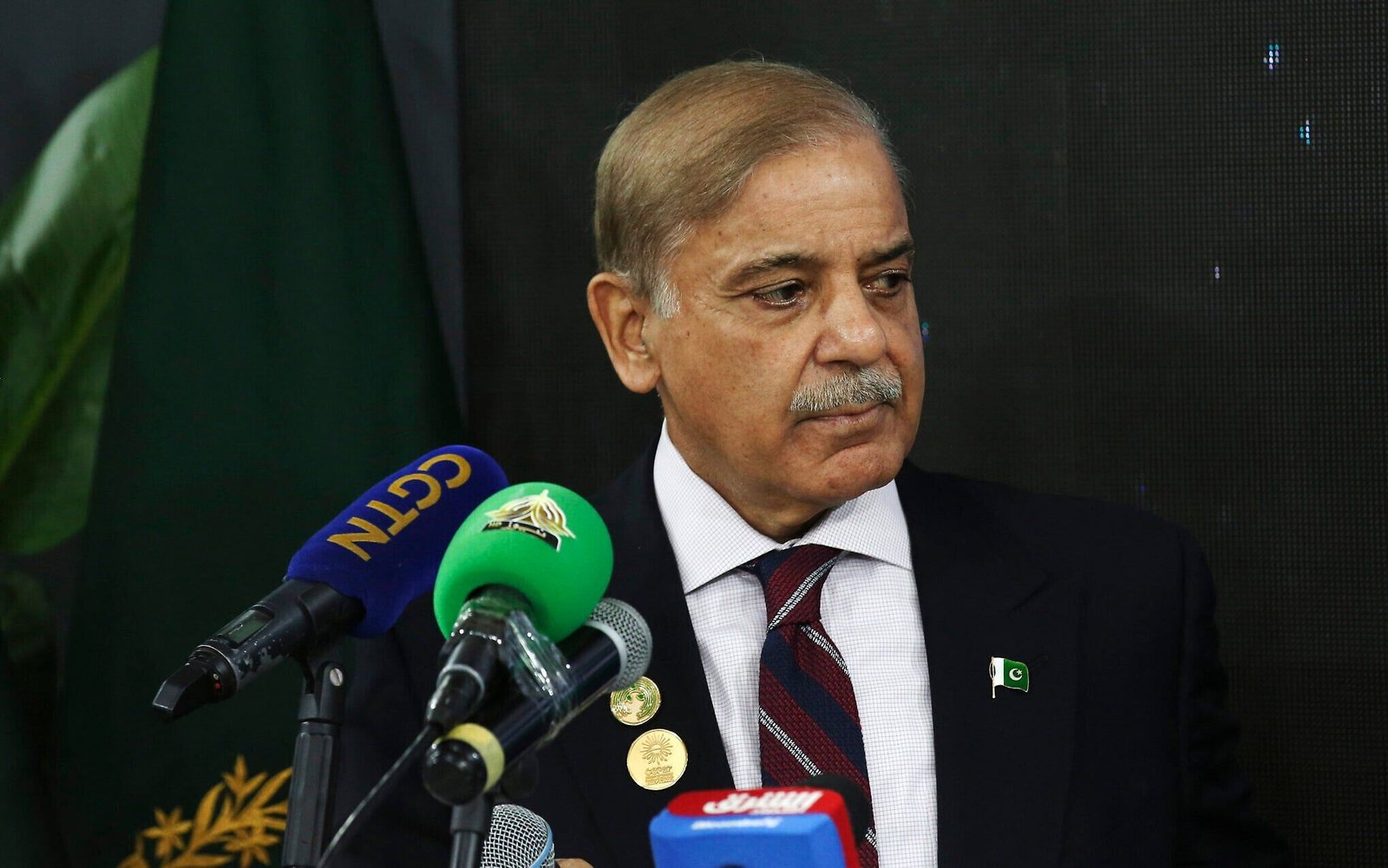
    Pakistan has emerged as a key diplomatic player in the escalating Middle East crisis, hosting urgent talks aimed at easing tensions between Iran and the United States, even as fighting continues across the region.

    Over the weekend, senior officials from Saudi Arabia, Turkey, and Egypt gathered in Islamabad for high-level discussions focused on de-escalating the ongoing Iran war, which has already claimed thousands of lives and disrupted global energy supplies. The talks, led by Pakistan, are part of a broader effort to create a pathway toward indirect negotiations between Washington and Tehran.

    Notably, neither the United States nor Iran attended the Islamabad meeting directly, highlighting the sensitive nature of the diplomacy. Instead, Pakistan has taken on the role of a go-between, relaying proposals and messages between both sides in an attempt to build trust and open the door to formal talks.

    Prime Minister Shehbaz Sharif has also engaged directly with Iranian leadership, reinforcing Pakistan’s willingness to facilitate dialogue. Officials in Islamabad have repeatedly stated they are prepared to host direct negotiations if both sides agree, positioning the country as a neutral venue for peace efforts.

    However, progress remains limited. Iran has expressed skepticism over recent U.S. proposals, reportedly rejecting elements of a peace framework as “one-sided,” while continuing to demand security guarantees and an end to ongoing attacks before committing to negotiations.

    The situation is further complicated by continued military escalation. Israeli airstrikes on Iranian targets and a growing U.S. troop presence in the region have undermined diplomatic momentum, with Tehran warning that trust cannot be built under sustained pressure.

    Despite these challenges, Pakistan’s mediation has produced small but notable developments. In one instance, Iran agreed to allow limited passage for Pakistani ships through the strategically vital Strait of Hormuz, signaling a willingness to maintain cooperation with Islamabad even amid broader tensions.

    Analysts say Pakistan’s involvement reflects both opportunity and necessity. With strong ties to Gulf states and a working relationship with Iran, Islamabad is uniquely positioned to act as a bridge. At the same time, it faces growing pressure to prevent the conflict from spilling over into South Asia or disrupting its own economic stability.

    For now, Pakistan’s diplomatic push continues, but with war still raging, the path to meaningful negotiations remains uncertain.

  • Philippines Reasserts Sabah Claim at United Nations; Malaysia Lodges Strong Diplomatic Protest

    Philippines Reasserts Sabah Claim at United Nations; Malaysia Lodges Strong Diplomatic Protest

    Manila / Kuala Lumpur, 29 March 2026

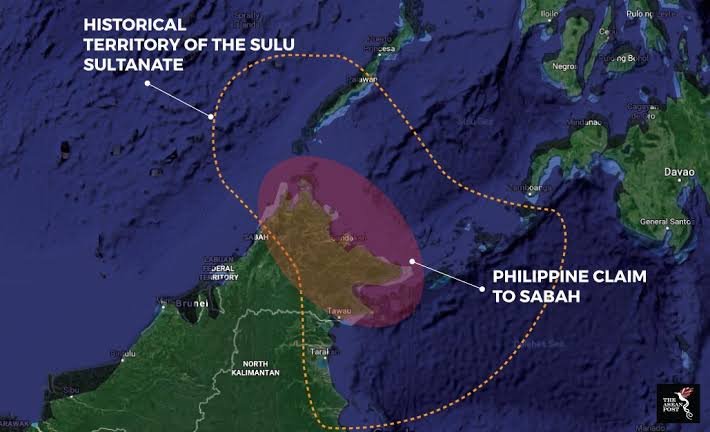
    In a development that has reignited a decades‑old territorial dispute, the Philippines formally submitted a note verbale to the United Nations on 19 March 2026, reaffirming its sovereignty claim over Sabah, the Malaysian state on the island of Borneo. The diplomatic communication, issued by the Philippine Permanent Mission to the UN, stated that Manila “has never relinquished its sovereignty” over North Borneo (as Sabah was previously known), citing historical agreements including the 1963 Manila Accord as the legal foundation for its position. The move was part of a broader submission that also touched on Manila’s bid to extend its continental shelf in the West Philippine Sea.

    The issue was further fuelled when Robin Padilla publicly called on the Philippine government to revive Manila’s territorial claim over Sabah on 28 March this year, arguing that the region historically belonged to the Sultanate of Sulu and should be reasserted in diplomatic discussions. His remarks drew strong criticism in Malaysia, with political parties and civil groups dismissing the statement as misguided political rhetoric that does not reflect official Philippine foreign policy and affirming that Sabah’s status as part of Malaysia is settled and recognised under international law.

    Malaysia’s Government Responds Firmly

    The revival of Manila’s claim prompted a swift and firm response from Kuala Lumpur. On 28 March 2026, Malaysia’s Foreign Minister Datuk Seri Mohamad Hasan announced that the government would send a formal diplomatic note to the Philippines rejecting any renewed claims on Sabah as “unfounded” and inconsistent with international law and historical facts. He stressed that Sabah’s status as part of the Federation of Malaysia was final, following a legitimate process verified by the United Nations during the formation of Malaysia in 1963.

    Minister Mohamad described the recent political calls within the Philippines to resurrect the Sabah claim as a domestic political issue rather than an official government position, asserting that statements by individual lawmakers do not reflect Manila’s formal foreign policy. He added that such rhetoric should not strain the generally cordial bilateral ties between the two Southeast Asian nations, especially as the Philippines holds the ASEAN chairmanship this year.

    Analysts note that while the Philippines’ UN communication highlights its historical stance, the renewed claim is unlikely to lead to international legal action or changes on the ground, given the long‑standing consensus on Sabah’s status and its constitutional integration into Malaysia.

  • Targeting the Truth: Three Journalists Killed Yesterday in Lebanon Strike Sparks Outrage and Doubt

    Targeting the Truth: Three Journalists Killed Yesterday in Lebanon Strike Sparks Outrage and Doubt

    29 March 2026

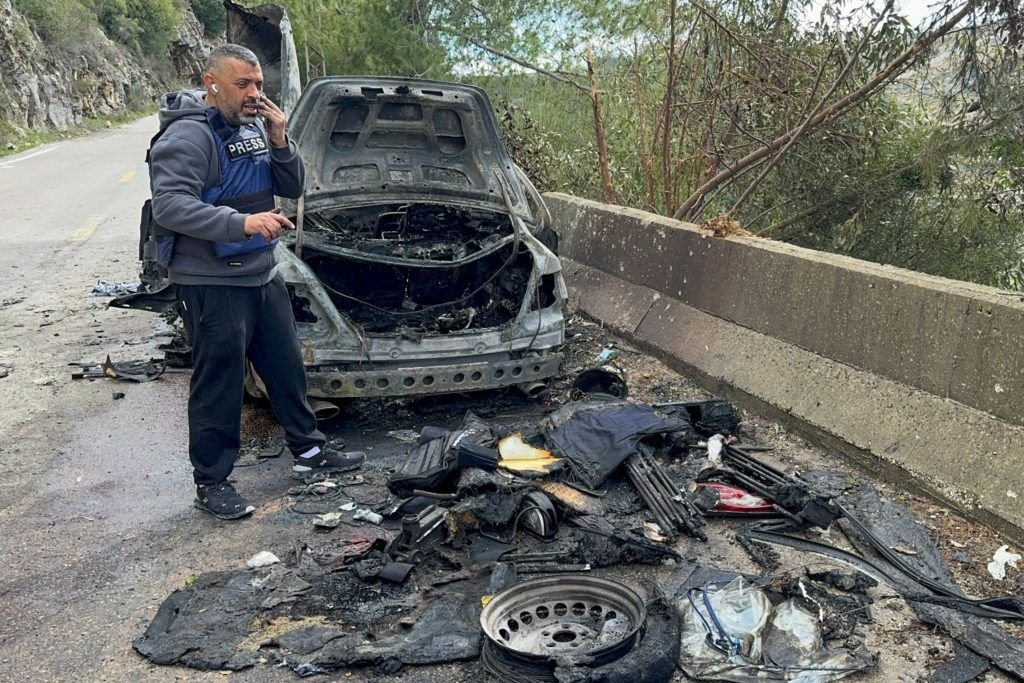
    The killing of three journalists yesterday, March 28, in southern Lebanon has triggered international outrage, with critics condemning the actions of the Israel Defense Forces and questioning the credibility of its justification. The victims are Ali Shaib, Fatima Ftouni, and Mohammed Ftouni were reportedly on assignment near the Israeli-Lebanese border when an Israeli airstrike struck their position, killing all three.

    According to the IDF, the strike targeted Ali Shaib, alleging he had links to Hezbollah intelligence operations. However, no concrete evidence has been publicly presented to support this claim. More troubling to observers is the absence of a clear explanation regarding the deaths of Fatima Ftouni and Mohammed Ftouni, both widely recognized as journalists with no established role in hostilities.

    Lebanese authorities swiftly condemned the strike, calling it a blatant violation of international humanitarian law, which protects journalists as civilians in conflict zones. Media organizations, including Al-Manar TV and Al-Mayadeen, rejected the allegations outright, insisting that the victims were engaged solely in journalistic work. They described the attack as a deliberate effort to silence reporting from the front lines.

    Beyond condemnation, the incident has fueled growing skepticism toward the IDF’s narrative. Analysts argue that invoking alleged militant links without transparent evidence risks appearing as a post-hoc justification rather than a credible military rationale. In a conflict increasingly shaped by information warfare, such claims if unsubstantiated can erode international trust and raise serious questions about accountability.

    The broader context deepens concern. As tensions between Israel and Hezbollah intensify, and regional actors continue to be drawn into the conflict, the line between combatant and civilian appears increasingly blurred. Journalists, tasked with documenting these realities, are finding themselves in ever greater danger.

    Condemnation of the strike reflects more than political disagreement it underscores a fundamental principle: even in war, there are limits. If journalists can be killed based on unverified claims, it risks normalizing impunity under the fog of conflict. The deaths of these three individuals demand not only mourning, but a credible and transparent investigation before such incidents become an accepted cost of war.

  • U.S. Troop Surge Near Iran Raises Stakes in Expanding Regional Crisis

    U.S. Troop Surge Near Iran Raises Stakes in Expanding Regional Crisis

    29 March, 2026

    The United States has significantly expanded its military presence around Iran in recent weeks, deploying thousands of additional troops in what officials describe as a precautionary move amid rising tensions. While Washington has not confirmed any plans for a ground invasion, the scale and speed of the buildup have fueled concerns of a broader conflict in the region.

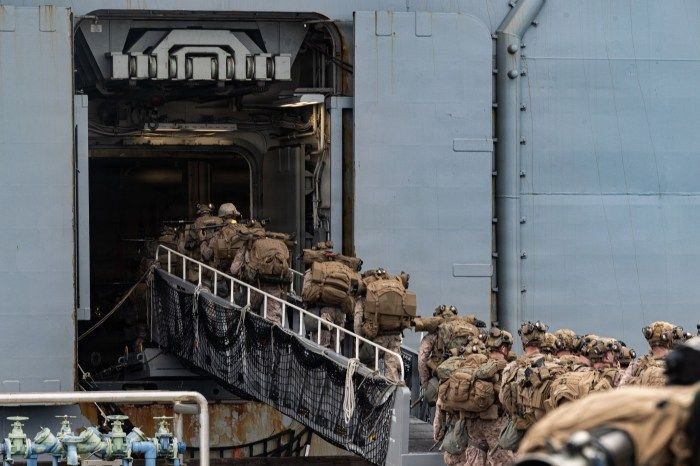
    The latest deployments began in mid-March, with U.S. Marines and naval forces sent to strategic locations across the Middle East. Amphibious assault ships carrying rapid-response units, alongside elite airborne forces, have strengthened America’s ability to react quickly to any escalation. Additional reinforcements remain on standby, with reports suggesting that troop levels could rise further if the situation deteriorates.

    Officials insist the move is primarily aimed at deterrence, signaling to Tehran that any aggressive actions will be met with force. However, military analysts argue that the composition of troops deployed suggests readiness not only for defense, but also for limited offensive operations. These could include targeted strikes on military infrastructure, special forces missions, or securing key maritime routes such as the Strait of Hormuz.

    The buildup also reflects growing fears of a wider regional spillover. Armed groups aligned with Iran have increased activity across multiple fronts, raising the risk of miscalculation. By positioning forces nearby, the U.S. aims to contain the conflict and protect allies without immediately committing to full-scale war.

    Still, the consequences of this military posture could be far-reaching. Economically, tensions near vital shipping lanes have already triggered volatility in global markets, with potential ripple effects on fuel prices in countries like Malaysia. Politically, the situation places pressure on leadership, including Donald Trump, as calls for both restraint and decisive action grow louder.

    Despite the rising military presence, experts caution that current troop numbers remain below those required for a full-scale invasion. Instead, the strategy appears focused on flexibility deterring escalation while keeping military options open.

    As tensions continue to mount, the growing concentration of forces underscores a fragile reality; the line between deterrence and direct confrontation is becoming increasingly thin.

  • G7 Speaks Loudly, But Actions Lag Behind

    G7 Speaks Loudly, But Actions Lag Behind

    March 28, 2026

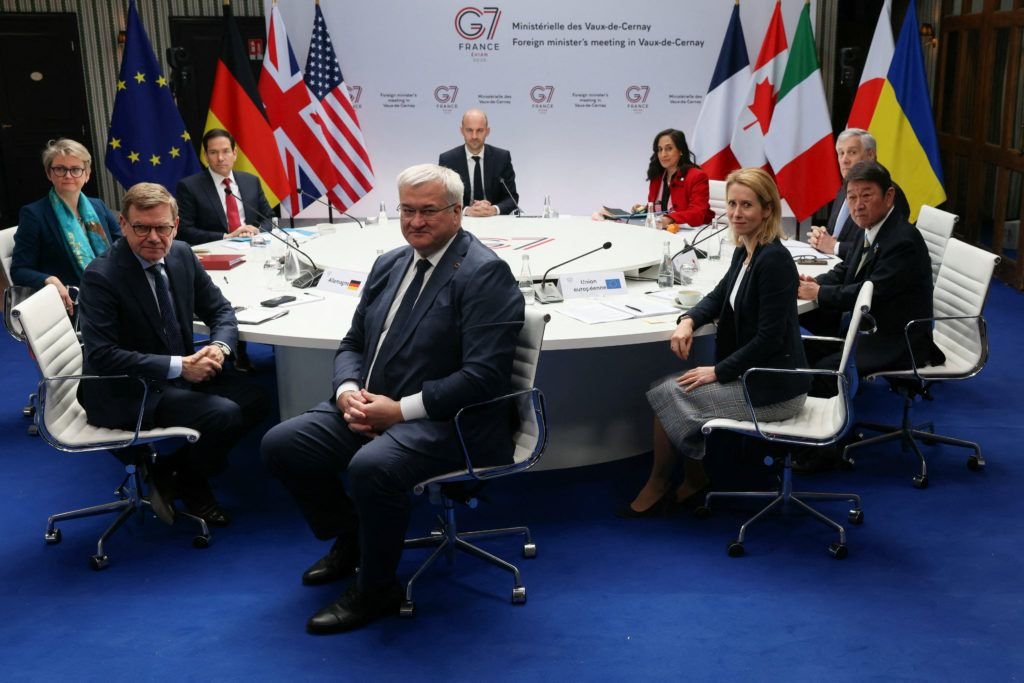
    The recent G7 meeting in France brought together key leaders, including U.S. Secretary of State Marco Rubio, EU Foreign Policy Chief Kaja Kallas, and France’s Foreign Minister Jean-Noël Barrot. The agenda was clear: address the Iran conflict, the war in Ukraine, and the ripple effects on global energy markets.

    On paper, the messaging was strong. Ministers called for “an end to attacks on civilians and critical infrastructure” in Iran and emphasized safeguarding the Strait of Hormuz, warning of economic fallout from supply disruptions. Yet behind the rhetoric, divisions were obvious, a bit cautious and cowardly.

    Tensions surfaced during Ukraine discussions. Kallas pressed Washington on increased pressure against Russia, sparking a “frank exchange of views” with Rubio. Kallas cautioned, “we need to exit from the war, not escalate,” while Rubio signaled that U.S. priorities come first, reflecting Washington’s independent approach. France pushed for diplomacy, stressing that the crisis “can only be a diplomatic solution,” and Germany remained cautiously optimistic, with one minister saying he was “quite confident” a common position could still be reached.

    Critics argue the G7’s approach is reactive rather than decisive. While statements condemning attacks are morally necessary, they lack enforcement, and proposals like protecting maritime routes, focus on aftermath rather than immediate control. Analysts warn that hesitancy risks undermining credibility, especially as conflicts in Iran and Ukraine intertwine and affect energy and global markets.

    The meeting highlighted a fundamental challenge: unity among diverse powers is increasingly difficult to maintain. One diplomat summed it up as “a difficult balance between unity and national interests.” Today, crises are interconnected, requiring bold, coordinated leadership not cautious statements and vague timelines.

    The G7 still wields influence, but unless its words translate into action, that influence risks being questioned in a world where conflicts are moving faster than diplomacy can respond.

  • Houthis Claim Missile Strike on Israel, Opening New Front in Regional Conflict

    Houthis Claim Missile Strike on Israel, Opening New Front in Regional Conflict

    28 March, 2026

    Yemen’s Iran-aligned Houthi movement has claimed responsibility for a missile attack targeting southern Israel, marking a significant escalation in the already volatile Middle East conflict.

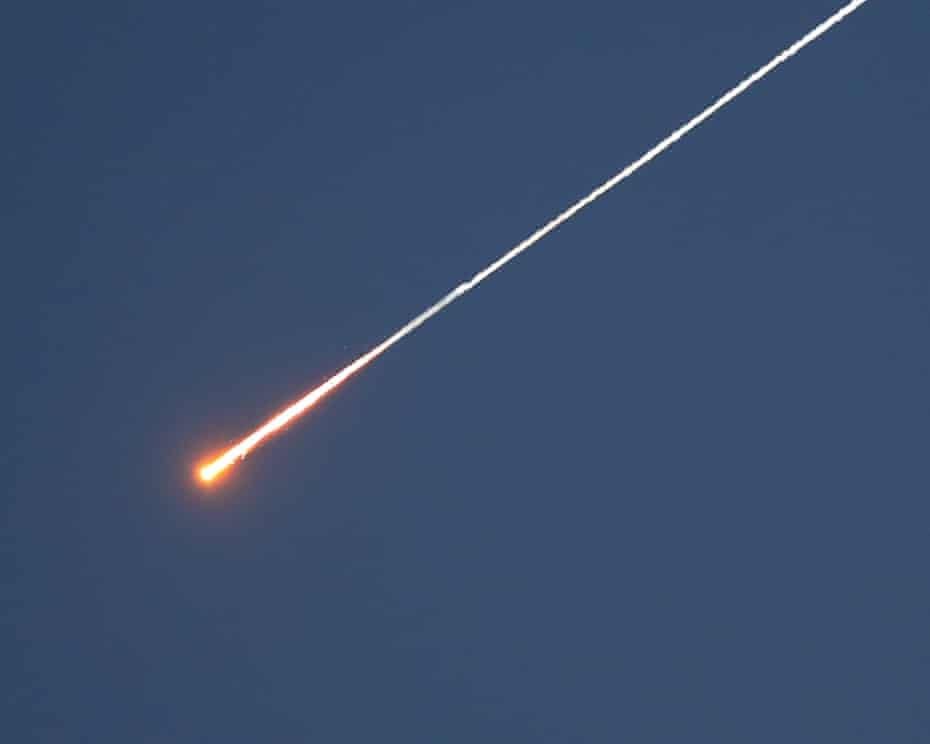
    In an official statement, Houthi military spokesperson Yahya Saree said the group launched “ballistic missiles at military targets in southern Israel,” adding, “Our operations will continue as long as the aggression against our allies continues.” The attack reportedly occurred early Saturday, with air raid sirens sounding in areas including Beersheba.

    The Israel Defense Forces (IDF) confirmed that its air defense systems were activated in response to the incoming threat. Initial assessments indicate that the missile was either successfully intercepted or landed in an open area, resulting in no confirmed casualties and minimal physical damage. Local authorities reported temporary disruptions, including road closures and heightened security alerts.

    Israeli Prime Minister Benjamin Netanyahu condemned the attack, stating, “Israel will act firmly against any threat to its sovereignty. Those responsible will face serious consequences.” Israeli officials warned that retaliation remains a possibility as tensions continue to rise.

    The Houthis’ decision to directly target Israel is widely seen as part of a broader alignment with Iran amid escalating confrontation in the region. While the group has previously launched long-range drones and missiles toward Israeli territory in past conflicts, this strike is notable for being directly tied to the current phase of heightened Israel-Iran tensions.

    Although the material damage from the attack appears limited, analysts stress that its strategic implications are far more serious. The attack signals the opening of a new front in the conflict, raising fears of further escalation involving multiple regional actors.

    With the Houthis already active in disrupting Red Sea shipping routes, their direct involvement against Israel increases concerns over wider instability, both militarly and economically, across the region.

  • Hydropower in the Global Energy System: Strategic, Economic, and Industrial Insights (2026) – Business-Focused Analyst Report

    Hydropower in the Global Energy System: Strategic, Economic, and Industrial Insights (2026) – Business-Focused Analyst Report

    28 March 2026

    Hydropower remains the world’s largest renewable electricity source, commanding approximately 16% of global generation and representing roughly 60% of all renewable output. With over 1,400 GW of installed capacity worldwide, this technology has helped avoid more than 100 billion tonnes of CO₂ emissions over the past 50 years—equivalent to 2-3 years of current global emissions from all sources.

    Market Growth Projections

    The global hydropower market is valued at USD 279.51 billion (2026) and growing at 5.5% CAGR toward USD 406.60 billion by 2033. This growth is driven by three key factors: modernization of aging infrastructure, expansion of pumped storage hydropower (PSH), and the rapid development of small-scale hydro projects outpacing large dam constructions.

    Chart 1: Global Hydropower Market by Region (2018-2030)

    Pumped storage hydropower shows the most aggressive growth trajectory, expected to reach USD 197.18 billion by 2035 with a CAGR of 10.1%. PSH currently dominates energy storage, providing 93% of U.S. electricity storage capacity—100 times higher than battery storage.

    Regional Leadership

    Asia-Pacific dominates with 37-39% revenue share, driven primarily by China’s aggressive expansion. China added 14.4 GW of capacity in 2024 (including 7.75 GW PSH) and is developing the massive Yarlung Tsangpo project (60+ GW potential), which would triple the capacity of the Three Gorges Dam.

    Chart 2: Hydropower Generation Market Share by Region (2024)

    Countries achieving high renewable penetration rely heavily on hydropower: Norway (96%), Iceland (70%), Costa Rica (75%), and Bhutan (99%). No country has achieved electricity systems with very high renewable penetration without substantial hydropower contribution.

    Chart 3: World’s Biggest Hydro Powers (2022)

    China leads with 1,303 TWh generation, followed by Brazil (427 TWh) and Canada (398 TWh)

    Key Industry Players

    Equipment Manufacturers:

    Voith (Germany) & Andritz (Austria): Leading turbine suppliers (Francis, Kaplan, Pelton)

    GE Renewable Energy (USA) & Siemens Energy (Germany): Grid integration and power systems

    Major Utilities:

    China Three Gorges Corporation: World’s largest hydro operator (>70 GW portfolio)

    Hydro-Québec (Canada): 36+ GW capacity, major export markets

    Statkraft (Norway): ~18 GW, European market integration

    Technological Innovations

    Digital Transformation:

    AI-driven predictive maintenance reduces corrective maintenance costs by 90% and improves labor productivity by 80%

    Digital twins for virtual plant simulation

    IoT sensor networks for real-time monitoring

    Environmental Advances:

    Fish-friendly turbines achieving 100% survival rates for specific designs

    Sediment management systems maintaining storage capacity

    Containerized small hydro units reducing costs by 30-50% and construction time by 50%+

    Critical Challenges

    The International Energy Agency (IEA) warns that current development rates are insufficient. Global hydropower capacity must double to approximately 2,600 GW by 2050 to maintain 1.5°C alignment. “At the present rate of hydropower development, the global energy pathway to net zero emissions will not be realised”.

    Blue: Installed GW | Light Blue: Pipeline GW | Green: Remaining Potential GWKey Challenges:

    Permitting delays: 5-10+ years for major projects with multi-agency reviews

    Financing gaps: 18.5 GW of approved projects in Africa remain unfinanced

    Environmental compliance: Biodiversity protection, fish passage requirements, and community displacement concerns

    Climate resilience: Non-stationary hydrology requiring adaptive management

    Strategic Outlook

    Hydropower stands at a critical juncture in the global energy transition. The IEA identifies seven priority areas for government action: elevating hydropower in climate policy, enforcing sustainability standards with streamlined regulations, recognizing electricity security value, maximizing existing plant flexibility, supporting PSH expansion, mobilizing affordable financing for developing economies, and pricing multiple public benefits.The industry’s future hinges on balancing rapid expansion with environmental stewardship and community engagement. As the IEA emphasizes: “The future of sustainable energy depends not on choosing between renewables, but on integrating them intelligently—with hydropower as the essential foundation that makes the entire system work.”

  • Brazil Condemns Trump Remarks, Warns of Escalation and Inequality in Global Power Dynamics

    Brazil Condemns Trump Remarks, Warns of Escalation and Inequality in Global Power Dynamics

    Brasilia, March 27, 2026

    The government of Brazil has issued a strong condemnation of recent remarks made by former U.S. President Donald Trump, signaling growing concern among major global players over rising geopolitical tensions.

    In an official statement released by the foreign ministry, Brazilian officials described Trump’s rhetoric as “irresponsible and destabilizing,” warning that such language could inflame already fragile international situations. While the statement stopped short of referencing specific policies, it underscored the risks posed by provocative discourse from influential global figures.

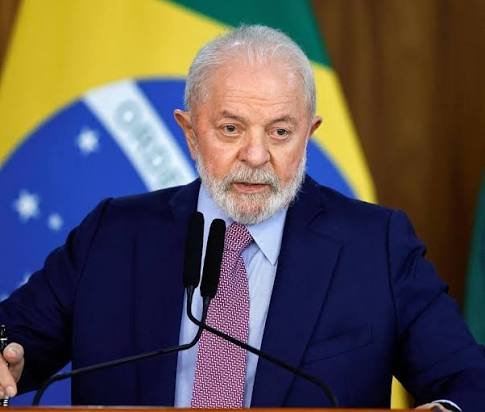
    President Luiz Inácio Lula da Silva reinforced this position during a press briefing in Brasília, emphasizing that diplomacy must remain the cornerstone of international relations. “The world cannot afford reckless statements that push nations closer to conflict,” Lula said, reiterating Brazil’s commitment to peaceful dialogue and multilateral cooperation.

    The response comes amid heightened tensions involving the United States and Iran, where recent exchanges have raised fears of broader regional instability. Brazil has increasingly positioned itself as a mediator, advocating for de-escalation and renewed diplomatic engagement.

    Beyond the immediate crisis, Brazil’s statement also drew attention to structural imbalances in the global system. Officials highlighted how smaller nations are often disproportionately affected by the actions of more powerful states, particularly when tensions escalate. Without comparable economic strength or military capacity, these countries face heightened vulnerability to external shocks, including trade disruptions, security threats, and political pressure.

    Brazil warned that unilateral moves by major powers risk sidelining smaller states and undermining the principles of sovereignty and equality that underpin international law. Such patterns, it argued, could erode trust in global institutions and weaken collective mechanisms designed to manage conflict.

    Analysts say Brazil’s firm stance reflects a broader trend among emerging economies seeking a more balanced international order. By condemning Trump’s remarks, Brazil joins a growing chorus of nations urging restraint.

    The Brazilian government concluded by calling on all countries regardless of size or influence to prioritize diplomacy, warning that unchecked escalation could have far-reaching consequences for global stability.

  • Strategic Access and Power: How Energy Conflict Is Redrawing Global Influence

    Strategic Access and Power: How Energy Conflict Is Redrawing Global Influence

    March 2026

    A rapidly escalating geopolitical confrontation in the Middle East is no longer confined to military exchanges. Instead, it is reshaping the architecture of global trade, where access to critical maritime corridors — particularly the Strait of Hormuz — is emerging as a decisive factor in economic and political power.

    Recent developments indicate that the global system is entering a phase where alignment determines access, and access determines resilience.

    From Open Trade to Controlled Corridors

    For decades, globalisation functioned on the assumption that trade routes remained neutral. That assumption is now weakening.

    The Strait of Hormuz, a narrow passage linking major producers to global markets, has become a focal point of tension. Disruptions in this corridor have already triggered sharp market reactions, with energy prices surging and global equities turning volatile.

    What is increasingly evident is that:

    Trade routes are being securitized

    Access is becoming conditional

    Economic flows are shaped by geopolitical positioning

    Access Tiers: A Fragmented Maritime Order

    Although no official classification exists, current developments suggest a tiered access system emerging around the Strait.

    Tier 1: Favoured / Low-Risk Access

    Countries maintaining neutral or balanced diplomatic relations are currently in the most stable position.

    Examples:

    Malaysia

    India

    China

    Malaysia, in particular, has secured continued passage following diplomatic engagement with regional powers.

    These countries benefit from:

    Continued access to critical routes

    Lower disruption risk

    Stronger bargaining flexibility

    Tier 2: Conditional Access

    Countries with indirect alignment or strategic dependence face a more uncertain environment.

    Examples:

    Japan

    South Korea

    Members of European Union

    Characteristics:

    Access depends on diplomatic negotiations

    Higher shipping and insurance costs

    Exposure to sudden disruption

    Tier 3: High-Risk / Strategic Tension

    Countries directly involved in conflict dynamics face the greatest uncertainty.

    Examples:

    United States

    Close military allies engaged in regional escalation

    Risks include:

    Restricted movement or delays

    Military escalation

    Strategic denial scenarios

    Advantages of the Current System

    1. Leverage for Resource Controllers

    Control over strategic corridors allows certain states to convert geography into geopolitical influence.

    2. Pricing Power

    Supply uncertainty supports elevated global prices, benefiting exporting nations.

    3. Realignment Opportunities

    Countries can strengthen bilateral agreements and reduce reliance on traditional Western systems.

    Systemic Disadvantages

    1. Fragmentation of Global Trade

    Efficiency declines as trade splits into geopolitical blocs.

    2. Rising Costs

    Shipping, insurance, and compliance costs increase across the board.

    3. Volatility

    Markets react not only to supply-demand fundamentals but also to political developments.

    4. Unequal Impact

    Import-dependent economies face disproportionate economic strain.

    Malaysia’s Position: Strategic Neutrality as an Asset

    Malaysia stands out as a case study in strategic positioning.

    Key Advantages:

    Neutral diplomatic stance

    Continued access to critical maritime routes

    Moderate domestic energy production

    Malaysia’s leadership, under Anwar Ibrahim, has actively engaged regional actors to ensure passage and stability.

    Limitations:

    Exposure to global price fluctuations

    Dependence on external trade flows

    Vulnerability to prolonged geopolitical instability

    Conclusion: Malaysia is strategically buffered, but not insulated.

    Iran’s Central Role in the Equation

    At the center of this geopolitical restructuring is Iran, whose influence over the Strait gives it outsized strategic importance.

    Recent events — including leadership upheaval following the death of Ali Khamenei — have further complicated the regional power structure.

    This uncertainty adds another layer of risk:

    Internal instability

    Leadership transition challenges

    Increased unpredictability in policy direction

    Outlook: A New Global Order in Formation

    The current conflict signals more than short-term disruption. It reflects a structural transformation in how global power is defined.

    Key emerging realities:

    Control over routes matters as much as control over resources

    Neutrality is becoming a strategic advantage

    Globalisation is evolving into a multi-bloc system

    In this environment, resilience will depend less on economic size and more on strategic positioning within an increasingly divided world.