What does “freedom of navigation” really mean when warships escort oil tankers and missiles fly overhead
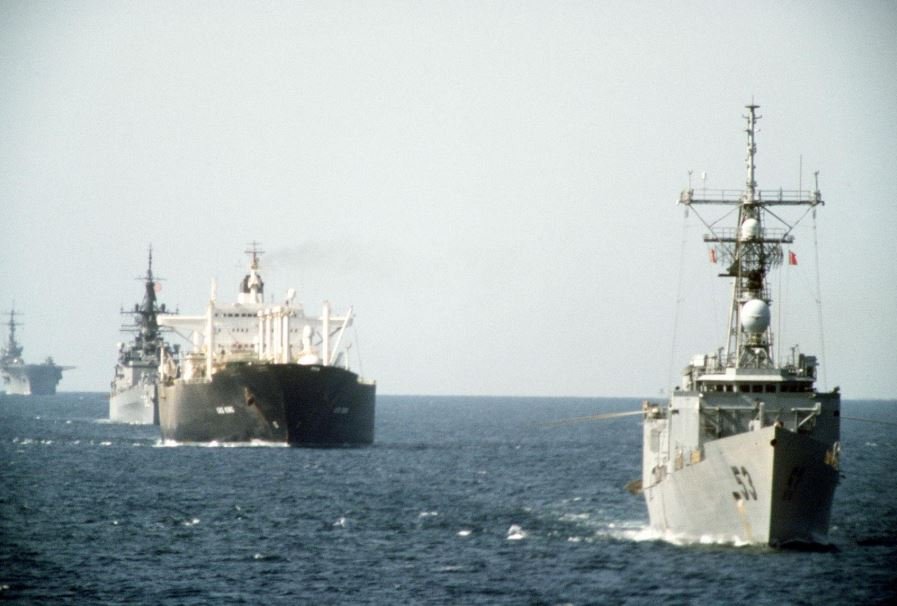
That question sits at the center of the latest escalation in the Strait of Hormuz, where the United States has intensified its military presence under the banner of protecting global trade. Officially, the mission is simple. Keep one of the world’s most critical energy corridors open. Unofficially, the reality is far more complex and far less reassuring.
Nearly a fifth of the world’s oil supply passes through this narrow waterway. Any disruption, even temporary, sends immediate shockwaves across global markets. But today, the threat is no longer hypothetical. With rising confrontation between the United States and Iran, the Strait is no longer just a trade route. It is an active pressure point in a larger geopolitical contest.
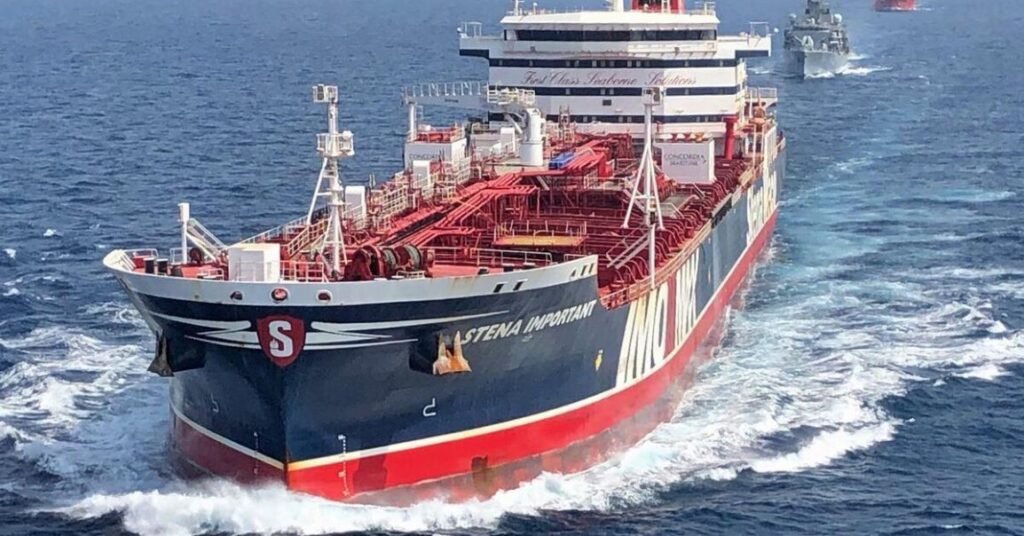
Washington frames its actions as a defense of stability. Yet the growing militarization of the area raises an uncomfortable contradiction. The more force deployed to secure the route, the higher the risk of escalation. Commercial vessels now move under armed escort. Insurance premiums are climbing. Some operators are reconsidering transit altogether. This is not what functional freedom looks like. It is controlled access under constant threat.
The deeper issue lies in how “freedom” is being defined. In this context, it does not necessarily mean open and risk-free movement. Instead, it reflects the ability of a dominant power to enforce order on its own terms. That distinction matters. Because what is presented as a global good may, in practice, serve a strategic objective.
There are also clear economic consequences that go beyond immediate market volatility. Elevated oil prices benefit producers and energy-exporting states, while import-dependent economies across Asia face rising costs and renewed inflationary pressure. For countries like Malaysia, stability in energy flows is not an abstract concern. It directly shapes domestic economic resilience.
More importantly, this situation signals a broader shift. Energy routes are no longer just commercial pathways. They are instruments of leverage. Control over them translates into influence over markets, alliances, and political decisions far beyond the region itself.
In that sense, the current developments in the Strait of Hormuz are not just about securing passage. They are about defining who has the authority to guarantee it, and at what cost.
Because in a truly free system, ships do not need warships to feel safe
Tensions between the United States and Cuba have escalated sharply in 2026, as Washington rolls out a series of aggressive economic measures aimed at weakening Havana’s government. The latest developments signal one of the most serious confrontations between the two countries in recent decades, though the conflict remains largely economic and diplomatic rather than military.
On May 1, 2026, U.S. President Donald Trump signed a new executive order dramatically expanding sanctions against Cuba. The measures target individuals and entities linked to the Cuban government, particularly those involved in sectors such as energy, defense, finance, and mining. Importantly, the sanctions extend beyond Cuba itself, allowing the U.S. to penalize foreign companies and financial institutions that conduct business with sanctioned Cuban entities.
The White House justified the move by describing Cuba as a threat to U.S. national security and accusing its leadership of repression and destabilizing activities. However, Cuban officials have strongly rejected these claims, labeling the sanctions as “collective punishment” against the Cuban people rather than targeted political measures.
These sanctions are part of a broader U.S. strategy that has unfolded over several months. Earlier in 2026, Washington declared a national emergency related to Cuba and introduced policies aimed at restricting the island’s access to critical resources, particularly fuel. One of the most impactful steps has been what analysts describe as a de facto energy blockade. By pressuring or threatening countries that export oil to Cuba, the U.S. has significantly reduced fuel shipments to the island.
The consequences inside Cuba have been severe. Fuel shortages have led to widespread blackouts, disruptions in transportation, and a sharp decline in agricultural production. Farmers have struggled to maintain output without access to machinery and fuel, contributing to rising food prices and deepening economic hardship. The situation has drawn comparisons to Cuba’s “Special Period” in the 1990s, one of the most difficult times in the country’s modern history.
At the same time, the U.S. has combined pressure with limited engagement. In recent weeks, officials from both countries held rare diplomatic talks the first such meeting in years. Cuba has called for the removal of the U.S. energy restrictions, while Washington has insisted that any easing of sanctions would depend on political reforms, including the release of prisoners and changes to Cuba’s governance system.
In parallel, the U.S. has also provided humanitarian assistance, including millions of dollars in aid following natural disasters. However, critics argue that such aid does little to offset the broader economic impact of sanctions and trade restrictions.
The Biden-era policies of partial engagement have effectively been replaced by a renewed hardline stance under Trump, reminiscent of earlier periods of confrontation during the Cold War. The current strategy appears focused on forcing political change in Cuba through economic pressure rather than direct military intervention.
Despite increasingly harsh rhetoric including statements suggesting the possibility of future intervention there is no evidence of imminent military action. Instead, the situation reflects a calculated effort to isolate Cuba economically while pushing for internal change.
As the crisis deepens, the Cuban population faces mounting challenges, from power outages to food shortages, while the government continues to resist external pressure. With both sides holding firm, U.S.-Cuba relations appear set to remain tense, with significant implications for regional stability in the Caribbean.
A recent court decision in China has drawn global attention after ruling that companies cannot dismiss employees solely on the grounds that their work has been replaced by artificial intelligence systems. The case reflects a growing tension between rapid technological adoption and the legal and social frameworks that govern employment.
The core issue in the case was not whether artificial intelligence can perform human tasks, but whether efficiency gains from automation can justify immediate termination of workers without proper restructuring procedures. The court sided with the employee, stating that automation alone does not constitute a lawful reason for dismissal. Companies are expected to follow formal labour procedures, including reassignment of roles, retraining, or compensation where necessary.
This decision highlights a deeper global challenge. Artificial intelligence is no longer a future concept. It is already embedded in customer service, finance, logistics, media, and even legal work. As systems become more capable, businesses are naturally incentivised to reduce operational costs by replacing repetitive human roles with automated tools. However, the legal systems in many countries were not designed for a labour market where machines can directly substitute human workers at scale.
In Asia, particularly in emerging economies, the situation is even more complex. Many countries are aggressively adopting artificial intelligence to improve productivity and attract investment. However, labour protection laws in several of these economies are still evolving and often do not explicitly address AI driven job displacement. This creates a grey area where companies may restructure aggressively under the justification of efficiency without clear safeguards for workers affected by automation.
In Southeast Asia, this issue is becoming increasingly relevant. Governments are encouraging digital transformation across industries, but the pace of regulation is slower than the pace of technological adoption. As a result, companies may gradually reduce hiring in roles that are highly automatable, such as administrative support, basic data processing, and customer interaction services. Rather than immediate mass layoffs, the more common pattern may be hiring freezes and gradual role elimination, which can be less visible but equally impactful over time.
In developed economies such as the United States and parts of Europe, the response is different. There is growing pressure from regulators, labour unions, and policymakers to ensure that artificial intelligence does not lead to uncontrolled displacement of workers. Discussions around accountability, retraining obligations, and ethical deployment of automation are becoming central to policy debates. The focus is shifting from whether AI should be used to how it should be implemented responsibly within society.
The broader implication of the Chinese court ruling is not that artificial intelligence will be restricted, but that societies are beginning to define boundaries around its economic impact. The legal reasoning suggests an emerging principle that technological progress alone cannot override labour rights and procedural fairness.
At the same time, businesses are unlikely to slow down their adoption of AI. The economic advantages are too significant to ignore. Instead, the likely direction globally is a gradual balancing act between innovation and regulation. Companies will continue to automate, but they may be required to demonstrate structured workforce transitions rather than abrupt replacements.
The most important question moving forward is not whether artificial intelligence will replace jobs, but how quickly societies can adapt their legal, educational, and economic systems to manage that transition. Countries that succeed in balancing innovation with worker protection may experience smoother transformation, while those that lag behind risk higher social and economic disruption.
Ultimately, artificial intelligence is reshaping the definition of work itself. The challenge for governments and businesses is not to resist this change, but to ensure that the transition does not leave large segments of the workforce without support or opportunity in the new economy.
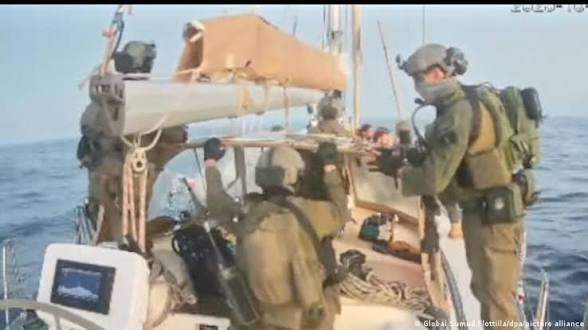
The interception of the Global Sumud Flotilla by the Israel Defense Forces has reignited international scrutiny over the boundaries of maritime law, with legal experts and governments divided over whether the operation in international waters constitutes a violation of established legal norms. The flotilla, composed of civilian vessels carrying humanitarian aid and activists, was en route to the Gaza Strip when Israeli naval forces moved to intercept it before it could reach its destination.
According to reports, the operation took place outside Israel’s territorial waters, a detail that has become central to the legal controversy. Under the framework of the United Nations Convention on the Law of the Sea, ships navigating international waters are generally protected under the principle of freedom of navigation. This principle limits the ability of states to interfere with foreign vessels unless under exceptional circumstances such as piracy or threats to security that are clearly defined under international law. Critics of the interception argue that the flotilla did not meet these exceptions, as it consisted of civilian ships and was publicly declared as a humanitarian mission.
Activists involved in the flotilla have condemned the interception as an unlawful act, asserting that boarding civilian vessels in international waters amounts to a breach of maritime law. Some have gone as far as to describe the operation as an act comparable to piracy, though such terminology remains contested in formal legal discourse. Organizers insist that the cargo consisted of essential humanitarian supplies, including food and medical aid, intended to alleviate conditions in Gaza, where access to resources remains tightly controlled.
Israel, however, has defended the operation by pointing to a different legal justification rooted in the laws of armed conflict at sea. Officials argue that the naval blockade imposed on Gaza since 2007 is a legitimate security measure aimed at preventing the flow of weapons to Hamas, which governs the territory. Under guidelines such as the San Remo Manual on International Law Applicable to Armed Conflicts at Sea, a state engaged in conflict may enforce a naval blockade beyond its territorial waters, including in international seas, provided that the blockade is declared, effectively maintained, and does not deliberately block humanitarian assistance to civilians.
This clash between two legal interpretations has created a complex and unresolved debate. On one hand, the principle of free navigation under maritime law appears to restrict interference with civilian vessels in international waters. On the other, the legal framework governing naval warfare allows for enforcement measures that extend beyond national jurisdictions during times of conflict. The key question remains whether the blockade itself meets international legal standards and whether its enforcement, in this case, was proportionate and justified.
Legal analysts note that similar incidents involving Gaza-bound flotillas in the past have produced no clear international consensus, leaving each new confrontation open to interpretation. The lack of a definitive ruling from an authoritative international legal body has contributed to ongoing uncertainty, with states often aligning their positions along political lines rather than strictly legal ones. Human rights organizations have called for independent investigations into the incident, emphasizing the need to clarify the legal boundaries governing such operations.
The situation also raises broader concerns about humanitarian access. International law requires that civilian populations must not be deprived of essential goods, even during blockades. Critics argue that repeated interceptions of aid missions could undermine these protections if alternative delivery channels are insufficient or heavily restricted. Israel maintains that aid can enter Gaza through regulated crossings and ports where inspections are conducted, but humanitarian groups continue to question whether these mechanisms are adequate to meet the needs of the population.
As the debate continues, the interception of the Global Sumud Flotilla underscores a deeper tension between security policies and international legal norms. With no universally accepted resolution in sight, the incident highlights the fragile balance between enforcing military objectives and upholding the principles of maritime law in international waters, a balance that remains as contested as the conflict itself.
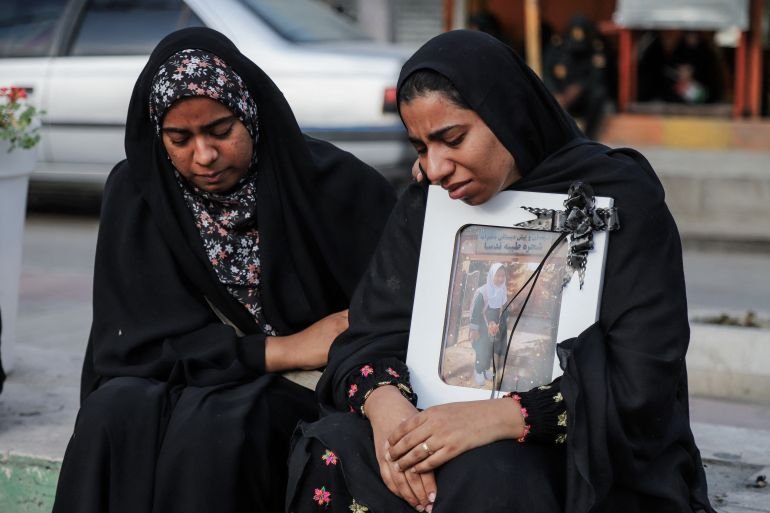
The deadly airstrike on a primary school in southern Minab continues to draw mounting international scrutiny, as new findings strengthen claims that the attack may constitute a serious violation of international law. The incident, which took place on 28 February 2026, remains one of the most controversial and tragic events in the ongoing 2026 Iran–US–Israel conflict.
The strike hit the Shajareh Tayyebeh Elementary School during school hours, killing an estimated 156 to 175 people. More than 100 of the victims were children, making it one of the deadliest single attacks on civilians in the conflict so far. Eyewitness accounts and satellite imagery confirmed that the school was operational at the time of the strike, with classrooms full and no evacuation warnings issued.
Recent investigations by Human Rights Watch and Amnesty International have increasingly pointed toward responsibility by United States forces. According to these reports, forensic analysis of debris suggests that a precision guided munition likely a Tomahawk cruise missile was used in the strike. The weapon type is consistent with those deployed by the U.S. military in the region.
While Washington has yet to issue a formal conclusion, a preliminary internal assessment reportedly acknowledges that U.S. forces were “likely responsible,” though officials have stopped short of confirming liability publicly. Early indications suggest that the intended target may have been a nearby facility associated with Iran’s Islamic Revolutionary Guard Corps. However, investigators argue that the intelligence used to authorize the strike may have been outdated or inaccurate.
This distinction has become central to the growing legal debate. Experts in international humanitarian law note that even if a legitimate military target was present nearby, the scale of civilian casualties particularly involving children raises serious questions about proportionality and precaution. Under the framework of the United Nations Human Rights Council, such failures could amount to a war crime if it is determined that adequate measures to protect civilians were not taken.
The United Nations has responded by convening urgent discussions on the attack, with its human rights chief calling for a transparent and independent investigation. Pressure is mounting on the United States to release the full findings of its internal probe, amid concerns that delays could undermine accountability and international trust.
Iran, meanwhile, has escalated its response on the diplomatic front. Officials in Tehran have publicly blamed specific U.S. military personnel and are reportedly exploring avenues for legal action in international courts. The incident has also fueled domestic anger, with large-scale memorials held for the victims and renewed calls for retaliation.
Despite the growing body of evidence, no formal charges or legal proceedings have yet been initiated. Analysts say this reflects the broader challenges of enforcing international law in active conflict zones, particularly when major global powers are involved. Nonetheless, the Minab school strike is increasingly being viewed as a defining case for how civilian protection laws are interpreted and enforced in modern warfare.
As investigations continue, the tragedy stands as a stark reminder of the human cost of conflict and the consequences when intelligence failures intersect with military force. For many observers, the key question now is not only what happened, but whether those responsible will ultimately be held accountable.
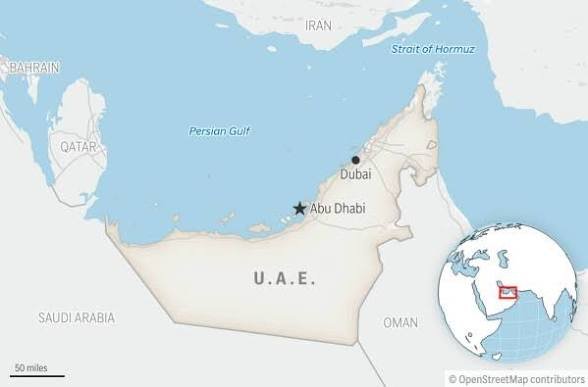
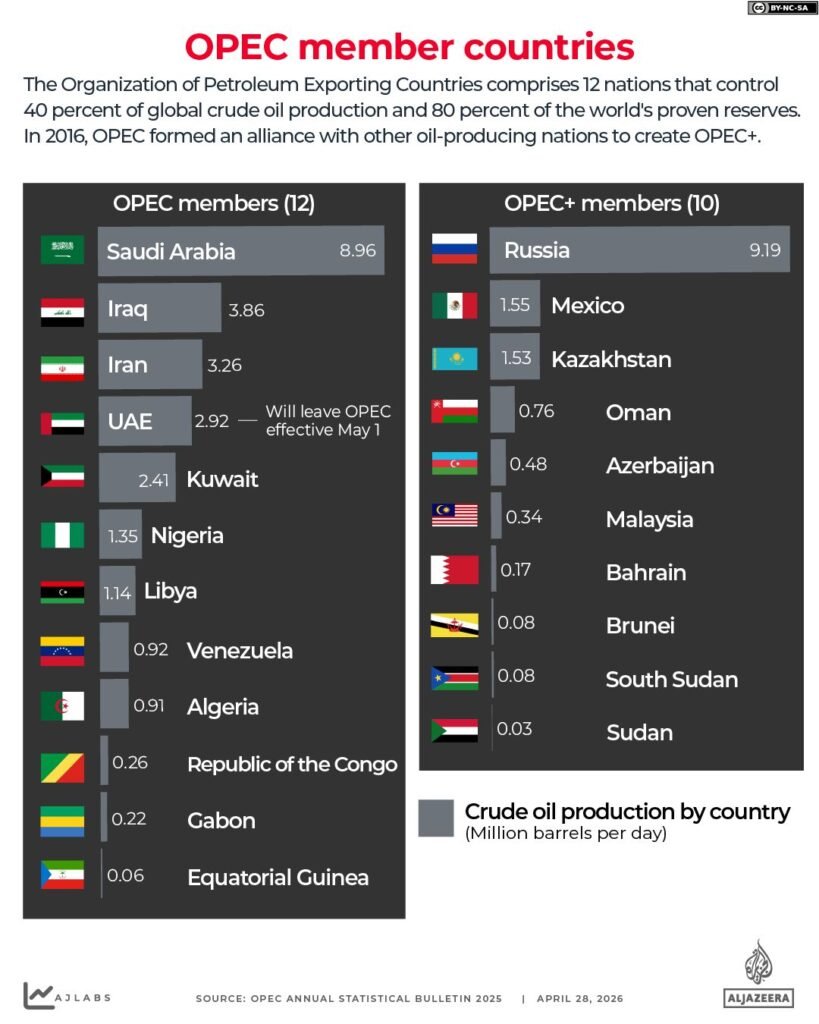
The decision by the Organization of the Petroleum Exporting Countries to lose one of its key members, the United Arab Emirates, marks a pivotal moment in global energy markets. After more than 50 years in the oil producers’ alliance, the UAE has announced its withdrawal effective May 2026, a move driven largely by economic considerations rather than purely political motives. The development reflects changing priorities within oil-exporting nations and highlights deeper structural shifts in the global oil economy.
Economically, the UAE’s exit is closely tied to its ambition to expand oil production capacity and maximize export revenues. As one of OPEC’s top producers, the country has been producing around 3 to 3.5 million barrels per day under quota limits. However, its national oil company, Abu Dhabi National Oil Company, has invested heavily in upstream infrastructure with the goal of increasing capacity to approximately 5 million barrels per day in the coming years. Remaining within OPEC would have required adherence to production ceilings, limiting the country’s ability to fully capitalize on its investments.
At a time when global oil prices have remained elevated frequently trading above $100 per barrel amid geopolitical instability the ability to independently increase output offers a clear economic advantage. Higher production levels allow the UAE to boost export volumes and government revenues, which remain closely tied to hydrocarbons despite ongoing diversification efforts. Oil and gas still contribute roughly 30% of the UAE’s GDP and a significant share of fiscal income, making production policy a central economic lever.
The departure also weakens OPEC’s overall influence in the global oil market. Historically, the organization has controlled a substantial share of global supply, enabling it to stabilize prices through coordinated output adjustments. However, its share has gradually declined in recent years, falling from about 48% to around 44% of global supply in early 2026. The exit of a major producer like the UAE further reduces the group’s ability to enforce collective discipline and manage price levels effectively.
This erosion of market control has broader economic implications. Without coordinated production targets, oil markets may become more competitive but also more volatile. Countries acting independently could increase supply during periods of high prices, potentially pushing prices downward over time. For oil-importing economies, this could provide relief through lower energy costs and reduced inflationary pressures. On the other hand, greater volatility complicates investment planning for both producers and consumers, as price swings become more pronounced in response to geopolitical or demand shocks.
In the short term, the UAE’s exit is unlikely to cause immediate disruption to oil prices due to existing global uncertainties. Tensions in key transit routes such as the Strait of Hormuz, through which nearly 20% of global oil trade passes, have already contributed to tight supply conditions. As a result, market reactions to the announcement have been relatively muted, with only brief price fluctuations observed following the news.
Over the longer term, however, the shift could contribute to a gradual transformation of global oil dynamics. Increased production from non-OPEC or former OPEC members may lead to a more decentralized supply structure. This would mark a departure from decades of cartel-driven market management toward a system influenced more by market competition and national strategies.
The UAE’s move also aligns with its broader economic diversification agenda. While expanding oil production in the near term, the country continues to invest in renewable energy, nuclear power, and non-oil sectors such as finance, tourism, and technology. This dual strategy allows the UAE to maximize current hydrocarbon revenues while preparing for a future less dependent on fossil fuels. Notably, nuclear energy already contributes about a quarter of the country’s electricity generation, reflecting a significant shift in its domestic energy mix.
Financial markets have reacted cautiously to the development, with analysts noting both risks and opportunities. Some estimates suggest that increased independent production could place downward pressure on oil prices over time, while others emphasize the likelihood of increased price swings. In early trading following the announcement, oil prices experienced intraday movements of up to 3%, underscoring market uncertainty about the long-term impact.
Ultimately, the UAE’s departure from OPEC underscores a growing tension between collective market management and national economic priorities. By prioritizing production flexibility and revenue maximization, the UAE is betting on its ability to compete effectively in a more open market environment. The decision may encourage other producers to reassess their positions within the cartel, potentially accelerating a broader shift in how global oil markets are structured.
As the global economy continues to navigate energy transition pressures, geopolitical risks, and fluctuating demand patterns, the UAE’s exit represents more than a single policy change. It signals a rebalancing of power within the oil industry and raises important questions about the future role of OPEC in shaping global energy economics.
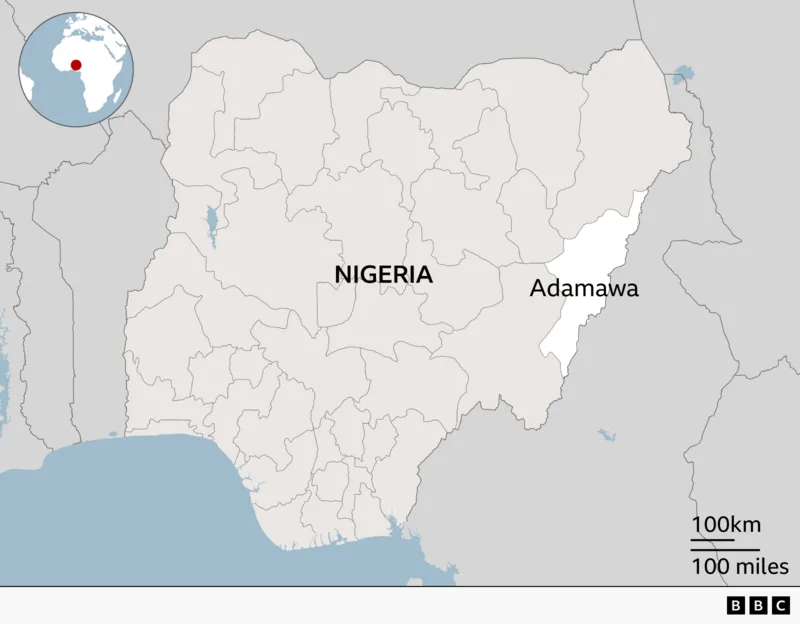
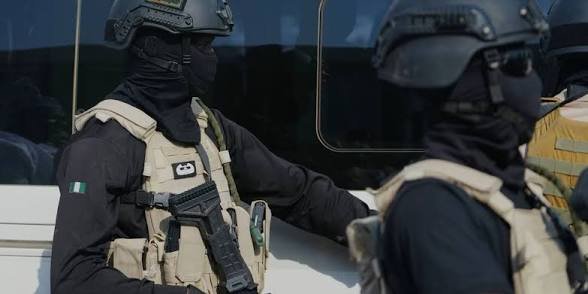
At least 29 people have been killed in a brutal overnight attack in northeastern Nigeria, with the Islamic State claiming responsibility, highlighting the ongoing security challenges in the region.
The attack occurred in Guyaku village, a rural community in Adamawa State. According to local sources and officials, heavily armed militants stormed the village late at night, opening fire on residents and setting homes on fire. The assault reportedly lasted for several hours, leaving many people dead and others injured, while survivors fled into surrounding areas for safety.
In a statement released through its affiliated media channels, the Islamic State said it was behind the attack. While the claim has drawn attention, it remains unclear which specific faction carried it out. Security experts point to the presence of Islamic State West Africa Province (ISWAP), a regional branch of the Islamic State that operates in northeastern Nigeria and the Lake Chad basin, as a possible perpetrator.
The governor of Adamawa State, Ahmadu Umaru Fintiri, strongly condemned the killings, describing the attack as a tragic and unacceptable act of violence against innocent civilians. He pledged that the state government would work closely with security forces to identify and bring those responsible to justice. He also emphasized the need to strengthen security in vulnerable rural communities.
Emergency response teams and local volunteers were deployed to the village shortly after the attack. Reports indicate that several homes were destroyed in the violence, leaving many families displaced. Humanitarian organizations have warned of urgent needs in the area, including medical assistance, food supplies, and temporary shelter for those affected.
The attack underscores the persistent instability in northeastern Nigeria, where a long-running insurgency has created a complex and dangerous security environment. The conflict initially began with the rise of Boko Haram, but has since evolved into a broader network of armed groups, including factions aligned with the Islamic State.
Despite ongoing military operations by Nigerian forces and regional partners, militant groups continue to carry out attacks on civilian populations, particularly in remote and underserved areas. Analysts say that factors such as difficult terrain, limited infrastructure, and porous borders make it challenging for security forces to fully eliminate these threats.
The latest violence has renewed concerns about the effectiveness of current counterinsurgency strategies. Experts argue that while military action remains important, it must be complemented by long-term efforts to address the root causes of extremism. These include poverty, unemployment, lack of education, and weak governance in affected regions.
For residents of Adamawa State and the wider northeast, the attack is another painful reminder of the ongoing risks they face. Many communities continue to live under the constant threat of violence, with limited access to protection or support.
As investigations continue, authorities are expected to increase security operations in the area to prevent further attacks. However, for many Nigerians, the path to lasting peace remains uncertain as militant groups continue to demonstrate their ability to strike vulnerable communities.
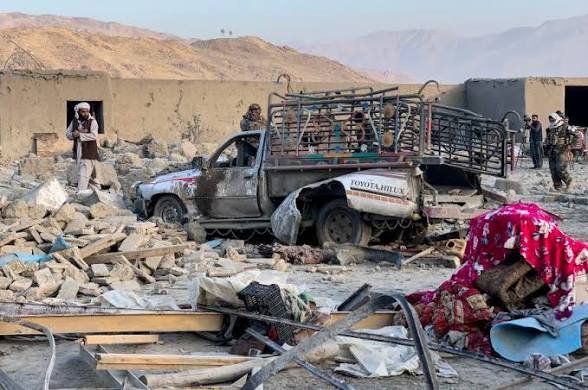
A deadly strike on a university in Afghanistan’s Kunar province has intensified regional tensions, placing Pakistan’s diplomatic credibility under scrutiny at a time when it is attempting to act as a key mediator in the ongoing conflict between the United States and Iran.
Afghan authorities have accused Pakistan of carrying out the attack, which reportedly killed several civilians and injured dozens, including students and a professor. The incident has drawn sharp condemnation from Kabul, with officials calling it a violation of international law and an unacceptable targeting of civilian infrastructure.
The timing of the strike is particularly significant. Pakistan has recently emerged as a central diplomatic player, attempting to broker peace between Washington and Tehran amid a wider regional crisis. Islamabad has hosted or facilitated indirect talks and relayed proposals between both sides, positioning itself as a neutral intermediary capable of reducing tensions.
However, recent developments suggest that these mediation efforts are faltering. Planned talks in Islamabad did not materialize after Iran declined to engage directly, and the United States canceled the visit of its envoys, signaling a setback in diplomacy.
Against this backdrop, the alleged strike in Afghanistan risks undermining Pakistan’s carefully constructed image as a neutral broker. Analysts note that successful mediation depends heavily on trust and perceived impartiality. Any military action especially one involving civilian casualties could weaken confidence among negotiating parties and complicate ongoing diplomatic efforts.
Pakistan’s involvement in the US–Iran crisis is driven by both strategic opportunity and necessity. The country maintains working relations with both Washington and Tehran and has positioned itself as a conduit for communication when direct dialogue is difficult. At the same time, Islamabad has strong incentives to prevent the conflict from escalating further, as instability in the region threatens its own security and economic stability, particularly energy supplies.
Still,Pakistan’s influence as a mediator remains limited. While it can facilitate dialogue and host discussions, the ultimate decisions lie with the primary actors the United States and Iran. Some analysts argue that Pakistan’s role is more about enabling communication rather than shaping outcomes, especially given the deeply entrenched positions on both sides.
The broader regional situation continues to deteriorate. The conflict has disrupted global energy markets, with oil prices rising amid concerns over supply constraints linked to instability in the Strait of Hormuz. Diplomatic efforts remain fragile, with competing proposals and disagreements particularly over Iran’s nuclear program stalling progress.In this volatile environment, the Afghanistan incident adds another layer of complexity. It not only heightens tensions between Kabul and Islamabad but also raises questions about whether Pakistan can maintain the neutrality required to mediate a high-stakes international conflict.
For now, Pakistan finds itself balancing two roles, a regional actor accused of military involvement beyond its borders, and a global intermediary attempting to prevent a wider war. How it navigates this dual position may determine whether its mediation efforts succeed or collapse under growing mistrust.
Global oil markets reacted sharply after diplomatic efforts between the United States and Iran hit another setback, heightening fears of prolonged instability in the Middle East. The delay in scheduled negotiations has intensified concerns over potential disruptions to one of the world’s most critical energy corridors, sending crude prices climbing.
According to the BBC News report, benchmark oil prices rose significantly following news that the United States had postponed a planned round of talks with Iran. Brent crude increased by more than 2%, trading above $100 per barrel, while US crude also saw a similar jump. The market response reflects investor anxiety over the fragile geopolitical situation and its possible impact on supply chains.
At the center of the tension lies the Strait of Hormuz, a narrow but vital shipping route through which a substantial portion of the world’s oil passes. Any disruption in this area can have immediate and far-reaching consequences for global energy markets. Iran has previously signaled that it could target vessels in the region in response to military actions involving the United States and its allies, raising the risk of escalation.
The postponement of talks signals a widening diplomatic gap. Efforts to de-escalate tensions through negotiation have faced repeated challenges, with both sides holding firm on key demands. Analysts warn that without meaningful progress, the risk of confrontation could increase, further destabilizing the region.
The broader implications extend beyond oil markets. Rising energy prices often translate into higher transportation and production costs, which can fuel inflation worldwide. Countries heavily dependent on imported fuel may face additional economic strain, while consumers could see increased prices for everyday goods and services.
Market experts suggest that volatility is likely to persist in the near term. Traders are closely monitoring developments in the Middle East, particularly any signs of military escalation or renewed diplomatic engagement. Even minor incidents in or around the Strait of Hormuz can trigger significant price movements, underscoring the sensitivity of global markets to geopolitical risks.
Despite the current tensions, some analysts remain cautiously optimistic that diplomatic channels could reopen. Historically, periods of heightened conflict have occasionally been followed by renewed negotiations, especially when economic pressures mount on both sides. However, the timing and likelihood of such a breakthrough remain uncertain.
In the meantime, governments and energy companies are assessing contingency plans to mitigate potential supply disruptions. Strategic reserves, alternative shipping routes, and diversified energy sources are among the measures being considered to reduce vulnerability.
In conclusion, the delay in US–Iran talks has not only strained diplomatic relations but also sent ripples across global markets. With the Strait of Hormuz at the heart of the crisis, the situation remains highly sensitive. As the world watches for the next move from both Washington and Tehran, the balance between conflict and cooperation will play a crucial role in determining the trajectory of oil prices and global economic stability.
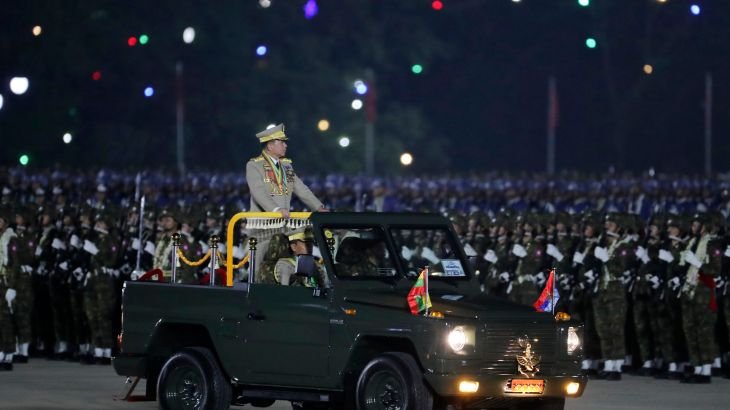
The military-led government of Myanmar has declared a state of emergency across more than 60 townships, significantly tightening its grip over areas affected by ongoing armed conflict. The move, announced in 24 April 2026, reflects a deepening crisis as the country continues to grapple with instability following the 2021 coup.
According to official statements, the emergency measures are concentrated in regions experiencing intense fighting between the military known as the Tatmadaw and a range of opposition forces, including pro-democracy resistance groups and ethnic armed organizations. Several of these townships are located in strategically important border and rural areas where government control has weakened.
Under the declaration, the military assumes full administrative, judicial, and security authority in the affected zones. This effectively places these areas under martial law, allowing commanders to enforce curfews, restrict movement, detain suspects, and try civilians in military courts. Authorities have framed the move as necessary to restore “law and order,” though critics argue it represents a further erosion of civil liberties.
The emergency measures are expected to last for at least 90 days, though analysts warn they could be extended if the security situation fails to improve. Similar temporary declarations in the past have often been prolonged, raising concerns among human rights groups and international observers.
The latest development comes amid a prolonged and complex conflict that has engulfed Myanmar since the military seized power in February 2021, ousting the elected government led by Aung San Suu Kyi. The coup triggered widespread protests, which were met with violent crackdowns. Over time, the unrest evolved into a nationwide resistance movement, with armed groups forming to oppose military rule.
In recent months, clashes have intensified in several regions, with reports of coordinated offensives by resistance forces. Some ethnic armed groups have also expanded their operations, taking advantage of the military’s stretched resources. This has led to growing instability, with key transport routes disrupted and local administrations collapsing in certain areas.
The humanitarian situation has also worsened. Thousands of civilians have been displaced due to ongoing fighting, while access to food, healthcare, and basic services has been severely limited in conflict zones. Aid organizations have repeatedly called for safe corridors and ceasefires, but progress has been limited.
International reactions to the expanded emergency declaration have been largely critical. Regional bloc ASEAN has struggled to mediate the crisis, despite proposing a peace plan that includes dialogue and cessation of violence. However, implementation has stalled, with the military government showing limited willingness to engage with opposition groups.
Western governments have also condemned the continued use of emergency powers, viewing them as a tool to consolidate military control rather than resolve underlying political tensions. Sanctions targeting military leaders and associated businesses remain in place, though their effectiveness in altering the situation on the ground is debated.
For many observers, the declaration underscores the entrenched nature of Myanmar’s crisis. Rather than signaling a path toward stability, the expansion of emergency rule suggests that the military is preparing for a prolonged confrontation. With no clear political solution in sight, the country risks further fragmentation and suffering.
As the situation develops, attention will remain on whether the emergency measures succeed in restoring order or deepen divisions in an already fractured nation.