27 April 2026
Global oil markets reacted sharply after diplomatic efforts between the United States and Iran hit another setback, heightening fears of prolonged instability in the Middle East. The delay in scheduled negotiations has intensified concerns over potential disruptions to one of the world’s most critical energy corridors, sending crude prices climbing.
According to the BBC News report, benchmark oil prices rose significantly following news that the United States had postponed a planned round of talks with Iran. Brent crude increased by more than 2%, trading above $100 per barrel, while US crude also saw a similar jump. The market response reflects investor anxiety over the fragile geopolitical situation and its possible impact on supply chains.
At the center of the tension lies the Strait of Hormuz, a narrow but vital shipping route through which a substantial portion of the world’s oil passes. Any disruption in this area can have immediate and far-reaching consequences for global energy markets. Iran has previously signaled that it could target vessels in the region in response to military actions involving the United States and its allies, raising the risk of escalation.
The postponement of talks signals a widening diplomatic gap. Efforts to de-escalate tensions through negotiation have faced repeated challenges, with both sides holding firm on key demands. Analysts warn that without meaningful progress, the risk of confrontation could increase, further destabilizing the region.
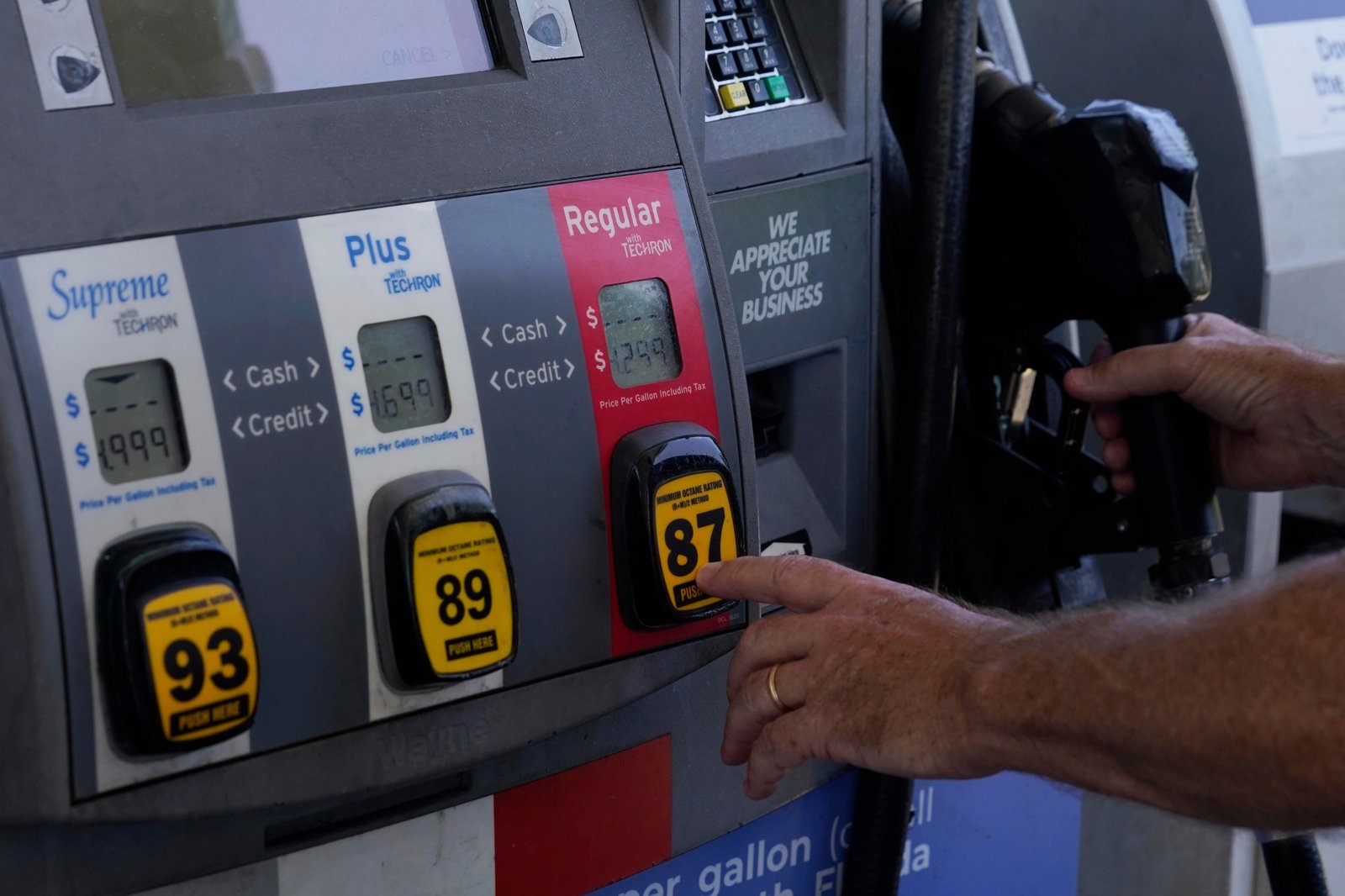
The broader implications extend beyond oil markets. Rising energy prices often translate into higher transportation and production costs, which can fuel inflation worldwide. Countries heavily dependent on imported fuel may face additional economic strain, while consumers could see increased prices for everyday goods and services.
Market experts suggest that volatility is likely to persist in the near term. Traders are closely monitoring developments in the Middle East, particularly any signs of military escalation or renewed diplomatic engagement. Even minor incidents in or around the Strait of Hormuz can trigger significant price movements, underscoring the sensitivity of global markets to geopolitical risks.
Despite the current tensions, some analysts remain cautiously optimistic that diplomatic channels could reopen. Historically, periods of heightened conflict have occasionally been followed by renewed negotiations, especially when economic pressures mount on both sides. However, the timing and likelihood of such a breakthrough remain uncertain.
In the meantime, governments and energy companies are assessing contingency plans to mitigate potential supply disruptions. Strategic reserves, alternative shipping routes, and diversified energy sources are among the measures being considered to reduce vulnerability.
In conclusion, the delay in US–Iran talks has not only strained diplomatic relations but also sent ripples across global markets. With the Strait of Hormuz at the heart of the crisis, the situation remains highly sensitive. As the world watches for the next move from both Washington and Tehran, the balance between conflict and cooperation will play a crucial role in determining the trajectory of oil prices and global economic stability.
Leave a Reply