28 April 2026
A deadly strike on a university in Afghanistan’s Kunar province has intensified regional tensions, placing Pakistan’s diplomatic credibility under scrutiny at a time when it is attempting to act as a key mediator in the ongoing conflict between the United States and Iran.
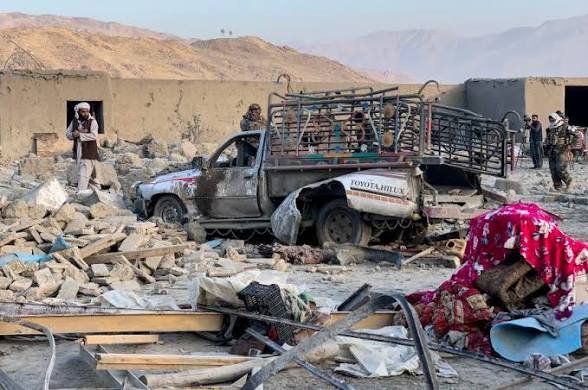
Afghan authorities have accused Pakistan of carrying out the attack, which reportedly killed several civilians and injured dozens, including students and a professor. The incident has drawn sharp condemnation from Kabul, with officials calling it a violation of international law and an unacceptable targeting of civilian infrastructure.
The timing of the strike is particularly significant. Pakistan has recently emerged as a central diplomatic player, attempting to broker peace between Washington and Tehran amid a wider regional crisis. Islamabad has hosted or facilitated indirect talks and relayed proposals between both sides, positioning itself as a neutral intermediary capable of reducing tensions.
However, recent developments suggest that these mediation efforts are faltering. Planned talks in Islamabad did not materialize after Iran declined to engage directly, and the United States canceled the visit of its envoys, signaling a setback in diplomacy.
Against this backdrop, the alleged strike in Afghanistan risks undermining Pakistan’s carefully constructed image as a neutral broker. Analysts note that successful mediation depends heavily on trust and perceived impartiality. Any military action especially one involving civilian casualties could weaken confidence among negotiating parties and complicate ongoing diplomatic efforts.
Pakistan’s involvement in the US–Iran crisis is driven by both strategic opportunity and necessity. The country maintains working relations with both Washington and Tehran and has positioned itself as a conduit for communication when direct dialogue is difficult. At the same time, Islamabad has strong incentives to prevent the conflict from escalating further, as instability in the region threatens its own security and economic stability, particularly energy supplies.
Still,Pakistan’s influence as a mediator remains limited. While it can facilitate dialogue and host discussions, the ultimate decisions lie with the primary actors the United States and Iran. Some analysts argue that Pakistan’s role is more about enabling communication rather than shaping outcomes, especially given the deeply entrenched positions on both sides.
The broader regional situation continues to deteriorate. The conflict has disrupted global energy markets, with oil prices rising amid concerns over supply constraints linked to instability in the Strait of Hormuz. Diplomatic efforts remain fragile, with competing proposals and disagreements particularly over Iran’s nuclear program stalling progress.In this volatile environment, the Afghanistan incident adds another layer of complexity. It not only heightens tensions between Kabul and Islamabad but also raises questions about whether Pakistan can maintain the neutrality required to mediate a high-stakes international conflict.
For now, Pakistan finds itself balancing two roles, a regional actor accused of military involvement beyond its borders, and a global intermediary attempting to prevent a wider war. How it navigates this dual position may determine whether its mediation efforts succeed or collapse under growing mistrust.
Leave a Reply