Author: Amierul Azim

  • Italy Suspends Israel Defence Pact Renewal Amid Rising Middle East Tensions

    Italy Suspends Israel Defence Pact Renewal Amid Rising Middle East Tensions

    Rome 14 April 2026

    Italy has decided to suspend the automatic renewal of its long-standing defence cooperation agreement with Israel, marking a notable shift in relations as conflict in the Middle East intensifies. The move, announced by Prime Minister Giorgia Meloni, reflects growing concern in Rome over regional instability and recent incidents involving Italian personnel.

    Meloni stated that the decision was made “in light of the current situation,” a reference to the escalating tensions involving Israel, Iran, and ongoing military activity affecting Lebanon. While the agreement has not been formally terminated, Italy’s refusal to proceed with its routine renewal signals a pause in defence cooperation that has been in place for nearly two decades.

    The bilateral agreement, first signed in the mid-2000s, has facilitated cooperation in military training, defence technology, and industrial partnerships. It is typically renewed automatically every five years. By halting this process, Italy is sending a clear political message without completely severing ties with Israel.

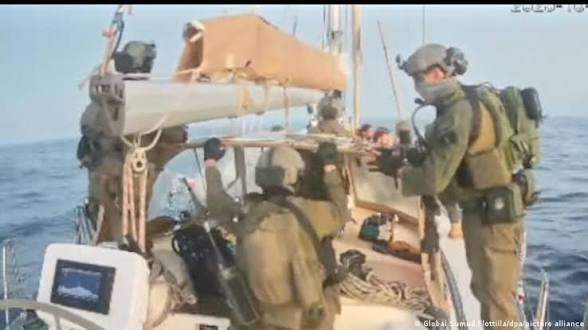
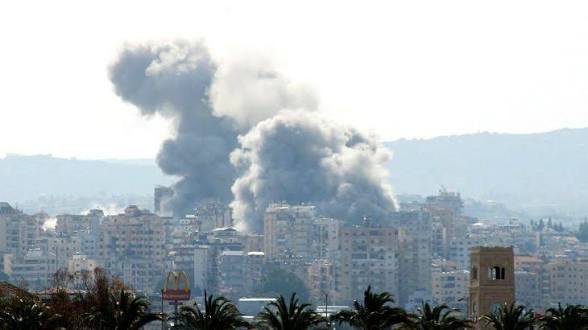
    A major factor behind the decision was a recent incident in southern Lebanon involving a United Nations peacekeeping convoy that included Italian troops. Reports indicated that Israeli forces fired shots that struck near or around the convoy, prompting a strong diplomatic response from Italy. Rome summoned Israel’s ambassador to demand clarification, and the incident sparked public and political outrage, raising concerns about the safety of Italian personnel deployed abroad.

    The episode has intensified scrutiny over Italy’s military and diplomatic relationship with Israel at a time when the broader regional conflict is worsening. Clashes involving Israel and Iran, along with continued instability in Lebanon, have heightened fears of a wider war. European governments are increasingly cautious about maintaining defence partnerships that could be perceived as contributing to escalation.

    Domestically, Meloni’s government is also facing pressure from advocacy groups and opposition figures who have long criticized defence cooperation with Israel. Italian law places restrictions on arms exports and military collaboration with countries engaged in active conflicts or accused of human rights violations. Critics argue that continuing such agreements under current conditions could place Italy in a legally and ethically difficult position.

    By suspending the renewal, the government appears to be balancing international diplomacy with domestic expectations. Officials have emphasized that the move is not permanent and that Italy remains open to future cooperation depending on how the situation develops. Diplomatic channels between Rome and Tel Aviv remain active, and there has been no indication of a complete breakdown in relations.

    Analysts suggest that Italy’s decision reflects a broader shift among European nations reassessing their foreign policies amid changing geopolitical realities. Public opinion across Europe has become increasingly sensitive to humanitarian concerns, particularly as images of civilian suffering emerge from conflict zones. Governments are therefore under pressure to demonstrate a more measured and independent stance.

    For Israel, the suspension may be viewed as a setback in maintaining strong defence ties within Europe. For Italy, however, it represents an effort to assert caution and responsibility during a volatile period. The move underscores the challenges faced by countries attempting to navigate complex alliances while responding to rapidly evolving global crises.

    As tensions in the Middle East continue, the future of the Italy-Israel defence agreement remains uncertain. Much will depend on whether the situation stabilizes or further deteriorates. Until then, Italy’s decision highlights a growing reluctance among its leaders to proceed with business as usual in the face of escalating conflict.

  • Global Tensions Rise as United States Imposes Iran Blockade, J. D. Vance Calls Tehran Actions ‘Economic Terrorism’

    Global Tensions Rise as United States Imposes Iran Blockade, J. D. Vance Calls Tehran Actions ‘Economic Terrorism’

    14 April 2026

    The United States has launched a sweeping naval blockade against Iran, marking a sharp escalation in an already volatile conflict and triggering global concern over economic stability and the risk of wider war.

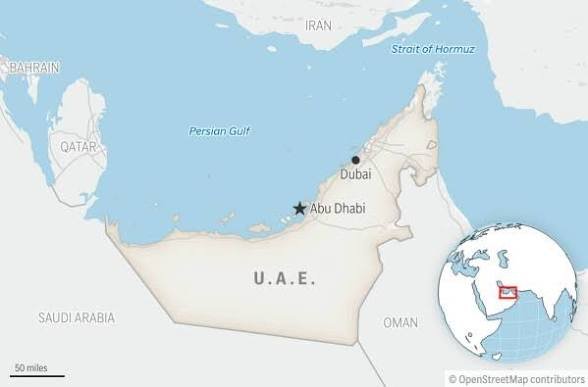
    The blockade, which began in mid-April following the collapse of high level negotiations, targets ships entering and leaving Iranian ports particularly through the Strait of Hormuz, a chokepoint for global oil shipments. U.S. officials say the move is intended to pressure Tehran into halting its nuclear program and restoring unrestricted maritime traffic.

    At the center of Washington’s messaging is Vice President J. D. Vance, who has taken a hardline stance on Iran’s actions in the region. Vance accused Tehran of engaging in “economic terrorism,” arguing that its interference with shipping routes in the Strait of Hormuz threatens global trade and energy security.

    “They are effectively holding the global economy hostage,” Vance said during a briefing, adding that the United States would not allow critical maritime routes to be disrupted without consequence. He further warned that “two can play that game,” signaling Washington’s willingness to counter Iran’s tactics with direct economic pressure.

    Tehran has condemned the blockade as illegal and provocative, warning that it may retaliate if its ports or vessels are targeted. Iranian officials insist that their actions in the region are defensive and accuse Washington of escalating tensions unnecessarily. They also reiterated that they will not negotiate under coercion, particularly on issues related to their nuclear program.

    The international response has been mixed. Some Western allies have expressed cautious support for Washington’s objective of maintaining open shipping lanes, while stopping short of endorsing the blockade itself. Several European governments have instead called for urgent diplomatic efforts to prevent further escalation, warning that the situation could spiral into open conflict if miscalculated.

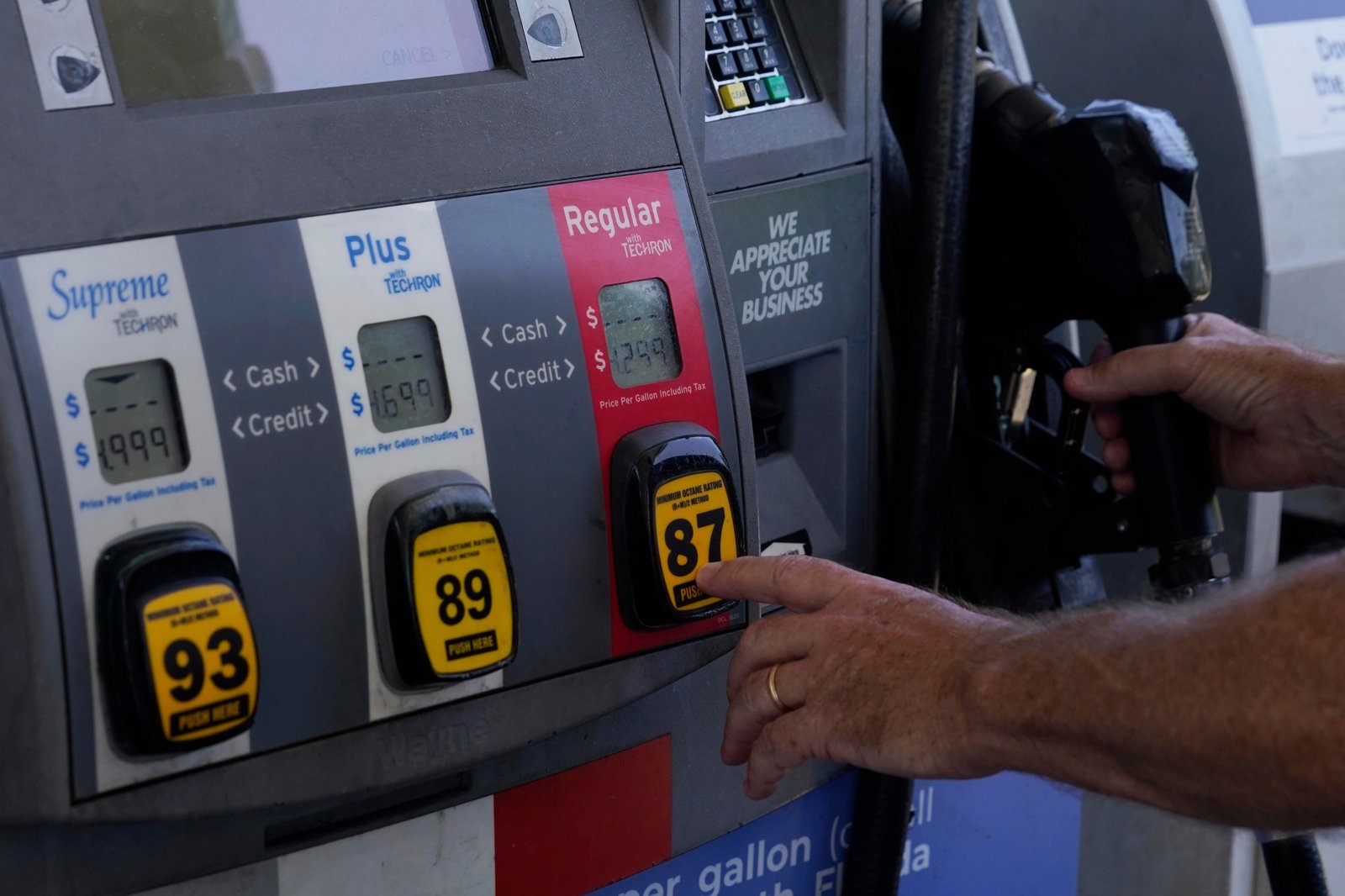
    Economic analysts warn that the blockade could have far-reaching consequences. Oil prices have already shown signs of volatility, with traders reacting nervously to the potential disruption of supplies passing through the Strait of Hormuz. Given that a significant portion of the world’s oil shipments moves through this narrow passage, any prolonged standoff could trigger inflation and slow global growth.

    Critics of the blockade argue that such measures often harm civilians more than governments, limiting access to essential goods and deepening economic hardship. Others contend that economic pressure, while imperfect, remains a preferable alternative to direct military confrontation, offering a means to influence behavior without immediate large-scale violence.

    As tensions continue to rise, the standoff between the United States and Iran appears far from resolution. With both sides signaling determination to stand firm, the coming weeks will be critical in determining whether diplomacy can still prevail or whether the crisis will deepen into a broader regional conflict with global implications.

  • Taiwan Opposition Leader Cheng Li-wun Meets Xi Jinping in Landmark Beijing Talks, Sparking Debate in Taiwan

    Taiwan Opposition Leader Cheng Li-wun Meets Xi Jinping in Landmark Beijing Talks, Sparking Debate in Taiwan

    Beijing 10 April 2026

    Taiwan’s opposition politics were thrust into the spotlight after Cheng Li-wun met with Xi Jinping in Beijing on April 10, 2026, a rare high-level encounter that has triggered intense debate across Taiwan over cross-strait relations and the island’s political future.

    The meeting, held at the Great Hall of the People, took place during Cheng’s official visit to mainland China, which also included stops in Shanghai and Nanjing. The talks were described by Chinese state media as “constructive and forward-looking,” focusing on stability across the Taiwan Strait, shared cultural identity, and the importance of peaceful dialogue between both sides.

    Cheng, a senior figure in the opposition Kuomintang (KMT), represents a political party that traditionally supports closer engagement with China compared to Taiwan’s ruling Democratic Progressive Party. The KMT has long argued that maintaining communication with Beijing is necessary to prevent escalation and preserve regional stability.

    China, which claims Taiwan as part of its territory, has increasingly emphasized engagement with political actors in Taiwan who are more open to dialogue. By meeting Cheng directly, Beijing signaled its willingness to maintain and expand channels of communication with Taiwan’s opposition, even as formal ties with the current government remain strained.

    The meeting comes amid ongoing tensions between Taiwan and China, with military activity and political friction continuing across the Taiwan Strait. Analysts say the timing of the encounter is significant, as it reflects Beijing’s broader strategy of using political outreach alongside diplomatic and military pressure.

    Taiwan’s ruling administration, led by the Democratic Progressive Party, responded cautiously but firmly. Government officials warned that such meetings could risk undermining Taiwan’s democratic legitimacy if conducted outside official channels. They stressed that any cross-strait dialogue should reflect the democratic mandate of the Taiwanese people and be fully transparent.

    Officials also reiterated Taiwan’s reliance on international partnerships, particularly with the United States, as a key counterbalance to China’s growing pressure in the region. While not directly condemning the meeting, the administration signaled concern that it could be used by Beijing for political messaging.

    Public reaction within Taiwan has been sharply divided. Supporters of the meeting argue that dialogue is essential to reducing the risk of conflict and maintaining peace in the region. Some citizens expressed cautious optimism, saying that communication between political parties could help prevent misunderstandings and military escalation.

    However, critics strongly opposed the engagement, accusing the opposition of giving Beijing a platform to advance its political narrative. Many fear that China may use such meetings to suggest that Taiwan is more open to political integration than it actually is, even if that does not reflect mainstream public opinion.

    Social media in Taiwan quickly became a battleground of competing views, with hashtags related to the meeting trending across platforms. Younger voters, in particular, expressed skepticism, with many emphasizing a strong Taiwanese identity and resistance to political influence from Beijing. Surveys in recent years have shown a steady increase in the number of people in Taiwan who identify primarily as Taiwanese rather than Chinese, reinforcing concerns about sovereignty and political independence.

    The KMT defended Cheng’s visit, stating that maintaining open communication channels with Beijing is a pragmatic necessity in managing cross-strait relations. Party representatives emphasized that dialogue does not equal concession, and argued that engagement is essential to reducing misunderstandings and preventing escalation.

    Political analysts say the meeting could have long-term implications for Taiwan’s domestic political landscape, particularly ahead of future elections where China policy is expected to be a key issue. The ruling party is likely to highlight the risks of closer engagement with Beijing, while the opposition will argue that dialogue remains the most effective path to stability.

    Although the meeting does not alter Taiwan’s official status, it underscores the increasingly complex dynamics of cross-strait relations. As Beijing continues its outreach and Taiwan’s internal political debate deepens, public opinion is expected to play a decisive role in shaping the island’s future direction.

  • Hungary Votes for Change: Péter Magyar Defeats Viktor Orbán in Historic Election

    Hungary Votes for Change: Péter Magyar Defeats Viktor Orbán in Historic Election

    13 April 2026

    Hungary has entered a new political era after opposition leader Péter Magyar secured a sweeping victory in the country’s national election, ending the 16-year rule of Prime Minister Viktor Orbán. The results, confirmed early Monday, mark one of the most dramatic political shifts in modern Hungarian history.

    Magyar’s Tisza party achieved a decisive parliamentary majority, reportedly capturing close to two-thirds of the seats. The outcome gives the opposition a powerful mandate to implement reforms and reshape Hungary’s domestic and foreign policies. In a brief concession speech, Orbán acknowledged the defeat, calling it a “painful result” while thanking his supporters for their loyalty over more than a decade in power.

    The election result reflects growing dissatisfaction among Hungarian voters over economic challenges, corruption concerns, and the country’s strained relationship with the European Union. Inflation, rising living costs, and allegations of misuse of public funds had weakened support for Orbán’s government in recent years, despite his continued popularity among conservative voters.

    Magyar, a relatively new but rapidly rising political figure, built his campaign on promises of transparency, judicial independence, and closer alignment with European institutions. Addressing supporters after the victory, he pledged to “restore trust in government” and rebuild democratic checks and balances. “Hungary belongs in Europe not on its margins,” he said, signaling a clear shift in tone from the previous administration.

    International reactions have been swift. Leaders across Europe welcomed the election outcome, expressing hope for renewed cooperation with Budapest. Relations between Hungary and the European Union had been tense under Orbán, particularly over issues related to rule of law, media freedom, and migration policy. The new government is expected to prioritize repairing these ties, potentially unlocking billions of euros in suspended EU funding.

    Despite the decisive victory, analysts caution that Magyar faces significant challenges ahead. Reversing entrenched political structures and implementing reforms will take time, especially in a system shaped heavily by Orbán’s long tenure. Additionally, maintaining unity within the opposition coalition will be crucial to sustaining momentum.

    The election outcome not only reshapes Hungary’s future but also sends a broader message across Europe, where debates over democracy, governance, and national identity continue to intensify. For many observers, Hungary’s vote represents a test case for whether entrenched political systems can be peacefully transformed through the ballot box.

    As the country transitions to new leadership, attention will now turn to how quickly and effectively Magyar’s government can deliver on its promises and whether Hungary can redefine its role within Europe after years of political tension.