Category: economic

  • Energy at a Crossroads as HSBC Warns Peace Is Key to Stabilizing Global Flows

    Energy at a Crossroads as HSBC Warns Peace Is Key to Stabilizing Global Flows

    14 April 2026

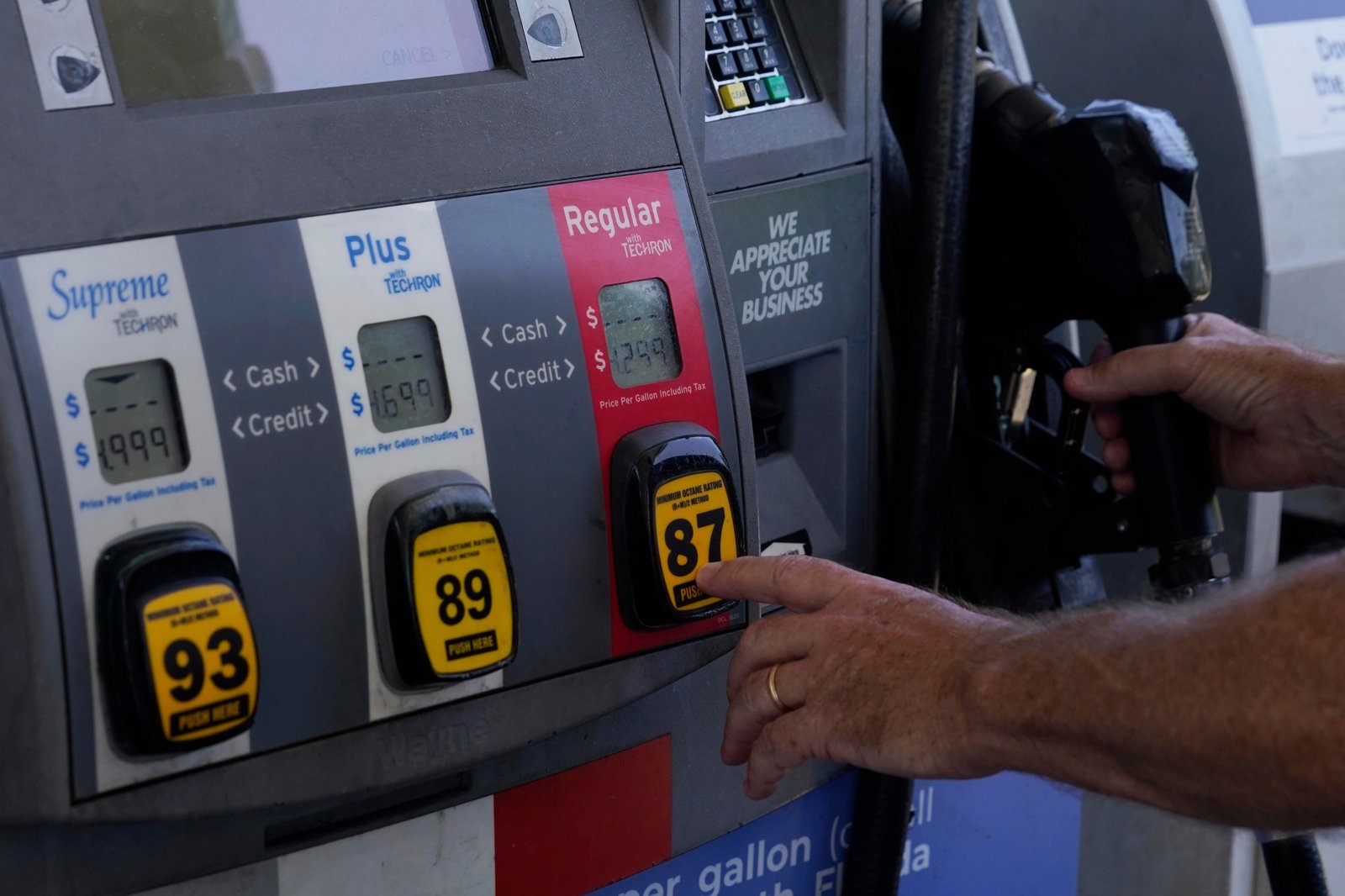
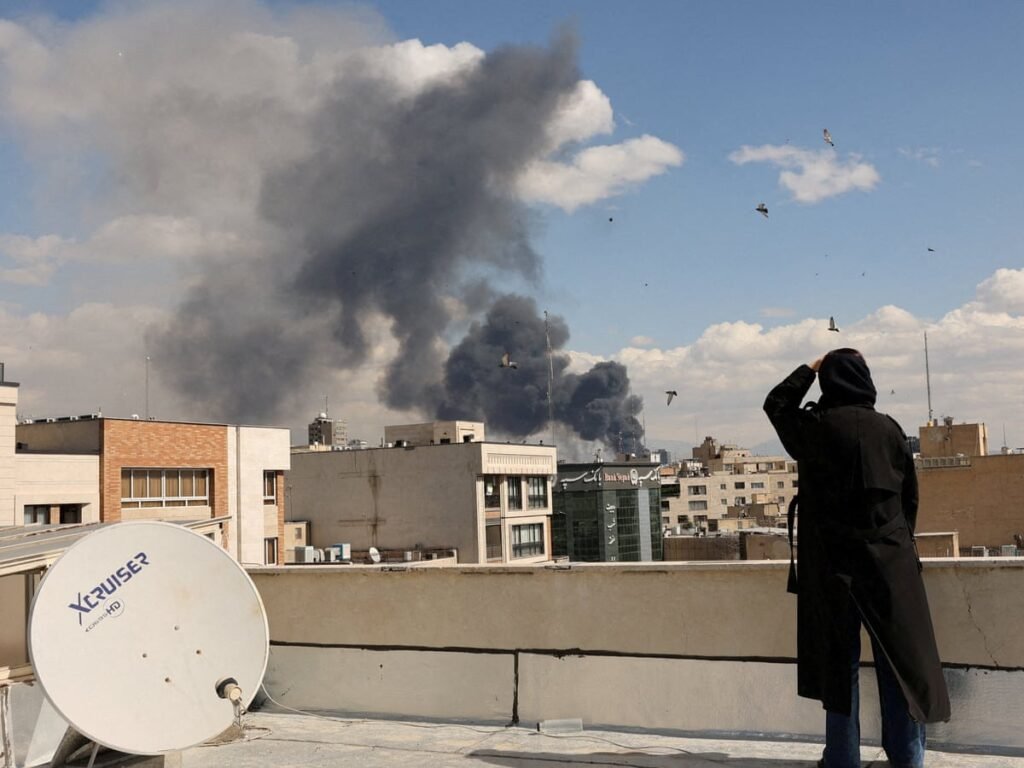
    The global energy market is once again at the mercy of geopolitics, as senior leadership from HSBC warns that only a lasting peace agreement in the Middle East can restore stability to disrupted energy flows. The statement comes at a time when markets are already under strain, with oil prices fluctuating sharply and supply chains showing signs of stress.

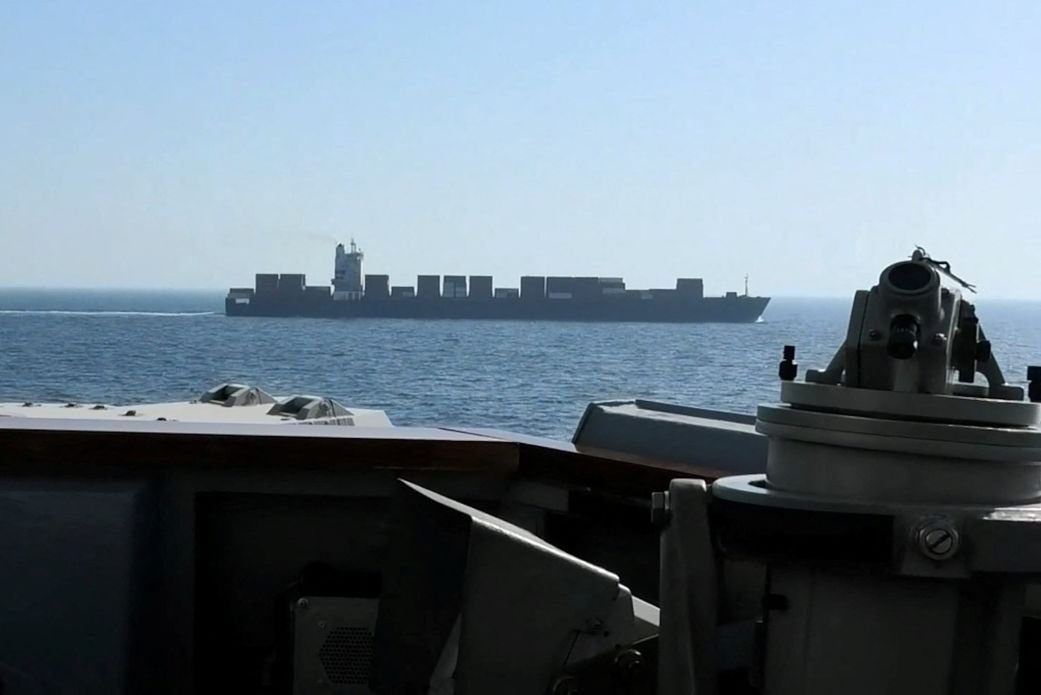
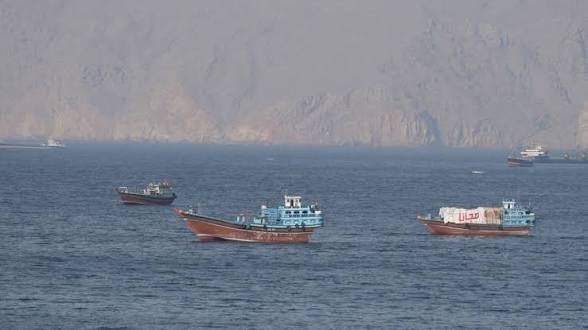
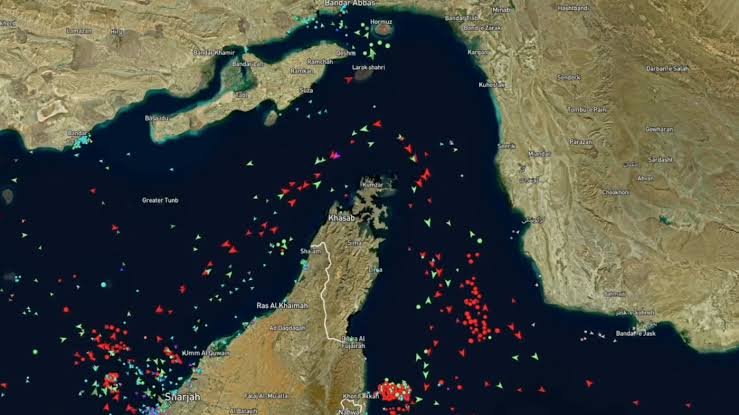
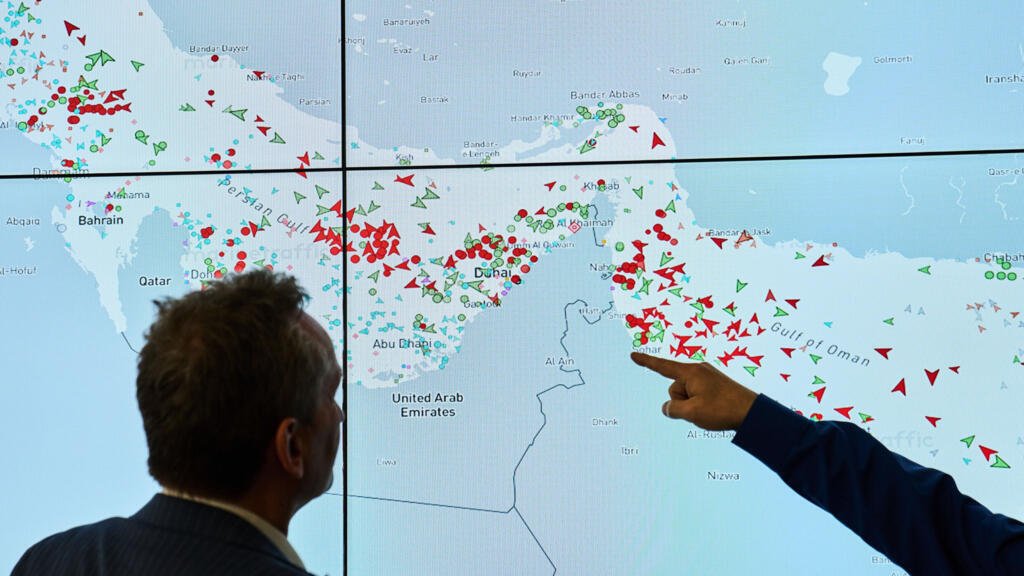
    According to the bank’s chair, the current instability across key النفط-producing regions is no longer a short-term shock but a structural risk to the global economy. Critical transit routes, particularly through strategic chokepoints, have become increasingly vulnerable, raising fears of prolonged disruption. The message is clear that without de-escalation, energy markets will continue to operate under uncertainty, with consequences extending far beyond the region itself.

    In recent weeks, supply concerns have intensified as tensions escalated around vital shipping lanes. The Middle East remains central to global oil distribution, and any sustained disruption has immediate ripple effects across industries. Higher energy prices are already feeding into production costs, transport expenses, and ultimately consumer inflation. This creates a difficult environment for policymakers who are still grappling with the aftereffects of previous economic shocks.

    What makes the current situation particularly complex is the limited room for intervention. Governments and central banks are constrained by existing pressures, including high debt levels and persistent inflation. The prospect of energy-driven inflation further complicates the outlook, as efforts to stabilise prices risk slowing economic growth even more. This delicate balance leaves markets highly sensitive to developments on the ground.

    Despite these risks, financial markets have yet to fully price in a prolonged disruption scenario. Oil prices have risen, but not to levels typically associated with severe supply shocks. This suggests that investors are still holding onto expectations of a diplomatic resolution. However, the warning from HSBC signals that such optimism may be fragile. If tensions persist or escalate, the adjustment in global markets could be swift and significant.

    Beyond immediate price movements, the longer-term implications are equally concerning. Energy security is once again becoming a central issue for many countries, particularly those heavily reliant on imports. The current crisis may accelerate shifts toward diversification, including alternative energy sources and new supply partnerships. However, these transitions take time, and in the short term, the world remains deeply dependent on stable flows from the Middle East.

    The call for peace is therefore not merely political but deeply economic. Stability in the region underpins the functioning of global trade, manufacturing, and financial systems. Without it, the risk of a broader economic slowdown becomes increasingly likely. Businesses, investors, and governments alike are now watching closely, aware that the trajectory of the global economy may hinge on developments far beyond traditional economic indicators.

    As pressure builds, the path forward appears uncertain. What is clear, however, is that the intersection of conflict and energy has once again placed the global economy in a vulnerable position. The coming weeks may prove critical in determining whether stability can be restored or whether the current strain evolves into a more sustained and disruptive phase.

  • A World Under Pressure as Economic Fault Lines Begin to Crack

    A World Under Pressure as Economic Fault Lines Begin to Crack

    14 April 2026

    Global economy is entering a phase where pressure is no longer a future risk but a present reality. The latest signals coming from major economies suggest that financial systems are being stretched in ways not seen since the aftermath of the pandemic. What makes this moment different is not a single crisis, but the convergence of several structural weaknesses happening at once.

    At the center of this pressure is government debt. Over the past few years, countries increased spending aggressively to stabilize their economies during crises. That strategy worked in the short term, but it has now created a long-term burden. Today, many advanced economies are facing a situation where servicing debt is becoming increasingly expensive. Interest rates have remained elevated, and as older low-interest debt gets refinanced, governments are forced to pay significantly more just to maintain their obligations. In some cases, interest payments are beginning to rival or even exceed critical national expenditures.

    This shift is quietly reshaping policy decisions. Governments that once had flexibility to stimulate growth are now constrained. Fiscal space is shrinking, and the ability to respond to new shocks is weakening. This becomes especially dangerous in an environment where new shocks are not hypothetical but already unfolding. The ongoing disruptions in global energy supply have added another layer of stress. Rising oil prices are feeding into inflation, which in turn forces central banks to keep interest rates higher for longer.

    This creates a feedback loop that is difficult to escape. Higher rates slow economic growth, but lowering rates too early risks reigniting inflation. Policymakers are effectively trapped between two undesirable outcomes. The result is a fragile balance where even small missteps could trigger disproportionate consequences.

    Financial markets, for now, appear relatively stable. Equity markets have shown resilience, and volatility has not spiked to crisis levels. However, this stability may be misleading. Markets are often forward-looking, but they can also delay reaction when uncertainty is high. There is a growing sense among analysts that current asset prices do not fully reflect the scale of underlying risks. If conditions deteriorate further, adjustments could be sudden and severe rather than gradual.

    Another layer of pressure comes from the social dimension of the economy. Public sentiment is increasingly disconnected from official economic indicators. Even in countries where employment remains strong and growth has not collapsed, households are feeling the strain of higher living costs. This erosion of confidence matters because it influences spending behavior. When consumers pull back, growth slows further, reinforcing the broader cycle of weakness.

    Emerging markets face an even more complex challenge. Many of these economies are exposed to currency fluctuations and external debt pressures. A stronger dollar combined with higher global interest rates increases the cost of servicing foreign-denominated debt. At the same time, higher energy prices strain trade balances. This combination limits their ability to stabilize domestically while also increasing vulnerability to external shocks.

    What makes the current situation particularly concerning is the lack of a clear release valve. In previous cycles, either monetary policy or fiscal policy could be adjusted to ease pressure. Today, both tools are constrained. Central banks cannot ease aggressively without risking inflation, and governments cannot spend freely without worsening debt dynamics. This dual constraint creates a scenario where pressure accumulates rather than dissipates.

    The global economy is not in collapse, but it is under sustained and intensifying strain. The term under pressure is not an exaggeration but an accurate description of a system being tested from multiple directions at once. The coming months will likely determine whether this pressure leads to a controlled adjustment or escalates into a more disruptive phase. For now, the warning signs are clear, and the margin for error is becoming increasingly narrow.

  • Power, Volatility and the New Rules of the Global Market

    Power, Volatility and the New Rules of the Global Market

    13 April 2026

    In the current geopolitical landscape, few leaders demonstrate the direct connection between politics and financial markets as clearly as Donald Trump. His latest moves, from escalating tensions in the Middle East to openly challenging long-standing alliances, have once again shown how fragile and reactive the global system has become.

    The immediate reaction is familiar. Oil prices surge on fears of conflict. Equity markets hesitate under uncertainty. Investors shift capital into safer assets. These are not new patterns. What is different today is the speed and intensity at which these reactions occur. A single policy announcement or geopolitical threat can ripple across continents within hours, reshaping market sentiment in real time.

    This reflects a deeper transformation. Global markets are no longer driven purely by economic indicators such as earnings, inflation, or interest rates. They are increasingly shaped by political decisions and strategic power plays. Trump’s approach to leadership, which often combines unpredictability with aggressive positioning, amplifies this effect. Markets are not just reacting to policy outcomes. They are reacting to the possibility of disruption.

    One of the clearest lessons from this situation is that volatility is no longer an exception. It has become the environment itself. In previous decades, instability was often tied to isolated crises. Today, it is embedded within the system. Trade tensions, military threats, and diplomatic breakdowns occur alongside economic growth, not separate from it. This creates a market that can rise and fall within the same narrative cycle.

    For investors, this introduces a new kind of challenge. Traditional strategies built on long-term stability and predictable cycles are increasingly tested. A portfolio that performs well under stable conditions may struggle when exposed to sudden geopolitical shocks. At the same time, those who understand how to navigate volatility can find significant opportunities. Energy, defense, and commodities often benefit during periods of tension, while broader indices may fluctuate.

    Another important shift lies in the structure of globalization itself. For decades, global markets relied on cooperation between major powers, supported by trade agreements and military alliances. When leaders begin to question or weaken these frameworks, the impact goes beyond politics. It affects supply chains, capital flows, and long-term investment confidence. Countries start to rethink dependencies, diversify partnerships, and prioritize national interests over collective stability.

    This does not mean globalization is ending. It means it is evolving into a more fragmented and competitive system. Instead of a single interconnected market, the world may move toward regional blocs with distinct economic and strategic priorities. This transition introduces both risk and opportunity, depending on how quickly institutions and investors adapt.

    At the center of all this is a fundamental paradox. The same actions that create uncertainty can also generate growth. Pro-business policies and strong domestic focus can boost corporate performance and attract investment. At the same time, geopolitical tension increases the likelihood of disruption. Growth and risk are no longer separate forces. They exist together, often driven by the same decisions.

    The key takeaway is not about agreeing or disagreeing with any particular leader. It is about understanding the environment that is being shaped. Markets today reward those who are adaptable, informed, and aware of the broader geopolitical context. The ability to respond to change has become more valuable than the ability to predict stability.

    What we are witnessing is not a temporary phase. It is a shift in how the global system operates. Power, perception, and rapid decision-making now play a central role in shaping economic outcomes. For those observing closely, the message is clear. The rules of the market have not disappeared. They have changed, and those who fail to recognize this shift risk being left behind.

  • Markets on Edge as Five Signals Shape Investor Sentiment

    Markets on Edge as Five Signals Shape Investor Sentiment

    7 April 2026

    The global market is waking up in a state of quiet tension. Beneath the surface of opening bells and pre market numbers lies a deeper narrative shaped by uncertainty, shifting capital flows, and a fragile sense of confidence. The widely followed “5 Things to Know Before the Stock Market Opens” is not just a checklist today. It reads more like a warning.

    First, oil prices are no longer just an energy story. They have become a geopolitical signal. With crude pushing past the psychological level of 110 dollars per barrel, the market is reacting to fear more than fundamentals. For everyday investors, this simply means higher costs are coming. Transportation, food, and manufacturing all become more expensive. When companies face rising costs, profits shrink unless prices are passed on to consumers. That is where inflation quietly creeps back into the conversation, even when central banks thought they had it under control. In my view, this is the kind of pressure that does not disappear overnight. It lingers and slowly reshapes market expectations.

    Second, the stock market itself is showing signs of hesitation rather than direction. Futures may suggest a stable or slightly positive open, but stability right now is misleading. What we are seeing is not confidence. It is indecision. Investors are holding positions, not because they are convinced, but because they are waiting. Waiting for clarity on global tensions, waiting for economic data, waiting for a reason to move. This kind of market behavior often leads to sudden volatility. When everyone waits, any piece of news can trigger a sharp reaction. For retail investors, this is a reminder that calm markets are not always safe markets.

    Third, the movement in cryptocurrency, particularly Bitcoin approaching the 70,000 mark again, reflects something deeper than just digital asset enthusiasm. It signals a shift in trust. When traditional markets feel uncertain, money tends to look for alternative places to sit. Bitcoin, for many, has become that temporary shelter. It is not necessarily about belief in crypto technology alone. It is about diversification and, in some cases, fear of traditional systems under pressure. This trend should not be ignored because it reveals how investors are thinking, not just where they are investing.

    Fourth, economic data continues to play a subtle but powerful role. Reports on employment, consumer spending, and manufacturing may not always dominate headlines, but they shape the foundation of market sentiment. Right now, the data is mixed. Some sectors show resilience, while others hint at slowdown. For the average reader, the takeaway is simple. The economy is not collapsing, but it is not fully strong either. It is in a transition phase. Markets do not like transitions because they are difficult to price. This uncertainty feeds into cautious trading behavior and limits strong upward momentum.

    Finally, corporate earnings and expectations remain a critical piece of the puzzle. Companies are entering a period where they must justify their valuations in a more challenging environment. Higher costs, uncertain demand, and global instability create a difficult backdrop. Investors are no longer satisfied with growth stories alone. They want efficiency, resilience, and realistic guidance. In my opinion, this is where many companies will be tested. Those that can adapt will stand out, while others may struggle to maintain investor confidence.

    Taken together, these five signals paint a clear picture. The market is not in crisis, but it is far from comfortable. It is navigating a complex environment where geopolitics, economics, and investor psychology are deeply interconnected. For readers and investors alike, the key is not to react emotionally to every headline, but to understand the broader pattern forming beneath the noise.

    This is a moment where patience becomes more valuable than prediction. The market will move, as it always does, but the direction will be shaped by forces that go beyond daily numbers. And right now, those forces are still evolving.

  • Global Energy Shock: Why Asia Pays the Price for Decisions Far Away

    Global Energy Shock: Why Asia Pays the Price for Decisions Far Away

    6 April 2026

    As the world watches escalating tensions in the Middle East, the ripple effects are already being felt thousands of miles away in Asia. Today, crude oil prices have surged beyond USD 110 per barrel, triggered by threats and recent strikes on Iranian and Kuwaiti oil infrastructure. Markets are volatile, supply chains are stressed, and for ordinary families across Asia, the cost is already hitting their wallets.

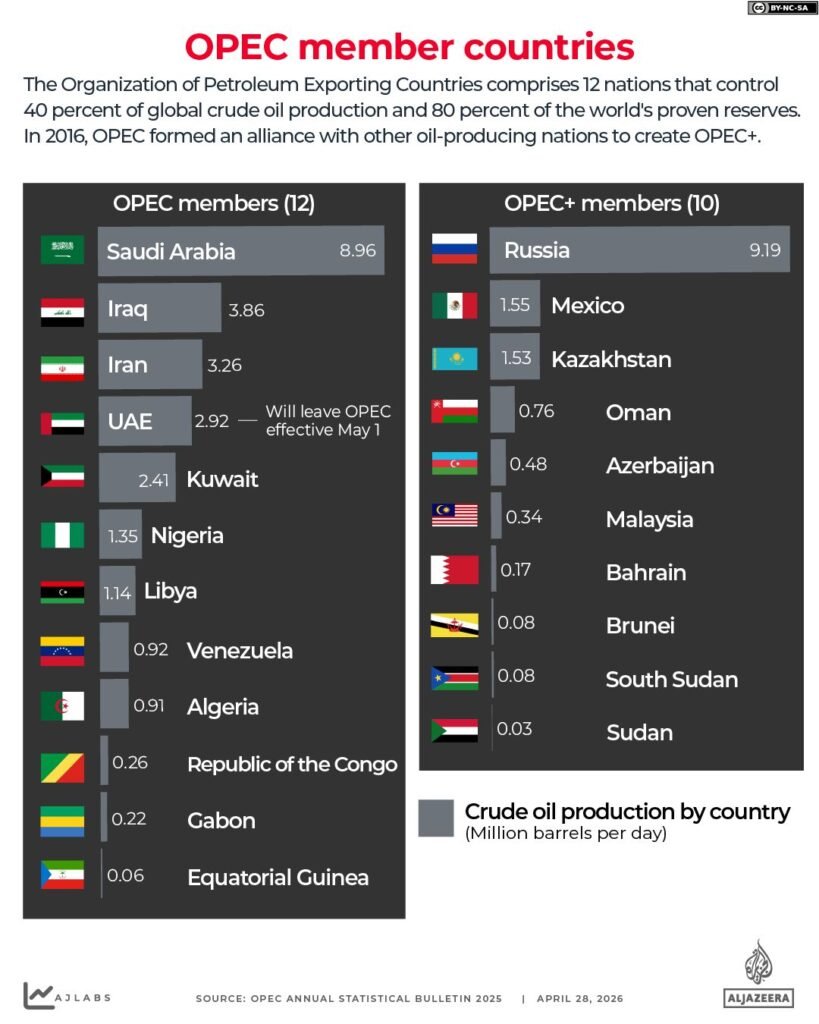
    The latest drone strikes on oil facilities in Kuwait and ongoing threats to Iran’s energy infrastructure have disrupted a critical portion of the world’s oil supply. Analysts estimate that nearly 15% of global oil output could be temporarily affected, as OPEC+ struggles to compensate through increased production. While these events unfold in the Middle East, their consequences cascade rapidly across the globe.

    Asia, heavily reliant on imported energy from the region, is among the first to feel the impact. Countries in Southeast Asia, including Malaysia, Indonesia, and the Philippines, are experiencing fuel shortages, supply delays, and rising prices. In some cases, governments are under pressure to maintain subsidies, but even these measures offer only temporary relief. Families notice it immediately, the cost of transportation rises, food prices increase as logistics costs soar, and household budgets tighten.

    This brings us to a crucial point, the link between global policy decisions and local consequences. The policies and actions of a single superpower, the United States, in shaping foreign military strategy have indirect but very real economic consequences for communities in Asia. Decisions to escalate or intervene, whether politically motivated or strategic, set off a chain reaction. Oil supply disruptions in the Middle East translate into higher energy prices, which in turn raise the cost of living for ordinary people thousands of miles away.

    The pattern is clear. Crises originating far from Asia are felt first and hardest by populations with the least control over the circumstances. While these geopolitical events may generate headlines in the U.S. and Europe, the economic burden is disproportionately carried by those in Asia, particularly the middle and lower-income households.

    It is not just about fuel. The surge in energy prices triggers broader inflation. Rising logistics costs affect the price of basic goods, fertilizers for agriculture, and electricity. Even industries pivoting to alternative energy sources, such as solar or wind, face constraints due to immediate shortages of oil and gas. What begins as a geopolitical risk quickly transforms into a systemic challenge that touches nearly every aspect of daily life in Southeast Asia.

    For the people of the region, the lesson is both urgent and practical. Understanding global supply chains and energy markets is no longer optional, it is essential. Households may need to adjust budgets, consider energy-efficient alternatives, and explore additional sources of income. Businesses and policymakers, too, must anticipate the cascading effects of distant conflicts on local economies, preparing strategies that mitigate the shock for their communities.

    Ultimately, this crisis illustrates a simple truth. In an interconnected world, no economy is an island. Actions taken by powerful nations, even thousands of miles away, have direct consequences for ordinary lives elsewhere. Recognizing these links allows Asia to navigate turbulent times more wisely. While decisions in Washington or Tehran may seem remote, their economic echoes resonate in the markets, shops, and homes of Southeast Asia every single day.

    Asia pays the price, not for the decisions it makes, but for the risks others take. Awareness, adaptability, and proactive planning are the only tools available to shield communities from the full brunt of this global energy shock.

  • Power Shock: A Silent Surge in Global Electricity Prices Sparks Fear Across Continents

    Power Shock: A Silent Surge in Global Electricity Prices Sparks Fear Across Continents

    5 April 2026

    As households switch on their lights and industries power up their machines, a quieter crisis is unfolding worldwide electricity costs are climbing, and the ripple effects are being felt from Europe to Asia. What was once a gradual increase has now turned into a sharp and unsettling surge, driven by geopolitical tensions, rising demand, and fragile energy systems.

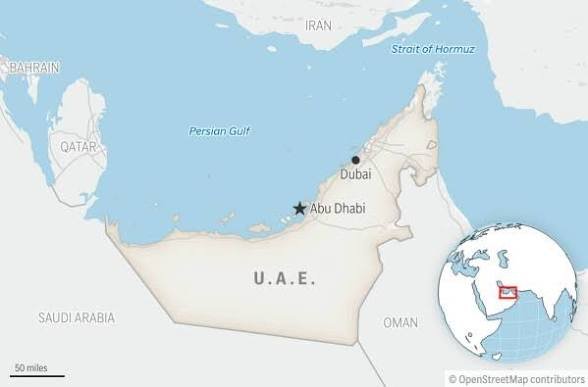
    In parts of Europe, the situation has become increasingly tense. Countries like Germany and France are facing renewed pressure on their energy grids as natural gas prices fluctuate amid ongoing global instability. The shadow of the Strait of Hormuz looms large, where any disruption threatens to choke off critical fuel supplies. Analysts warn that even minor escalations in the Middle East could send electricity tariffs soaring further, particularly in nations still reliant on gas-fired power.

    In United Kingdom, energy bills have already strained households, with regulators cautiously adjusting price caps to reflect rising wholesale costs. Meanwhile, Eastern European nations, still rebuilding energy resilience, are experiencing volatile pricing that has left consumers uncertain about what their next bill might look like.

    Across Asia, the story is no less alarming. In Japan, heavy dependence on imported fuel has made electricity prices highly sensitive to global market swings. Utility companies have warned of further increases as demand rises with the summer heat. Similarly, South Korea is grappling with higher generation costs, forcing policymakers to weigh the political risks of raising tariffs against the financial strain on energy providers.

    In Southeast Asia, countries like Thailand and Indonesia are also beginning to feel the pressure. While some governments continue to shield consumers through subsidies, experts caution that such measures may not be sustainable if global fuel prices remain elevated.

    In Malaysia, the impact is more subtle but no less significant. The government has long relied on subsidies to stabilize electricity prices, helping households avoid sudden spikes. However, energy analysts warn that rising global fuel costs, particularly for liquefied natural gas, could eventually force adjustments. National utility Tenaga Nasional Berhad has already highlighted increasing generation costs, raising concerns that tariff reviews may become unavoidable if external pressures persist. For now, Malaysians remain partially shielded but the question lingers: for how long?

    Behind the surge lies a complex web of causes. The rapid expansion of energy-hungry technologies from artificial intelligence to electric vehicles has significantly increased electricity demand. At the same time, aging infrastructure in many countries requires urgent upgrades, costs that are often passed on to consumers. Climate change adds another layer of uncertainty, with extreme weather events damaging power systems and increasing reliance on cooling and heating.

    Even the global push toward renewable energy, while essential for long-term sustainability, is contributing to short-term cost pressures. Building new solar and wind capacity and upgrading grids to support them requires massive investment. Until those systems are fully operational and efficient, consumers are likely to bear the financial burden.

    Energy economists warn that this could mark the beginning of a prolonged period of volatility. “We are entering an era where electricity is no longer taken for granted as a stable, low-cost utility,” one analyst noted. “Instead, it is becoming a strategic resource shaped by global events.”

    For millions of households and businesses, the question is no longer whether prices will rise but how high they will go, and how long the surge will last.

  • Stablecoin as a Silent Force in the Contest for Global Financial Influence

    Stablecoin as a Silent Force in the Contest for Global Financial Influence

    5 April 2026

    The rise of Stablecoin marks a turning point in how value moves across borders. Once seen as a technical layer within the cryptocurrency ecosystem, stablecoins have evolved into instruments with real economic weight. Their growing role in global finance is no longer just about efficiency or innovation. It is increasingly tied to questions of monetary control, geopolitical influence, and systemic risk.

    At their core, stablecoins derive their appeal from price stability. Assets such as Tether and USD Coin are designed to maintain a fixed value, typically pegged to the US dollar. This stability allows them to function as a bridge between traditional finance and digital markets. For users operating in volatile economies or under restrictive banking systems, stablecoins offer access to a dollar-equivalent asset without relying on domestic financial institutions. This alone has driven rapid adoption in regions facing currency depreciation or capital controls.

    Yet the true significance of stablecoins lies beyond their utility as a store of value. They are increasingly embedded in the flow of global capital. Cross-border payments, remittances, and even informal trade settlements are beginning to shift toward blockchain-based transfers. In many cases, stablecoins are not just replacing inefficiencies in the system but reshaping the system itself. Transactions that once depended on intermediaries and legacy infrastructure can now be executed directly, faster and often at lower cost. This shift is subtle but profound, as it redistributes financial access and influence away from traditional gatekeepers.

    From an investment perspective, the opportunities tied to stablecoins are often misunderstood. The narrative tends to focus on yield generation through lending or decentralized finance platforms. While these avenues do offer returns that exceed traditional savings instruments, they are not without risk. More importantly, they represent only one layer of opportunity. The deeper advantage lies in understanding where and why demand for stablecoins is growing. Markets with limited access to stable currencies tend to exhibit stronger demand, creating pricing inefficiencies and liquidity gaps that informed participants can exploit.

    However, these opportunities are inseparable from structural risks. One of the most critical concerns is the credibility of reserves backing major stablecoins. The assumption that each token is fully supported by liquid assets remains a point of scrutiny. In times of market stress, confidence becomes the determining factor. A sudden loss of trust can trigger rapid redemptions, effectively creating a digital version of a bank run. The collapse of TerraUSD demonstrated how quickly stability can unravel when underlying mechanisms fail, leaving investors exposed to severe losses.

    Beyond market dynamics, stablecoins are now entangled in geopolitical considerations. Their widespread use reinforces the global reach of the US Dollar, even outside the formal banking system. This creates a paradox. On one hand, stablecoins extend the influence of dollar-based finance into new digital territories. On the other hand, they operate beyond direct regulatory oversight, raising concerns among policymakers. In response, governments are accelerating the development of sovereign digital currencies, such as the Digital Yuan, in an effort to retain control over monetary systems and payment infrastructures.

    For individuals and institutions navigating this landscape, the key question is not whether stablecoins are safe, but how they fit within a broader financial strategy. Passive holding may provide short-term convenience, but it does not capture the full scope of their impact. Those who approach stablecoins as part of a larger network of capital flows, regulatory shifts, and geopolitical competition are better positioned to identify both opportunities and risks.

    In essence, stablecoins are no longer a peripheral innovation. They represent a structural shift in global finance, one that operates quietly yet carries significant implications. As their adoption expands, so too does their influence over how money is stored, transferred, and controlled. Understanding this shift requires more than technical knowledge. It demands an awareness of the evolving balance of power in the global financial system, where stablecoins are emerging as a silent but consequential force.

  • Rising Food Prices Amid Middle East Conflict: Market Analysis and Business Implications

    Rising Food Prices Amid Middle East Conflict: Market Analysis and Business Implications

    4 April 2026

    Global food prices surged in March 2026 due to the ongoing conflict in the Middle East, according to the United Nations Food and Agriculture Organization (FAO). Higher energy costs, disruptions in fertilizer supply, and rising transportation expenses have driven inflation in staples such as wheat, sugar, and vegetable oil. For businesses and investors, these developments are not just headlines but signals of risks and opportunities across commodities, equities, and currencies.

    Commodities Impact

    The most immediate effect is seen in food and energy commodities. Wheat and sugar prices jumped significantly, and vegetable oil increased by around five percent in March alone. Crude oil, closely linked to both fertilizer production and transportation, climbed above $110 per barrel due to supply concerns in the Strait of Hormuz. Energy and agribusiness companies are positioned to benefit from these trends. Traders can take long positions in food staples experiencing supply constraints or hedge to manage exposure.

    Businesses that rely on food inputs face immediate cost pressures. Manufacturers, retailers, and foodservice operators experience higher production costs. Companies that fail to adjust pricing or hedge input costs risk margin compression. Those that anticipate the spike can secure long-term contracts or use futures markets to stabilize costs and protect profitability.

    Equities Outlook

    Stock markets respond unevenly to these pressures. Agribusiness and fertilizer companies are clear beneficiaries, while consumer-facing businesses such as grocers and restaurants face challenges from rising input costs. Energy stocks benefit indirectly from higher oil prices, and investors are rotating capital toward sectors with strong pricing power or commodity-linked revenues.

    Globally, equities show cautious resilience. Despite elevated energy costs and geopolitical uncertainty, markets are balancing growth expectations with inflation concerns. Sector selection and timing become critical for traders and portfolio managers navigating this environment.

    Currency and Foreign Exchange Considerations

    Currency markets are affected as well. Currencies of oil-exporting nations, such as the Canadian dollar and Norwegian krone, strengthen due to rising energy revenues. Import-reliant economies may experience depreciation as import bills for food and energy grow. Emerging markets that depend heavily on imported staples are particularly vulnerable, and central banks may adjust interest rates to stabilize their currencies.

    For businesses engaged in international trade, hedging currency exposure is essential. Companies importing food or energy products should consider forward contracts to mitigate FX risk. Exporters can explore pricing strategies to offset potential local currency fluctuations.

    Strategic Business Implications

    Beyond immediate market movements, the price spikes have broader macroeconomic consequences. Rising food and energy costs contribute to global inflation and influence central bank policy, which in turn affects borrowing costs. Supply chain disruptions from conflict-related transport issues and higher input prices are prompting companies to reassess sourcing strategies, inventory management, and operational efficiency.

    Opportunities exist for those positioned to benefit from this environment. Long positions in agribusiness, fertilizer, and energy stocks are attractive. Commodity hedging in food staples and oil can protect against volatility. FX hedging in vulnerable markets is advisable. Risks are clear for businesses exposed to rising input costs, currency fluctuations, and supply chain interruptions. Strategic planning, scenario analysis, and proactive risk management are essential to navigate this environment successfully.

    Conclusion

    The Middle East conflict has transformed a supply and energy shock into a multidimensional market event. For businessmen and investors, the implications extend across commodities, equities, and currencies, presenting both opportunities and challenges. Companies that act strategically through hedging, sector selection, and operational adjustments can mitigate downside risks and capitalize on market movements. The spike in food prices is not merely an inflation story. It signals the need for the global business community to reassess vulnerabilities and seize opportunities in a rapidly changing geopolitical and economic landscape.

  • Navigating Volatility: Risks and Opportunities in Global and Malaysian Stock Markets

    Navigating Volatility: Risks and Opportunities in Global and Malaysian Stock Markets

    3 April 2026

    Global and Malaysian stock markets are facing heightened uncertainty, driven by geopolitical tensions, rising oil prices, and shifts in investor sentiment. Recent developments in the Middle East have pushed Brent and WTI crude oil prices above USD 110 per barrel, creating pressure on equity markets across Asia, Europe, and the U.S. Companies in energy-intensive sectors face tighter margins, while market volatility has increased, signaling risks for short-term investors.

    At the same time, retail investors are taking profits from blue-chip stocks and turning attention to undervalued or rebound-potential companies. This shift from momentum-driven strategies to value-focused approaches opens opportunities for investors seeking long-term gains. Although April has historically been a positive month for equities, this year seasonal trends offer no guarantee, as geopolitical and economic uncertainties continue to influence market performance.

    Despite these challenges, opportunities exist for strategic investors. Buying quality stocks during market dips can generate attractive returns, particularly in sectors with strong cash flow or stable dividends. Markets also tend to rebound once geopolitical tensions ease, offering potential upside for tech and export-oriented companies.

    In Malaysia, the FBM KLCI is affected by global capital flows and commodity prices, but defensive sectors such as banking and consumer staples remain relatively resilient. Business investors are advised to monitor oil and commodity prices, diversify across sectors, and consider quarterly earnings reports as a guide to company performance.

    Overall, the current market environment requires careful analysis and disciplined risk management. Investors who combine fundamental research with strategic diversification may find opportunities to benefit from volatility while mitigating potential losses.

  • Europe Faces a New Energy Pressures Middle East Tensions Rise

    Europe Faces a New Energy Pressures Middle East Tensions Rise

    2 April 2026

    The latest warning from the International Energy Agency has placed Europe back into a familiar but uncomfortable position. According to the agency, disruptions to oil supply from the Middle East are expected to begin affecting European markets as early as April. While energy shocks are not new to the region, the current situation carries a different weight, shaped by geopolitical instability and an increasingly fragile global supply chain.

    At the core of the issue lies rising tension around Iran and the strategic importance of the Strait Hormuz. This narrow passage remains one of the most critical routes for global oil transportation. Any disruption, whether through direct conflict or heightened security risks, has immediate consequences for supply flow. Markets tend to react quickly to such risks, often driving prices higher even before physical shortages are fully realized.

    For Europe, the timing could not be more challenging. Since the onset of the Rusia-Ukraine War, European nations have actively reduced their reliance on Russian energy. This strategic shift was necessary from a political standpoint, but it also reshaped the region’s energy dependencies. In place of Russian supply, Europe turned more heavily toward imports from the Middle East and other distant producers, increasing reliance on maritime routes that are now under pressure.

    This shift has introduced a new layer of vulnerability. Unlike pipeline based supply, seaborne oil is more exposed to geopolitical risk, logistical delays, and rising transportation costs. As tensions escalate in key regions, the cost of insuring shipments increases, shipping routes become less predictable, and overall supply tightens. For European economies that are still recovering from inflationary pressure, this creates a renewed risk of energy driven price increases.

    The immediate impact is likely to be felt through higher oil prices. Even modest disruptions can push markets upward, particularly in an environment where spare capacity is limited. Higher energy costs will inevitably feed into inflation, affecting everything from industrial production to household expenses. For policymakers, this presents a difficult balancing act between controlling inflation and supporting economic growth.

    Beyond the short term, the situation raises broader questions about Europe’s energy resilience. While significant progress has been made in expanding renewable energy, the transition is still ongoing. Oil and gas remain essential components of the energy mix, particularly for transportation and heavy industry. This means that external shocks, especially those driven by geopolitical conflict, continue to have a strong influence on economic stability.

    On a global scale, the effects are unlikely to remain contained within Europe. Energy markets are deeply interconnected, and disruptions in one region tend to ripple across the world. Emerging economies may face increased import costs, while financial markets could see heightened volatility as investors react to shifting risk conditions. In this environment, uncertainty becomes a dominant theme.

    What distinguishes the current situation is its underlying cause. This is not a typical market imbalance driven by supply and demand cycles. Instead, it is a geopolitical shock, shaped by conflict, strategic interests, and regional instability. Such disruptions are often unpredictable and can persist longer than expected, making them more difficult to manage.

    The warning from the IEA should therefore be viewed as more than a short term alert. It reflects a deeper structural challenge within the global energy system, where security and stability can no longer be taken for granted. For Europe, the coming weeks will test not only its supply chains, but also its ability to navigate an increasingly uncertain energy landscape.