13 April 2026
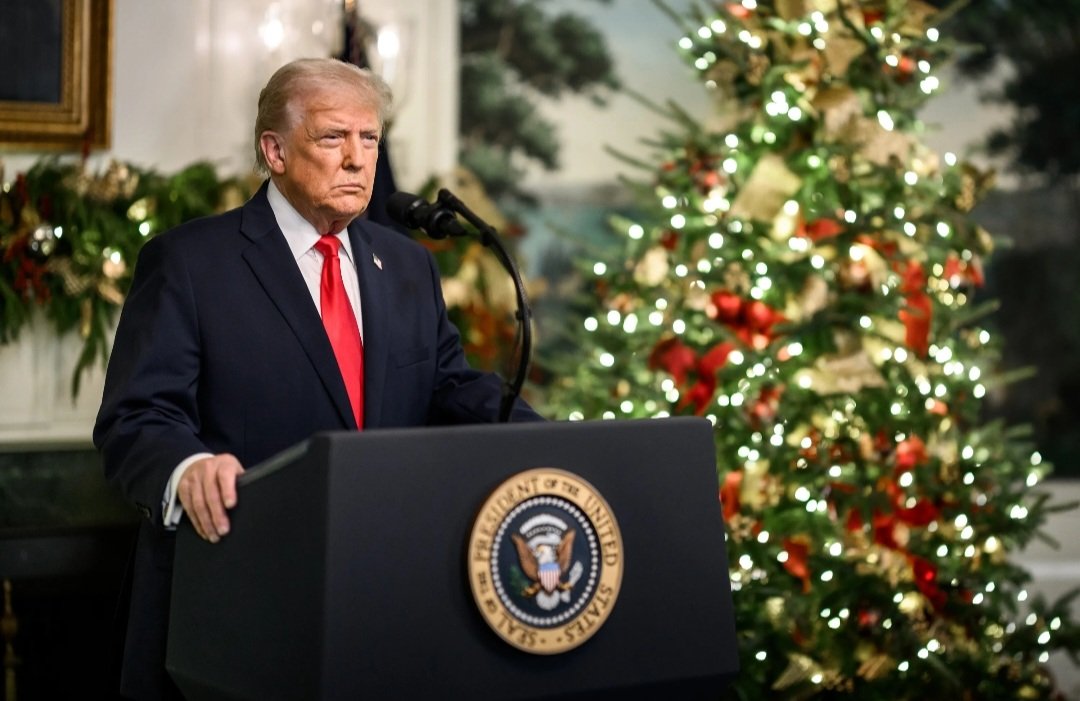
In the current geopolitical landscape, few leaders demonstrate the direct connection between politics and financial markets as clearly as Donald Trump. His latest moves, from escalating tensions in the Middle East to openly challenging long-standing alliances, have once again shown how fragile and reactive the global system has become.
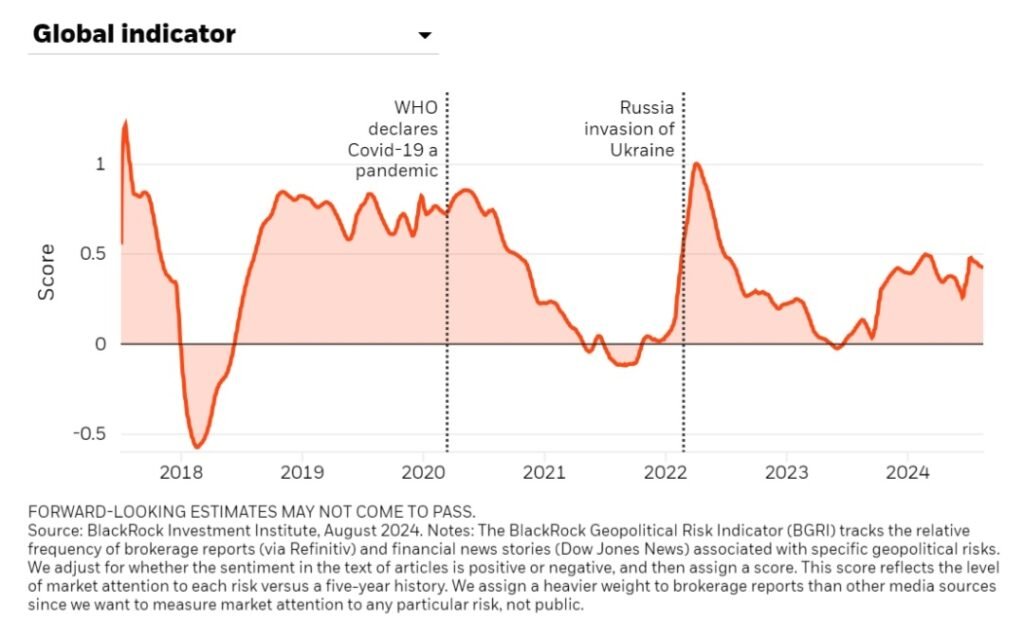
The immediate reaction is familiar. Oil prices surge on fears of conflict. Equity markets hesitate under uncertainty. Investors shift capital into safer assets. These are not new patterns. What is different today is the speed and intensity at which these reactions occur. A single policy announcement or geopolitical threat can ripple across continents within hours, reshaping market sentiment in real time.
This reflects a deeper transformation. Global markets are no longer driven purely by economic indicators such as earnings, inflation, or interest rates. They are increasingly shaped by political decisions and strategic power plays. Trump’s approach to leadership, which often combines unpredictability with aggressive positioning, amplifies this effect. Markets are not just reacting to policy outcomes. They are reacting to the possibility of disruption.
One of the clearest lessons from this situation is that volatility is no longer an exception. It has become the environment itself. In previous decades, instability was often tied to isolated crises. Today, it is embedded within the system. Trade tensions, military threats, and diplomatic breakdowns occur alongside economic growth, not separate from it. This creates a market that can rise and fall within the same narrative cycle.
For investors, this introduces a new kind of challenge. Traditional strategies built on long-term stability and predictable cycles are increasingly tested. A portfolio that performs well under stable conditions may struggle when exposed to sudden geopolitical shocks. At the same time, those who understand how to navigate volatility can find significant opportunities. Energy, defense, and commodities often benefit during periods of tension, while broader indices may fluctuate.
Another important shift lies in the structure of globalization itself. For decades, global markets relied on cooperation between major powers, supported by trade agreements and military alliances. When leaders begin to question or weaken these frameworks, the impact goes beyond politics. It affects supply chains, capital flows, and long-term investment confidence. Countries start to rethink dependencies, diversify partnerships, and prioritize national interests over collective stability.
This does not mean globalization is ending. It means it is evolving into a more fragmented and competitive system. Instead of a single interconnected market, the world may move toward regional blocs with distinct economic and strategic priorities. This transition introduces both risk and opportunity, depending on how quickly institutions and investors adapt.
At the center of all this is a fundamental paradox. The same actions that create uncertainty can also generate growth. Pro-business policies and strong domestic focus can boost corporate performance and attract investment. At the same time, geopolitical tension increases the likelihood of disruption. Growth and risk are no longer separate forces. They exist together, often driven by the same decisions.
The key takeaway is not about agreeing or disagreeing with any particular leader. It is about understanding the environment that is being shaped. Markets today reward those who are adaptable, informed, and aware of the broader geopolitical context. The ability to respond to change has become more valuable than the ability to predict stability.
What we are witnessing is not a temporary phase. It is a shift in how the global system operates. Power, perception, and rapid decision-making now play a central role in shaping economic outcomes. For those observing closely, the message is clear. The rules of the market have not disappeared. They have changed, and those who fail to recognize this shift risk being left behind.
Leave a Reply