8 April 2026
A short two-week ceasefire between Iran and the United States has started, giving civilians and the world a brief break from the recent fighting. The pause was made possible thanks to mediation by Pakistan, which played a key role in bringing both sides to the table.
The fighting had escalated in the past month, with missile strikes and air raids, raising fears of a wider war in the region. One of the most serious issues was Iran’s threat to block the Strait of Hormuz, a narrow channel through which nearly 20% of the world’s oil passes. Any prolonged closure could have caused global fuel shortages and higher prices.
Under the ceasefire agreement, Iran has agreed to temporarily allow safe passage through the Strait of Hormuz, while the U.S. and Israel will stop offensive military actions for 14 days. The pause also creates space for urgent talks aimed at a longer-term solution.
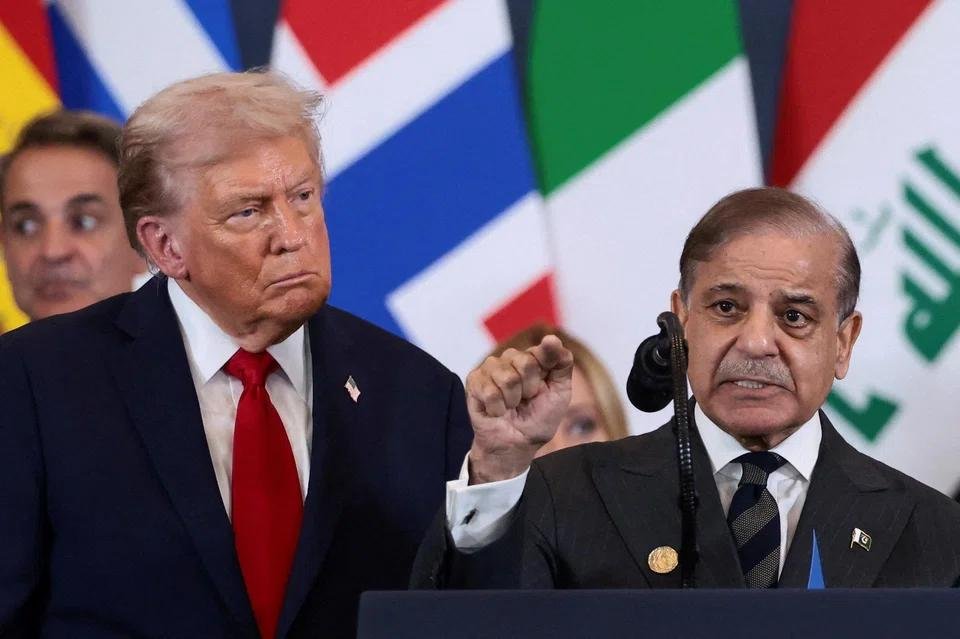
Pakistan’s involvement was crucial. Prime Minister Shehbaz Sharif urged both sides to act peacefully. He said, “We encourage both Iran and the United States to use this two-week pause to work toward lasting peace and prevent further bloodshed.” Pakistani mediators helped share proposals between Tehran and Washington, allowing both sides to agree on the temporary halt.
U.S. President Donald Trump explained the reasoning behind the ceasefire. “We are suspending attacks for two weeks to give diplomacy a chance. We hope Iran will cooperate and avoid further escalation,” he said.
Iranian officials also welcomed the pause but emphasized it is only temporary. A senior official in Tehran told reporters, “We view this ceasefire as a necessary pause. Our goal remains a permanent end to the conflict, not just a short break.”
Even though the ceasefire has begun, some tension remains. Minor clashes were reported in the first hours, showing how fragile the agreement is. Experts say the two-week period is mainly a test to see if both sides can stick to the agreement before serious talks continue.
For civilians in the region, the pause brings relief. Aid groups are preparing to deliver food, medicine, and other help to people affected by the fighting.
The world is watching closely to see if the ceasefire holds. If it works, it could lead to longer negotiations and a more permanent peace. If it fails, fighting could resume even more intensely. Pakistan’s role shows the importance of mediation in resolving conflicts, and for now, its efforts have bought a small but important window of calm.
Leave a Reply