Category: human-interest

  • Easter Church Attack Highlights Escalating Wave of Violence Across Nigeria

    Easter Church Attack Highlights Escalating Wave of Violence Across Nigeria

    Kaduna, 7 April 2026

    A deadly attack on a church during Easter celebrations has underscored a growing security crisis in Nigeria, where a surge of coordinated violence this month has left dozens dead and communities on edge.

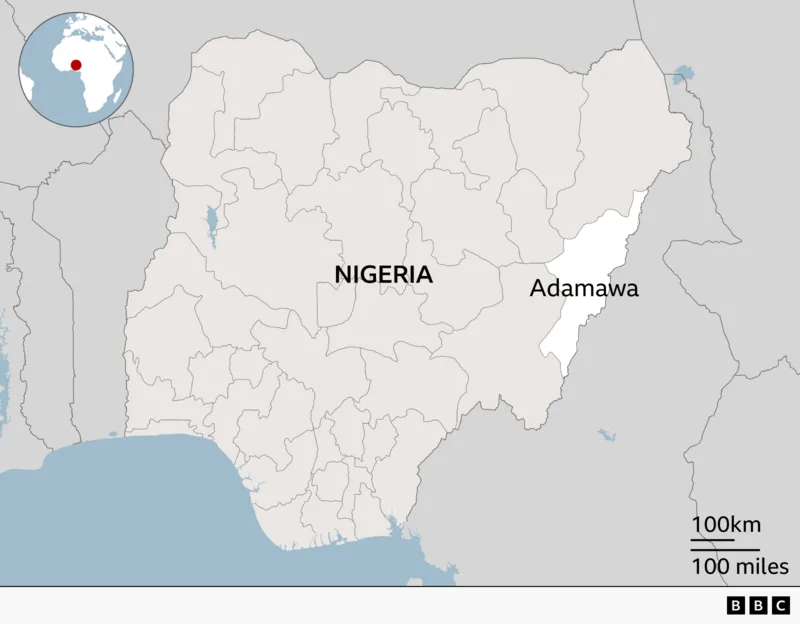
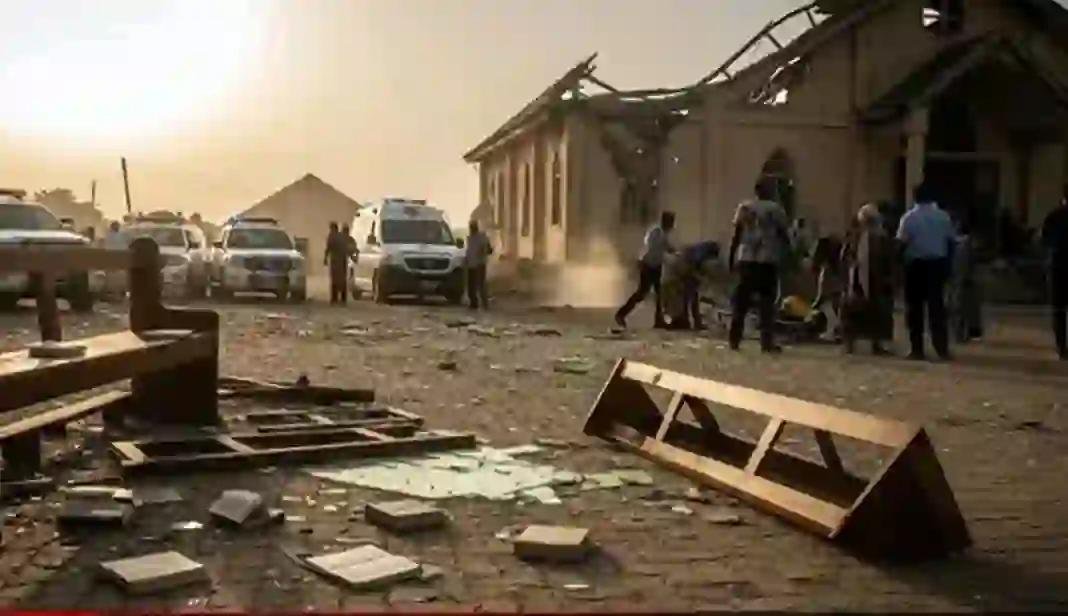
    On April 6, 2026 (Easter Sunday), gunmen stormed a church in Kaduna State during a morning service, killing at least five worshippers and abducting several others. According to Nigerian military officials, troops later rescued 31 hostages after launching a pursuit operation into nearby forested areas.

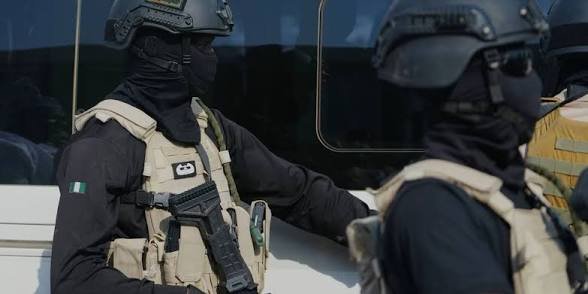
    The assault in Kaduna was not an isolated incident. Between April 5 and April 7, 2026, a series of coordinated attacks unfolded across multiple regions. Authorities report that at least 26 people were killed during this period. In Benue State on April 5, armed attackers raided a rural community, killing at least 17 civilians. A day later, on April 6, another group targeted a police facility in Borno State, resulting in the deaths of several officers.

    The timing of the Kaduna church attack on one of the most important days in the Christian calendar has heightened concerns. Churches in northern Nigeria have increasingly been targeted during major religious gatherings, when attendance is high and security is often limited. Earlier in the year, on February 18, 2026, more than 170 worshippers were reportedly abducted during coordinated raids on churches in Kaduna State, pointing to a disturbing pattern.

    While some observers interpret the Easter attack as part of a broader campaign against Christian communities, Nigerian authorities insist the situation is more complex. Officials cite a combination of armed banditry, extremist insurgency, and long-standing communal tensions between farmers and herders as key drivers of the violence.

    Kaduna State, in particular, has become a flashpoint due to its mix of ethnic and religious populations. Armed groups including jihadist factions linked to the Islamic State as well as heavily armed criminal gangs operate across its rural areas, frequently launching raids on villages, highways, and places of worship.

    The April violence also follows earlier deadly incidents. On March 28, 2026, gunmen attacked a village in north-central Nigeria, killing dozens in what authorities described as a reprisal linked to local conflicts. In another case, on February 10, 2026, a Catholic priest was kidnapped in Kaduna, further highlighting the persistent insecurity in the region.

    Despite ongoing military operations, critics say the government has struggled to contain the crisis. Response times in remote areas remain slow, allowing attackers to strike and retreat with little resistance. Security forces have stepped up patrols in recent days, but many communities say they continue to feel vulnerable.

    Religious leaders have called for stronger protection, particularly during major holidays. “Our communities are living in fear,” one church official said following the Easter attack, urging authorities to deploy more personnel to safeguard places of worship.

    The Nigerian government maintains that the violence is not exclusively religious, noting that both Muslim and Christian communities have been affected. However, the Easter Sunday attack has intensified fears that religious gatherings are becoming increasingly attractive targets.

    As Nigeria confronts overlapping threats from terrorism to organized crime the events of April 5–7, 2026, culminating in the April 6 Easter church attack, serve as a stark reminder of the country’s fragile security situation. Without significant improvements, analysts warn, such coordinated violence may continue to escalate in the months ahead.

  • Gunfire Erupts Outside Israeli Consulate in Istanbul, Highlighting Rising Regional Tensions

    Gunfire Erupts Outside Israeli Consulate in Istanbul, Highlighting Rising Regional Tensions

    Istanbul, April 7 2026

    A violent gun attack outside the Israeli consulate in Istanbul on Tuesday has intensified concerns over the growing spillover of Middle East tensions into international cities. The incident, which involved multiple armed assailants, ended in a brief but intense shootout with Turkish security forces, leaving at least one attacker dead and several others injured.

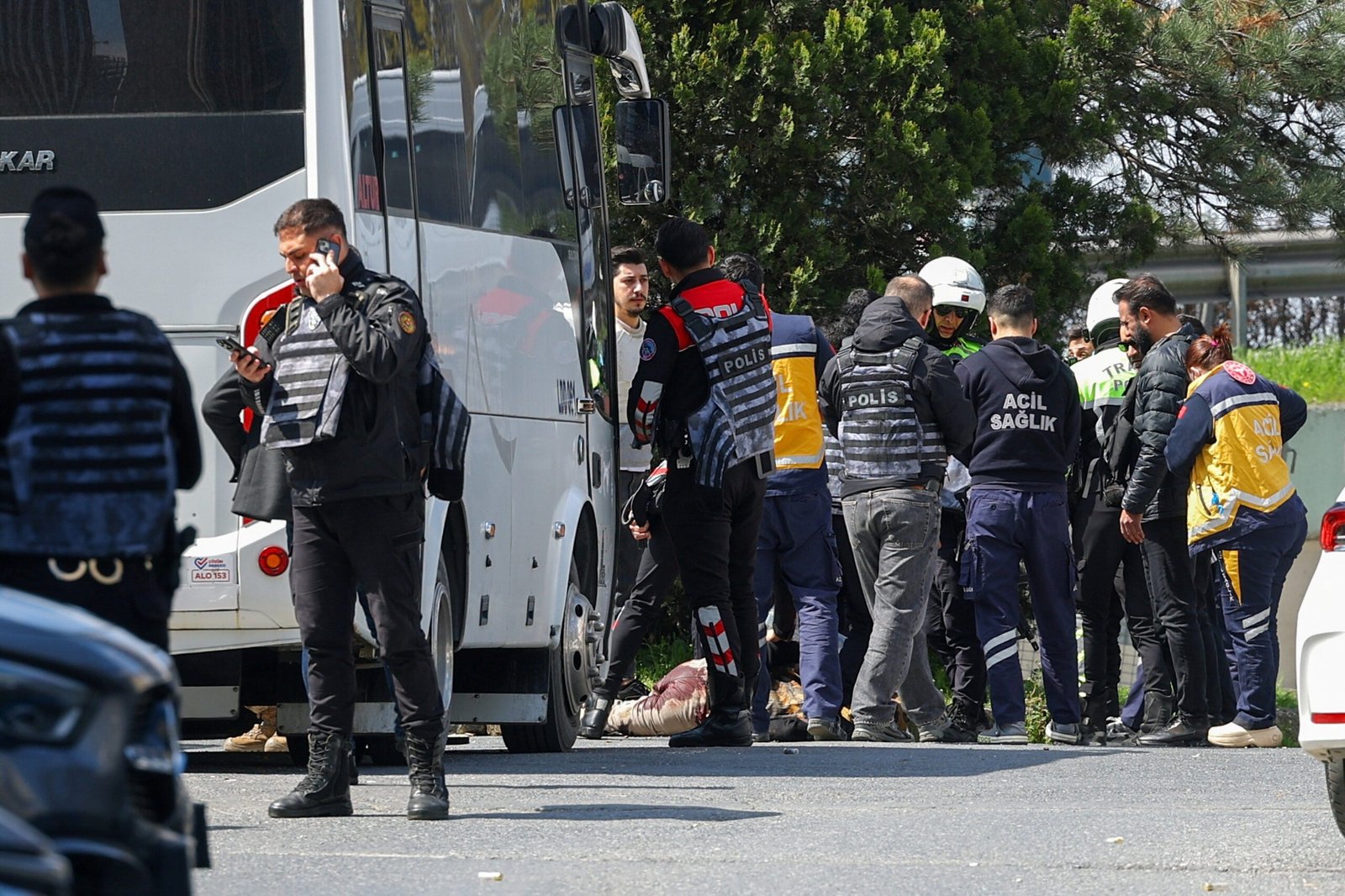
    According to Turkish authorities, three gunmen approached the vicinity of the Israeli diplomatic mission during the afternoon hours and opened fire, triggering panic in the busy commercial district. Police stationed near the consulate responded immediately, engaging the attackers in a firefight that lasted several minutes. Witnesses described scenes of chaos as gunshots rang out, forcing nearby personnel and pedestrians to take cover.

    Officials confirmed that at least one of the attackers was killed during the exchange, while others were either wounded or apprehended. Two Turkish police officers sustained injuries but are reported to be in stable condition. Security forces quickly sealed off the area, launching a broader investigation into the motives and affiliations of the attackers.

    The Israeli consulate itself was not breached, and no diplomatic staff were harmed. Reports indicate that Israeli personnel had already reduced their presence at the site due to heightened security concerns in recent weeks, a precaution linked to escalating geopolitical tensions.

    Preliminary findings suggest that the attackers may have been linked to an extremist network. Turkish officials stated that the suspects were associated with a group known for “exploiting religious sentiments,” though no specific organization has been publicly identified. Local media reports also indicated that at least two of the suspects were related and had traveled from outside the city prior to the attack.

    The incident comes at a time of heightened instability in the region, particularly amid the ongoing friction tied to the broader Israel–Iran conflict. Analysts warn that such attacks could represent a dangerous trend, where regional conflicts increasingly manifest beyond their immediate borders.

    Israel’s government swiftly condemned the attack, praising Turkish authorities for their rapid response in neutralizing the threat. In a brief statement, officials emphasized that acts of violence against diplomatic missions would not deter their operations globally.

    Meanwhile, Turkish authorities have pledged to strengthen security around foreign missions and continue their investigation to uncover any wider network involved. “We will not allow our country to become a stage for international provocations,” a senior security official said.

    As investigations continue, the shooting underscores the fragile security environment surrounding diplomatic sites worldwide. Experts caution that as geopolitical rivalries intensify, such incidents may become more frequent, raising the stakes for both host nations and foreign missions operating within their borders.

  • World Health Day 2026 Marks a Moment to Reflect on Global Wellbeing

    World Health Day 2026 Marks a Moment to Reflect on Global Wellbeing

    Every year, the world pauses to recognize the vital importance of health and wellbeing through World Health Day, and 2026 is no exception. This observance is not merely a reminder of the challenges humanity faces in maintaining good health but a call to action for governments, organizations, and individuals alike. The theme of this year emphasizes the critical need to understand health beyond just the absence of illness, encouraging everyone to take ownership of their wellbeing and the wellbeing of communities around them.

    World Health Day has a history that stretches back to 1948, when the World Health Organization was founded. From that point, April 7 became a global moment to spotlight pressing health issues, whether they be infectious diseases, mental health, or emerging health threats. Each year, the theme reflects the most urgent global concern, and 2026 focuses on raising awareness and empowering people with knowledge. Understanding health in its full scope allows societies to design better systems, respond to crises more effectively, and foster environments where people can thrive physically, mentally, and socially.

    The significance of World Health Day cannot be overstated. Beyond being a symbolic occasion, it serves as a barometer for how societies prioritize health. When governments invest in health education, universal access to care, and preventive measures, the ripple effects extend to economic stability and social cohesion. Knowledge about health empowers people to make informed choices, reducing preventable illnesses and improving overall quality of life. In this context, the 2026 theme resonates strongly, urging individuals to recognize that health is not passive but a continuous commitment that requires awareness, action, and community support.

    Celebration of World Health Day also brings attention to disparities in health access around the globe. While some communities benefit from advanced medical care and robust public health systems, others remain vulnerable due to lack of resources, infrastructure, or information. Highlighting these gaps is not about creating guilt but about fostering global solidarity and encouraging policy changes that make healthcare accessible to all. It reminds us that health is a collective responsibility, and informed citizens play a crucial role in advocating for equity and better public health policies.

    From a journalistic perspective, observing World Health Day is an opportunity to report on progress, highlight ongoing challenges, and inspire action. Stories of innovation, community programs, and personal health journeys offer insight into how individuals and societies are responding to the call for better health. In an era marked by rapid technological and medical advancements, knowledge becomes the most powerful tool. People who understand health issues are better equipped to engage with policies, participate in preventive measures, and adapt lifestyles that support long-term wellbeing.

    Ultimately, World Health Day 2026 is more than a date on the calendar. It is a reminder that health is dynamic, influenced by personal habits, societal structures, and global trends. It challenges us to reflect on what health means individually and collectively, to recognize the progress made, and to acknowledge the work that still lies ahead. As citizens of a connected world, embracing knowledge, fostering awareness, and taking proactive steps toward health is not just a personal responsibility but a shared mission that can shape a more resilient and compassionate global community.

  • Pakistan Helps Iran and U.S. Agree on Two-Week Ceasefire to Pause Fighting

    Pakistan Helps Iran and U.S. Agree on Two-Week Ceasefire to Pause Fighting

    8 April 2026

    A short two-week ceasefire between Iran and the United States has started, giving civilians and the world a brief break from the recent fighting. The pause was made possible thanks to mediation by Pakistan, which played a key role in bringing both sides to the table.

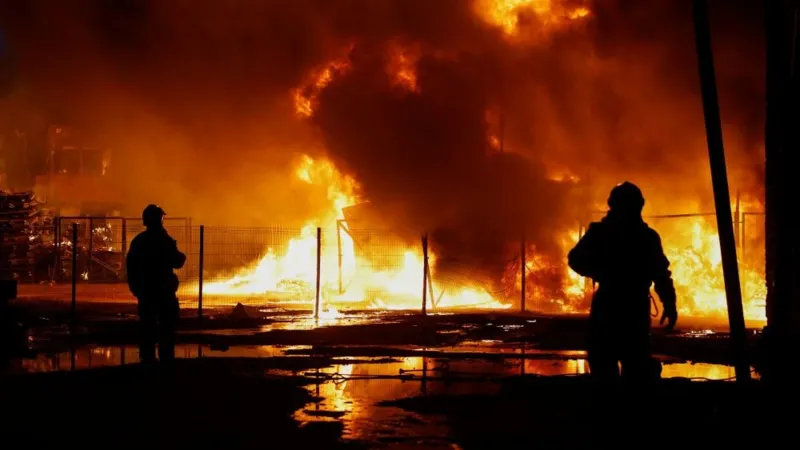
    The fighting had escalated in the past month, with missile strikes and air raids, raising fears of a wider war in the region. One of the most serious issues was Iran’s threat to block the Strait of Hormuz, a narrow channel through which nearly 20% of the world’s oil passes. Any prolonged closure could have caused global fuel shortages and higher prices.

    Under the ceasefire agreement, Iran has agreed to temporarily allow safe passage through the Strait of Hormuz, while the U.S. and Israel will stop offensive military actions for 14 days. The pause also creates space for urgent talks aimed at a longer-term solution.

    Pakistan’s involvement was crucial. Prime Minister Shehbaz Sharif urged both sides to act peacefully. He said, “We encourage both Iran and the United States to use this two-week pause to work toward lasting peace and prevent further bloodshed.” Pakistani mediators helped share proposals between Tehran and Washington, allowing both sides to agree on the temporary halt.

    U.S. President Donald Trump explained the reasoning behind the ceasefire. “We are suspending attacks for two weeks to give diplomacy a chance. We hope Iran will cooperate and avoid further escalation,” he said.

    Iranian officials also welcomed the pause but emphasized it is only temporary. A senior official in Tehran told reporters, “We view this ceasefire as a necessary pause. Our goal remains a permanent end to the conflict, not just a short break.”

    Even though the ceasefire has begun, some tension remains. Minor clashes were reported in the first hours, showing how fragile the agreement is. Experts say the two-week period is mainly a test to see if both sides can stick to the agreement before serious talks continue.

    For civilians in the region, the pause brings relief. Aid groups are preparing to deliver food, medicine, and other help to people affected by the fighting.

    The world is watching closely to see if the ceasefire holds. If it works, it could lead to longer negotiations and a more permanent peace. If it fails, fighting could resume even more intensely. Pakistan’s role shows the importance of mediation in resolving conflicts, and for now, its efforts have bought a small but important window of calm.

  • Boosting Southeast Asia’s Local Economy With Tourism Amid Global Challenges

    Boosting Southeast Asia’s Local Economy With Tourism Amid Global Challenges

    5 April 2026

    The ongoing conflict in the Middle East in early 2026 has had profound implications for the global economy, and Southeast Asia is not immune to these effects. Rising oil prices, disruptions in supply chains, and increased transportation costs have placed significant pressure on households and small businesses throughout the region. Ordinary citizens are facing higher living expenses, from food to fuel, creating real economic challenges. These pressures are particularly concerning for communities that rely on small-scale trade and services, which form the backbone of the local economy.

    In this challenging context, tourism presents a practical solution to support local livelihoods. Malaysia’s Visit Malaysia 2026 (VM2026) campaign is a prime example of a strategic initiative that goes beyond attracting international visitors. The campaign is designed to direct economic benefits to local communities. Tourists contribute directly to local economies by spending on homestays, restaurants, tour guides, local food vendors, handicrafts, and cultural experiences. These activities generate income not only for business owners but also for employees and community members engaged in supporting services.

    Regional collaboration amplifies the impact of tourism. Malaysia’s partnerships with Thailand, China, India, and Singapore help create a larger flow of tourists across Southeast Asia. By promoting the region as a safe and appealing destination, countries ensure that economic benefits extend beyond major metropolitan centers to rural and semi-urban communities. These communities often depend on tourism as a vital source of income, and increased visitor numbers can create opportunities for sustainable employment and small-scale entrepreneurship.

    Sustainable tourism initiatives are playing an increasingly important role. Dedicated funds and programs support small and medium-sized enterprises, allowing communities to earn income while preserving cultural heritage and the natural environment. Investments in eco-tourism and community-led projects not only create jobs but also encourage responsible travel practices that ensure long-term benefits for local populations.

    The Malaysian government has further strengthened tourism’s economic impact by collaborating with FINAS, leveraging the creative and film industries to attract international visitors. This collaboration allows Malaysia to showcase its culture, natural beauty, and creative talent to a global audience, enhancing the country’s profile while generating economic opportunities for ordinary citizens. Malaysia aims to welcome 46 million visitors to Kuala Lumpur alone in 2026, as part of the broader Visit Malaysia 2026 strategy. This approach demonstrates a commitment to supporting local economies while ensuring the country remains competitive in a challenging global environment.

    Tourism is more than a leisure activity; it is a powerful tool to revive local economies, generate income opportunities, and strengthen the resilience of communities in Southeast Asia. By promoting international visitation and supporting local businesses, Malaysia and its neighbors can mitigate some of the economic pressures caused by global instability. Thoughtful, strategic tourism not only brings immediate financial relief but also lays the groundwork for long-term prosperity.

    As Southeast Asia navigates these uncertain times, initiatives such as Visit Malaysia 2026 illustrate how tourism can be a force for economic recovery. By channeling the benefits of international travel directly into local communities, countries in the region can support livelihoods, foster entrepreneurship, and enhance the well-being of their citizens. Tourism has the potential to transform challenges into opportunities, ensuring that Southeast Asia remains economically vibrant and resilient despite global challenges.

  • Are Top U.S. Generals Forced Out Over Politics, Not National Security?

    Are Top U.S. Generals Forced Out Over Politics, Not National Security?

    4 April 2026

    Defense Secretary Pete Hegseth has abruptly asked General Randy George, the Chief of Staff of the U.S. Army, to retire immediately as the United States continues its military operations related to the conflict with Iran. Two other senior Army officers, General David Hodne and Major General William Green Jr., were also removed from their posts in what has become one of the most significant leadership shake‑ups amid an active war.

    This move, reported on April 2 and April 3, is unusual because top military commanders are rarely replaced so suddenly during a major conflict. George was appointed as Army chief of staff in 2023 and was expected to serve a full four‑year term before being confronted with an unexpected early retirement.

    The Pentagon has expressed appreciation for General George’s decades of service, but officials have not publicly disclosed a detailed reason for the removals. A Pentagon spokesperson said George “will be retiring from his position as the 41st Chief of Staff of the Army effective immediately.”

    The timing of these changes has fueled speculation and debate. Some analysts note that Defense Secretary Hegseth has pushed a broader strategy of personnel changes since taking office, including the removal of other senior military leaders, as part of efforts to shape the Pentagon in line with the current administration’s security outlook. Reports suggest that Hegseth intends to install leaders who more closely align with his and President Donald Trump’s vision for the Army.

    The removal of a service chief and other senior officers during wartime inevitably raises questions about the relationship between political leadership and military command. The conflict in Iran, now entering its fifth week with no clear end in sight, remains a central focus of U.S. strategic planning. Observers say that changes in senior command while such operations are underway may reflect underlying differences in strategic direction, even if specific disagreements have not been publicly confirmed.

    International attention has also turned to the succession. General Christopher LaNeve, formerly vice chief of staff of the Army and a trusted aide to Hegseth, will serve as acting chief of staff. This rapid elevation of a close associate of the defense secretary highlights how personnel decisions at the Pentagon can shape perceptions of U.S. military priorities on the global stage.

    Critics of the shake‑up argue that replacing senior commanders in the middle of a major conflict could disrupt continuity and strategic coherence, complicate coordination with U.S. allies, and raise questions about whether political considerations are influencing military leadership decisions. Supporters of the actions maintain that civilian leadership has the authority to appoint commanders who reflect the strategic objectives of the administration.

    The sudden retirements of these top officers serve as a reminder that the interface between political direction and military judgment is a sensitive and consequential aspect of national strategy. As the Pentagon navigates both external conflict and internal leadership transitions, the world is watching how these decisions will influence the conduct of the war and the broader image of U.S. military leadership.

  • Eastern Indonesia Hit by Powerful Quake, One Dead as Government Rushes Aid to North Maluku and North Sulawesi

    Eastern Indonesia Hit by Powerful Quake, One Dead as Government Rushes Aid to North Maluku and North Sulawesi

    2 April 2026

    A powerful undersea earthquake measuring between 7.4 and 7.6 magnitude struck eastern Indonesia’s North Maluku and North Sulawesi provinces, rattling communities across the Molucca Sea region and prompting a swift government response to contain damage and ensure public safety.

    The quake, centered near Ternate in the Molucca Sea, caused panic as strong tremors lasting up to 20 seconds sent residents fleeing homes, offices, and places of worship. In Manado and surrounding areas, buildings swayed violently, with some structures sustaining visible cracks and partial collapse. Authorities have confirmed one fatality a 70-year-old woman killed by falling debris along with several injuries, while damage to homes, churches, and a sports facility has been reported. Despite the quake’s strength, officials say destruction remains localized rather than widespread.

    In the immediate aftermath, Indonesia’s disaster mitigation agency, National Disaster Management Agency (BNPB), deployed emergency response teams to the affected provinces. Search and rescue personnel were dispatched to assess damage, assist victims, and ensure no one remained trapped under debris. Medical teams in local hospitals were placed on high alert, treating the injured and preparing for potential aftershock-related emergencies.

    The government also moved quickly to issue tsunami warnings across eastern Indonesia and nearby coastal regions. Although small waves of less than one meter were recorded, the warnings were lifted within hours after authorities confirmed no major tsunami threat. Residents living along coastal areas were still urged to remain cautious as conditions continue to be monitored.

    Indonesia’s meteorological agency, Meteorology, Climatology, and Geophysics Agency (BMKG), has recorded dozens of aftershocks, some exceeding magnitude 5. Officials warned that these tremors could further weaken already damaged structures. As a precaution, residents have been advised to avoid entering compromised buildings and to remain in safer open spaces.

    Emergency shelters have been established across parts of North Maluku and North Sulawesi to house displaced families. Authorities are distributing food supplies, clean water, and essential items while conducting structural inspections to determine which buildings are safe. Schools and several public facilities have also been temporarily closed as a safety measure.

    President Joko Widodo has been briefed on the situation and instructed all relevant agencies to accelerate relief efforts. He emphasized the need for rapid coordination and long-term preparedness, noting Indonesia’s vulnerability to earthquakes due to its position along the Pacific Ring of Fire.

    While the immediate impact appears limited compared to past disasters, officials caution that risks remain due to ongoing aftershocks. Recovery and assessment efforts are expected to continue in the coming days as authorities work to restore normalcy and ensure the safety of affected communities.