22 April 2026
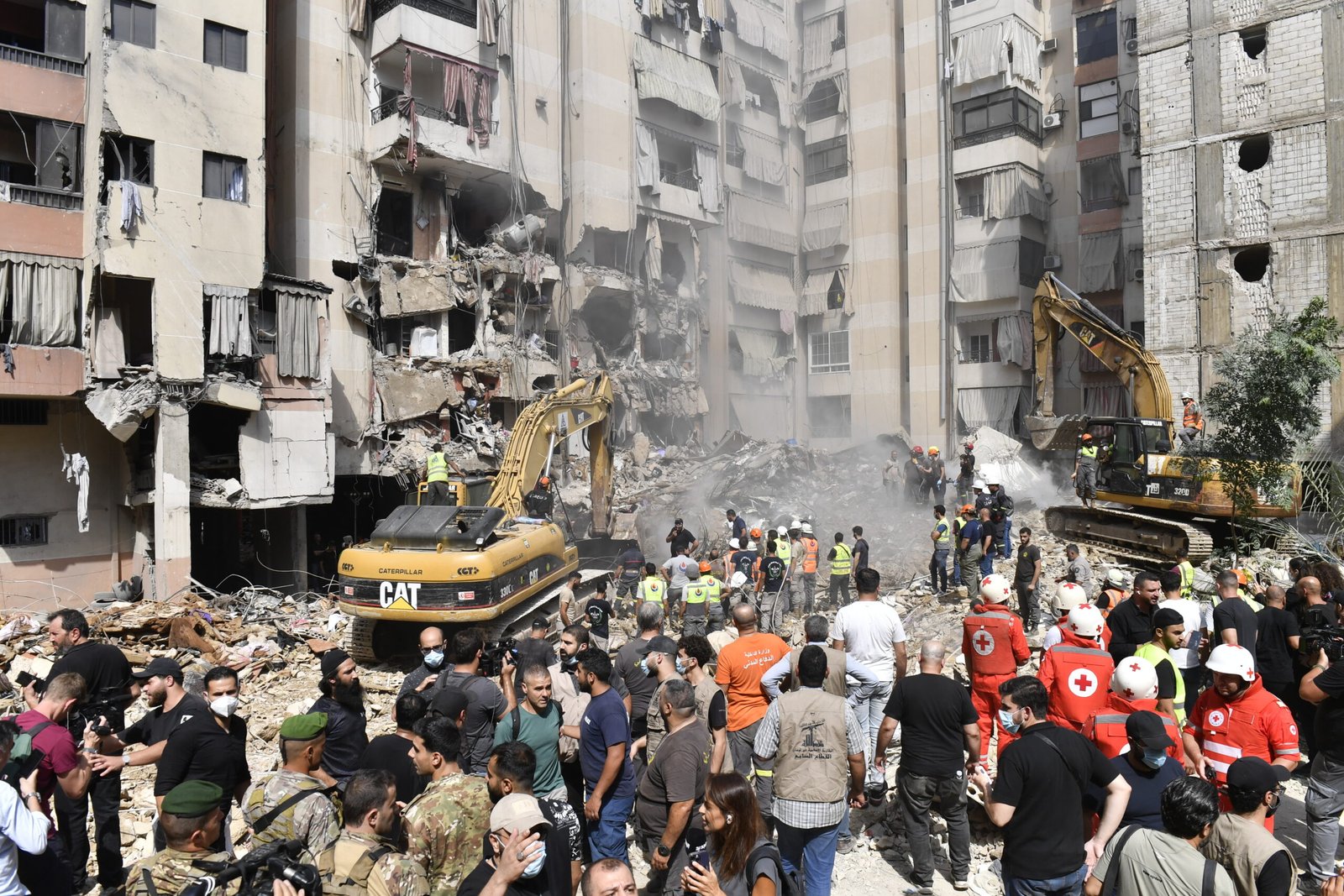
The humanitarian crisis in Lebanon has reached alarming levels as ongoing Israeli military operations continue to drive up casualties, with the death toll now exceeding 2,400 and thousands more injured, according to the latest regional reports.
The escalating violence is largely concentrated in southern Lebanon, where Israeli forces say they are targeting positions linked to Hezbollah. The Iran-backed group has been engaged in cross-border hostilities with Israel for months, and the latest wave of strikes marks one of the deadliest phases of the conflict in recent years.
Health authorities report that at least 7,600 people have been injured, overwhelming hospitals and medical infrastructure already strained by years of economic crisis and political instability. Many healthcare facilities are struggling with shortages of essential supplies, including medicine, fuel, and medical personnel.
Entire communities have been displaced as residents flee areas near the Israeli border. Thousands of families have sought refuge in safer regions or informal shelters, raising concerns about worsening living conditions and the potential spread of disease. Aid organizations warn that without immediate humanitarian assistance, the situation could deteriorate further in the coming weeks.
Israel has defended its military actions, stating that its operations are aimed at neutralizing Hezbollah fighters and infrastructure. Officials claim that recent strikes have successfully eliminated several members of the group, though independent verification remains difficult amid restricted access to conflict zones.
The Lebanese government has condemned the attacks, calling them disproportionate and harmful to civilians. However, its ability to respond effectively is limited by internal political divisions and economic collapse, which have left state institutions weakened and under-resourced.
The broader regional context adds another layer of complexity. The conflict in Lebanon is unfolding alongside heightened tensions involving Iran, the United States, and Israel, raising fears that localized fighting could expand into a wider regional war. Hezbollah’s close ties to Tehran mean that any escalation could draw in additional actors, further destabilizing the region.
International reactions have been mixed. Some countries have called for restraint and an immediate ceasefire, while others have reaffirmed Israel’s right to defend itself. Diplomatic efforts to de-escalate the situation have so far yielded little progress, with both sides continuing to exchange fire.
Human rights organizations have raised concerns about the impact of the strikes on civilians, urging all parties to adhere to international humanitarian law. Reports of civilian casualties, damaged infrastructure, and disrupted access to basic services have intensified calls for accountability and protection measures.
For ordinary Lebanese citizens, the crisis is another devastating chapter in a long history of conflict and hardship. Many are facing the loss of homes, livelihoods, and loved ones, with little clarity on when or how the violence will end.
As the death toll continues to climb and displacement increases, the urgency for a diplomatic solution grows. Without meaningful intervention, the situation in Lebanon risks spiraling further out of control, with consequences that could extend far beyond its borders.
Leave a Reply