22 April 2026
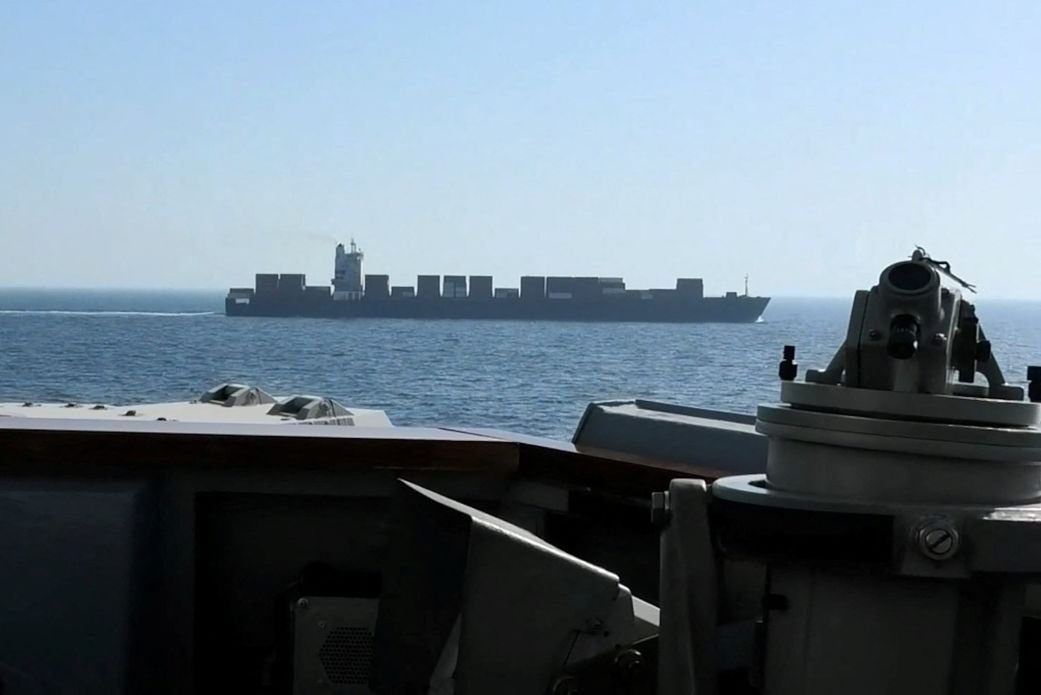
Tensions in the Middle East escalated sharply after Iran’s Islamic Revolutionary Guard Corps (IRGC) confirmed the seizure of two vessels in the strategically vital Strait of Hormuz, a move that has reignited global concerns over maritime security and energy supply disruptions.
According to Iranian state-linked sources, the vessels were detained on allegations of “disrupting maritime safety and order” in the narrow waterway, which serves as one of the world’s most critical oil transit routes. The Strait of Hormuz connects the Persian Gulf to international waters and handles roughly a fifth of global oil shipments, making any disruption there immediately significant for global markets.
The incident comes amid an already fragile geopolitical environment, with the United States and Iran engaged in a tense standoff despite a recently extended ceasefire announced by US President Donald Trump. While the ceasefire has temporarily reduced the likelihood of direct military confrontation, Washington has maintained pressure on Tehran through a continued blockade of Iranian ports, demanding concrete proposals for renewed negotiations.
Analysts warn that Iran’s seizure of vessels could be interpreted as both a show of strength and a strategic signal. By asserting control in the Strait of Hormuz, Tehran is demonstrating its ability to disrupt global oil flows if tensions escalate further. Such actions are often seen as leverage in broader diplomatic negotiations, particularly when Iran faces economic pressure from sanctions and military containment.
Shipping companies and international insurers are already responding cautiously. Some firms have reportedly begun rerouting vessels or increasing security protocols for ships passing through the region. Insurance premiums for transit through the Strait of Hormuz are also expected to rise, reflecting heightened risks of detention or confrontation.
Global oil markets reacted nervously to the news. While prices have not yet spiked dramatically, traders are closely monitoring the situation for signs of escalation. Even limited disruptions in the strait can have outsized effects on supply chains, as alternative routes are longer, more expensive, and less efficient.
The United States has not yet announced a direct military response to the seizures but has reiterated its commitment to ensuring freedom of navigation in international waters. Pentagon officials have emphasized that any threats to commercial shipping would be taken seriously, though they stopped short of outlining specific retaliatory measures.
Regional actors are also watching closely. Gulf states, many of which rely heavily on oil exports through the Strait of Hormuz, have expressed concern over the potential for instability. Diplomatic channels are reportedly active behind the scenes, with several countries urging restraint from both Tehran and Washington.
The seizure underscores how quickly the situation in the Middle East can shift from tense diplomacy to direct confrontation. While the extended ceasefire between the United States and Iran provides a temporary buffer, incidents like this highlight the fragility of that arrangement.
As the situation develops, the international community faces a familiar dilemma: balancing the need to deter aggressive actions while avoiding steps that could trigger a broader conflict. For now, the Strait of Hormuz remains open, but the latest incident serves as a stark reminder of how vulnerable global energy lifelines are to geopolitical tensions.
Leave a Reply