29 April 2026
The deadly airstrike on a primary school in southern Minab continues to draw mounting international scrutiny, as new findings strengthen claims that the attack may constitute a serious violation of international law. The incident, which took place on 28 February 2026, remains one of the most controversial and tragic events in the ongoing 2026 Iran–US–Israel conflict.
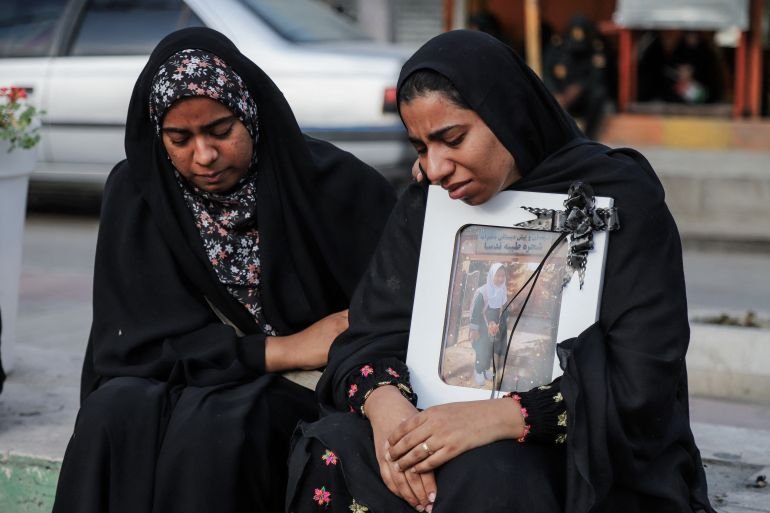
The strike hit the Shajareh Tayyebeh Elementary School during school hours, killing an estimated 156 to 175 people. More than 100 of the victims were children, making it one of the deadliest single attacks on civilians in the conflict so far. Eyewitness accounts and satellite imagery confirmed that the school was operational at the time of the strike, with classrooms full and no evacuation warnings issued.
Recent investigations by Human Rights Watch and Amnesty International have increasingly pointed toward responsibility by United States forces. According to these reports, forensic analysis of debris suggests that a precision guided munition likely a Tomahawk cruise missile was used in the strike. The weapon type is consistent with those deployed by the U.S. military in the region.
While Washington has yet to issue a formal conclusion, a preliminary internal assessment reportedly acknowledges that U.S. forces were “likely responsible,” though officials have stopped short of confirming liability publicly. Early indications suggest that the intended target may have been a nearby facility associated with Iran’s Islamic Revolutionary Guard Corps. However, investigators argue that the intelligence used to authorize the strike may have been outdated or inaccurate.
This distinction has become central to the growing legal debate. Experts in international humanitarian law note that even if a legitimate military target was present nearby, the scale of civilian casualties particularly involving children raises serious questions about proportionality and precaution. Under the framework of the United Nations Human Rights Council, such failures could amount to a war crime if it is determined that adequate measures to protect civilians were not taken.
The United Nations has responded by convening urgent discussions on the attack, with its human rights chief calling for a transparent and independent investigation. Pressure is mounting on the United States to release the full findings of its internal probe, amid concerns that delays could undermine accountability and international trust.
Iran, meanwhile, has escalated its response on the diplomatic front. Officials in Tehran have publicly blamed specific U.S. military personnel and are reportedly exploring avenues for legal action in international courts. The incident has also fueled domestic anger, with large-scale memorials held for the victims and renewed calls for retaliation.
Despite the growing body of evidence, no formal charges or legal proceedings have yet been initiated. Analysts say this reflects the broader challenges of enforcing international law in active conflict zones, particularly when major global powers are involved. Nonetheless, the Minab school strike is increasingly being viewed as a defining case for how civilian protection laws are interpreted and enforced in modern warfare.
As investigations continue, the tragedy stands as a stark reminder of the human cost of conflict and the consequences when intelligence failures intersect with military force. For many observers, the key question now is not only what happened, but whether those responsible will ultimately be held accountable.
Leave a Reply