What does “freedom of navigation” really mean when warships escort oil tankers and missiles fly overhead
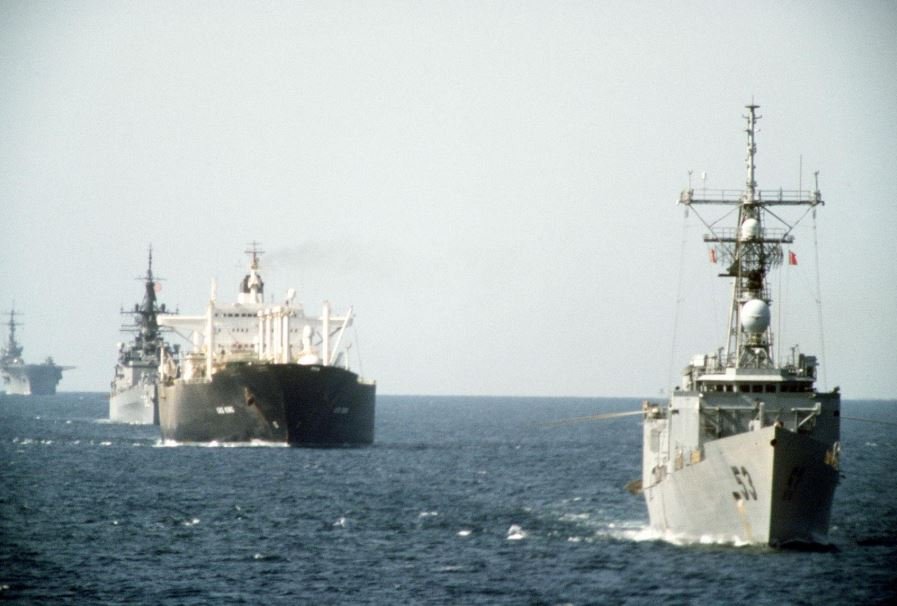
That question sits at the center of the latest escalation in the Strait of Hormuz, where the United States has intensified its military presence under the banner of protecting global trade. Officially, the mission is simple. Keep one of the world’s most critical energy corridors open. Unofficially, the reality is far more complex and far less reassuring.
Nearly a fifth of the world’s oil supply passes through this narrow waterway. Any disruption, even temporary, sends immediate shockwaves across global markets. But today, the threat is no longer hypothetical. With rising confrontation between the United States and Iran, the Strait is no longer just a trade route. It is an active pressure point in a larger geopolitical contest.
Washington frames its actions as a defense of stability. Yet the growing militarization of the area raises an uncomfortable contradiction. The more force deployed to secure the route, the higher the risk of escalation. Commercial vessels now move under armed escort. Insurance premiums are climbing. Some operators are reconsidering transit altogether. This is not what functional freedom looks like. It is controlled access under constant threat.
The deeper issue lies in how “freedom” is being defined. In this context, it does not necessarily mean open and risk-free movement. Instead, it reflects the ability of a dominant power to enforce order on its own terms. That distinction matters. Because what is presented as a global good may, in practice, serve a strategic objective.
There are also clear economic consequences that go beyond immediate market volatility. Elevated oil prices benefit producers and energy-exporting states, while import-dependent economies across Asia face rising costs and renewed inflationary pressure. For countries like Malaysia, stability in energy flows is not an abstract concern. It directly shapes domestic economic resilience.
More importantly, this situation signals a broader shift. Energy routes are no longer just commercial pathways. They are instruments of leverage. Control over them translates into influence over markets, alliances, and political decisions far beyond the region itself.
In that sense, the current developments in the Strait of Hormuz are not just about securing passage. They are about defining who has the authority to guarantee it, and at what cost.
Because in a truly free system, ships do not need warships to feel safe
A recent court decision in China has drawn global attention after ruling that companies cannot dismiss employees solely on the grounds that their work has been replaced by artificial intelligence systems. The case reflects a growing tension between rapid technological adoption and the legal and social frameworks that govern employment.
The core issue in the case was not whether artificial intelligence can perform human tasks, but whether efficiency gains from automation can justify immediate termination of workers without proper restructuring procedures. The court sided with the employee, stating that automation alone does not constitute a lawful reason for dismissal. Companies are expected to follow formal labour procedures, including reassignment of roles, retraining, or compensation where necessary.
This decision highlights a deeper global challenge. Artificial intelligence is no longer a future concept. It is already embedded in customer service, finance, logistics, media, and even legal work. As systems become more capable, businesses are naturally incentivised to reduce operational costs by replacing repetitive human roles with automated tools. However, the legal systems in many countries were not designed for a labour market where machines can directly substitute human workers at scale.
In Asia, particularly in emerging economies, the situation is even more complex. Many countries are aggressively adopting artificial intelligence to improve productivity and attract investment. However, labour protection laws in several of these economies are still evolving and often do not explicitly address AI driven job displacement. This creates a grey area where companies may restructure aggressively under the justification of efficiency without clear safeguards for workers affected by automation.
In Southeast Asia, this issue is becoming increasingly relevant. Governments are encouraging digital transformation across industries, but the pace of regulation is slower than the pace of technological adoption. As a result, companies may gradually reduce hiring in roles that are highly automatable, such as administrative support, basic data processing, and customer interaction services. Rather than immediate mass layoffs, the more common pattern may be hiring freezes and gradual role elimination, which can be less visible but equally impactful over time.
In developed economies such as the United States and parts of Europe, the response is different. There is growing pressure from regulators, labour unions, and policymakers to ensure that artificial intelligence does not lead to uncontrolled displacement of workers. Discussions around accountability, retraining obligations, and ethical deployment of automation are becoming central to policy debates. The focus is shifting from whether AI should be used to how it should be implemented responsibly within society.
The broader implication of the Chinese court ruling is not that artificial intelligence will be restricted, but that societies are beginning to define boundaries around its economic impact. The legal reasoning suggests an emerging principle that technological progress alone cannot override labour rights and procedural fairness.
At the same time, businesses are unlikely to slow down their adoption of AI. The economic advantages are too significant to ignore. Instead, the likely direction globally is a gradual balancing act between innovation and regulation. Companies will continue to automate, but they may be required to demonstrate structured workforce transitions rather than abrupt replacements.
The most important question moving forward is not whether artificial intelligence will replace jobs, but how quickly societies can adapt their legal, educational, and economic systems to manage that transition. Countries that succeed in balancing innovation with worker protection may experience smoother transformation, while those that lag behind risk higher social and economic disruption.
Ultimately, artificial intelligence is reshaping the definition of work itself. The challenge for governments and businesses is not to resist this change, but to ensure that the transition does not leave large segments of the workforce without support or opportunity in the new economy.
The relationship between quantum computing, the broader quantum economy, and quantum related equities represents a layered transformation that is still in its early but highly consequential phase. Understanding how these layers interact is essential for anyone evaluating long term opportunities, whether as an investor, entrepreneur, or small business operator.
At the foundation lies quantum computing itself. This is the technological layer where research institutions and companies are building machines that leverage quantum mechanics to process information in fundamentally different ways from classical computers. Instead of binary bits, quantum systems use qubits that can exist in multiple states simultaneously. This allows certain classes of problems such as optimization, cryptography, and molecular simulation to be solved exponentially faster under the right conditions. However, the technology is still immature. Error correction, stability, and scalability remain major bottlenecks. This means that current commercial applications are limited, and most revenue at this stage comes from research contracts, government funding, and early enterprise experimentation rather than mass adoption.
As the technology develops, it gives rise to the second layer which is the quantum economy. This is where value chains begin to form around the core innovation. The quantum economy is not limited to companies building quantum computers. It includes firms developing enabling hardware such as cryogenic systems and specialized chips, software platforms that allow developers to write quantum algorithms, consulting services that help enterprises explore use cases, and academic partnerships that supply talent and intellectual property. Governments also play a central role by funding national quantum programs and creating policy frameworks to accelerate development.
Revenue generation in this layer is more diversified. Companies may earn through cloud based access to quantum systems, enterprise partnerships, licensing of intellectual property, and specialized consulting services. Even though large scale commercial deployment is not yet widespread, the ecosystem is already monetizing through early adoption programs and strategic collaborations. This mirrors the early days of cloud computing where infrastructure providers generated revenue long before widespread consumer awareness.
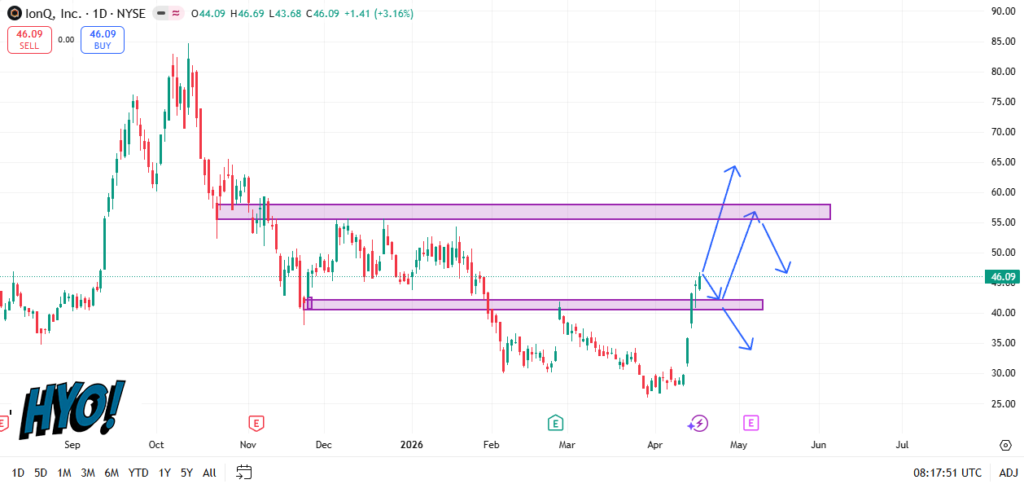
The third layer is the financial market expression of this ecosystem, often referred to as quantum stocks. These include pure play companies focused entirely on quantum technologies as well as diversified firms that are integrating quantum research into broader portfolios. Market valuations in this segment are driven less by current earnings and more by future expectations. Investors are pricing in the potential for quantum breakthroughs to disrupt industries ranging from pharmaceuticals to logistics and cybersecurity.
This creates a dynamic where capital flows into the sector ahead of proven profitability. It is similar to how artificial intelligence investments surged before clear monetization models were fully established. The implication is that volatility is high, and valuations can detach from near term fundamentals. For sophisticated investors, this presents both opportunity and risk. Timing and selection become critical, as not all participants in the ecosystem will survive the transition from research to commercialization.
For individuals and small business owners, participation in this emerging landscape does not require direct involvement in quantum physics. The more practical approach is to engage with adjacent opportunities created by the ecosystem. One pathway is through service integration. As larger companies experiment with quantum solutions, they will require support in data preparation, workflow integration, and user interface development. Small technology firms can position themselves as intermediaries that translate complex quantum capabilities into usable business tools.
Another avenue is education and specialization. As demand for quantum literacy increases, there will be a growing market for training, consulting, and content creation. Entrepreneurs who can simplify complex concepts and deliver them to businesses in an actionable format will find a niche. This is particularly relevant in regions where awareness is still low but adoption is expected to follow global trends.
Investment participation is also accessible through public markets, though it requires careful strategy. Rather than focusing solely on pure quantum companies, a more balanced approach may involve exposure to firms that support the ecosystem such as semiconductor manufacturers, cloud providers, and enterprise software companies. These entities are more likely to generate stable revenue while still benefiting from quantum advancements.
In my view, the most important insight is that the quantum transition will not occur as a sudden disruption but as a gradual integration into existing systems. This means that value creation will be distributed across multiple layers rather than concentrated in a single breakthrough moment. Those who position themselves within the ecosystem, even indirectly, are more likely to capture sustainable benefits.
The current phase can be described as an infrastructure buildout period. Capital is being deployed, talent is being trained, and early use cases are being tested. While the timeline for full scale impact remains uncertain, the direction is clear. Quantum computing is evolving from a theoretical pursuit into a strategic industry. The connection between technology, economic structure, and financial markets forms a reinforcing cycle that will continue to attract attention and investment.
For those willing to engage early, the opportunity lies not in predicting the exact moment of breakthrough but in understanding the structure of the ecosystem and identifying where value is already beginning to accumulate.
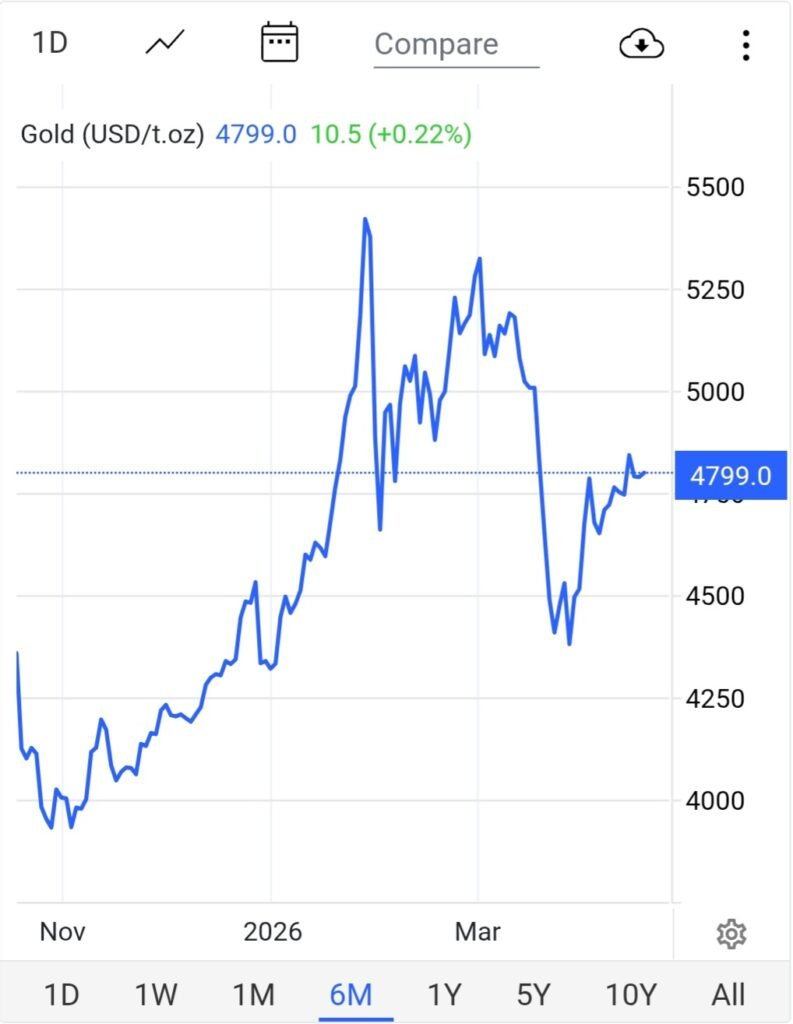
Gold remains firmly positioned near historically elevated levels, reflecting sustained demand driven by global uncertainty, shifting interest rate expectations, and continued investor preference for defensive assets. Despite periodic fluctuations in sentiment across equity markets, gold has maintained resilience, suggesting that market participants still view it as a core hedge rather than a short term speculative instrument.
At current pricing levels, the gold market is showing characteristics of a mature upward cycle. The pace of gains has moderated compared to earlier phases of the rally, yet there is no clear evidence of broad distribution or aggressive selling pressure. Instead, price action indicates consolidation within a high range, which often signals that institutional players are rebalancing rather than exiting positions entirely. This type of behavior typically occurs when markets transition from momentum driven growth into stability driven accumulation phases.
For retailers and bullion related businesses, the present environment demands a more disciplined inventory approach. Holding large physical stock at elevated price levels increases exposure to downside volatility if macro conditions shift unexpectedly. At the same time, consumer demand often remains steady in high price environments due to cultural and investment driven purchasing behavior, particularly in regions where gold is treated as a long term store of value. The key operational challenge is balancing turnover with price risk, ensuring that inventory levels remain flexible enough to respond to both demand spikes and potential corrections.
From an individual investor perspective, the decision between buying and selling gold at this stage is less about directional conviction and more about portfolio structure. Investors with significant unrealized gains may consider partial profit realization to lock in returns while maintaining core exposure for long term hedging. This approach reduces vulnerability to short term pullbacks without fully exiting a strategic asset class that continues to benefit from macro uncertainty.
For new entrants, chasing the market at current highs introduces timing risk. Historically, gold markets at elevated levels often experience consolidation phases where prices move sideways or retrace moderately before establishing the next upward leg. As such, a phased accumulation strategy is generally more prudent. Gradual entry during minor dips or periods of reduced volatility can help improve average positioning while avoiding the psychological pressure of buying at peak sentiment.
Macro conditions remain a key driver. Expectations of softer inflation trajectories and potential policy easing in major economies have reduced real yield pressure, indirectly supporting gold prices. At the same time, geopolitical uncertainty continues to provide a baseline demand floor, preventing sharp downside corrections. This dual support structure explains why gold has remained stable despite mixed performance across risk assets such as equities.
In conclusion, the gold market is currently in a high consolidation phase rather than an early breakout or deep correction stage. The optimal strategy is selective positioning rather than aggressive directional bets. Existing holders should consider gradual profit taking into strength, while new investors should prioritize disciplined accumulation rather than immediate full exposure. Gold remains structurally supported in the long term, but short term dynamics call for caution, patience, and structured decision making rather than emotional reaction to price movements.
As global markets prepare for the opening bell, the overall tone appears calm, almost indifferent to the steady stream of geopolitical headlines. Yet beneath this surface-level stability lies a far more fragile structure, shaped by uncertainty, shifting macroeconomic signals, and a market that is increasingly selective in what it chooses to react to.
In recent sessions, investors have shown signs of fatigue toward ongoing geopolitical tensions, particularly those linked to developments in the Middle East. While such events would typically trigger sharp movements across equities, currencies, and commodities, the current response has been more muted. This does not signal confidence, but rather a transition into a phase where markets are filtering out noise and waiting for clearer, more decisive catalysts.
One of the most influential drivers at this moment is the movement in global oil prices. After surging above the USD110 mark in previous sessions, crude has begun to retreat below USD100. This shift has provided temporary relief to markets, especially in the context of inflation expectations. Lower energy prices tend to ease pressure on central banks, reducing the urgency for aggressive monetary tightening. As a result, equities have found short-term support, with investors cautiously rotating back into risk assets.
At the same time, the US dollar has weakened, reflecting a broader shift in risk sentiment. Traditionally viewed as a safe haven, the dollar tends to strengthen during periods of uncertainty. However, as expectations of escalation begin to soften, capital flows are gradually moving away from defensive positioning. This has created a more supportive environment for equities and other higher-yielding assets, while also offering some breathing room to emerging markets.
Despite these seemingly positive signals, the role of central banks remains a critical underlying factor. Markets are actively reassessing the trajectory of interest rates, particularly in the United States. Even in the absence of immediate policy announcements, subtle changes in expectations can drive significant market movements. Investors are now less focused on current data and more on forward guidance, attempting to anticipate whether policymakers will maintain a restrictive stance or begin to ease.
Another notable shift is the evolving behavior of the market itself. Where once headlines could trigger immediate and often exaggerated reactions, there is now a growing tendency to ignore minor developments. This “noise filtering” dynamic suggests a more mature but also more unpredictable environment. When markets do react, the moves tend to be sharper and more concentrated, increasing the risk of sudden volatility spikes and false signals for traders.
This creates a delicate psychological balance. On one hand, there is cautious optimism that geopolitical tensions may de-escalate, allowing markets to stabilize and recover. On the other, the underlying risks have not disappeared. Any unexpected escalation or negative development could quickly reverse current trends, triggering a rapid shift back into defensive assets.
In essence, the market is operating in a state of fragile equilibrium. Stability exists, but it is conditional and highly sensitive to external developments. The calm seen ahead of the opening bell should not be mistaken for strength, but rather understood as a pause a moment of hesitation before the next decisive move.For investors and traders alike, this environment demands a more disciplined and strategic approach. Short-term opportunities remain, but they come with heightened risk. In a market driven less by data and more by narrative, understanding the broader macro landscape is no longer optional it is essential.
Because in times like these, what appears quiet on the surface may simply be the market waiting for its next trigger.
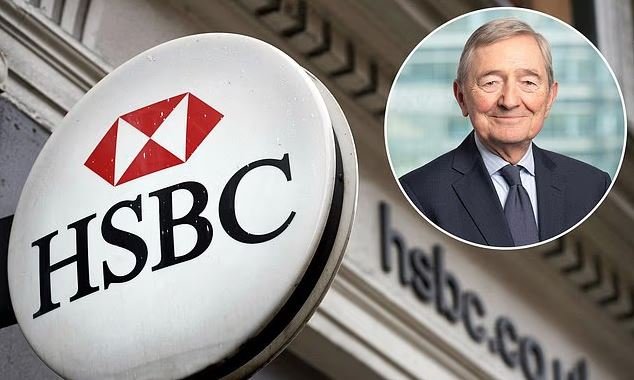
The global energy market is once again at the mercy of geopolitics, as senior leadership from HSBC warns that only a lasting peace agreement in the Middle East can restore stability to disrupted energy flows. The statement comes at a time when markets are already under strain, with oil prices fluctuating sharply and supply chains showing signs of stress.
According to the bank’s chair, the current instability across key النفط-producing regions is no longer a short-term shock but a structural risk to the global economy. Critical transit routes, particularly through strategic chokepoints, have become increasingly vulnerable, raising fears of prolonged disruption. The message is clear that without de-escalation, energy markets will continue to operate under uncertainty, with consequences extending far beyond the region itself.
In recent weeks, supply concerns have intensified as tensions escalated around vital shipping lanes. The Middle East remains central to global oil distribution, and any sustained disruption has immediate ripple effects across industries. Higher energy prices are already feeding into production costs, transport expenses, and ultimately consumer inflation. This creates a difficult environment for policymakers who are still grappling with the aftereffects of previous economic shocks.
What makes the current situation particularly complex is the limited room for intervention. Governments and central banks are constrained by existing pressures, including high debt levels and persistent inflation. The prospect of energy-driven inflation further complicates the outlook, as efforts to stabilise prices risk slowing economic growth even more. This delicate balance leaves markets highly sensitive to developments on the ground.
Despite these risks, financial markets have yet to fully price in a prolonged disruption scenario. Oil prices have risen, but not to levels typically associated with severe supply shocks. This suggests that investors are still holding onto expectations of a diplomatic resolution. However, the warning from HSBC signals that such optimism may be fragile. If tensions persist or escalate, the adjustment in global markets could be swift and significant.
Beyond immediate price movements, the longer-term implications are equally concerning. Energy security is once again becoming a central issue for many countries, particularly those heavily reliant on imports. The current crisis may accelerate shifts toward diversification, including alternative energy sources and new supply partnerships. However, these transitions take time, and in the short term, the world remains deeply dependent on stable flows from the Middle East.
The call for peace is therefore not merely political but deeply economic. Stability in the region underpins the functioning of global trade, manufacturing, and financial systems. Without it, the risk of a broader economic slowdown becomes increasingly likely. Businesses, investors, and governments alike are now watching closely, aware that the trajectory of the global economy may hinge on developments far beyond traditional economic indicators.
As pressure builds, the path forward appears uncertain. What is clear, however, is that the intersection of conflict and energy has once again placed the global economy in a vulnerable position. The coming weeks may prove critical in determining whether stability can be restored or whether the current strain evolves into a more sustained and disruptive phase.
Global economy is entering a phase where pressure is no longer a future risk but a present reality. The latest signals coming from major economies suggest that financial systems are being stretched in ways not seen since the aftermath of the pandemic. What makes this moment different is not a single crisis, but the convergence of several structural weaknesses happening at once.
At the center of this pressure is government debt. Over the past few years, countries increased spending aggressively to stabilize their economies during crises. That strategy worked in the short term, but it has now created a long-term burden. Today, many advanced economies are facing a situation where servicing debt is becoming increasingly expensive. Interest rates have remained elevated, and as older low-interest debt gets refinanced, governments are forced to pay significantly more just to maintain their obligations. In some cases, interest payments are beginning to rival or even exceed critical national expenditures.
This shift is quietly reshaping policy decisions. Governments that once had flexibility to stimulate growth are now constrained. Fiscal space is shrinking, and the ability to respond to new shocks is weakening. This becomes especially dangerous in an environment where new shocks are not hypothetical but already unfolding. The ongoing disruptions in global energy supply have added another layer of stress. Rising oil prices are feeding into inflation, which in turn forces central banks to keep interest rates higher for longer.
This creates a feedback loop that is difficult to escape. Higher rates slow economic growth, but lowering rates too early risks reigniting inflation. Policymakers are effectively trapped between two undesirable outcomes. The result is a fragile balance where even small missteps could trigger disproportionate consequences.
Financial markets, for now, appear relatively stable. Equity markets have shown resilience, and volatility has not spiked to crisis levels. However, this stability may be misleading. Markets are often forward-looking, but they can also delay reaction when uncertainty is high. There is a growing sense among analysts that current asset prices do not fully reflect the scale of underlying risks. If conditions deteriorate further, adjustments could be sudden and severe rather than gradual.
Another layer of pressure comes from the social dimension of the economy. Public sentiment is increasingly disconnected from official economic indicators. Even in countries where employment remains strong and growth has not collapsed, households are feeling the strain of higher living costs. This erosion of confidence matters because it influences spending behavior. When consumers pull back, growth slows further, reinforcing the broader cycle of weakness.
Emerging markets face an even more complex challenge. Many of these economies are exposed to currency fluctuations and external debt pressures. A stronger dollar combined with higher global interest rates increases the cost of servicing foreign-denominated debt. At the same time, higher energy prices strain trade balances. This combination limits their ability to stabilize domestically while also increasing vulnerability to external shocks.
What makes the current situation particularly concerning is the lack of a clear release valve. In previous cycles, either monetary policy or fiscal policy could be adjusted to ease pressure. Today, both tools are constrained. Central banks cannot ease aggressively without risking inflation, and governments cannot spend freely without worsening debt dynamics. This dual constraint creates a scenario where pressure accumulates rather than dissipates.
The global economy is not in collapse, but it is under sustained and intensifying strain. The term under pressure is not an exaggeration but an accurate description of a system being tested from multiple directions at once. The coming months will likely determine whether this pressure leads to a controlled adjustment or escalates into a more disruptive phase. For now, the warning signs are clear, and the margin for error is becoming increasingly narrow.
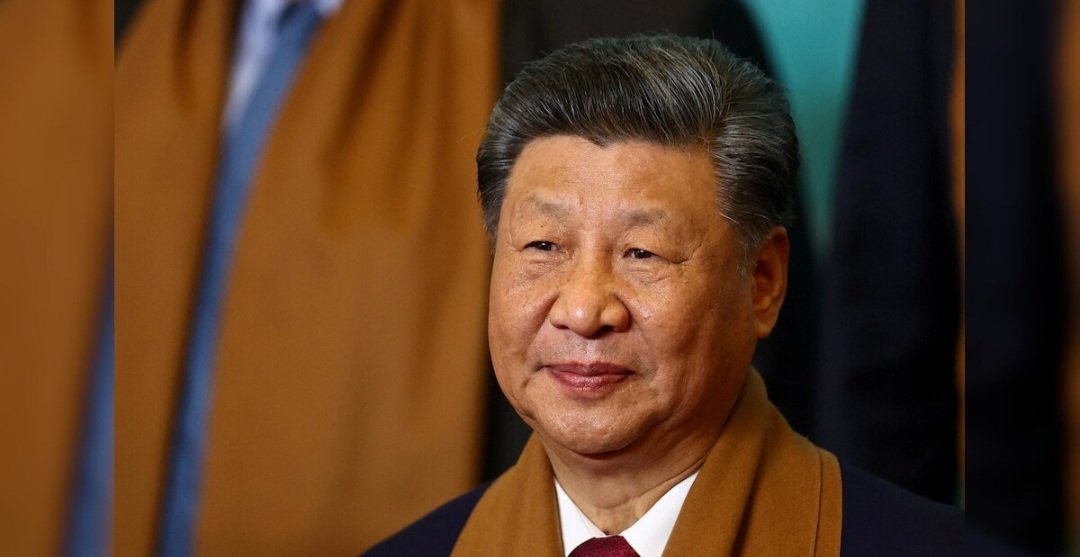
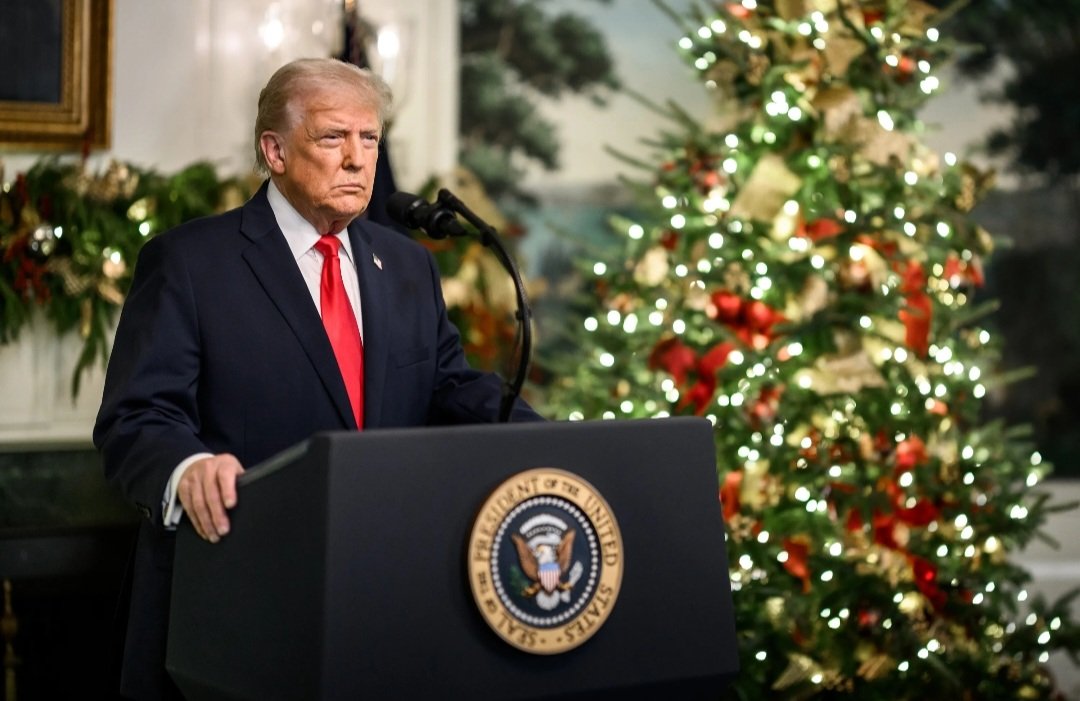
In the current geopolitical landscape, few leaders demonstrate the direct connection between politics and financial markets as clearly as Donald Trump. His latest moves, from escalating tensions in the Middle East to openly challenging long-standing alliances, have once again shown how fragile and reactive the global system has become.
The immediate reaction is familiar. Oil prices surge on fears of conflict. Equity markets hesitate under uncertainty. Investors shift capital into safer assets. These are not new patterns. What is different today is the speed and intensity at which these reactions occur. A single policy announcement or geopolitical threat can ripple across continents within hours, reshaping market sentiment in real time.
This reflects a deeper transformation. Global markets are no longer driven purely by economic indicators such as earnings, inflation, or interest rates. They are increasingly shaped by political decisions and strategic power plays. Trump’s approach to leadership, which often combines unpredictability with aggressive positioning, amplifies this effect. Markets are not just reacting to policy outcomes. They are reacting to the possibility of disruption.
One of the clearest lessons from this situation is that volatility is no longer an exception. It has become the environment itself. In previous decades, instability was often tied to isolated crises. Today, it is embedded within the system. Trade tensions, military threats, and diplomatic breakdowns occur alongside economic growth, not separate from it. This creates a market that can rise and fall within the same narrative cycle.
For investors, this introduces a new kind of challenge. Traditional strategies built on long-term stability and predictable cycles are increasingly tested. A portfolio that performs well under stable conditions may struggle when exposed to sudden geopolitical shocks. At the same time, those who understand how to navigate volatility can find significant opportunities. Energy, defense, and commodities often benefit during periods of tension, while broader indices may fluctuate.
Another important shift lies in the structure of globalization itself. For decades, global markets relied on cooperation between major powers, supported by trade agreements and military alliances. When leaders begin to question or weaken these frameworks, the impact goes beyond politics. It affects supply chains, capital flows, and long-term investment confidence. Countries start to rethink dependencies, diversify partnerships, and prioritize national interests over collective stability.
This does not mean globalization is ending. It means it is evolving into a more fragmented and competitive system. Instead of a single interconnected market, the world may move toward regional blocs with distinct economic and strategic priorities. This transition introduces both risk and opportunity, depending on how quickly institutions and investors adapt.
At the center of all this is a fundamental paradox. The same actions that create uncertainty can also generate growth. Pro-business policies and strong domestic focus can boost corporate performance and attract investment. At the same time, geopolitical tension increases the likelihood of disruption. Growth and risk are no longer separate forces. They exist together, often driven by the same decisions.
The key takeaway is not about agreeing or disagreeing with any particular leader. It is about understanding the environment that is being shaped. Markets today reward those who are adaptable, informed, and aware of the broader geopolitical context. The ability to respond to change has become more valuable than the ability to predict stability.
What we are witnessing is not a temporary phase. It is a shift in how the global system operates. Power, perception, and rapid decision-making now play a central role in shaping economic outcomes. For those observing closely, the message is clear. The rules of the market have not disappeared. They have changed, and those who fail to recognize this shift risk being left behind.