Category: economic

  • IMF Steps Up Engagement as Debt Risks Build Across Emerging Markets

    IMF Steps Up Engagement as Debt Risks Build Across Emerging Markets

    March 25, 2026

    The International Monetary Fund is intensifying its engagement with vulnerable economies as rising debt burdens and elevated energy prices heighten risks to global financial stability.

    The Washington-based lender is preparing to deepen discussions with several developing nations facing tightening financial conditions, as higher borrowing costs and weaker currencies strain public finances. The move signals growing concern that a new wave of debt stress could emerge across parts of the developing world.

    Energy-driven inflation has become a central challenge. A sustained increase in oil prices has widened trade deficits for import-dependent economies, while adding pressure on already fragile fiscal positions. Policymakers are being forced to navigate a narrowing path between supporting growth and containing inflation.

    Officials at the International Monetary Fund have warned that prolonged supply-side shocks could dampen global growth prospects, particularly in economies with limited policy buffers. The risks are compounded by volatile capital flows, as investors shift toward safer assets amid geopolitical uncertainty.

    The situation is most acute in emerging markets, where external vulnerabilities are being exposed by a stronger dollar and rising global interest rates. Currency depreciation has made it more expensive to service foreign-denominated debt, increasing the likelihood of fiscal stress.

    At the same time, coordination with the World Bank is expected to intensify ahead of upcoming policy discussions, where officials will assess the broader implications of rising debt levels and global economic fragmentation.

    For many governments, the policy trade-offs are becoming increasingly difficult. Raising interest rates may help stabilize currencies, but risks slowing domestic growth. Allowing currencies to weaken, meanwhile, could further accelerate inflation.

    The International Monetary Fund has indicated that early intervention and policy discipline will be critical in preventing localized stress from evolving into broader financial instability.

    As global conditions remain uncertain, the focus is shifting toward how effectively international institutions and national policymakers can respond to a more volatile and constrained economic environment.

  • Dollar Rallies, Emerging-Market FX Slumps as Oil Shock Spurs Flight to Safety

    Dollar Rallies, Emerging-Market FX Slumps as Oil Shock Spurs Flight to Safety

    March 25, 2026

    The dollar climbed against most major currencies while emerging-market exchange rates slid, as a surge in oil prices and escalating geopolitical tensions fueled demand for haven assets and rattled global financial markets.

    A jump in crude above $100 a barrel has intensified inflation concerns and widened external imbalances for energy-importing economies, triggering renewed pressure on their currencies. The Indian rupee led declines in Asia, extending losses this year as higher import costs and capital outflows weighed on sentiment.

    Investors have rotated into dollar-denominated assets amid mounting uncertainty tied to developments in the Middle East, reinforcing the greenback’s role as the world’s primary reserve currency during periods of stress.

    “The market is reacting to a classic terms-of-trade shock,” said strategists, referring to the impact of rising commodity prices on countries reliant on imports. “That’s translating directly into currency weakness across emerging markets.”

    The move has also lifted traditional haven currencies, with the Swiss franc strengthening alongside the dollar. Gains in defensive assets underscore a broader shift in positioning as traders hedge against further volatility in energy and geopolitical risk.

    At the same time, expectations for tighter monetary policy are building across developed markets. Traders are increasing bets that central banks in Europe and the UK will be forced to maintain a hawkish stance for longer, as higher energy costs threaten to entrench inflation.

    Diverging policy trajectories are adding to turbulence in foreign-exchange markets, where interest-rate differentials remain a key driver of currency movements. A stronger dollar, coupled with elevated US yields, has reduced the attractiveness of risk-sensitive assets and accelerated capital outflows from emerging economies.

    For policymakers in those markets, the backdrop presents a familiar dilemma: defend currencies through higher interest rates at the risk of slowing growth, or allow depreciation that could further fuel inflation.

    While intermittent pullbacks in oil prices have offered brief relief, analysts say the broader trend remains intact.

    “The bias is still for dollar strength in the near term,” strategists noted, citing persistent geopolitical uncertainty and supply-driven inflation pressures.

    With energy markets volatile and central banks under pressure, currency traders are bracing for continued swings in exchange rates, as global markets adjust to a more fragile and inflation-prone environment.

  • IMF and World Bank Annual Meetings 2026: Bangkok Takes Centre Stage

    IMF and World Bank Annual Meetings 2026: Bangkok Takes Centre Stage

    Bangkok, Thailand — The world’s top financial institutions, the International Monetary Fund (IMF) and the World Bank, are set to hold their Annual Meetings 2026 in Bangkok from 12–18 October, in what promises to be one of the most important economic and political gatherings of the year.

    Finance ministers, central bank chiefs, business leaders, and country representatives will meet to discuss global growth, development financing, and strategies to tackle inflation and geopolitical risks.

    Thailand has highlighted the theme: “New Horizons: Resilience & Inclusive Growth,” aiming to emphasise international cooperation, economic resilience, and financial digitalisation. The country hopes the event will strengthen its global profile.

    The meetings come amid global economic uncertainty. Both institutions are focusing on challenges such as market volatility, inflationary pressures, and global trade imbalances. The IMF has recently upgraded its global growth forecast for 2026 while highlighting innovation and technology, including AI, as key drivers of growth.

    Experts say the Bangkok meetings will not only shape financial policy but could also influence investment decisions, fiscal strategies in low-income nations, and international capital flows.

    With discussions centred on financial stability, inclusive growth, and digital transformation, the IMF–World Bank Annual Meetings 2026 are expected to draw significant global media attention and have a lasting impact on the international economic landscape.

  • Larry Fink Warns Modern Capitalism Is Failing to Share Wealth

    Larry Fink Warns Modern Capitalism Is Failing to Share Wealth

    Larry Fink, CEO of BlackRock, has warned that modern capitalism is producing vast wealth but failing to distribute it fairly, raising concerns about widening inequality in the age of artificial intelligence.

    In his latest remarks, Fink said the economic divide will increasingly be shaped by who owns assets, not just who earns wages. As AI drives corporate profits, he cautioned that the gains are likely to flow primarily to investors and shareholders, leaving others behind.

    To address this, Fink called for broader participation in financial markets, arguing that long-term investing is key to ensuring more people benefit from economic growth.

    However, critics say the approach overlooks deeper structural issues, including wage stagnation and unequal access to capital. Some also question whether expanding investing primarily benefits large asset managers.

    Fink’s comments come as global economies, including countries like Malaysia, face rising living costs and uneven income growth factors that could limit how many people are able to participate in the very markets he promotes.

    The debate highlights a growing concern; while capitalism continues to generate wealth, its ability to deliver shared prosperity is increasingly under scrutiny.

  • Global Markets Whipsawed as Oil Shock, Rate Bets Drive Volatility

    Global Markets Whipsawed as Oil Shock, Rate Bets Drive Volatility

    24 March 2026

    Global financial markets are experiencing heightened volatility, driven by rising oil prices, geopolitical tensions, and changing expectations for interest rates.

    Crude oil has risen above $100 a barrel, increasing costs for businesses and households and putting upward pressure on inflation worldwide. The energy shock has intensified concerns over economic growth, particularly in emerging markets that rely heavily on oil imports.

    Stock markets have been unpredictable, with gains often reversed as investors react to news on international tensions and economic indicators. Emerging markets are seeing significant capital outflows, while developed markets are adjusting to tighter financial conditions and higher bond yields.

    Central banks in major economies are under pressure to maintain higher interest rates to contain inflation, delaying expectations of any rate cuts. The repricing of monetary policy has affected global liquidity and increased borrowing costs, contributing further to market uncertainty.

    In response to rising risk, investors are increasingly moving into safe-haven assets, such as the US dollar and gold, while riskier assets, including technology and growth stocks, face downward pressure.

    Analysts warn that markets are likely to remain volatile in the near term, as developments in energy prices and geopolitical events continue to influence investor sentiment and global financial conditions.

  • Oil Shock: U.S.–Iran Conflict Triggers a New Global Energy Crisis

    Oil Shock: U.S.–Iran Conflict Triggers a New Global Energy Crisis

    March 2026, the escalating confrontation between the United States and Iran is rapidly evolving into a global energy crisis, highlighting the fragile link between geopolitics and economic stability.

    At the center of the disruption lies the Strait of Hormuz, a vital maritime chokepoint responsible for nearly 20% of global oil transit. Recent tensions and military positioning in the region have significantly reduced tanker movement, creating a major bottleneck in global energy supply.

    Supply disruption and price escalation

    Global oil markets have reacted sharply. Prices surged beyond $100–$110 per barrel, driven not only by speculation but by actual constraints in physical supply chains.

    This divergence between futures markets and real supply availability has intensified volatility, with refineries and distributors struggling to secure stable deliveries.

    U.S. response and policy recalibration

    In response, the United States has implemented emergency measures, including releasing strategic petroleum reserves and reconsidering sanctions affecting oil exports. Notably, Washington has eased restrictions on certain Iranian oil shipments already in transit—an unusual move aimed at stabilizing supply in the short term.

    Despite these actions, analysts warn that such interventions are insufficient to fully offset disruptions if instability in the Hormuz corridor persists.

    Inflation and global economic spillover

    Rising energy costs are now feeding into broader inflationary pressures. Increased fuel prices are driving up costs in transportation, manufacturing, and agriculture worldwide.

    For emerging economies, the situation is more severe, with rising import costs, weakening currencies, and mounting fiscal pressure.

    Energy as a geopolitical instrument

    The crisis underscores a growing reality: energy is increasingly being used as a strategic geopolitical tool.

    By leveraging its influence over the Strait of Hormuz, Iran has demonstrated its capacity to disrupt global economic systems without engaging in full-scale conventional warfare.

    Outlook

    Without a resolution that restores secure maritime transit, the global economy may face a prolonged period of elevated energy prices and instability.

    References

    Reuters – Hormuz tensions & U.S. response
    Maritime security analysis – Strategic importance of Hormuz
    Times of India – Oil price surge & supply disruption
    Global economic reports – Inflationary impact of oil shock

  • Kazakhstan’s New Constitution: Reform or Power Consolidation?

    Kazakhstan’s New Constitution: Reform or Power Consolidation?

    Kazakhstan has entered a new political chapter after a decisive national referendum approved sweeping constitutional reforms. While the government presents the changes as a step toward modernization and stability, critics warn they may signal a shift toward greater presidential control.

    The developments place Kazakhstan at the center of international attention, as the country balances domestic reform with its growing role in global diplomacy and economic partnerships.

    A Landslide Referendum Result

    On March 15, 2026, Kazakhstan held a nationwide referendum to approve a new constitution. According to official figures, more than 87% of voters supported the reforms, with turnout exceeding 73%.

    The strong result was framed by the government as a clear mandate for political transformation. President Kassym-Jomart Tokayev described the outcome as a “historic step” toward strengthening the state and modernizing governance.

    However, international observers note that referendums in Kazakhstan have historically delivered overwhelming approval rates, raising questions about the competitiveness and openness of the political environment.

    Sources: Reuters, AP News

    What Has Changed in the Constitution?

    The new constitutional framework introduces several major structural changes to Kazakhstan’s political system:

    1. Transition to a Unicameral Parliament

    Kazakhstan will move from a bicameral legislature to a single-chamber parliament, a shift the government argues will streamline lawmaking and reduce bureaucracy.

    2. Return of the Vice Presidency

    The reforms reintroduce the role of vice president, a position that could play a key role in political succession and continuity.

    3. Expanded Presidential Powers

    The president will now have broader authority to:

    1. Appoint senior government officials

    2. Influence legislative processes

    3. Shape national policy more directly

    4. Creation of a “People’s Council”

    A newly established advisory body often referred to as a People’s Council will have the authority to initiate legislation and national referendums. Its members are expected to be appointed by the president.

    Supporters argue these changes will create a more efficient and responsive government. Critics, however, see them as mechanisms that could weaken institutional checks and balances.

    Sources: AP News, Reuters

    Rising Concerns Over Democratic Backsliding

    Despite the government’s assurances, the reforms have triggered concern among international organizations and analysts.

    Amnesty International warned that the new constitution could undermine fundamental freedoms, including freedom of expression and peaceful assembly. The organization highlighted the risk of increasing restrictions on civil society and political opposition.

    Political analysts also caution that:

    1. The consolidation of power in the presidency may reduce democratic accountability

    2. Opposition parties could face greater marginalization

    3. Institutional independence may be weakened

    Some experts suggest the reforms could allow Tokayev to maintain influence beyond his current term, which is scheduled to end in 2029, either through structural adjustments or political succession planning.

    Sources: Amnesty International, Reuters

    Economic Pressures Behind the Reform

    The constitutional overhaul comes amid significant economic challenges.

    1. Kazakhstan has been dealing with:

    2. Rising inflation

    3. Cost of living pressures

    Public dissatisfaction over economic inequality

    As Central Asia’s largest economy, Kazakhstan is also affected by regional instability, particularly the ongoing geopolitical tensions linked to the war in Ukraine.

    Analysts believe the reforms may be partly aimed at ensuring political stability during economic uncertainty, allowing the government to respond more decisively to both domestic and external pressures.

    Sources: AP News

    Expanding International Partnerships

    At the same time, Kazakhstan continues to strengthen its position on the global stage through a “multi-vector” foreign policy balancing relations with major powers.

    Strengthening Ties with India

    Kazakhstan has signaled its intention to deepen strategic cooperation with India, particularly in energy, trade, and regional security.

    Engagement with the European Union

    The European Union has welcomed the reforms cautiously, viewing them as an opportunity to expand collaboration in areas such as:

    1. Energy exports

    2. Infrastructure development

    3. Transport corridors

    Negotiations on visa facilitation between Kazakhstan and the EU are also reportedly progressing.

    A Neutral Diplomatic Stance

    Kazakhstan continues to position itself as a neutral player in global conflicts, emphasizing diplomacy over military involvement, an approach that has helped it maintain relationships with both Western nations and neighboring powers like Russia and China.

    Sources: Qazinform, The Diplomat

    Tourism and Economic Diversification Efforts

    Beyond politics and diplomacy, Kazakhstan is also taking steps to diversify its economy.

    One notable move is the introduction of new gambling zones aimed exclusively at foreign visitors. The policy is designed to:

    1. Boost tourism revenue

    2. Attract foreign investment

    3. Reduce reliance on traditional sectors such as oil and gas

    This reflects a broader strategy to modernize the economy and create new growth engines.

    Sources: Industry reports, regional media

    What This Means for Kazakhstan’s Future

    Kazakhstan’s constitutional reform represents a turning point with far-reaching implications.

    Potential Benefits:

    1. Faster decision-making

    2. Greater policy coordination

    3. Improved political stability

    Potential Risks:

    1. Reduced democratic oversight

    2. Concentration of political power

    3. Erosion of civil liberties

    The challenge for Kazakhstan will be balancing these competing dynamics ensuring stability and growth while maintaining credibility on the international stage.

    Conclusion

    Kazakhstan’s new constitution highlights the country’s ambition to modernize its governance and strengthen its global position. Yet it also raises critical questions about the future of democracy and political pluralism in the country.

    As the reforms take effect in the coming months, both domestic observers and the international community will be watching closely to see whether Kazakhstan can deliver on its promises of progress without compromising fundamental freedoms.

    References

    Reuters. Kazakhstan approves new constitution with 87% vote in favour (March 2026)

    AP News. Kazakhstan constitutional reforms and political impact (March 2026)

    Amnesty International. Statement on Kazakhstan constitutional changes (2026)

    European Union, Kazakhstan cooperation updates Qazinform. Kazakhstan international partnerships update (2026)

    The Diplomat. Kazakhstan’s foreign policy analysis (2026)

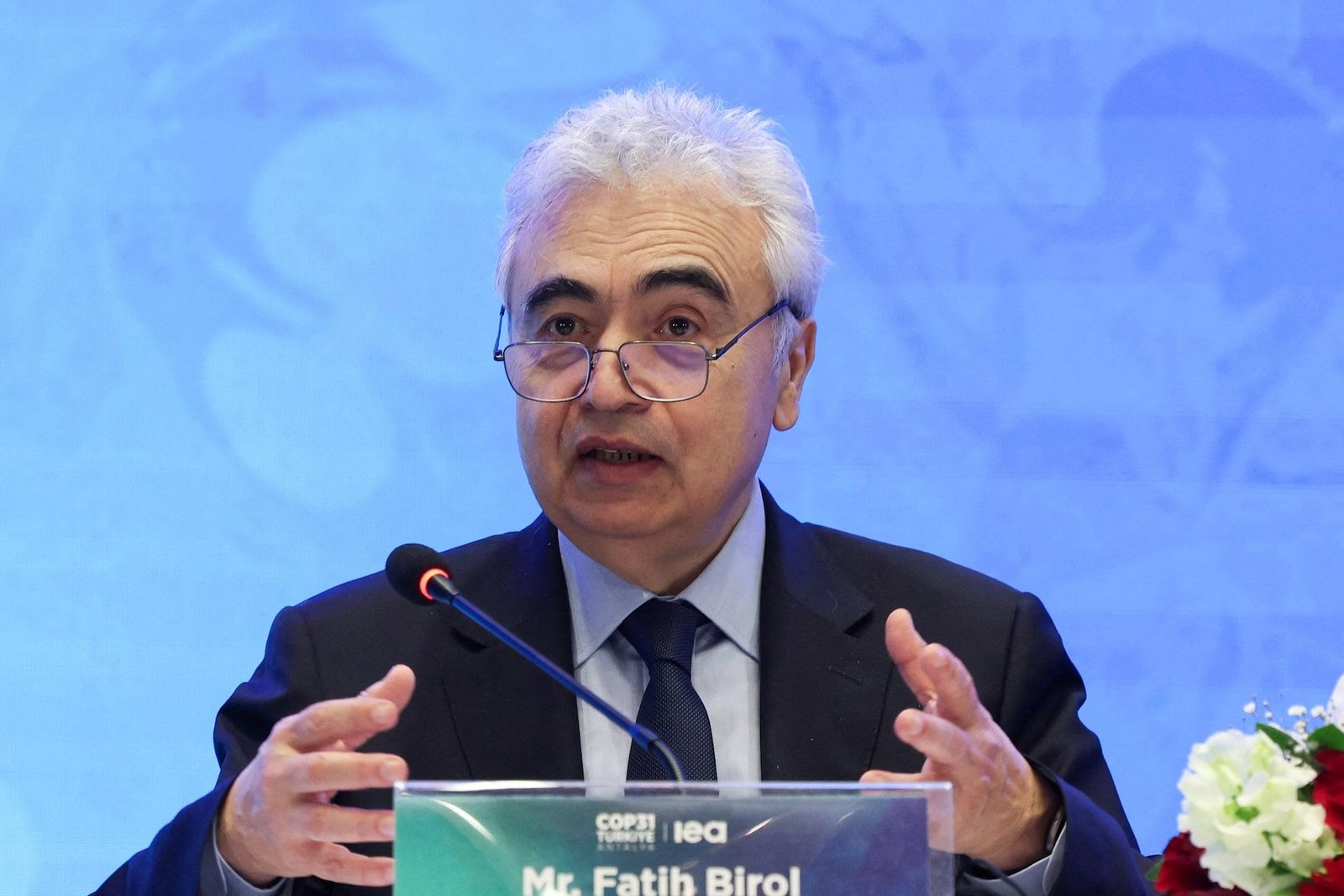
  • Demand-Side Solutions or Misplaced Responsibility? Issues with the Latest International Energy Agency Report on Easing Oil Prices

    Demand-Side Solutions or Misplaced Responsibility? Issues with the Latest International Energy Agency Report on Easing Oil Prices

    On 20 March, as global oil prices surge amid geopolitical tensions and supply, the International Energy Agency (IEA) released a new report outlining emergency measures to ease price pressures. Rather than focusing on increasing supply, the agency proposes a set of demand-side actions encouraging individuals and businesses to reduce oil consumption through behavioral changes such as working from home, limiting air travel, and reducing driving speeds.

    While these recommendations may offer short-term relief, they have sparked widespread debate. Critics argue that the measures are insufficient, inequitable, and shift responsibility onto consumers rather than addressing deeper structural issues in global energy markets.

    Overview of the IEA’s Proposed Measure

    The IEA’s recommendations are centered on reducing immediate oil demand. Key proposals include:

    1. Encouraging remote work where possible

    2. Reducing speed limits on highways

    3. Promoting public transportation and carpooling

    4. Limiting non-essential air travel

    5. Encouraging behavioral changes in energy consumption

    These measures aim to quickly lower fuel demand during a period of constrained supply, particularly due to disruptions in key oil transit routes.

    Key Issues and Criticisms

    1. Shifting Responsibility to Consumers

    One of the most prominent criticisms is that the IEA’s approach places the burden on individuals rather than governments or oil producers. Asking people to drive less or avoid flying may be practical in theory, but in reality, many workers lack the flexibility to change their routines.

    This raises concerns about fairness and accountability. Structural issues such as supply constraints, geopolitical instability, and energy policy failures are not directly addressed by consumer-level actions.

    2. Limited Impact on Global Oil Prices

    Although reducing demand can help stabilize markets, the scale of current supply disruptions significantly limits the effectiveness of such measures. Major chokepoints in global oil transport, particularly in politically sensitive regions, can impact a large share of global supply.

    As a result, even widespread adoption of the IEA’s recommendations is unlikely to produce substantial or sustained reductions in oil prices.

    3. A Short-Term Fix to a Long-Term Problem

    The IEA’s measures are inherently temporary. They are designed as emergency responses rather than long-term solutions. However, the underlying causes of high oil prices, geopolitical conflict, supply chain vulnerabilities, and dependence on fossil fuels require structural reforms.

    Without addressing these deeper issues, demand-reduction strategies risk becoming recurring stopgap measures rather than sustainable solutions.

    4. Implementation Challenges Across Countries

    The global nature of oil markets means that coordinated action is necessary for meaningful impact. However, implementing policies such as reduced speed limits or travel restrictions requires political will and public cooperation both of which vary widely across countries.

    In many regions, such measures could face resistance due to cultural, economic, or political factors, limiting their effectiveness on a global scale.

    5. Economic Consequences

    Reducing travel and commuting has broader economic implications. Industries such as aviation, tourism, and transportation could be negatively affected by decreased demand. Additionally, reduced mobility can have indirect effects on productivity and economic growth.

    While the goal is to stabilize energy prices, the trade-offs for certain sectors could be significant.

    6. Inequality and Accessibility Concerns

    Not all individuals are equally positioned to adopt the IEA’s recommendations. Lower-income groups, for example, are less likely to have jobs that allow remote work and may depend more heavily on private vehicles due to limited access to public transportation.

    This creates an uneven distribution of responsibility, where those with fewer resources bear a disproportionate burden of adjustment.

    7. Political Sensitivity and Public Acceptance

    Policies that directly affect daily life such as limiting travel or imposing restrictions on driving are often politically sensitive. Governments may be reluctant to enforce such measures due to the risk of public backlash.

    Past attempts at similar demand-reduction strategies have shown that public compliance can be difficult to achieve without strong incentives or clear communication.

    The International Energy Agency report offers a pragmatic set of tools to manage oil demand during a crisis. However, its reliance on behavioral changes highlights a broader tension in global energy policy: the balance between immediate action and long-term solutions.

    While demand-side measures can play a role in easing short-term pressures, they are not a substitute for structural reforms. Addressing supply vulnerabilities, investing in energy diversification, and accelerating the transition to renewable energy remain essential to achieving lasting stability in global energy markets.

    Ultimately, the effectiveness of the IEA’s recommendations will depend not only on public willingness to adapt, but also on the ability of policymakers to address the deeper challenges underlying the current energy crisis.

    References

    International Energy Agency. “Options to Ease Oil Price Pressures on Consumers”, 2026.

    Reuters. “IEA advises work from home and reduced travel to ease oil prices”, March 2026.

    The Guardian. “Energy watchdog suggests demand cuts amid rising oil prices”, March 2026.

    Financial Times. “Global energy risks and supply disruptions analysis”, 2026.