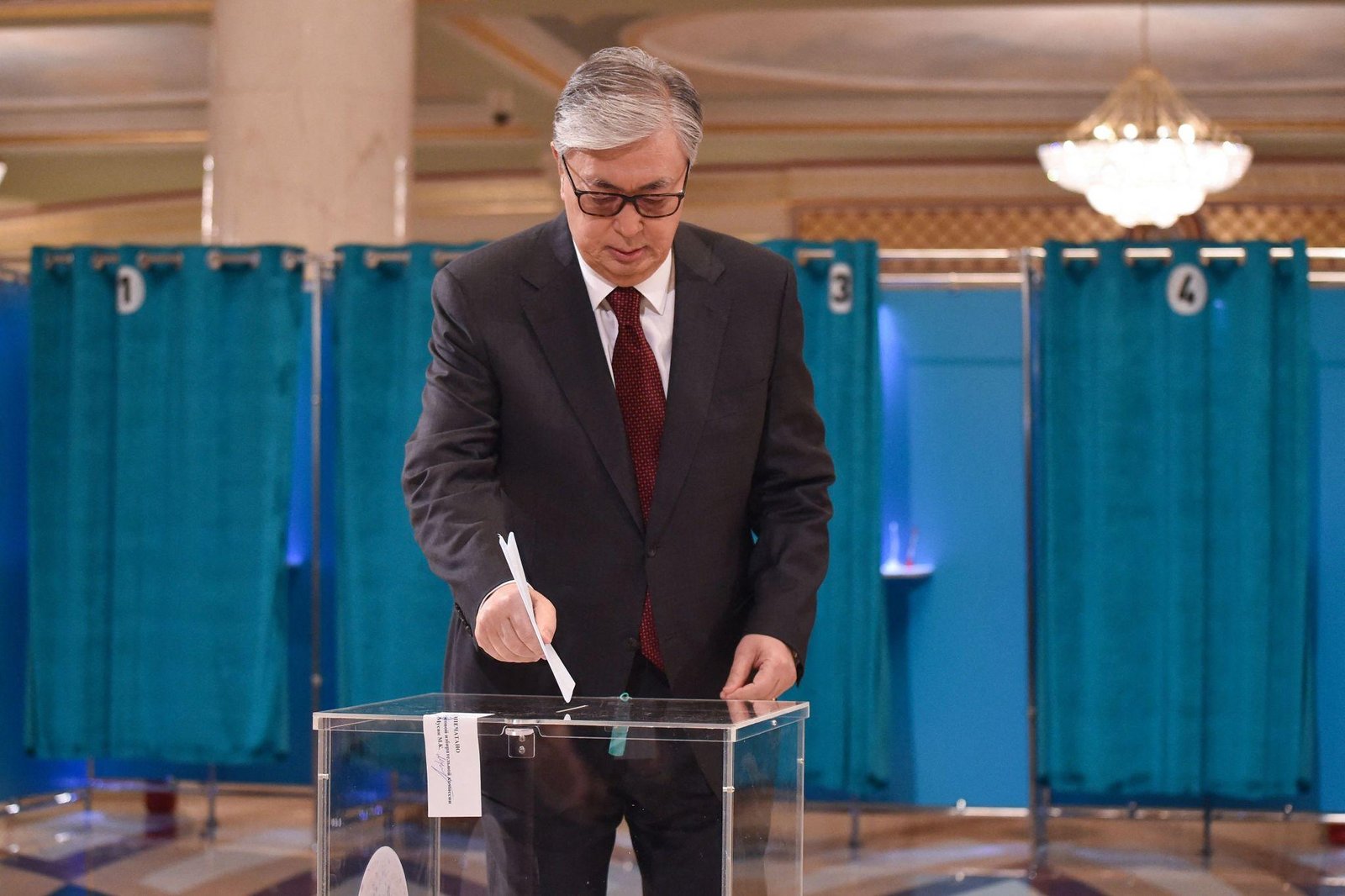
Kazakhstan has entered a new political chapter after a decisive national referendum approved sweeping constitutional reforms. While the government presents the changes as a step toward modernization and stability, critics warn they may signal a shift toward greater presidential control.
The developments place Kazakhstan at the center of international attention, as the country balances domestic reform with its growing role in global diplomacy and economic partnerships.
A Landslide Referendum Result
On March 15, 2026, Kazakhstan held a nationwide referendum to approve a new constitution. According to official figures, more than 87% of voters supported the reforms, with turnout exceeding 73%.
The strong result was framed by the government as a clear mandate for political transformation. President Kassym-Jomart Tokayev described the outcome as a “historic step” toward strengthening the state and modernizing governance.
However, international observers note that referendums in Kazakhstan have historically delivered overwhelming approval rates, raising questions about the competitiveness and openness of the political environment.
Sources: Reuters, AP News
What Has Changed in the Constitution?
The new constitutional framework introduces several major structural changes to Kazakhstan’s political system:
1. Transition to a Unicameral Parliament
Kazakhstan will move from a bicameral legislature to a single-chamber parliament, a shift the government argues will streamline lawmaking and reduce bureaucracy.
2. Return of the Vice Presidency
The reforms reintroduce the role of vice president, a position that could play a key role in political succession and continuity.
3. Expanded Presidential Powers
The president will now have broader authority to:
1. Appoint senior government officials
2. Influence legislative processes
3. Shape national policy more directly
4. Creation of a “People’s Council”
A newly established advisory body often referred to as a People’s Council will have the authority to initiate legislation and national referendums. Its members are expected to be appointed by the president.
Supporters argue these changes will create a more efficient and responsive government. Critics, however, see them as mechanisms that could weaken institutional checks and balances.
Sources: AP News, Reuters
Rising Concerns Over Democratic Backsliding
Despite the government’s assurances, the reforms have triggered concern among international organizations and analysts.
Amnesty International warned that the new constitution could undermine fundamental freedoms, including freedom of expression and peaceful assembly. The organization highlighted the risk of increasing restrictions on civil society and political opposition.
Political analysts also caution that:
1. The consolidation of power in the presidency may reduce democratic accountability
2. Opposition parties could face greater marginalization
3. Institutional independence may be weakened
Some experts suggest the reforms could allow Tokayev to maintain influence beyond his current term, which is scheduled to end in 2029, either through structural adjustments or political succession planning.
Sources: Amnesty International, Reuters
Economic Pressures Behind the Reform
The constitutional overhaul comes amid significant economic challenges.
1. Kazakhstan has been dealing with:
2. Rising inflation
3. Cost of living pressures
Public dissatisfaction over economic inequality
As Central Asia’s largest economy, Kazakhstan is also affected by regional instability, particularly the ongoing geopolitical tensions linked to the war in Ukraine.
Analysts believe the reforms may be partly aimed at ensuring political stability during economic uncertainty, allowing the government to respond more decisively to both domestic and external pressures.
Sources: AP News
Expanding International Partnerships
At the same time, Kazakhstan continues to strengthen its position on the global stage through a “multi-vector” foreign policy balancing relations with major powers.
Strengthening Ties with India
Kazakhstan has signaled its intention to deepen strategic cooperation with India, particularly in energy, trade, and regional security.
Engagement with the European Union
The European Union has welcomed the reforms cautiously, viewing them as an opportunity to expand collaboration in areas such as:
1. Energy exports
2. Infrastructure development
3. Transport corridors
Negotiations on visa facilitation between Kazakhstan and the EU are also reportedly progressing.
A Neutral Diplomatic Stance
Kazakhstan continues to position itself as a neutral player in global conflicts, emphasizing diplomacy over military involvement, an approach that has helped it maintain relationships with both Western nations and neighboring powers like Russia and China.
Sources: Qazinform, The Diplomat
Tourism and Economic Diversification Efforts
Beyond politics and diplomacy, Kazakhstan is also taking steps to diversify its economy.
One notable move is the introduction of new gambling zones aimed exclusively at foreign visitors. The policy is designed to:
1. Boost tourism revenue
2. Attract foreign investment
3. Reduce reliance on traditional sectors such as oil and gas
This reflects a broader strategy to modernize the economy and create new growth engines.
Sources: Industry reports, regional media
What This Means for Kazakhstan’s Future
Kazakhstan’s constitutional reform represents a turning point with far-reaching implications.
Potential Benefits:
1. Faster decision-making
2. Greater policy coordination
3. Improved political stability
Potential Risks:
1. Reduced democratic oversight
2. Concentration of political power
3. Erosion of civil liberties
The challenge for Kazakhstan will be balancing these competing dynamics ensuring stability and growth while maintaining credibility on the international stage.
Conclusion
Kazakhstan’s new constitution highlights the country’s ambition to modernize its governance and strengthen its global position. Yet it also raises critical questions about the future of democracy and political pluralism in the country.
As the reforms take effect in the coming months, both domestic observers and the international community will be watching closely to see whether Kazakhstan can deliver on its promises of progress without compromising fundamental freedoms.
References
Reuters. Kazakhstan approves new constitution with 87% vote in favour (March 2026)
AP News. Kazakhstan constitutional reforms and political impact (March 2026)
Amnesty International. Statement on Kazakhstan constitutional changes (2026)
European Union, Kazakhstan cooperation updates Qazinform. Kazakhstan international partnerships update (2026)
The Diplomat. Kazakhstan’s foreign policy analysis (2026)
Leave a Reply