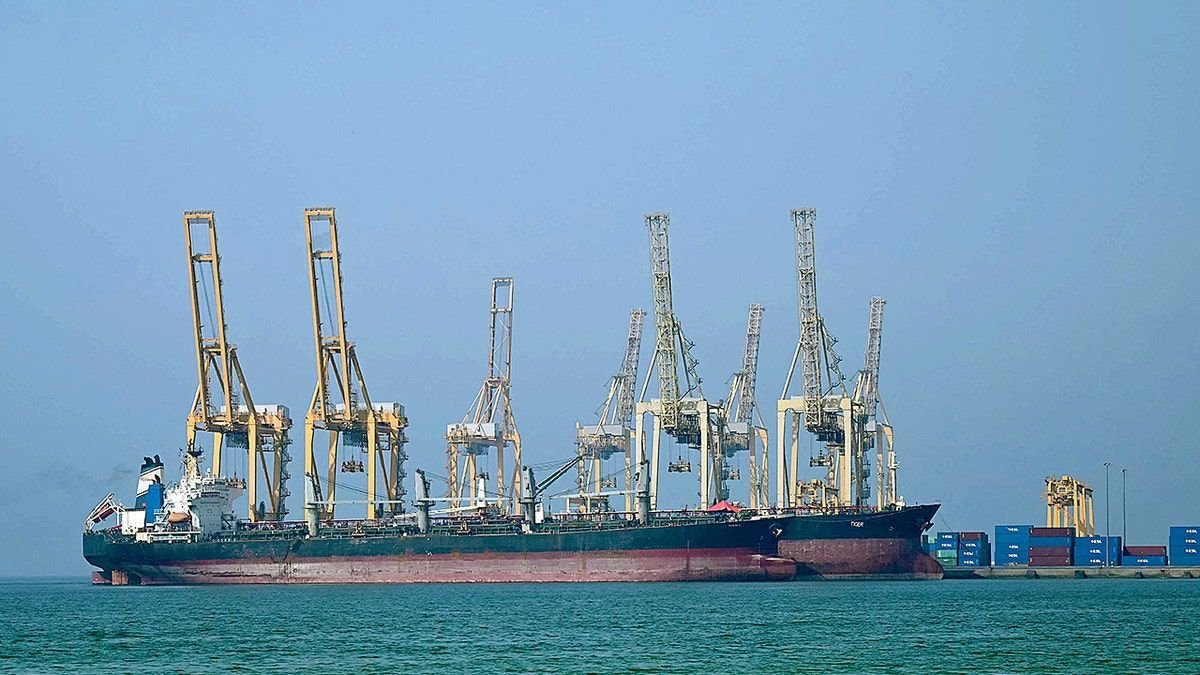
March 2026, the escalating confrontation between the United States and Iran is rapidly evolving into a global energy crisis, highlighting the fragile link between geopolitics and economic stability.
At the center of the disruption lies the Strait of Hormuz, a vital maritime chokepoint responsible for nearly 20% of global oil transit. Recent tensions and military positioning in the region have significantly reduced tanker movement, creating a major bottleneck in global energy supply.
Supply disruption and price escalation
Global oil markets have reacted sharply. Prices surged beyond $100–$110 per barrel, driven not only by speculation but by actual constraints in physical supply chains.
This divergence between futures markets and real supply availability has intensified volatility, with refineries and distributors struggling to secure stable deliveries.
U.S. response and policy recalibration
In response, the United States has implemented emergency measures, including releasing strategic petroleum reserves and reconsidering sanctions affecting oil exports. Notably, Washington has eased restrictions on certain Iranian oil shipments already in transit—an unusual move aimed at stabilizing supply in the short term.
Despite these actions, analysts warn that such interventions are insufficient to fully offset disruptions if instability in the Hormuz corridor persists.
Inflation and global economic spillover
Rising energy costs are now feeding into broader inflationary pressures. Increased fuel prices are driving up costs in transportation, manufacturing, and agriculture worldwide.
For emerging economies, the situation is more severe, with rising import costs, weakening currencies, and mounting fiscal pressure.
Energy as a geopolitical instrument
The crisis underscores a growing reality: energy is increasingly being used as a strategic geopolitical tool.
By leveraging its influence over the Strait of Hormuz, Iran has demonstrated its capacity to disrupt global economic systems without engaging in full-scale conventional warfare.
Outlook
Without a resolution that restores secure maritime transit, the global economy may face a prolonged period of elevated energy prices and instability.
References
Reuters – Hormuz tensions & U.S. response
Maritime security analysis – Strategic importance of Hormuz
Times of India – Oil price surge & supply disruption
Global economic reports – Inflationary impact of oil shock
Leave a Reply