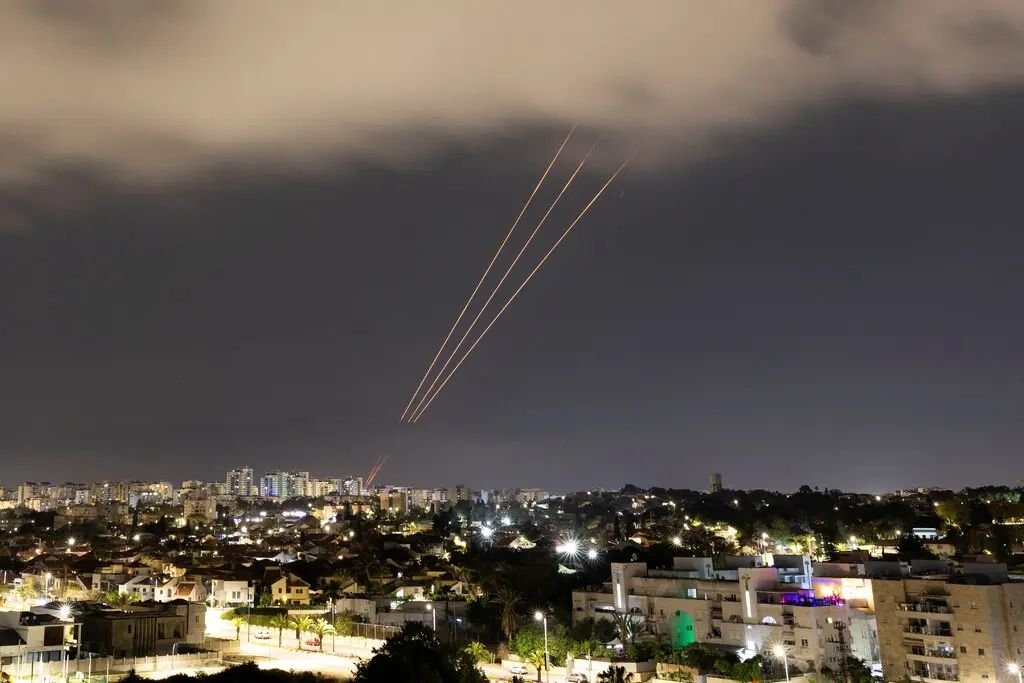
The latest escalation of conflict in the Middle East is sending shockwaves through the global economy, deepening inequality between nations and within societies as rising energy prices, food insecurity, and financial instability disproportionately affect the world’s poorest.
Oil Shock Drives Unequal Economic Pain
At the heart of the crisis is a disruption to global energy markets. The region accounts for a critical share of global oil supply, with around 20% of the world’s oil passing through the Strait of Hormuz, making it highly vulnerable to conflict-related disruptions.
Oil prices have surged above $100 per barrel, with projections suggesting spikes beyond $150 if the conflict escalates further. According to the International Monetary Fund, a sustained 10% increase in oil prices can raise global inflation by about 0.4 percentage points while slowing economic growth.
While wealthier nations can rely on reserves and policy tools, poorer countries face immediate fiscal strain, widening the global economic divide.
Developing Nations Bear the Brunt
The impact is especially severe in lower-income, energy-importing countries such as Pakistan, Bangladesh, and Kenya.
In Pakistan, which imports over 70% of its energy, rising oil prices are worsening inflation and increasing debt repayment pressure. Similarly, Bangladesh faces power shortages that threaten its export-driven garment industry, putting millions of low-wage jobs at risk.
In Kenya, where households spend a significant portion of income on food, rising fuel costs have driven sharp increases in food prices, intensifying the cost-of-living crisis.
Meanwhile, countries like Egypt, one of the world’s largest wheat importers and Sri Lanka, still recovering from economic collapse, face growing risks of fiscal instability and social unrest.
Malaysia: Caught Between Opportunity and Rising Costs
For Malaysia, the impact is more complex. As a net oil and gas exporter, the country can benefit from higher global energy prices through increased revenues, particularly via national oil company Petronas.
However, these gains come with trade-offs;
Malaysia maintains fuel subsidies to shield consumers from global price volatility. As oil prices rise, the government faces increased fiscal pressure to sustain these subsidies, which can strain public finances.
Although headline inflation in Malaysia remains lower than in many developing countries, lower-income households still feel the squeeze, particularly in urban areas where living costs are higher.
Economists warn that if global oil prices remain elevated, Malaysia may need to recalibrate subsidies or increase targeted aid, balancing fiscal sustainability with social protection.
Food Crisis Threatens Hundreds of Millions
The economic shock is spilling into global food systems. Rising fuel and fertilizer costs are pushing food prices higher, while supply chain disruptions limit availability.
The World Food Programme warns that up to 363 million people worldwide are now facing acute food insecurity, with tens of millions at risk of being pushed into hunger due to the crisis.
Low-income households are hardest hit, as they spend a larger share of their income on basic necessities, making even small price increases devastating.
Trade and Supply Chains Under Pressure
Global trade is also slowing. Disruptions to key shipping routes are increasing transport costs and delaying deliveries.
The World Trade Organization estimates global trade growth could fall to around 1.9% in 2026, down sharply from previous expectations.
For developing economies that depend heavily on exports, this slowdown translates into job losses, reduced incomes, and widening inequality.
Financial Markets Deepen the Divide
Financial markets are reacting with caution, with investors shifting toward safe-haven assets such as the U.S. dollar.
While this benefits advanced economies, it places additional pressure on emerging markets by:
1. Increasing the cost of servicing foreign debt
2. Triggering capital outflows
3. Weakening local currencies
This dynamic further limits growth in already vulnerable economies.
Rising Risk of Global Recession
Economists warn that prolonged high oil prices could push the global economy toward recession. Oil prices sustained above $138 per barrel significantly increase recession risks.
The International Monetary Fund had projected global growth of 3.3% in 2026, but the ongoing conflict now threatens to derail that outlook.
Conclusion: A Crisis That Deepens Global Divides
The Middle East conflict is no longer confined to geopolitics; it has become a powerful driver of global economic inequality.
From Pakistan to Kenya, vulnerable nations are facing rising inflation, food insecurity, and financial strain with limited capacity to respond. Meanwhile, countries like Malaysia illustrate the complex middle ground benefiting from higher energy prices while still grappling with rising living costs at home.
Without coordinated global intervention, the long-term impact could be profound: a more divided global economy where the poorest countries and communities bear the heaviest burden of a crisis they did little to create.
References
International Monetary Fund
International Monetary Fund. (2026, March 3). Statement on the economic impact of Middle East tensions. https://www.imf.org/en/news/articles/2026/03/03/pr-26068-statement-on-middle-east
Reuters
Reuters. (2026, March 3). Middle East war economic impact depends on duration and energy costs, IMF says. https://www.reuters.com/world/middle-east/middle-east-war-economic-impact-depend-duration-damage-energy-costs-imf-official-2026-03-03/
The Guardian
The Guardian. (2026, March 22). Iran war could push the global economy toward inflation and crisis. https://www.theguardian.com/news/ng-interactive/2026/mar/22/iran-war-global-economy-donald-trump-oil-prices-inflation
The Guardian
The Guardian. (2026, March 19). Oil prices and global trade slowdown amid geopolitical tensions. https://www.theguardian.com/business/2026/mar/19/oil-prices-ai-boom-wto-iran-war-energy-global-economy
World Food Programme
World Food Programme. (2026). Global report on food crises 2026. https://www.wfp.org/publications/global-report-food-crises-2026
World Trade Organization
World Trade Organization. (2026). Global trade outlook and statistics 2026.
https://www.wto.org/english/res_e/statis_e/wts2026_e/wts2026_e.pdf
The Washington Post
The Washington Post. (2026, March 19). How the Middle East conflict is affecting the global economy.
https://www.washingtonpost.com/world/2026/03/19/iran-war-global-economic-impact/
Leave a Reply