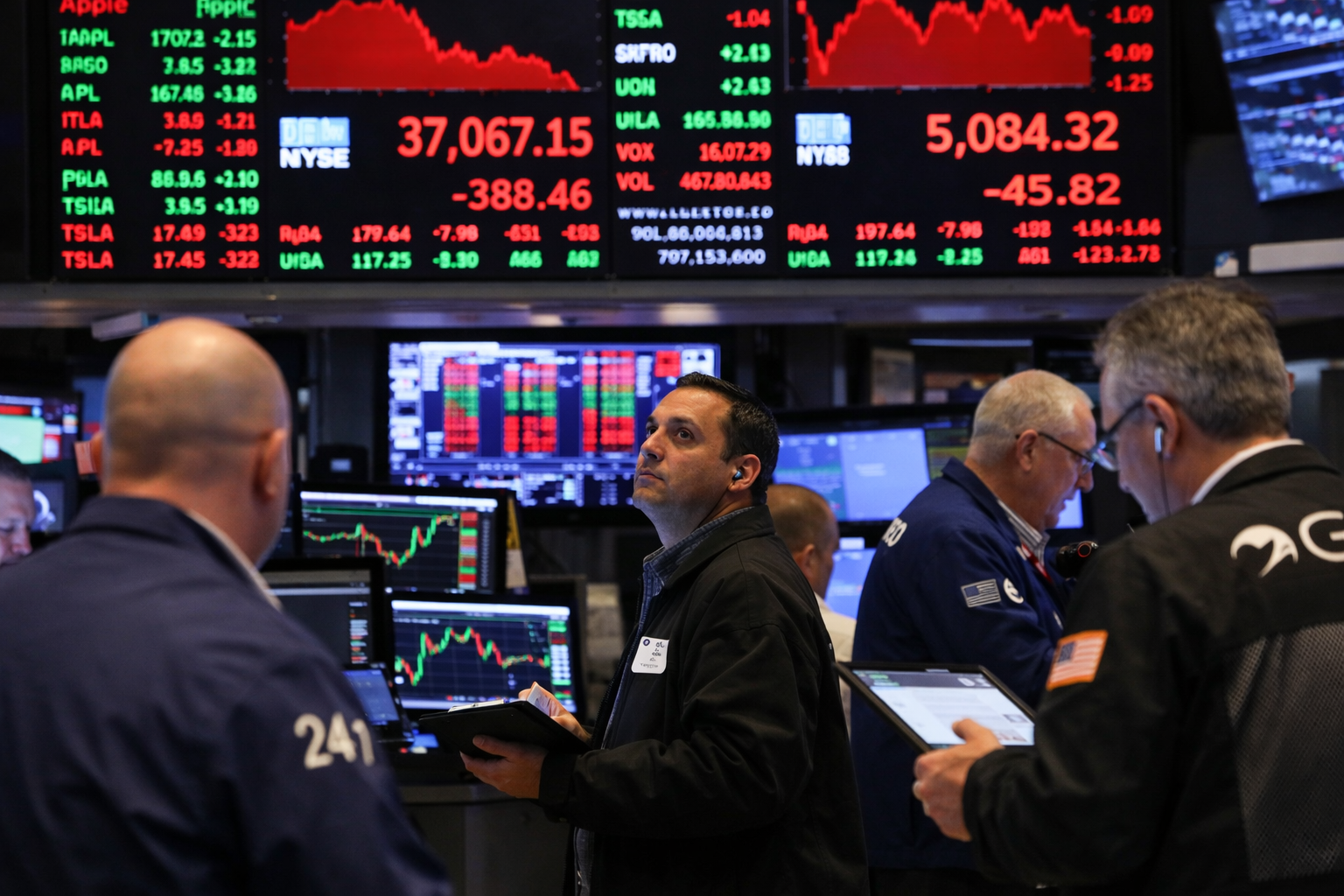
As global markets prepare for the opening bell, the overall tone appears calm, almost indifferent to the steady stream of geopolitical headlines. Yet beneath this surface-level stability lies a far more fragile structure, shaped by uncertainty, shifting macroeconomic signals, and a market that is increasingly selective in what it chooses to react to.
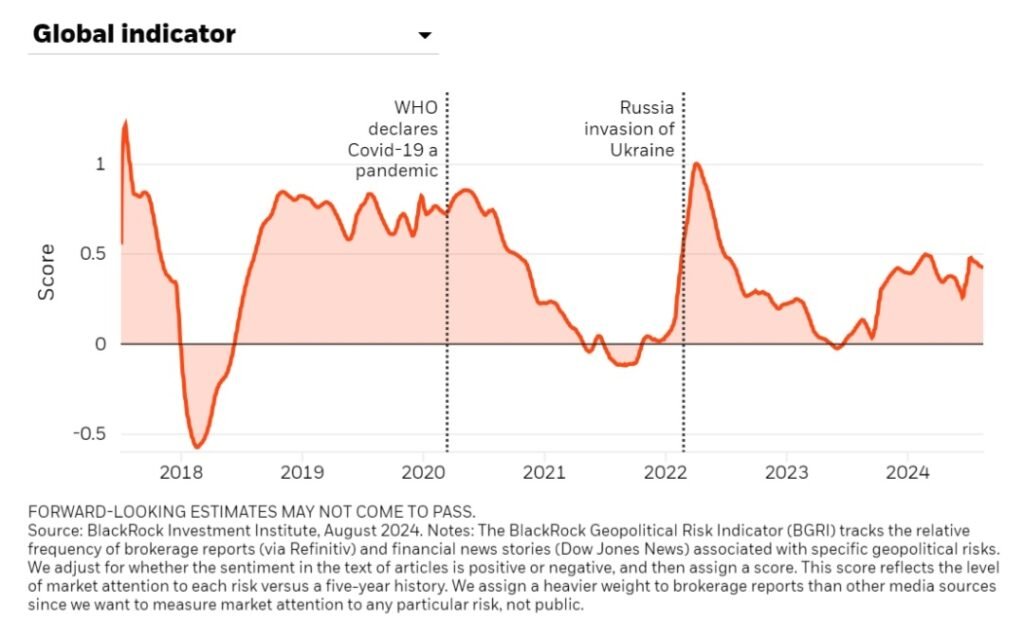
In recent sessions, investors have shown signs of fatigue toward ongoing geopolitical tensions, particularly those linked to developments in the Middle East. While such events would typically trigger sharp movements across equities, currencies, and commodities, the current response has been more muted. This does not signal confidence, but rather a transition into a phase where markets are filtering out noise and waiting for clearer, more decisive catalysts.
One of the most influential drivers at this moment is the movement in global oil prices. After surging above the USD110 mark in previous sessions, crude has begun to retreat below USD100. This shift has provided temporary relief to markets, especially in the context of inflation expectations. Lower energy prices tend to ease pressure on central banks, reducing the urgency for aggressive monetary tightening. As a result, equities have found short-term support, with investors cautiously rotating back into risk assets.
At the same time, the US dollar has weakened, reflecting a broader shift in risk sentiment. Traditionally viewed as a safe haven, the dollar tends to strengthen during periods of uncertainty. However, as expectations of escalation begin to soften, capital flows are gradually moving away from defensive positioning. This has created a more supportive environment for equities and other higher-yielding assets, while also offering some breathing room to emerging markets.
Despite these seemingly positive signals, the role of central banks remains a critical underlying factor. Markets are actively reassessing the trajectory of interest rates, particularly in the United States. Even in the absence of immediate policy announcements, subtle changes in expectations can drive significant market movements. Investors are now less focused on current data and more on forward guidance, attempting to anticipate whether policymakers will maintain a restrictive stance or begin to ease.
Another notable shift is the evolving behavior of the market itself. Where once headlines could trigger immediate and often exaggerated reactions, there is now a growing tendency to ignore minor developments. This “noise filtering” dynamic suggests a more mature but also more unpredictable environment. When markets do react, the moves tend to be sharper and more concentrated, increasing the risk of sudden volatility spikes and false signals for traders.
This creates a delicate psychological balance. On one hand, there is cautious optimism that geopolitical tensions may de-escalate, allowing markets to stabilize and recover. On the other, the underlying risks have not disappeared. Any unexpected escalation or negative development could quickly reverse current trends, triggering a rapid shift back into defensive assets.
In essence, the market is operating in a state of fragile equilibrium. Stability exists, but it is conditional and highly sensitive to external developments. The calm seen ahead of the opening bell should not be mistaken for strength, but rather understood as a pause a moment of hesitation before the next decisive move.For investors and traders alike, this environment demands a more disciplined and strategic approach. Short-term opportunities remain, but they come with heightened risk. In a market driven less by data and more by narrative, understanding the broader macro landscape is no longer optional it is essential.
Because in times like these, what appears quiet on the surface may simply be the market waiting for its next trigger.