1 April 2026
The U.S. dollar remains strong in the near term, supported by global uncertainty and its role as a safe-haven asset. However, recent developments involving Japan, Iran, and the Chinese yuan have introduced a new layer of uncertainty that could shape the future of global currency dynamics.
At the center of attention is Iran’s reported push to explore oil transactions denominated in yuan, particularly in the context of heightened geopolitical tensions and disruptions around the Strait of Hormuz. As one of the world’s most critical energy chokepoints, any shift in how oil is traded through this region carries significant implications, not just for energy markets but for the global financial system.
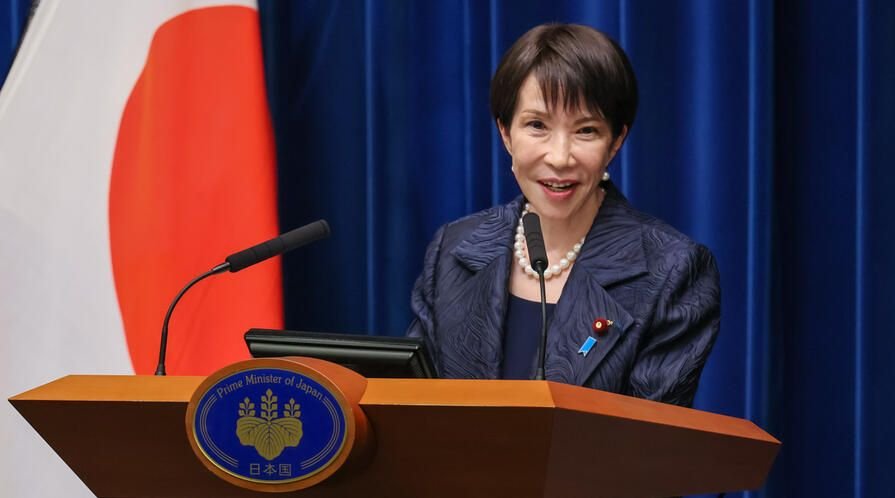
Japan’s position adds further complexity. As a major importer of Middle Eastern oil and a key ally of the United States, Japan is highly sensitive to supply disruptions. While there is no confirmed agreement that Japan has shifted to yuan-based oil payments with Iran, discussions surrounding alternative settlement methods have been enough to capture market attention.
For investors, the concern is not whether such a deal has already been finalized. Rather, it is the possibility that major economies could begin considering alternatives to the U.S. dollar under geopolitical pressure. Even limited adoption of yuan-based transactions in energy trade could signal a gradual shift in global market behavior.
Iran’s strategy reflects a broader trend often described as de-dollarization. By promoting the use of yuan in oil transactions, Tehran is attempting to reduce reliance on the U.S. dollar while aligning more closely with China’s growing economic influence. This is not entirely new, as China has already engaged in non-dollar energy trade with certain partners. However, linking currency preferences to critical shipping routes introduces a more strategic dimension.
Despite these developments, the dominance of the U.S. dollar remains intact. During periods of crisis, global capital continues to flow into dollar-denominated assets, reinforcing its position. This creates a dual dynamic where the dollar strengthens in the short term, even as long-term structural questions begin to emerge.
The key issue lies in perception. Markets are forward-looking, and even early-stage discussions about alternative systems can influence sentiment. The idea that oil trade, historically anchored in dollars, could diversify into other currencies challenges a fundamental pillar of the global financial system.
In conclusion, while there is no confirmed shift by Japan toward yuan-based oil transactions with Iran, the narrative itself is significant. It reflects a changing geopolitical environment where currency, energy, and strategy are increasingly interconnected.
The dollar remains dominant today. But the growing discussion around alternatives suggests that its long-term trajectory may be entering a new phase of uncertainty.
Leave a Reply