3 April 2026
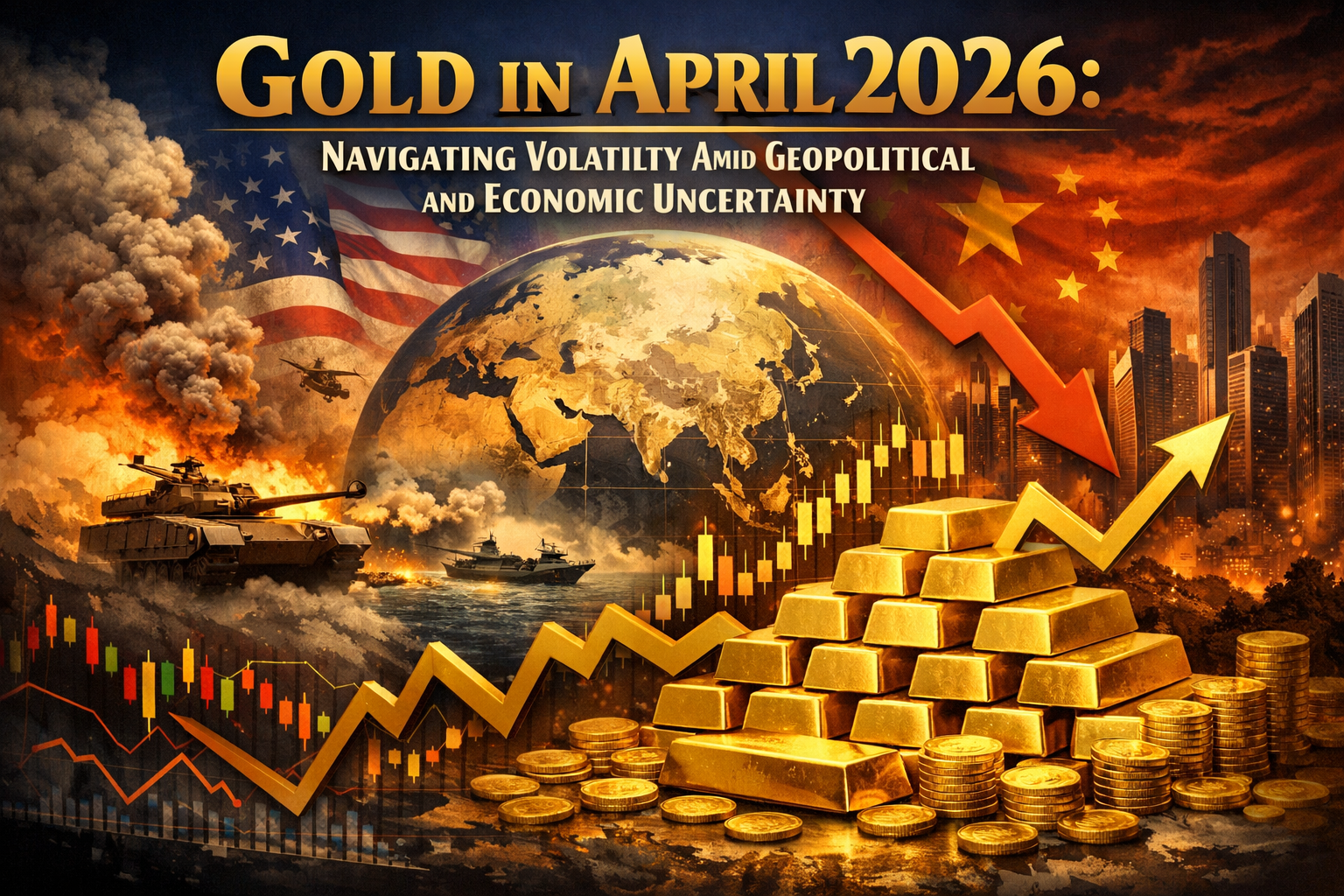
Gold prices have drawn significant attention in early April 2026 as global markets respond to a combination of geopolitical uncertainty, macroeconomic developments, and changing investor expectations. After a recent rally that pushed spot gold above four thousand seven hundred dollars per ounce, prices have eased to around four thousand six hundred to four thousand six hundred twenty dollars per ounce. This pullback reflects profit-taking by investors and the strengthening of the U.S. dollar, which makes non-yielding assets like gold less attractive in the short term.
Despite recent moderation, gold continues to function as a key safe-haven asset. Rising tensions in the Middle East and ongoing uncertainty in global markets have maintained underlying demand for bullion. Central bank purchases remain an important structural factor supporting gold, providing a foundation for longer-term stability even as short-term price movements fluctuate. Investors are closely monitoring upcoming U.S. economic reports, particularly labor data and inflation figures. Stronger-than-expected numbers tend to boost the dollar and pressure gold, while weaker data generally supports bullion as investors seek protection against economic volatility.
From a technical perspective, gold has demonstrated resilience around the four thousand six hundred dollar level, which has acted as a reliable support during recent declines. Resistance has been observed near four thousand eight hundred dollars, creating a clear near-term trading range. Market participants are paying attention to how gold reacts to shifts in risk sentiment, oil price movements, and expectations for interest rates, as these elements continue to shape safe-haven flows and influence short-term volatility.
The behavior of gold over the past few weeks illustrates the complexity of the current market environment. Traditional safe-haven logic has not always applied, with the metal occasionally moving in tandem with equities rather than diverging from them during periods of stress. This unusual pattern reflects the broader influence of liquidity needs and global capital flows, which can override conventional investor behavior. Analysts caution that short-term volatility should not obscure the metal’s longer-term role as a hedge against inflation and uncertainty.
For investors, the current environment underscores the importance of disciplined risk management. Accumulating gold on dips near established support levels may offer attractive entry points, but positions should be calibrated according to broader macroeconomic trends and geopolitical developments. Strategic allocation remains crucial, particularly for portfolios seeking diversification and protection against market turbulence. Gold’s combination of historical stability and structural demand factors continues to make it a key component in diversified investment strategies.
Looking ahead, market observers expect that gold will remain sensitive to geopolitical developments, particularly in regions where conflict and uncertainty persist. Economic indicators in major economies, including inflation data and central bank policy decisions, will continue to influence both investor sentiment and bullion prices. While short-term movements may be unpredictable, gold’s long-term appeal as a store of value and hedge against risk remains intact. Investors who carefully consider timing, maintain awareness of market drivers, and employ disciplined risk management strategies are likely to find opportunities in this dynamic environment.
In summary, gold has shown both resilience and volatility in early April 2026. Short-term fluctuations are shaped by economic data, currency strength, and geopolitical events, while longer-term fundamentals such as central bank demand and safe-haven appeal continue to provide support. For investors, disciplined analysis and strategic positioning are key to navigating this period of uncertainty, and gold remains an essential asset for hedging and diversification.
Leave a Reply