March 25, 2026
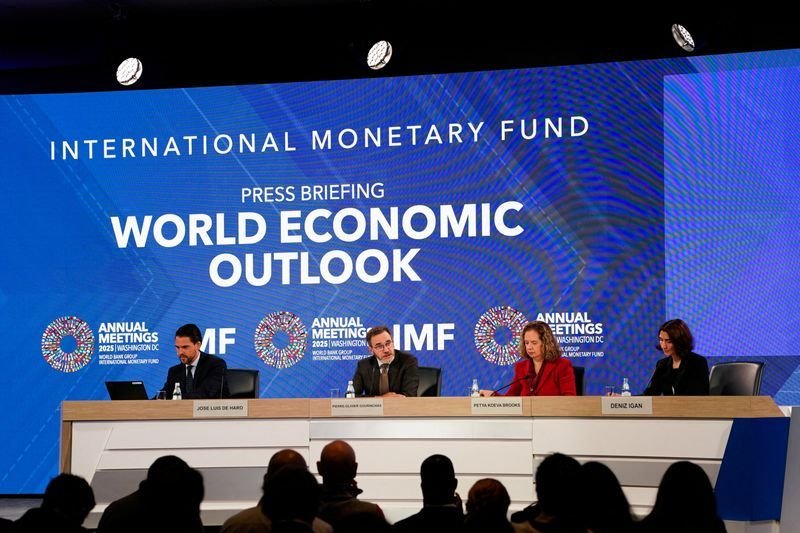
The International Monetary Fund is intensifying its engagement with vulnerable economies as rising debt burdens and elevated energy prices heighten risks to global financial stability.
The Washington-based lender is preparing to deepen discussions with several developing nations facing tightening financial conditions, as higher borrowing costs and weaker currencies strain public finances. The move signals growing concern that a new wave of debt stress could emerge across parts of the developing world.
Energy-driven inflation has become a central challenge. A sustained increase in oil prices has widened trade deficits for import-dependent economies, while adding pressure on already fragile fiscal positions. Policymakers are being forced to navigate a narrowing path between supporting growth and containing inflation.
Officials at the International Monetary Fund have warned that prolonged supply-side shocks could dampen global growth prospects, particularly in economies with limited policy buffers. The risks are compounded by volatile capital flows, as investors shift toward safer assets amid geopolitical uncertainty.
The situation is most acute in emerging markets, where external vulnerabilities are being exposed by a stronger dollar and rising global interest rates. Currency depreciation has made it more expensive to service foreign-denominated debt, increasing the likelihood of fiscal stress.
At the same time, coordination with the World Bank is expected to intensify ahead of upcoming policy discussions, where officials will assess the broader implications of rising debt levels and global economic fragmentation.
For many governments, the policy trade-offs are becoming increasingly difficult. Raising interest rates may help stabilize currencies, but risks slowing domestic growth. Allowing currencies to weaken, meanwhile, could further accelerate inflation.
The International Monetary Fund has indicated that early intervention and policy discipline will be critical in preventing localized stress from evolving into broader financial instability.
As global conditions remain uncertain, the focus is shifting toward how effectively international institutions and national policymakers can respond to a more volatile and constrained economic environment.
Leave a Reply