Tehran, March 26, 2026
Iran has rejected a U.S. ceasefire plan, while reinforcing its hold over the Strait of Hormuz, a critical route for global oil traffic. The announcement has heightened concerns over oil supply and driven prices higher.
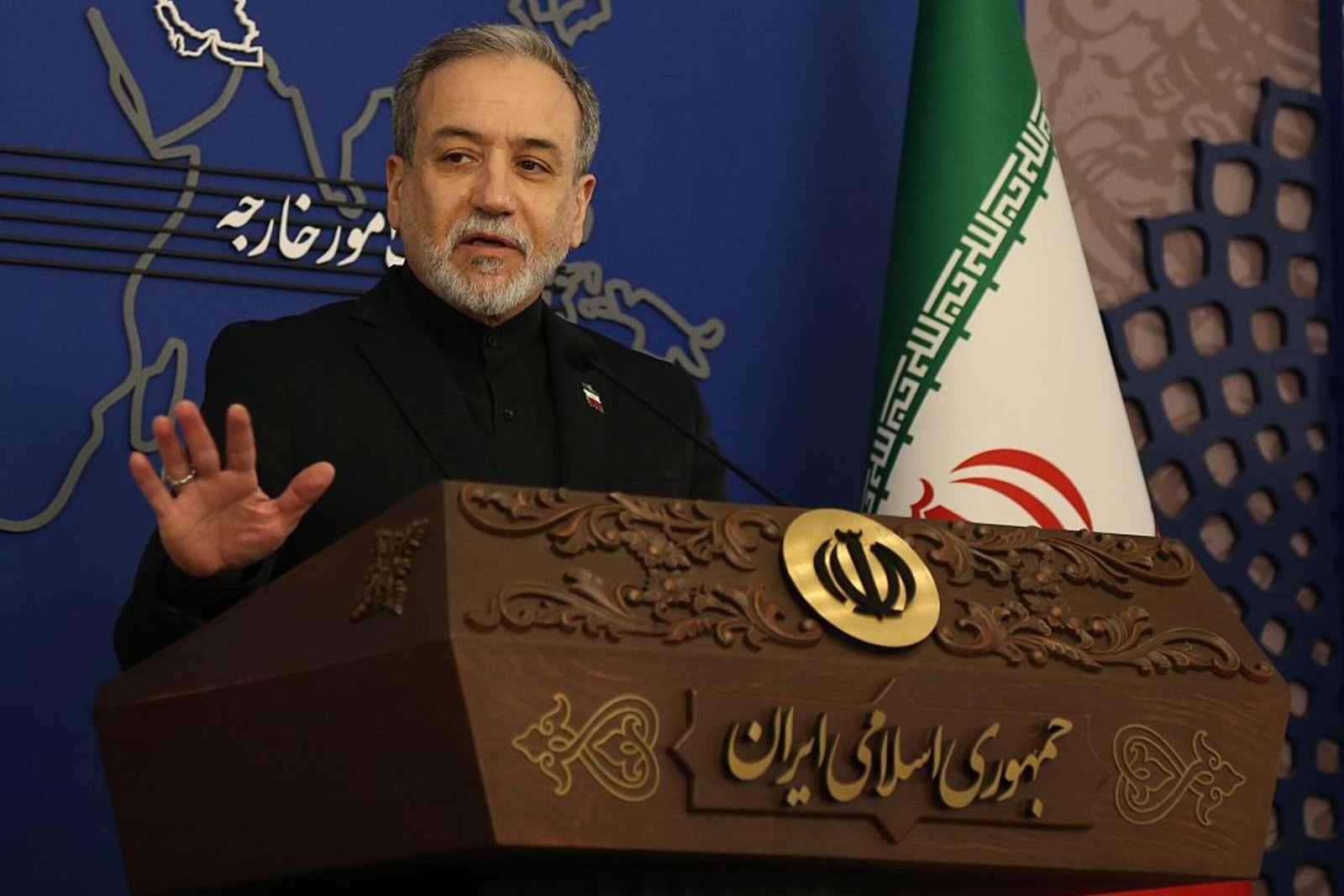
Tehran dismissed the U.S. proposal reportedly offering sanctions relief and security assurances as inadequate. Iranian officials said any halt in hostilities must include guarantees against future attacks, reparations for war damage, and recognition of Iran’s regional interests. They have stressed that a ceasefire under U.S. terms is unacceptable.
The Strait of Hormuz, through which nearly 20% of the world’s oil flows, is now under strict Iranian control. Analysts describe Tehran’s measures as a de facto “toll booth”, permitting some vessels to pass while blocking or delaying others. Shipping restrictions have already disrupted tanker schedules, intensifying global energy market volatility.
The introduction of what analysts describe as a “toll-like” system is already producing wide-ranging economic effects. Shipping costs have surged as insurers raise premiums for vessels transiting the area, while some companies are rerouting shipments around Africa, adding significant time and expense. Energy-importing countries in Asia are particularly exposed, facing tighter supply and rising fuel costs. The uncertainty has also rattled global markets, with traders pricing in the risk of prolonged disruption at one of the world’s most vital energy chokepoints.
The U.S. and allied nations have expressed alarm. Military assets have been repositioned in the region, and options for secure passage including convoy escorts and mine-clearing operations are reportedly under discussion.
The rejection marks another setback for diplomacy. Fighting continues across multiple fronts, including strikes affecting Israel and Gulf Arab nations. Iranian authorities describe U.S. proposals as detached from realities on the ground, highlighting the current stalemate in negotiations.
Experts warn that Iran’s firm refusal to accept U.S. terms without concessions particularly over the Strait of Hormuz signals a prolonged period of geopolitical tension. Analysts suggest any resolution will likely require multilateral mediation and meaningful compromises from both sides.
The standoff underscores the fragility of diplomacy in conflict zones and highlights the strategic importance of chokepoints like Hormuz in global trade and energy security.
Leave a Reply