Blog

  • Strait of Hormuz Open Again Under Temporary Ceasefire

    Strait of Hormuz Open Again Under Temporary Ceasefire

    18 April 2026

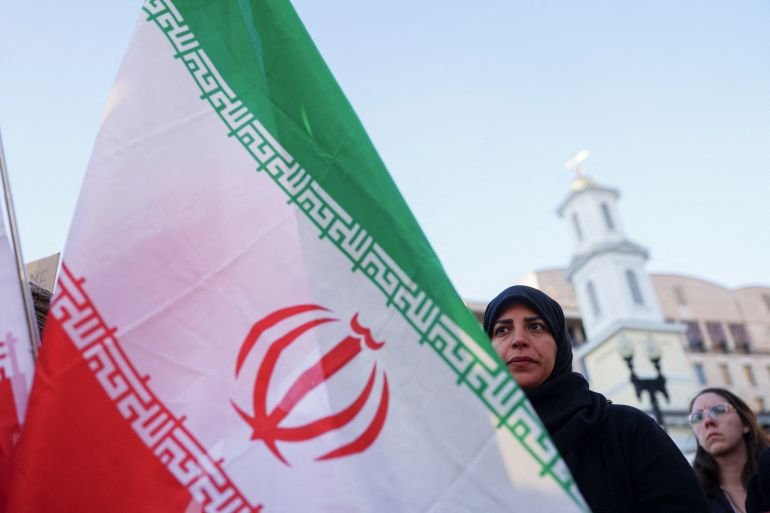
    The strategic Strait of Hormuz has reopened to commercial shipping following a newly announced ceasefire tied to escalating tensions between Iran, Israel, and the United States, offering a brief moment of relief to global markets and regional actors. The reopening comes as part of a broader 10-day ceasefire agreement between Israel and Lebanon, raising cautious optimism that the conflict, which has intensified in recent weeks, may be entering a period of de-escalation.

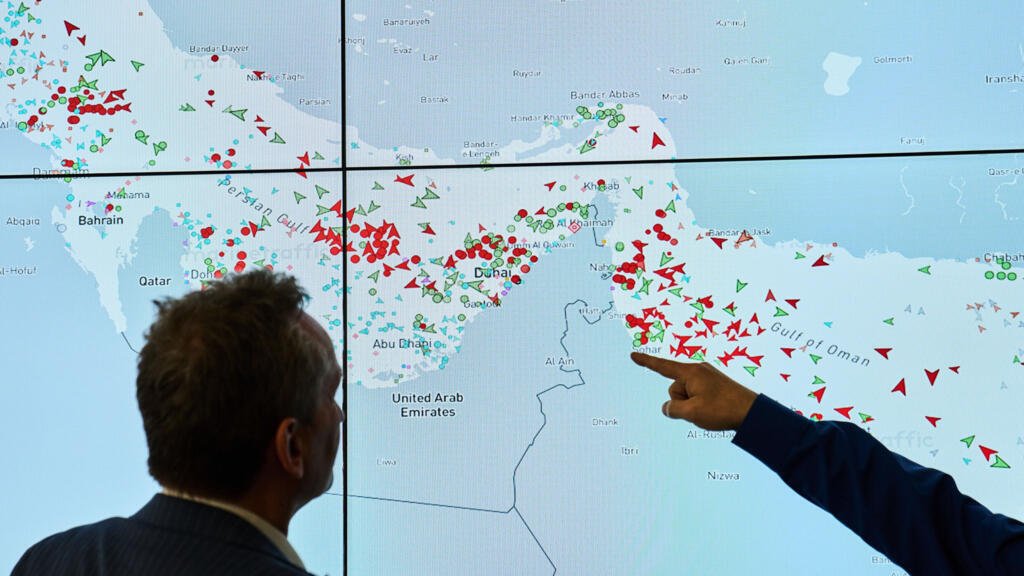
    Iranian authorities confirmed that vessels are once again permitted to transit through the narrow but critical waterway, which carries roughly a fifth of the world’s oil supply. The move is widely seen as a signal of temporary restraint, as the Strait of Hormuz has long been a flashpoint during periods of confrontation involving Tehran and Western powers. Any disruption to this route has immediate and far-reaching consequences for global energy markets, making its reopening a significant development.

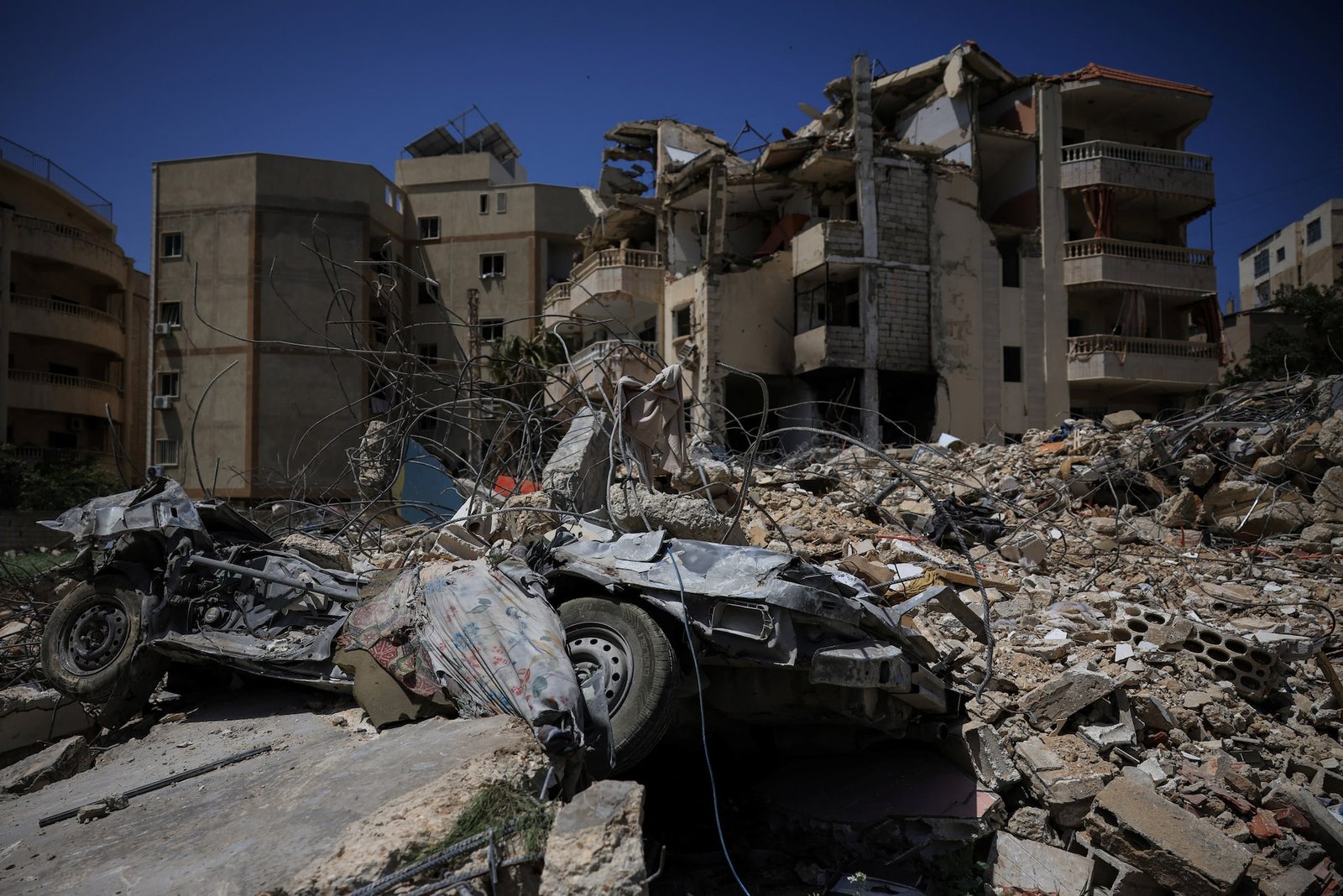
    The ceasefire itself follows weeks of heavy fighting between Israeli forces and armed groups in southern Lebanon. According to regional reports, more than 2,000 people have been killed since early March, with thousands more displaced amid sustained airstrikes and cross-border exchanges. The agreement, though limited in duration, has brought a halt to active hostilities, allowing humanitarian aid to reach affected populations and providing civilians with a brief reprieve from violence.

    Despite these developments, the broader geopolitical situation remains highly volatile. The United States has maintained its firm stance against Iran, with former President Donald Trump stating that the ongoing naval blockade targeting Iranian trade routes will remain in place until a comprehensive agreement is reached. This position underscores Washington’s continued strategy of exerting economic and military pressure on Tehran, even as diplomatic signals suggest that negotiations may be underway.

    Analysts note that the reopening of the Strait of Hormuz does not necessarily indicate a long-term shift in Iran’s posture. Rather, it reflects a tactical decision aligned with the ceasefire timeline. Should hostilities resume or negotiations collapse, the waterway could once again become a focal point of confrontation.

    The temporary nature of the arrangement has left shipping companies and insurers cautious, with many closely monitoring the situation before fully resuming operations.Meanwhile, global oil markets have responded with measured relief. Prices, which had surged amid fears of a prolonged closure, began to stabilize following the announcement. However, experts warn that volatility is likely to persist given the fragile security environment and the possibility of renewed escalation once the ceasefire expires.

    Regional leaders and international organizations have called for efforts to extend the ceasefire and transition toward a more durable political solution. The United Nations has urged all parties to engage in dialogue and avoid actions that could reignite hostilities. Humanitarian groups have also emphasized the need for sustained access to conflict zones, warning that a return to fighting would further deepen the crisis.

    For now, the reopening of one of the world’s most vital maritime corridors and the temporary cessation of violence offer a rare window of calm in an otherwise tense region. Whether this moment can be transformed into lasting peace remains uncertain, as underlying tensions between Iran, Israel, and the United States continue to shape the trajectory of the conflict.

  • Gold Market Analysis Stability Versus Strategic Positioning in an Elevated Price Environment

    Gold Market Analysis Stability Versus Strategic Positioning in an Elevated Price Environment

    Friday 17 April 2026

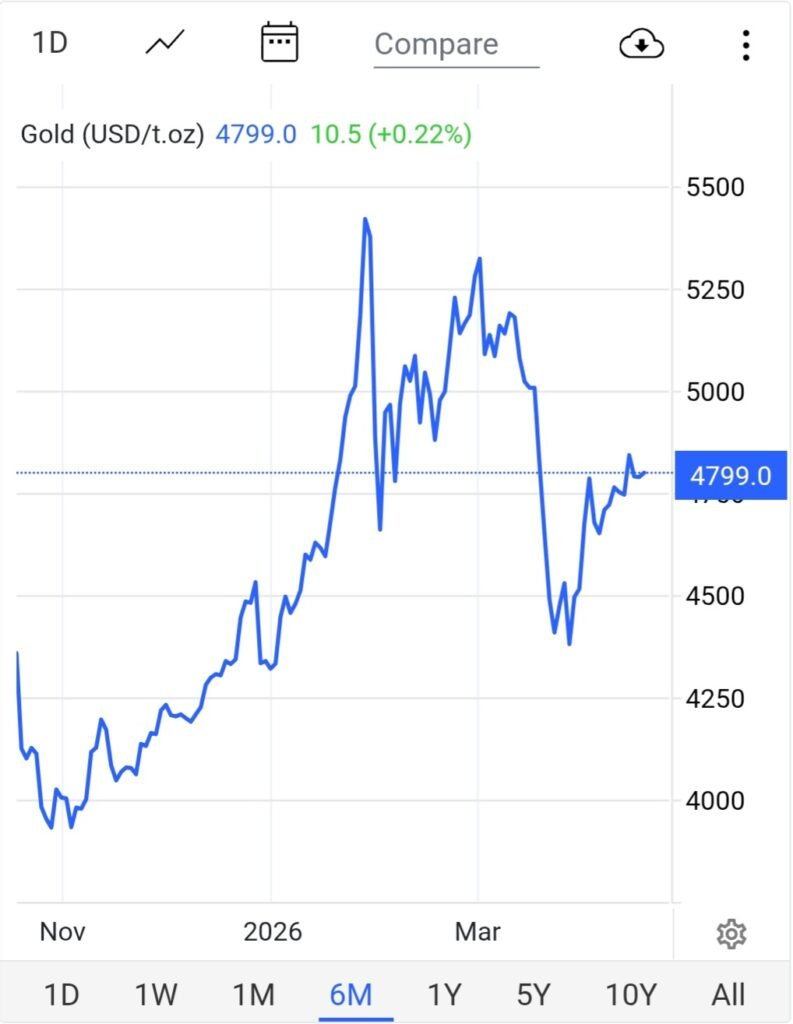
    Gold remains firmly positioned near historically elevated levels, reflecting sustained demand driven by global uncertainty, shifting interest rate expectations, and continued investor preference for defensive assets. Despite periodic fluctuations in sentiment across equity markets, gold has maintained resilience, suggesting that market participants still view it as a core hedge rather than a short term speculative instrument.

    At current pricing levels, the gold market is showing characteristics of a mature upward cycle. The pace of gains has moderated compared to earlier phases of the rally, yet there is no clear evidence of broad distribution or aggressive selling pressure. Instead, price action indicates consolidation within a high range, which often signals that institutional players are rebalancing rather than exiting positions entirely. This type of behavior typically occurs when markets transition from momentum driven growth into stability driven accumulation phases.

    For retailers and bullion related businesses, the present environment demands a more disciplined inventory approach. Holding large physical stock at elevated price levels increases exposure to downside volatility if macro conditions shift unexpectedly. At the same time, consumer demand often remains steady in high price environments due to cultural and investment driven purchasing behavior, particularly in regions where gold is treated as a long term store of value. The key operational challenge is balancing turnover with price risk, ensuring that inventory levels remain flexible enough to respond to both demand spikes and potential corrections.

    From an individual investor perspective, the decision between buying and selling gold at this stage is less about directional conviction and more about portfolio structure. Investors with significant unrealized gains may consider partial profit realization to lock in returns while maintaining core exposure for long term hedging. This approach reduces vulnerability to short term pullbacks without fully exiting a strategic asset class that continues to benefit from macro uncertainty.

    For new entrants, chasing the market at current highs introduces timing risk. Historically, gold markets at elevated levels often experience consolidation phases where prices move sideways or retrace moderately before establishing the next upward leg. As such, a phased accumulation strategy is generally more prudent. Gradual entry during minor dips or periods of reduced volatility can help improve average positioning while avoiding the psychological pressure of buying at peak sentiment.

    Macro conditions remain a key driver. Expectations of softer inflation trajectories and potential policy easing in major economies have reduced real yield pressure, indirectly supporting gold prices. At the same time, geopolitical uncertainty continues to provide a baseline demand floor, preventing sharp downside corrections. This dual support structure explains why gold has remained stable despite mixed performance across risk assets such as equities.

    In conclusion, the gold market is currently in a high consolidation phase rather than an early breakout or deep correction stage. The optimal strategy is selective positioning rather than aggressive directional bets. Existing holders should consider gradual profit taking into strength, while new investors should prioritize disciplined accumulation rather than immediate full exposure. Gold remains structurally supported in the long term, but short term dynamics call for caution, patience, and structured decision making rather than emotional reaction to price movements.

  • Israel and Lebanon Agree to 10-Day Ceasefire as Fragile Truce Begins Amid Ongoing Tensions

    Israel and Lebanon Agree to 10-Day Ceasefire as Fragile Truce Begins Amid Ongoing Tensions

    17 April 2026

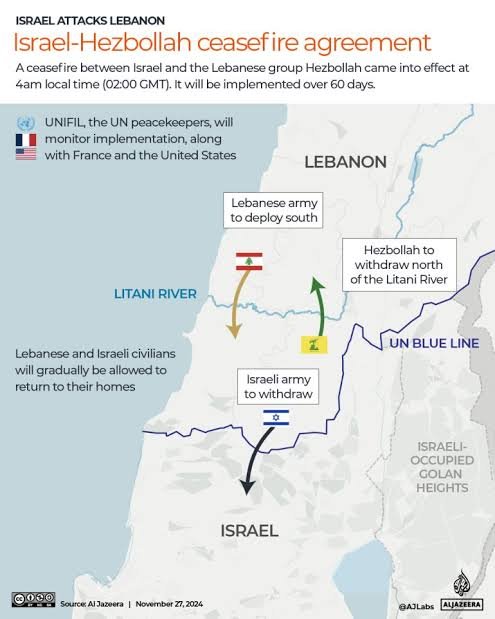
    A 10-day ceasefire between Israel and Lebanon was announced today, offering a temporary halt to weeks of intense cross-border fighting that has devastated communities and heightened fears of a broader regional war. The truce, brokered primarily by the United States, came into effect at midnight and is being viewed as a critical, a bit fragile, opportunity to de-escalate violence.

    The agreement was publicly confirmed by U.S. President Donald Trump following a series of high-level diplomatic engagements with Israeli Prime Minister Benjamin Netanyahu and Lebanese President Joseph Aoun. According to statements from Washington, both sides have agreed to cease offensive military operations for the duration of the truce, with the aim of creating space for further negotiations toward a longer-term settlement.

    Under the terms of the ceasefire, Israel is expected to suspend airstrikes and artillery attacks inside Lebanese territory while maintaining what officials describe as a “defensive posture,” including troop deployments near the southern border. Lebanon, in turn, has committed to curbing attacks launched from its territory, particularly those associated with the Iran-backed group Hezbollah. However, Hezbollah itself was not directly involved in the ceasefire negotiations, raising concerns among analysts about how effectively the agreement can be enforced on the ground.

    The ceasefire follows a sharp escalation in hostilities that began in early March, when Hezbollah launched a series of rocket attacks into northern Israel. In response, Israeli forces carried out extensive airstrikes and military operations across southern Lebanon and beyond. The violence quickly spiraled, resulting in widespread destruction, with reports indicating that more than 2,000 people have been killed and over a million displaced, particularly within Lebanon.

    International reaction to the ceasefire has been largely positive, though cautious. Leaders across Europe and the Middle East have welcomed the agreement as a necessary pause to allow humanitarian aid to reach affected populations. Ursula von der Leyen described the truce as “an essential first step” and urged both parties to use the window to pursue a sustainable peace. Meanwhile, the United Nations has called for strict adherence to the ceasefire terms and warned against any violations that could derail progress.

    Despite the optimism, significant challenges remain. Israeli officials have emphasized that any long-term solution must address what they describe as the ongoing threat posed by Hezbollah’s military capabilities along the border. Lebanese authorities, on the other hand, have stressed the need for Israel to fully respect Lebanese sovereignty and withdraw from contested areas. Hezbollah has issued statements suggesting it will abide by the ceasefire only if Israel completely halts its military operations, leaving room for potential breakdowns.

    The truce is also closely tied to broader geopolitical tensions in the region, particularly involving Iran, which has long supported Hezbollah. Analysts warn that without parallel progress in addressing these wider issues, the ceasefire could prove short-lived.

    On the ground, the mood in Lebanon is mixed. While many civilians have welcomed the temporary cessation of violence, countless families remain displaced and uncertain about returning home. In Israel, residents of northern communities have expressed similar caution, with many unwilling to resume normal life until a more permanent security arrangement is in place.

    As the 10-day ceasefire begins, attention now turns to whether diplomatic efforts can build on this fragile pause. The coming days will be crucial in determining whether this agreement marks the beginning of a path toward lasting peace or simply another brief interlude in a deeply entrenched and volatile conflict.

  • India’s Women’s Reservation Reform Faces Delay, While Patriarchy Still Shapes Political Power

    India’s Women’s Reservation Reform Faces Delay, While Patriarchy Still Shapes Political Power

    New Delhi 16 April 2026

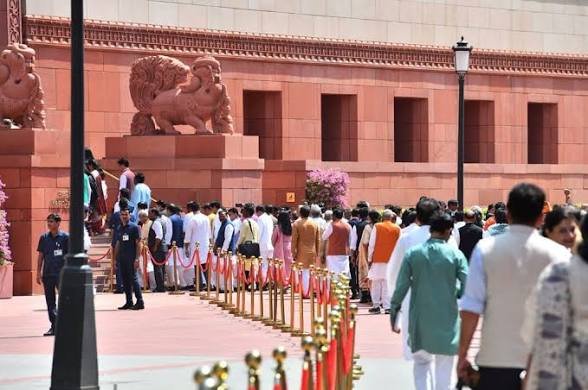
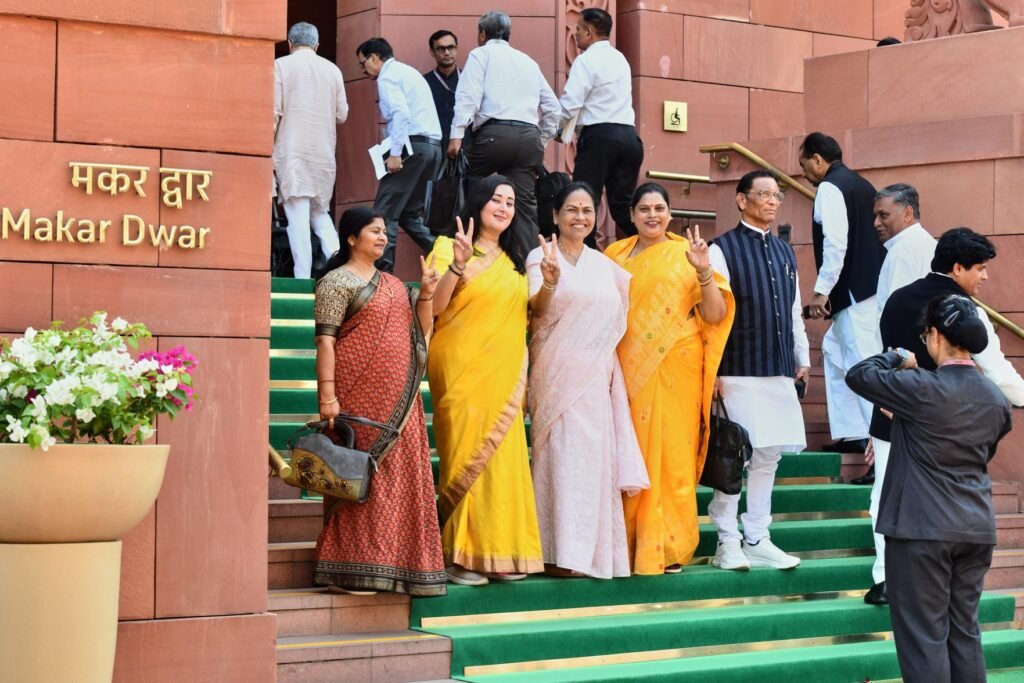
    India is currently debating a major political reform that would reserve around one-third of seats in its parliament and state assemblies for women. The proposal is being described as one of the biggest changes to the country’s electoral system in decades, but it has also sparked political tension, delays, and renewed criticism of the deep-rooted patriarchal structure in Indian politics.

    The reform aims to increase women’s representation in government by guaranteeing them 33% of legislative seats. At present, women remain significantly underrepresented in Indian politics, holding only a small portion of elected positions despite making up roughly half the population. If implemented, the policy would mark a major shift in how candidates are selected and how political power is distributed.

    However, the plan is not expected to take effect immediately. It is linked to technical and administrative steps such as conducting a national census and redrawing electoral boundaries, a process known as delimitation. These steps are complex and time-consuming, meaning the reform could take several years before it is fully implemented, with some estimates suggesting it may not take effect until around 2029 or later.

    Supporters of the reform argue that it is a necessary correction to long-standing inequality. They say that without legal intervention, political parties have little incentive to increase women’s representation on their own. In India’s current political system, most candidates are selected by party leaderships that are dominated by men, which makes it difficult for women to break through.

    The reform also includes provisions that would rotate reserved seats over time, meaning different constituencies would be assigned for women candidates in different election cycles. Supporters say this prevents any single region from being permanently reserved and ensures that women have opportunities across the country. However, critics argue that this rotation system could create uncertainty for candidates and weaken long-term political planning.

    Opposition parties have also raised concerns about the timing and motivation behind the proposal. Some argue that it is being introduced without updated demographic data, since India has not conducted a full census since 2011. Others believe the government may be using the reform as a political tool rather than a purely social improvement.

    Beyond the technical debate, the reform has highlighted a deeper issue: the continued influence of patriarchy in Indian politics. Even though democratic institutions exist, political power remains heavily concentrated among men. Women often face structural barriers such as limited access to party leadership positions, weaker financial backing for campaigns, and social expectations that discourage them from entering politics.

    At the local level, however, similar reservation systems have already been implemented. In village councils and municipalities, seats reserved for women have increased female participation and, in some cases, improved focus on issues like education, sanitation, and healthcare. These results are often used as evidence that reservation can bring real change when properly enforced.

    Still, experts warn that legal reform alone may not be enough. In many cases, women elected through quotas still operate within male-dominated party structures, limiting their independence and influence. This raises concerns that representation without real authority could result in symbolic progress rather than true empowerment.

    Overall, India’s proposed women’s reservation reform represents both progress and hesitation. It is a bold attempt to reshape political representation, but its slow implementation and surrounding controversy reflect how deeply patriarchal systems remain embedded in the country’s political landscape.

  • Outrage as Russia Launches Massive Drone and Missile Assault on Kyiv, Leaving Over 17 Dead and More Than 100 Injured

    Outrage as Russia Launches Massive Drone and Missile Assault on Kyiv, Leaving Over 17 Dead and More Than 100 Injured

    Kyiv 16 April 2026

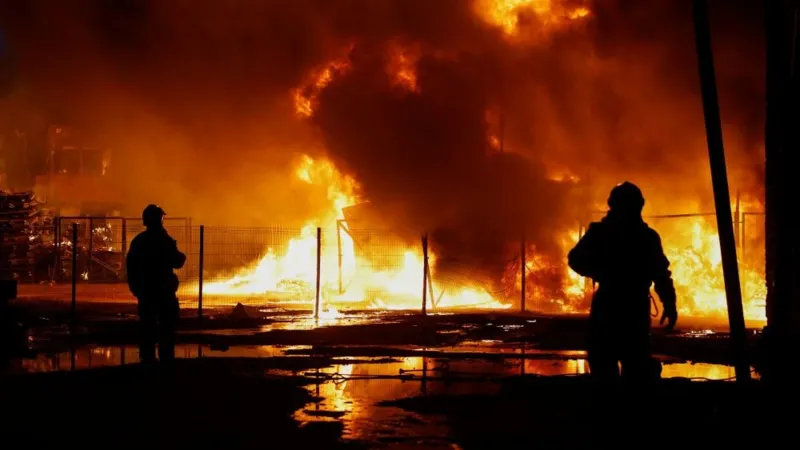
    A wave of international condemnation has followed a devastating large-scale aerial assault by Russia on Ukraine’s capital, Kyiv, in what officials are calling one of the most intense and deadly attacks of the year. The overnight strike, which unfolded into the early hours of April 16, involved hundreds of drones and dozens of missiles targeting not only Kyiv but also other major Ukrainian cities.

    According to Ukrainian authorities, at least 17 people have been confirmed dead, while more than 100 others sustained injuries. Emergency services continue to search through debris, warning that the death toll may rise as rescue operations progress. Among the casualties were civilians caught in residential buildings struck by explosive drones, including at least one child, further intensifying global outrage.

    President Volodymyr Zelenskyy strongly condemned the attack, describing it as a “deliberate act of terror against civilians.” In a public address, he urged the international community to increase pressure on Russia and expand military and humanitarian support for Ukraine. “This is not warfare; this is calculated destruction aimed at breaking our people,” he said.

    The assault saw the deployment of hundreds of Iranian-designed drones alongside high-precision missiles, overwhelming Ukraine’s air defense systems despite successfully intercepting many incoming threats. Several drones penetrated defenses and struck residential districts, sparking fires and causing structural collapses in multiple neighborhoods across Kyiv. In addition to the capital, cities such as Odesa and Dnipro also reported fatalities and widespread damage.

    Eyewitness accounts describe a night of chaos, with sirens blaring continuously as explosions echoed across the skyline. Residents sought shelter in underground stations and basements, many emerging hours later to scenes of destruction. “We heard multiple blasts, then the windows shattered,” said one Kyiv resident. “By morning, parts of our building were gone.”

    International leaders swiftly denounced the strikes. Several European governments labeled the attack a violation of international humanitarian law, emphasizing the indiscriminate nature of the bombardment. Human rights organizations have also called for investigations into potential war crimes, particularly given the targeting of civilian infrastructure.

    The escalation comes amid ongoing tensions in the prolonged conflict, with analysts warning that the increasing scale and frequency of drone warfare marks a dangerous new phase. The use of large swarms of unmanned aerial vehicles has allowed Russia to stretch Ukraine’s defenses, making it more difficult to protect critical infrastructure and population centers.

    Despite the destruction, Ukrainian officials reaffirmed their resolve. Emergency crews continue to work tirelessly, extinguishing fires and rescuing survivors trapped beneath rubble. Citizens have mobilized to donate blood, food, and supplies, demonstrating resilience in the face of repeated attacks.

    As the situation develops, the international community faces renewed pressure to respond decisively. The scale of the casualties over 17 dead and more than 100 injured underscores the human cost of the conflict and the urgent need for diplomatic and humanitarian action.

    The attack on Kyiv stands as a stark reminder that the war is far from over, and that civilians remain at the heart of its devastation.

  • Xi Jinping Meets Russia’s Foreign Minister,  Reaffirming China–Russia Strategic Ties

    Xi Jinping Meets Russia’s Foreign Minister, Reaffirming China–Russia Strategic Ties

    Beijing, 15 April 2026

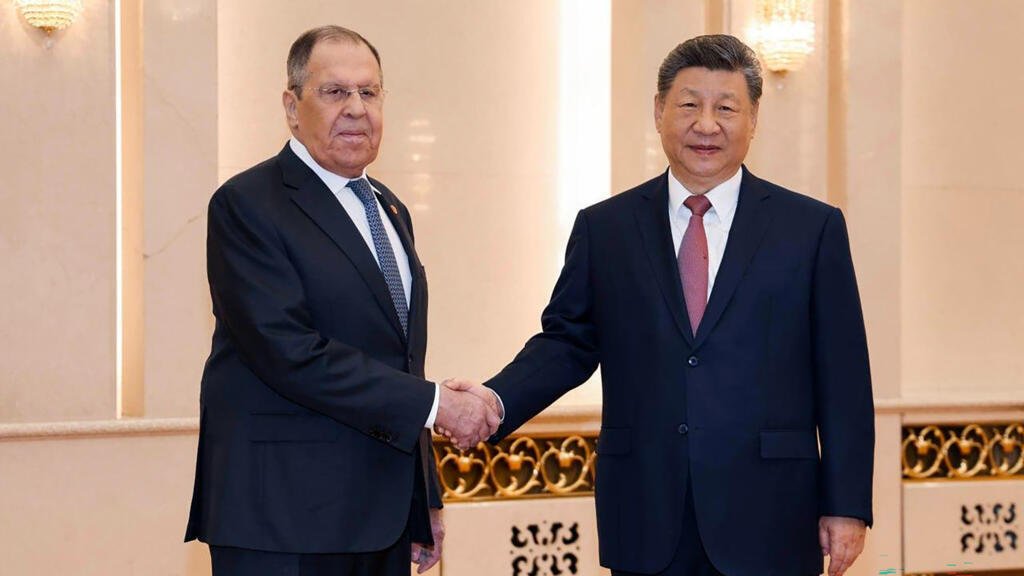
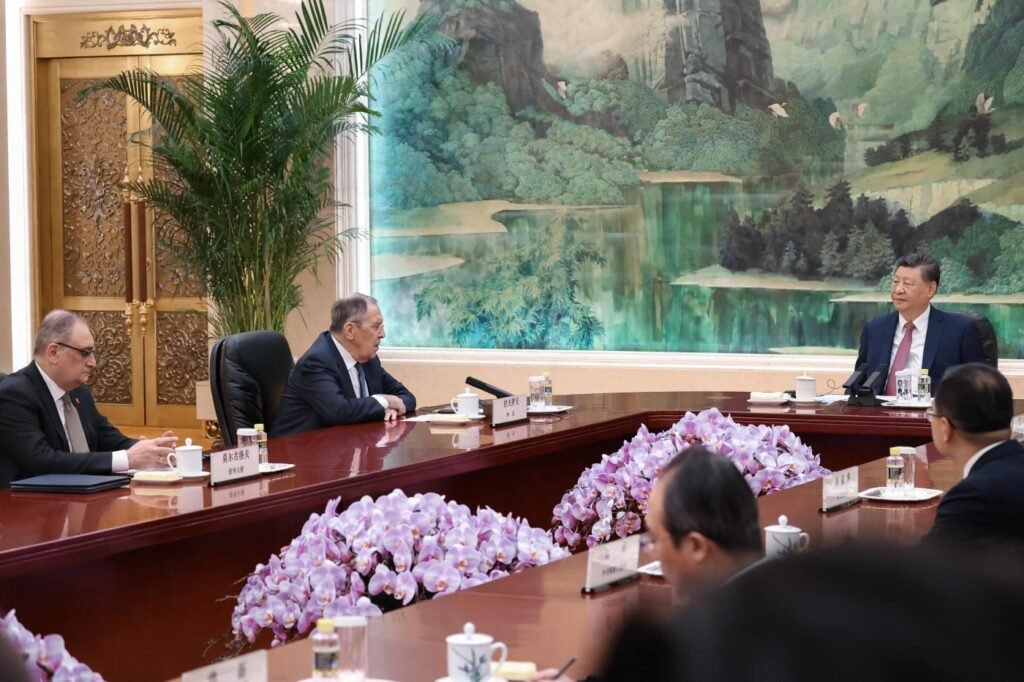
    Chinese President Xi Jinping held high-level talks with Russian Foreign Minister Sergei Lavrov in Beijing underscoring the enduring strength of bilateral relations amid rising global uncertainty.

    The meeting took place at the Great Hall of the People, where both sides emphasized the importance of maintaining close coordination in geopolitics, trade, and energy cooperation. The talks come at a time when shifting alliances and ongoing conflicts particularly in the Middle East are reshaping the international landscape.

    During the meeting, Xi described China–Russia relations as a stabilizing force in an increasingly unpredictable world. “China and Russia have built a partnership based on mutual respect and shared strategic interests,” Xi said. “In the current international context, our ties are not only strong but also ‘precious’ and essential for maintaining global balance.”

    Lavrov echoed these sentiments, reaffirming Moscow’s commitment to deepening cooperation with Beijing. “Russia values its comprehensive strategic partnership with China,” Lavrov said. “Our collaboration is not directed against any third party but is aimed at ensuring stability and fairness in global affairs.”

    The discussions focused heavily on expanding economic cooperation, particularly in the energy sector. Russia has become one of China’s key energy suppliers in recent years, and Lavrov indicated that Moscow is prepared to increase exports to meet growing Chinese demand. “We are ready to enhance energy cooperation with our Chinese partners, ensuring reliable and long-term supply,” he stated.

    Beyond economic ties, both leaders stressed the importance of aligning their positions on major international issues. Xi called for greater coordination between the two nations in multilateral platforms, including the United Nations. “China and Russia should continue to strengthen communication and cooperation within international frameworks, promoting a more just and multipolar world order,” Xi said.

    Lavrov also highlighted the role of emerging economies, noting that both countries aim to amplify the voice of developing nations. “We share a common vision of a multipolar world where all countries, especially those in the Global South, have a stronger say in global governance,” he said.

    The meeting is widely seen as part of broader preparations for a potential visit by Russian President Vladimir Putin to China later this year. Analysts believe such a visit would further solidify ties and could result in new agreements across various sectors.

    Observers note that the timing of the meeting is significant. With tensions between major powers continuing to rise, China and Russia appear keen to present a united front. Their partnership has deepened in recent years, particularly as both nations face increasing pressure from Western countries.

    Despite criticism from some quarters, both Beijing and Moscow have consistently defended their relationship as one rooted in mutual benefit rather than confrontation. “Our cooperation is transparent and constructive,” Xi said. “It contributes to global peace and development, not division.”

    Lavrov concluded the meeting by expressing confidence in the future of bilateral relations. “The Russia–China partnership is at its highest level in history,” he said. “We will continue to strengthen it for the benefit of our peoples and the international community.”

    The Xi–Lavrov talks highlight a clear message: in a rapidly changing world, China and Russia are determined to remain close partners, shaping global dynamics together.

  • Israel–Lebanon Hold First Official Talks Since 1993 in Washington, Raising Hopes and Uncertainty in a Volatile Region

    Israel–Lebanon Hold First Official Talks Since 1993 in Washington, Raising Hopes and Uncertainty in a Volatile Region

    Washington D.C 14 April 2026

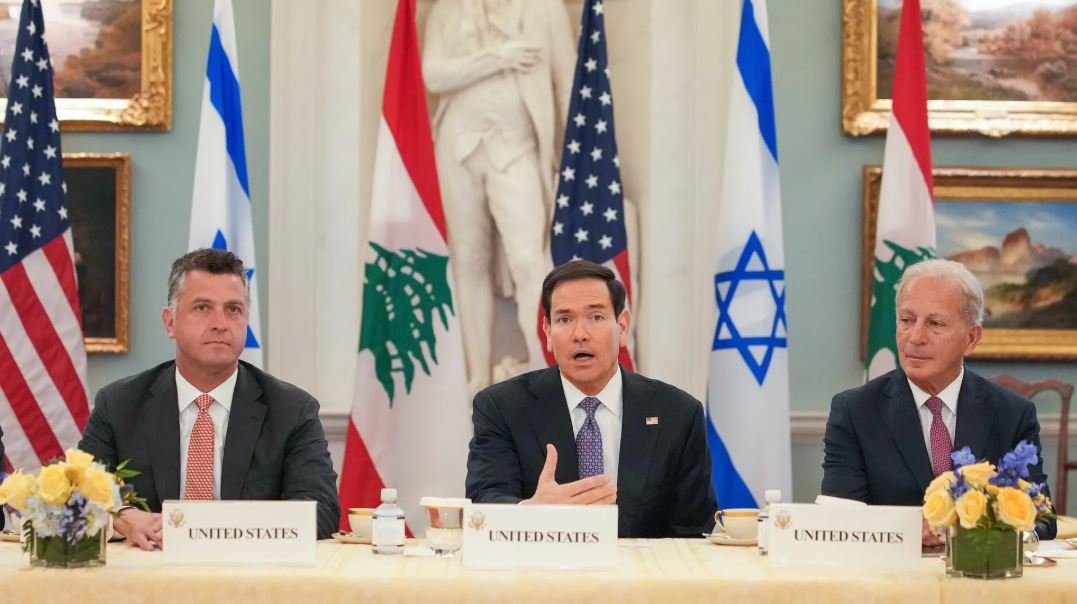
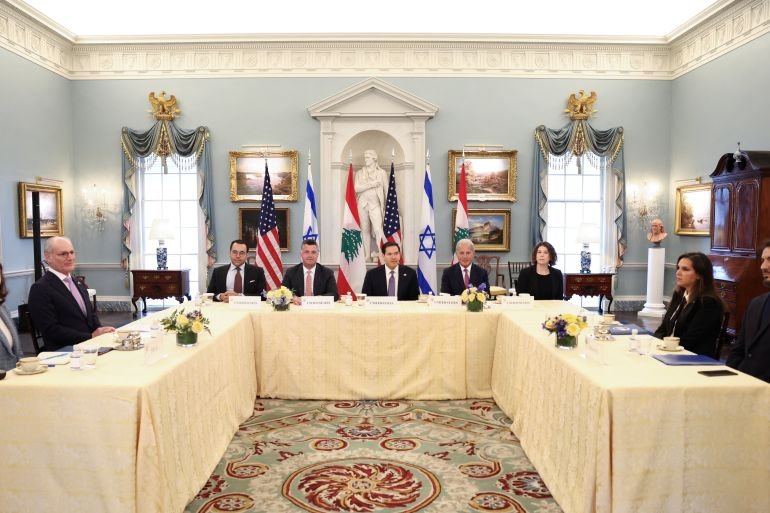
    In a rare and potentially historic development, officials from Israel and Lebanon have held their first official meeting since 1993, signaling a cautious step toward dialogue after decades of hostility. The talks were held in Washington, D.C., at the United States Department of State, marking a significant diplomatic moment amid escalating tensions in the Middle East.

    The last time both sides engaged in formal discussions was in the aftermath of the 1993 Israel–Lebanon conflict, a period marked by intense fighting and deep mistrust. Since then, communication has largely been indirect, often facilitated by international intermediaries such as the United Nations. This latest meeting, hosted by the United States, represents a break from decades of silence and confrontation.

    According to diplomatic sources, the talks were attended by senior representatives from both sides, including Israel’s ambassador to the United States and Lebanon’s ambassador to the United States. The meeting was mediated by Marco Rubio, who played a central role in bringing the two parties together. Discussions focused on urgent security concerns, including ongoing cross-border violence, ceasefire possibilities, and mechanisms to prevent further escalation.

    The meeting comes against the backdrop of a sharp rise in hostilities along the Israel–Lebanon border. Israeli airstrikes have targeted positions in southern Lebanon, while the Lebanese armed group Hezbollah has launched rockets into northern Israel. These developments have raised fears that a broader regional conflict could erupt if tensions continue unchecked.

    Although no formal agreement was announced, both sides described the talks as constructive and agreed on the importance of maintaining communication. Analysts say the mere fact that such a meeting took place after more than three decades is a meaningful step. It suggests that both governments may be seeking to avoid a full-scale war, even if deep political and military divisions remain unresolved.

    However, the situation remains highly complex. In Lebanon, Hezbollah continues to play a dominant role in security matters and has not publicly supported the talks. Backed by Iran, the group maintains a firm stance against Israel, raising doubts about how effective any agreement between the Lebanese government and Israel can ultimately be.

    From Israel’s perspective, security remains the primary concern. Officials have emphasized that any long-term solution must address threats along its northern border. Lebanon, on the other hand, has pushed for an immediate ceasefire and humanitarian relief, reflecting the severe impact of ongoing violence on its population.

    Looking ahead, several possible outcomes could emerge from this renewed engagement. In an optimistic scenario, continued talks whether in Washington or elsewhere could lead to confidence-building measures such as improved communication channels or agreements on border monitoring. These steps could help reduce the risk of accidental clashes and create space for broader diplomatic progress.

    On the other hand, the risks of failure remain significant. The history of conflict between Israel and Lebanon is marked by repeated cycles of escalation and fragile ceasefires. A single military incident or miscalculation could quickly derail the process and push both sides back into open confrontation.

    Public reaction has been mixed. In Lebanon, some view the talks as a necessary step to prevent further destruction, while others oppose any engagement with Israel. In Israel, cautious optimism is tempered by skepticism shaped by decades of conflict.

    Ultimately, while this first official meeting since 1993 does not resolve the deep-rooted issues dividing Israel and Lebanon, it opens a narrow but important window for diplomacy. Whether this opportunity leads to de-escalation or collapses under pressure will depend on the willingness of all parties involved to sustain dialogue despite ongoing tensions.

  • Market Looks Calm But Remains Fragile Before the Opening Bell

    Market Looks Calm But Remains Fragile Before the Opening Bell

    As global markets prepare for the opening bell, the overall tone appears calm, almost indifferent to the steady stream of geopolitical headlines. Yet beneath this surface-level stability lies a far more fragile structure, shaped by uncertainty, shifting macroeconomic signals, and a market that is increasingly selective in what it chooses to react to.

    In recent sessions, investors have shown signs of fatigue toward ongoing geopolitical tensions, particularly those linked to developments in the Middle East. While such events would typically trigger sharp movements across equities, currencies, and commodities, the current response has been more muted. This does not signal confidence, but rather a transition into a phase where markets are filtering out noise and waiting for clearer, more decisive catalysts.

    One of the most influential drivers at this moment is the movement in global oil prices. After surging above the USD110 mark in previous sessions, crude has begun to retreat below USD100. This shift has provided temporary relief to markets, especially in the context of inflation expectations. Lower energy prices tend to ease pressure on central banks, reducing the urgency for aggressive monetary tightening. As a result, equities have found short-term support, with investors cautiously rotating back into risk assets.

    At the same time, the US dollar has weakened, reflecting a broader shift in risk sentiment. Traditionally viewed as a safe haven, the dollar tends to strengthen during periods of uncertainty. However, as expectations of escalation begin to soften, capital flows are gradually moving away from defensive positioning. This has created a more supportive environment for equities and other higher-yielding assets, while also offering some breathing room to emerging markets.

    Despite these seemingly positive signals, the role of central banks remains a critical underlying factor. Markets are actively reassessing the trajectory of interest rates, particularly in the United States. Even in the absence of immediate policy announcements, subtle changes in expectations can drive significant market movements. Investors are now less focused on current data and more on forward guidance, attempting to anticipate whether policymakers will maintain a restrictive stance or begin to ease.

    Another notable shift is the evolving behavior of the market itself. Where once headlines could trigger immediate and often exaggerated reactions, there is now a growing tendency to ignore minor developments. This “noise filtering” dynamic suggests a more mature but also more unpredictable environment. When markets do react, the moves tend to be sharper and more concentrated, increasing the risk of sudden volatility spikes and false signals for traders.

    This creates a delicate psychological balance. On one hand, there is cautious optimism that geopolitical tensions may de-escalate, allowing markets to stabilize and recover. On the other, the underlying risks have not disappeared. Any unexpected escalation or negative development could quickly reverse current trends, triggering a rapid shift back into defensive assets.

    In essence, the market is operating in a state of fragile equilibrium. Stability exists, but it is conditional and highly sensitive to external developments. The calm seen ahead of the opening bell should not be mistaken for strength, but rather understood as a pause a moment of hesitation before the next decisive move.For investors and traders alike, this environment demands a more disciplined and strategic approach. Short-term opportunities remain, but they come with heightened risk. In a market driven less by data and more by narrative, understanding the broader macro landscape is no longer optional it is essential.

    Because in times like these, what appears quiet on the surface may simply be the market waiting for its next trigger.

  • Italy Suspends Israel Defence Pact Renewal Amid Rising Middle East Tensions

    Italy Suspends Israel Defence Pact Renewal Amid Rising Middle East Tensions

    Rome 14 April 2026

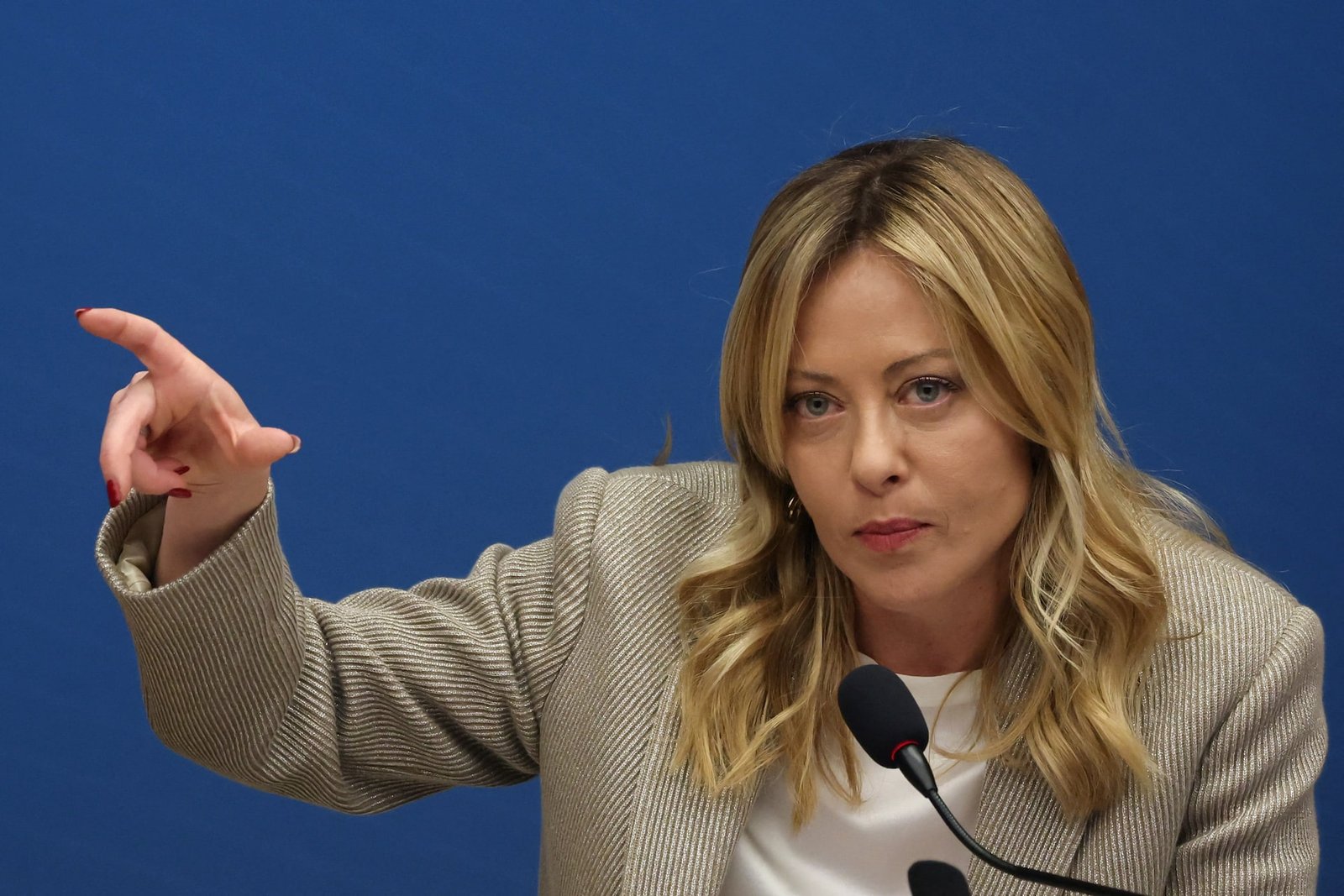
    Italy has decided to suspend the automatic renewal of its long-standing defence cooperation agreement with Israel, marking a notable shift in relations as conflict in the Middle East intensifies. The move, announced by Prime Minister Giorgia Meloni, reflects growing concern in Rome over regional instability and recent incidents involving Italian personnel.

    Meloni stated that the decision was made “in light of the current situation,” a reference to the escalating tensions involving Israel, Iran, and ongoing military activity affecting Lebanon. While the agreement has not been formally terminated, Italy’s refusal to proceed with its routine renewal signals a pause in defence cooperation that has been in place for nearly two decades.

    The bilateral agreement, first signed in the mid-2000s, has facilitated cooperation in military training, defence technology, and industrial partnerships. It is typically renewed automatically every five years. By halting this process, Italy is sending a clear political message without completely severing ties with Israel.

    A major factor behind the decision was a recent incident in southern Lebanon involving a United Nations peacekeeping convoy that included Italian troops. Reports indicated that Israeli forces fired shots that struck near or around the convoy, prompting a strong diplomatic response from Italy. Rome summoned Israel’s ambassador to demand clarification, and the incident sparked public and political outrage, raising concerns about the safety of Italian personnel deployed abroad.

    The episode has intensified scrutiny over Italy’s military and diplomatic relationship with Israel at a time when the broader regional conflict is worsening. Clashes involving Israel and Iran, along with continued instability in Lebanon, have heightened fears of a wider war. European governments are increasingly cautious about maintaining defence partnerships that could be perceived as contributing to escalation.

    Domestically, Meloni’s government is also facing pressure from advocacy groups and opposition figures who have long criticized defence cooperation with Israel. Italian law places restrictions on arms exports and military collaboration with countries engaged in active conflicts or accused of human rights violations. Critics argue that continuing such agreements under current conditions could place Italy in a legally and ethically difficult position.

    By suspending the renewal, the government appears to be balancing international diplomacy with domestic expectations. Officials have emphasized that the move is not permanent and that Italy remains open to future cooperation depending on how the situation develops. Diplomatic channels between Rome and Tel Aviv remain active, and there has been no indication of a complete breakdown in relations.

    Analysts suggest that Italy’s decision reflects a broader shift among European nations reassessing their foreign policies amid changing geopolitical realities. Public opinion across Europe has become increasingly sensitive to humanitarian concerns, particularly as images of civilian suffering emerge from conflict zones. Governments are therefore under pressure to demonstrate a more measured and independent stance.

    For Israel, the suspension may be viewed as a setback in maintaining strong defence ties within Europe. For Italy, however, it represents an effort to assert caution and responsibility during a volatile period. The move underscores the challenges faced by countries attempting to navigate complex alliances while responding to rapidly evolving global crises.

    As tensions in the Middle East continue, the future of the Italy-Israel defence agreement remains uncertain. Much will depend on whether the situation stabilizes or further deteriorates. Until then, Italy’s decision highlights a growing reluctance among its leaders to proceed with business as usual in the face of escalating conflict.

  • Energy at a Crossroads as HSBC Warns Peace Is Key to Stabilizing Global Flows

    Energy at a Crossroads as HSBC Warns Peace Is Key to Stabilizing Global Flows

    14 April 2026

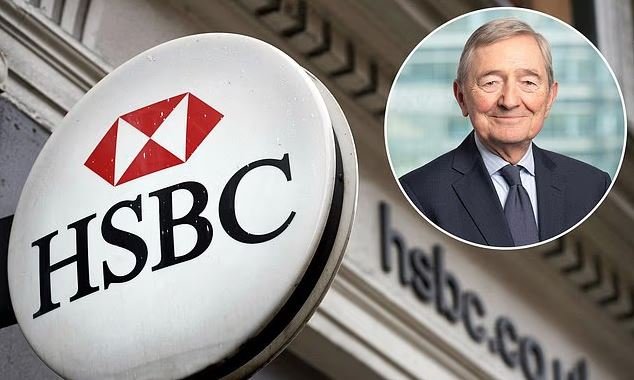
    The global energy market is once again at the mercy of geopolitics, as senior leadership from HSBC warns that only a lasting peace agreement in the Middle East can restore stability to disrupted energy flows. The statement comes at a time when markets are already under strain, with oil prices fluctuating sharply and supply chains showing signs of stress.

    According to the bank’s chair, the current instability across key النفط-producing regions is no longer a short-term shock but a structural risk to the global economy. Critical transit routes, particularly through strategic chokepoints, have become increasingly vulnerable, raising fears of prolonged disruption. The message is clear that without de-escalation, energy markets will continue to operate under uncertainty, with consequences extending far beyond the region itself.

    In recent weeks, supply concerns have intensified as tensions escalated around vital shipping lanes. The Middle East remains central to global oil distribution, and any sustained disruption has immediate ripple effects across industries. Higher energy prices are already feeding into production costs, transport expenses, and ultimately consumer inflation. This creates a difficult environment for policymakers who are still grappling with the aftereffects of previous economic shocks.

    What makes the current situation particularly complex is the limited room for intervention. Governments and central banks are constrained by existing pressures, including high debt levels and persistent inflation. The prospect of energy-driven inflation further complicates the outlook, as efforts to stabilise prices risk slowing economic growth even more. This delicate balance leaves markets highly sensitive to developments on the ground.

    Despite these risks, financial markets have yet to fully price in a prolonged disruption scenario. Oil prices have risen, but not to levels typically associated with severe supply shocks. This suggests that investors are still holding onto expectations of a diplomatic resolution. However, the warning from HSBC signals that such optimism may be fragile. If tensions persist or escalate, the adjustment in global markets could be swift and significant.

    Beyond immediate price movements, the longer-term implications are equally concerning. Energy security is once again becoming a central issue for many countries, particularly those heavily reliant on imports. The current crisis may accelerate shifts toward diversification, including alternative energy sources and new supply partnerships. However, these transitions take time, and in the short term, the world remains deeply dependent on stable flows from the Middle East.

    The call for peace is therefore not merely political but deeply economic. Stability in the region underpins the functioning of global trade, manufacturing, and financial systems. Without it, the risk of a broader economic slowdown becomes increasingly likely. Businesses, investors, and governments alike are now watching closely, aware that the trajectory of the global economy may hinge on developments far beyond traditional economic indicators.

    As pressure builds, the path forward appears uncertain. What is clear, however, is that the intersection of conflict and energy has once again placed the global economy in a vulnerable position. The coming weeks may prove critical in determining whether stability can be restored or whether the current strain evolves into a more sustained and disruptive phase.