Blog

  • A World Under Pressure as Economic Fault Lines Begin to Crack

    A World Under Pressure as Economic Fault Lines Begin to Crack

    14 April 2026

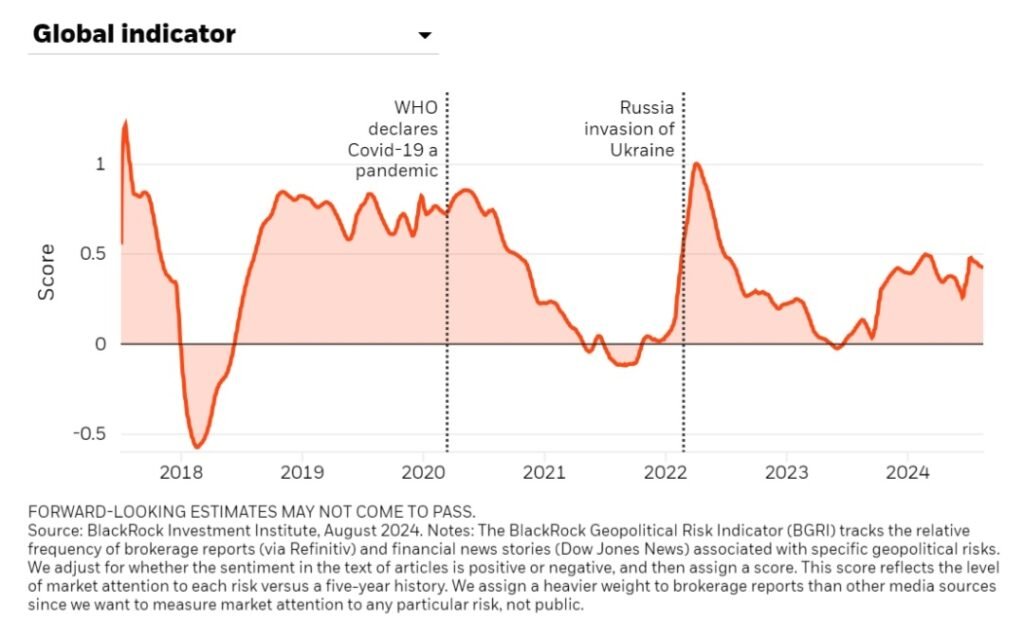
    Global economy is entering a phase where pressure is no longer a future risk but a present reality. The latest signals coming from major economies suggest that financial systems are being stretched in ways not seen since the aftermath of the pandemic. What makes this moment different is not a single crisis, but the convergence of several structural weaknesses happening at once.

    At the center of this pressure is government debt. Over the past few years, countries increased spending aggressively to stabilize their economies during crises. That strategy worked in the short term, but it has now created a long-term burden. Today, many advanced economies are facing a situation where servicing debt is becoming increasingly expensive. Interest rates have remained elevated, and as older low-interest debt gets refinanced, governments are forced to pay significantly more just to maintain their obligations. In some cases, interest payments are beginning to rival or even exceed critical national expenditures.

    This shift is quietly reshaping policy decisions. Governments that once had flexibility to stimulate growth are now constrained. Fiscal space is shrinking, and the ability to respond to new shocks is weakening. This becomes especially dangerous in an environment where new shocks are not hypothetical but already unfolding. The ongoing disruptions in global energy supply have added another layer of stress. Rising oil prices are feeding into inflation, which in turn forces central banks to keep interest rates higher for longer.

    This creates a feedback loop that is difficult to escape. Higher rates slow economic growth, but lowering rates too early risks reigniting inflation. Policymakers are effectively trapped between two undesirable outcomes. The result is a fragile balance where even small missteps could trigger disproportionate consequences.

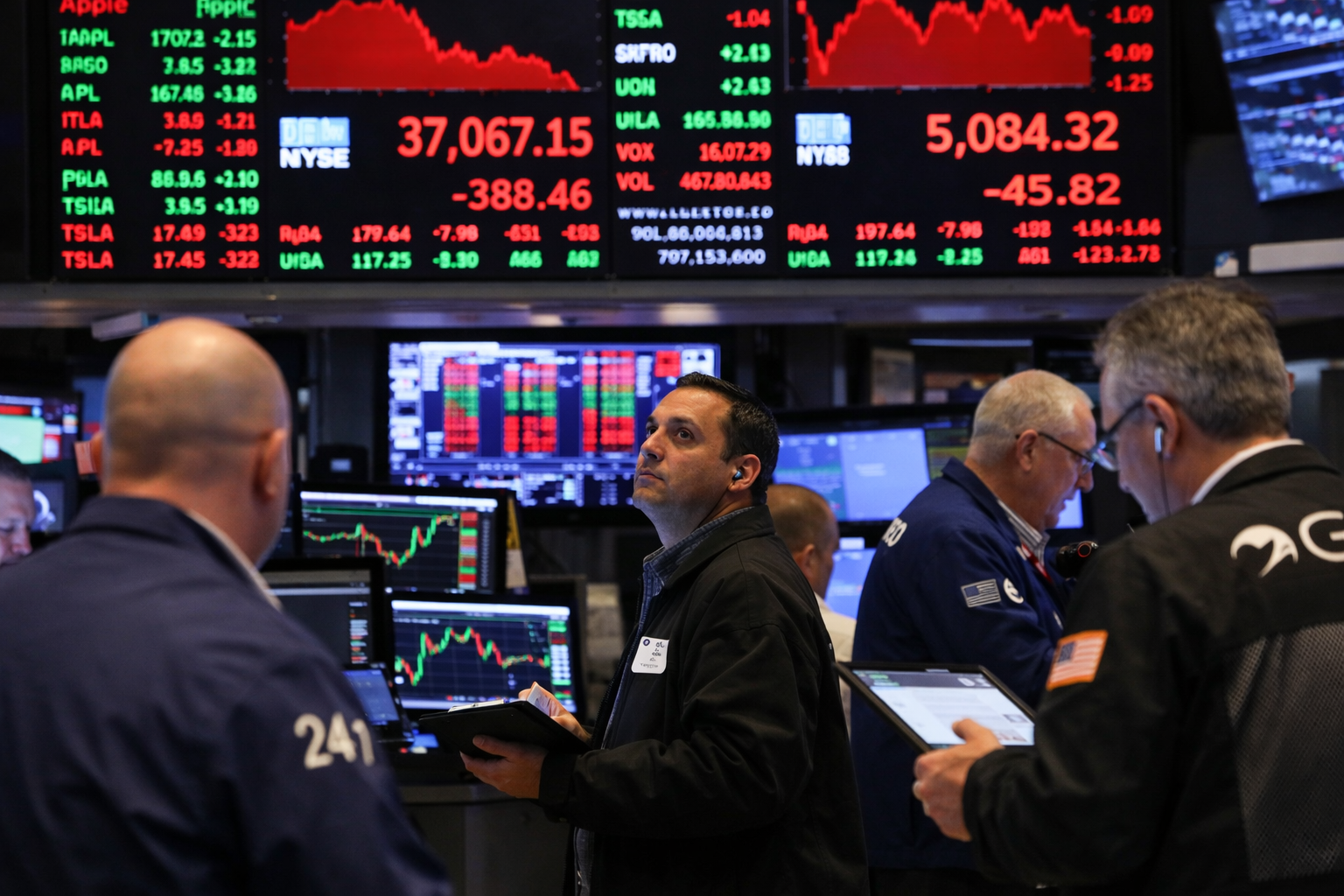
    Financial markets, for now, appear relatively stable. Equity markets have shown resilience, and volatility has not spiked to crisis levels. However, this stability may be misleading. Markets are often forward-looking, but they can also delay reaction when uncertainty is high. There is a growing sense among analysts that current asset prices do not fully reflect the scale of underlying risks. If conditions deteriorate further, adjustments could be sudden and severe rather than gradual.

    Another layer of pressure comes from the social dimension of the economy. Public sentiment is increasingly disconnected from official economic indicators. Even in countries where employment remains strong and growth has not collapsed, households are feeling the strain of higher living costs. This erosion of confidence matters because it influences spending behavior. When consumers pull back, growth slows further, reinforcing the broader cycle of weakness.

    Emerging markets face an even more complex challenge. Many of these economies are exposed to currency fluctuations and external debt pressures. A stronger dollar combined with higher global interest rates increases the cost of servicing foreign-denominated debt. At the same time, higher energy prices strain trade balances. This combination limits their ability to stabilize domestically while also increasing vulnerability to external shocks.

    What makes the current situation particularly concerning is the lack of a clear release valve. In previous cycles, either monetary policy or fiscal policy could be adjusted to ease pressure. Today, both tools are constrained. Central banks cannot ease aggressively without risking inflation, and governments cannot spend freely without worsening debt dynamics. This dual constraint creates a scenario where pressure accumulates rather than dissipates.

    The global economy is not in collapse, but it is under sustained and intensifying strain. The term under pressure is not an exaggeration but an accurate description of a system being tested from multiple directions at once. The coming months will likely determine whether this pressure leads to a controlled adjustment or escalates into a more disruptive phase. For now, the warning signs are clear, and the margin for error is becoming increasingly narrow.
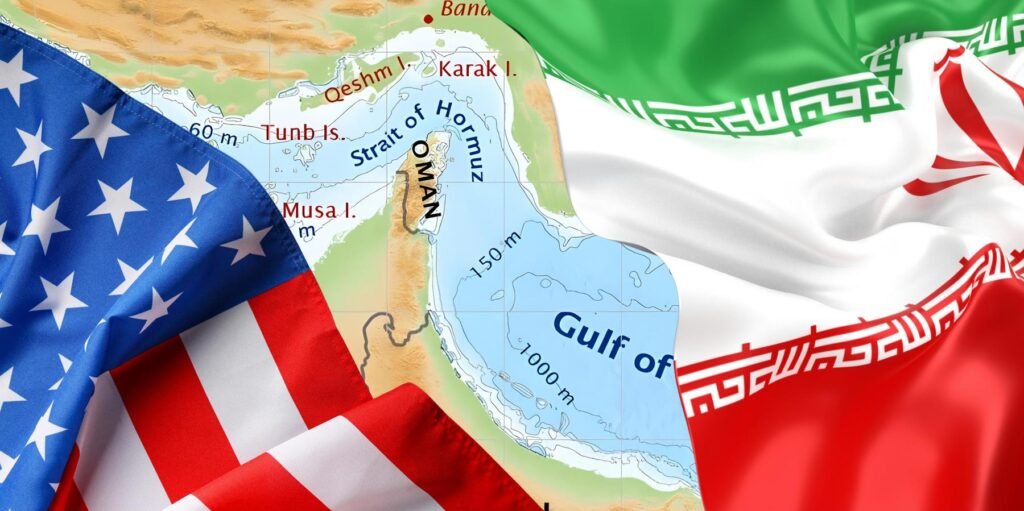
  • Global Tensions Rise as United States Imposes Iran Blockade, J. D. Vance Calls Tehran Actions ‘Economic Terrorism’

    Global Tensions Rise as United States Imposes Iran Blockade, J. D. Vance Calls Tehran Actions ‘Economic Terrorism’

    14 April 2026

    The United States has launched a sweeping naval blockade against Iran, marking a sharp escalation in an already volatile conflict and triggering global concern over economic stability and the risk of wider war.

    The blockade, which began in mid-April following the collapse of high level negotiations, targets ships entering and leaving Iranian ports particularly through the Strait of Hormuz, a chokepoint for global oil shipments. U.S. officials say the move is intended to pressure Tehran into halting its nuclear program and restoring unrestricted maritime traffic.

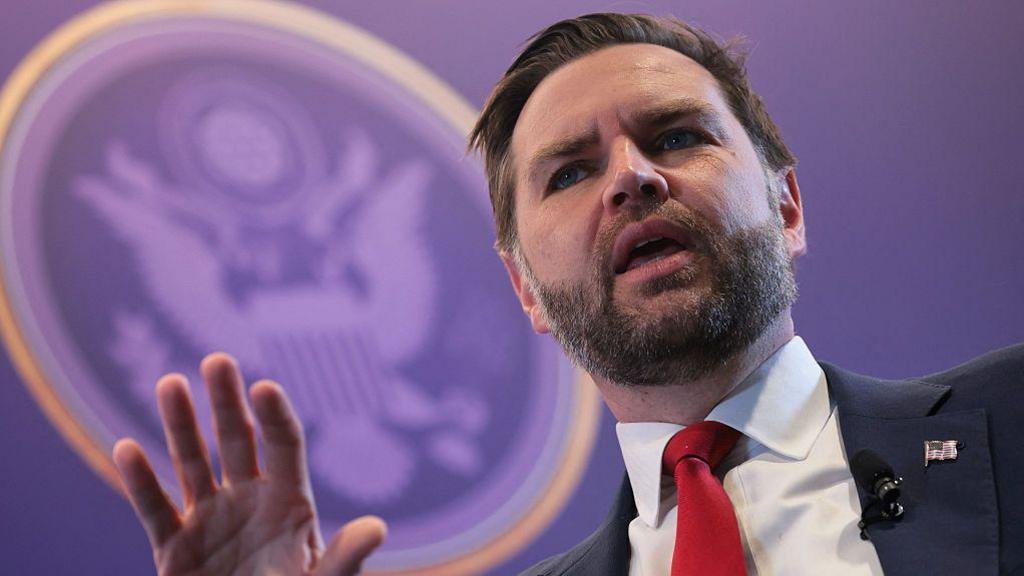
    At the center of Washington’s messaging is Vice President J. D. Vance, who has taken a hardline stance on Iran’s actions in the region. Vance accused Tehran of engaging in “economic terrorism,” arguing that its interference with shipping routes in the Strait of Hormuz threatens global trade and energy security.

    “They are effectively holding the global economy hostage,” Vance said during a briefing, adding that the United States would not allow critical maritime routes to be disrupted without consequence. He further warned that “two can play that game,” signaling Washington’s willingness to counter Iran’s tactics with direct economic pressure.

    Tehran has condemned the blockade as illegal and provocative, warning that it may retaliate if its ports or vessels are targeted. Iranian officials insist that their actions in the region are defensive and accuse Washington of escalating tensions unnecessarily. They also reiterated that they will not negotiate under coercion, particularly on issues related to their nuclear program.

    The international response has been mixed. Some Western allies have expressed cautious support for Washington’s objective of maintaining open shipping lanes, while stopping short of endorsing the blockade itself. Several European governments have instead called for urgent diplomatic efforts to prevent further escalation, warning that the situation could spiral into open conflict if miscalculated.

    Economic analysts warn that the blockade could have far-reaching consequences. Oil prices have already shown signs of volatility, with traders reacting nervously to the potential disruption of supplies passing through the Strait of Hormuz. Given that a significant portion of the world’s oil shipments moves through this narrow passage, any prolonged standoff could trigger inflation and slow global growth.

    Critics of the blockade argue that such measures often harm civilians more than governments, limiting access to essential goods and deepening economic hardship. Others contend that economic pressure, while imperfect, remains a preferable alternative to direct military confrontation, offering a means to influence behavior without immediate large-scale violence.

    As tensions continue to rise, the standoff between the United States and Iran appears far from resolution. With both sides signaling determination to stand firm, the coming weeks will be critical in determining whether diplomacy can still prevail or whether the crisis will deepen into a broader regional conflict with global implications.

  • Taiwan Opposition Leader Cheng Li-wun Meets Xi Jinping in Landmark Beijing Talks, Sparking Debate in Taiwan

    Taiwan Opposition Leader Cheng Li-wun Meets Xi Jinping in Landmark Beijing Talks, Sparking Debate in Taiwan

    Beijing 10 April 2026

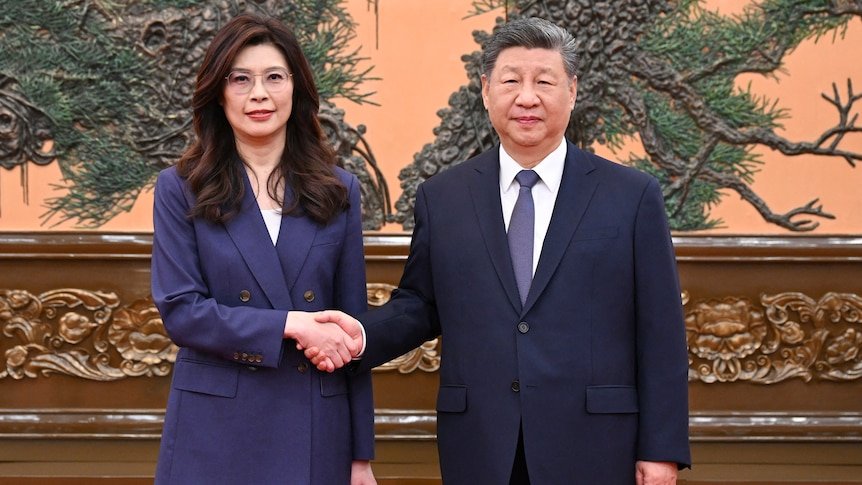
    Taiwan’s opposition politics were thrust into the spotlight after Cheng Li-wun met with Xi Jinping in Beijing on April 10, 2026, a rare high-level encounter that has triggered intense debate across Taiwan over cross-strait relations and the island’s political future.

    The meeting, held at the Great Hall of the People, took place during Cheng’s official visit to mainland China, which also included stops in Shanghai and Nanjing. The talks were described by Chinese state media as “constructive and forward-looking,” focusing on stability across the Taiwan Strait, shared cultural identity, and the importance of peaceful dialogue between both sides.

    Cheng, a senior figure in the opposition Kuomintang (KMT), represents a political party that traditionally supports closer engagement with China compared to Taiwan’s ruling Democratic Progressive Party. The KMT has long argued that maintaining communication with Beijing is necessary to prevent escalation and preserve regional stability.

    China, which claims Taiwan as part of its territory, has increasingly emphasized engagement with political actors in Taiwan who are more open to dialogue. By meeting Cheng directly, Beijing signaled its willingness to maintain and expand channels of communication with Taiwan’s opposition, even as formal ties with the current government remain strained.

    The meeting comes amid ongoing tensions between Taiwan and China, with military activity and political friction continuing across the Taiwan Strait. Analysts say the timing of the encounter is significant, as it reflects Beijing’s broader strategy of using political outreach alongside diplomatic and military pressure.

    Taiwan’s ruling administration, led by the Democratic Progressive Party, responded cautiously but firmly. Government officials warned that such meetings could risk undermining Taiwan’s democratic legitimacy if conducted outside official channels. They stressed that any cross-strait dialogue should reflect the democratic mandate of the Taiwanese people and be fully transparent.

    Officials also reiterated Taiwan’s reliance on international partnerships, particularly with the United States, as a key counterbalance to China’s growing pressure in the region. While not directly condemning the meeting, the administration signaled concern that it could be used by Beijing for political messaging.

    Public reaction within Taiwan has been sharply divided. Supporters of the meeting argue that dialogue is essential to reducing the risk of conflict and maintaining peace in the region. Some citizens expressed cautious optimism, saying that communication between political parties could help prevent misunderstandings and military escalation.

    However, critics strongly opposed the engagement, accusing the opposition of giving Beijing a platform to advance its political narrative. Many fear that China may use such meetings to suggest that Taiwan is more open to political integration than it actually is, even if that does not reflect mainstream public opinion.

    Social media in Taiwan quickly became a battleground of competing views, with hashtags related to the meeting trending across platforms. Younger voters, in particular, expressed skepticism, with many emphasizing a strong Taiwanese identity and resistance to political influence from Beijing. Surveys in recent years have shown a steady increase in the number of people in Taiwan who identify primarily as Taiwanese rather than Chinese, reinforcing concerns about sovereignty and political independence.

    The KMT defended Cheng’s visit, stating that maintaining open communication channels with Beijing is a pragmatic necessity in managing cross-strait relations. Party representatives emphasized that dialogue does not equal concession, and argued that engagement is essential to reducing misunderstandings and preventing escalation.

    Political analysts say the meeting could have long-term implications for Taiwan’s domestic political landscape, particularly ahead of future elections where China policy is expected to be a key issue. The ruling party is likely to highlight the risks of closer engagement with Beijing, while the opposition will argue that dialogue remains the most effective path to stability.

    Although the meeting does not alter Taiwan’s official status, it underscores the increasingly complex dynamics of cross-strait relations. As Beijing continues its outreach and Taiwan’s internal political debate deepens, public opinion is expected to play a decisive role in shaping the island’s future direction.

  • Hungary Votes for Change: Péter Magyar Defeats Viktor Orbán in Historic Election

    Hungary Votes for Change: Péter Magyar Defeats Viktor Orbán in Historic Election

    13 April 2026

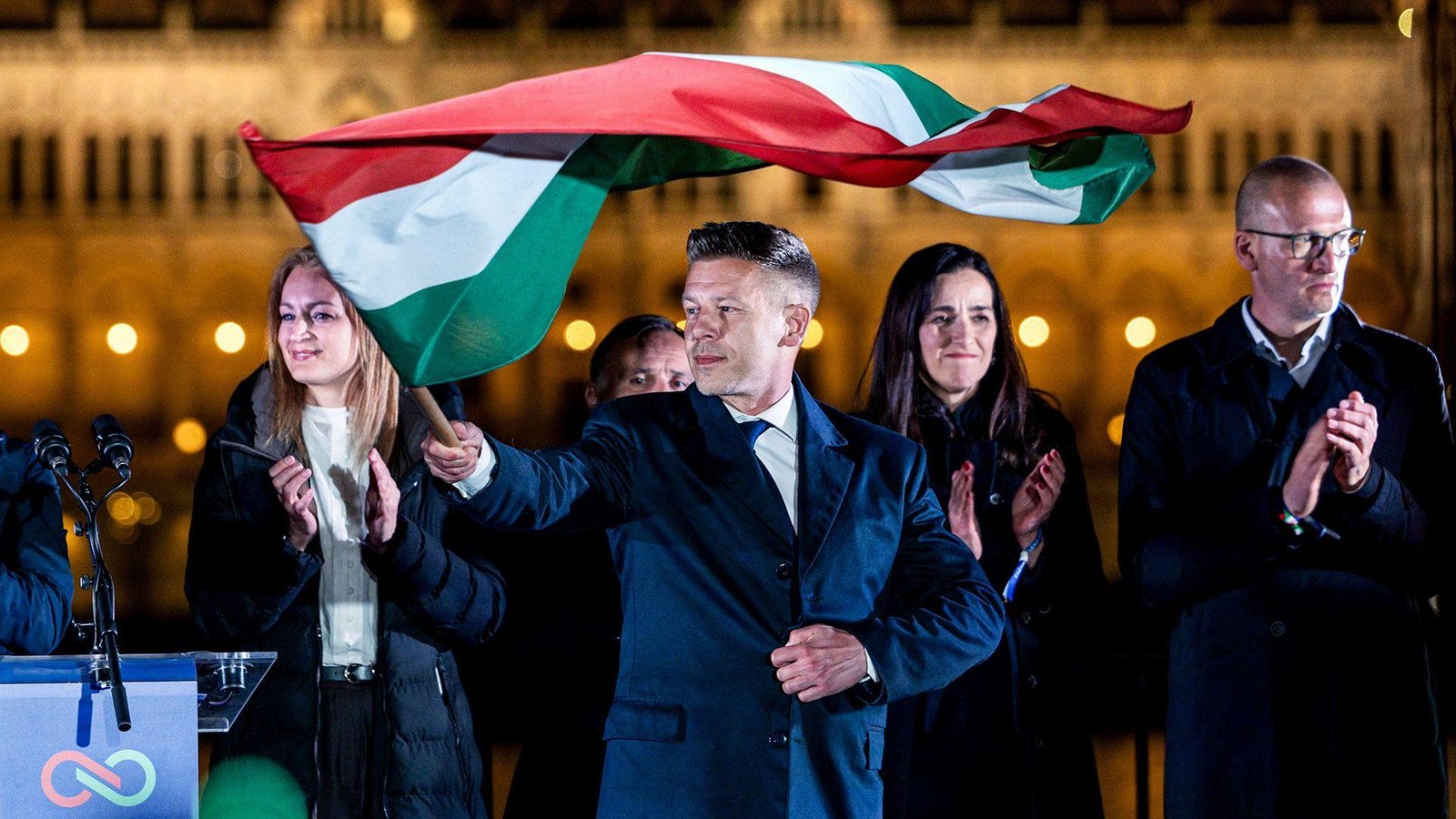
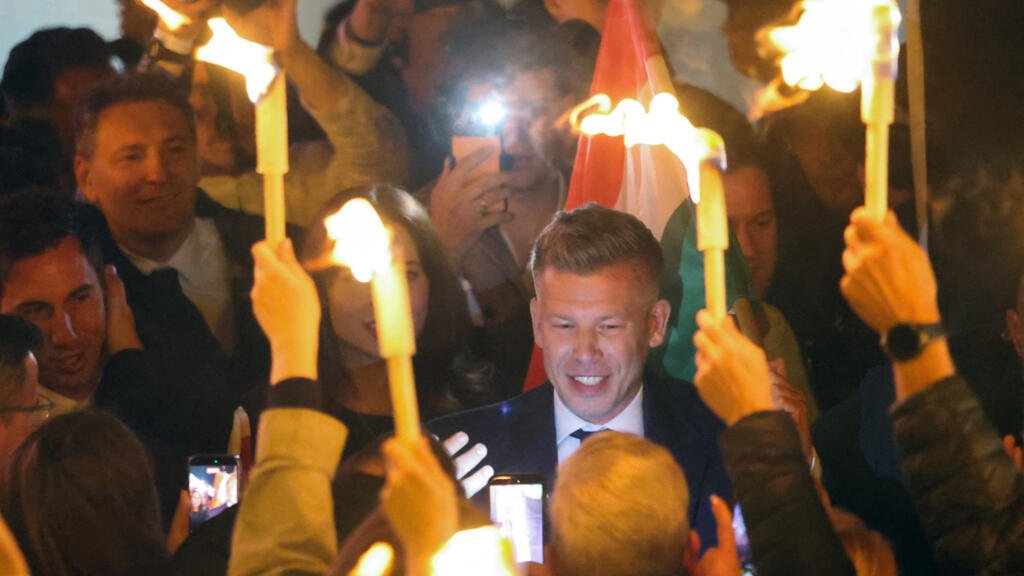
    Hungary has entered a new political era after opposition leader Péter Magyar secured a sweeping victory in the country’s national election, ending the 16-year rule of Prime Minister Viktor Orbán. The results, confirmed early Monday, mark one of the most dramatic political shifts in modern Hungarian history.

    Magyar’s Tisza party achieved a decisive parliamentary majority, reportedly capturing close to two-thirds of the seats. The outcome gives the opposition a powerful mandate to implement reforms and reshape Hungary’s domestic and foreign policies. In a brief concession speech, Orbán acknowledged the defeat, calling it a “painful result” while thanking his supporters for their loyalty over more than a decade in power.

    The election result reflects growing dissatisfaction among Hungarian voters over economic challenges, corruption concerns, and the country’s strained relationship with the European Union. Inflation, rising living costs, and allegations of misuse of public funds had weakened support for Orbán’s government in recent years, despite his continued popularity among conservative voters.

    Magyar, a relatively new but rapidly rising political figure, built his campaign on promises of transparency, judicial independence, and closer alignment with European institutions. Addressing supporters after the victory, he pledged to “restore trust in government” and rebuild democratic checks and balances. “Hungary belongs in Europe not on its margins,” he said, signaling a clear shift in tone from the previous administration.

    International reactions have been swift. Leaders across Europe welcomed the election outcome, expressing hope for renewed cooperation with Budapest. Relations between Hungary and the European Union had been tense under Orbán, particularly over issues related to rule of law, media freedom, and migration policy. The new government is expected to prioritize repairing these ties, potentially unlocking billions of euros in suspended EU funding.

    Despite the decisive victory, analysts caution that Magyar faces significant challenges ahead. Reversing entrenched political structures and implementing reforms will take time, especially in a system shaped heavily by Orbán’s long tenure. Additionally, maintaining unity within the opposition coalition will be crucial to sustaining momentum.

    The election outcome not only reshapes Hungary’s future but also sends a broader message across Europe, where debates over democracy, governance, and national identity continue to intensify. For many observers, Hungary’s vote represents a test case for whether entrenched political systems can be peacefully transformed through the ballot box.

    As the country transitions to new leadership, attention will now turn to how quickly and effectively Magyar’s government can deliver on its promises and whether Hungary can redefine its role within Europe after years of political tension.

  • Power, Volatility and the New Rules of the Global Market

    Power, Volatility and the New Rules of the Global Market

    13 April 2026

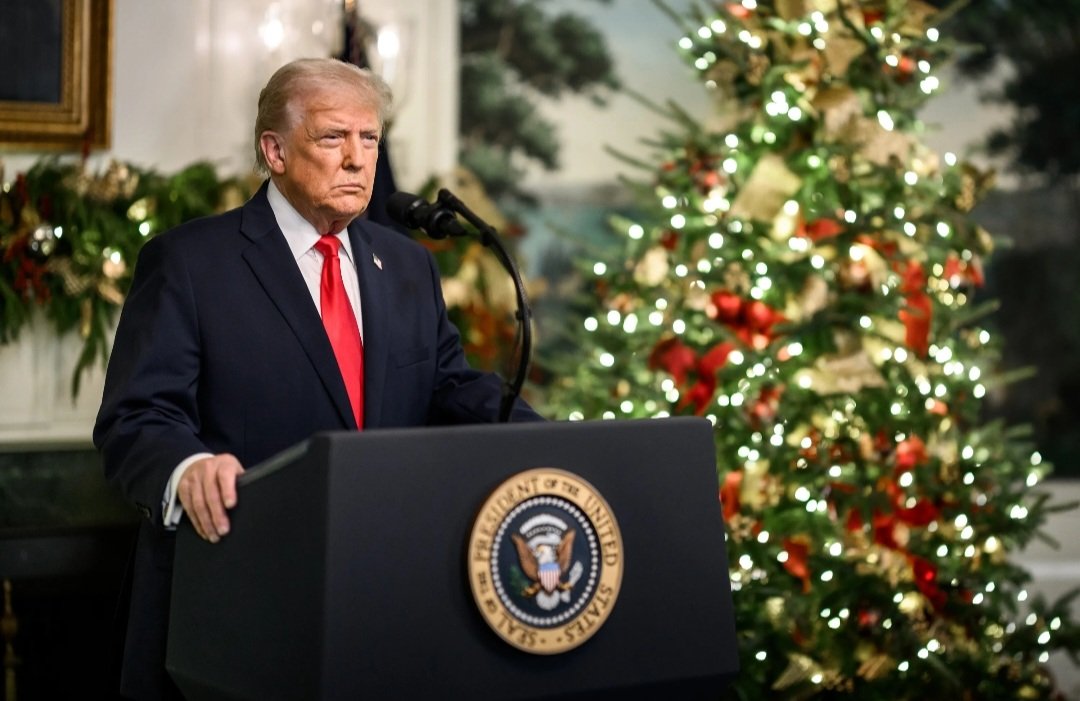
    In the current geopolitical landscape, few leaders demonstrate the direct connection between politics and financial markets as clearly as Donald Trump. His latest moves, from escalating tensions in the Middle East to openly challenging long-standing alliances, have once again shown how fragile and reactive the global system has become.

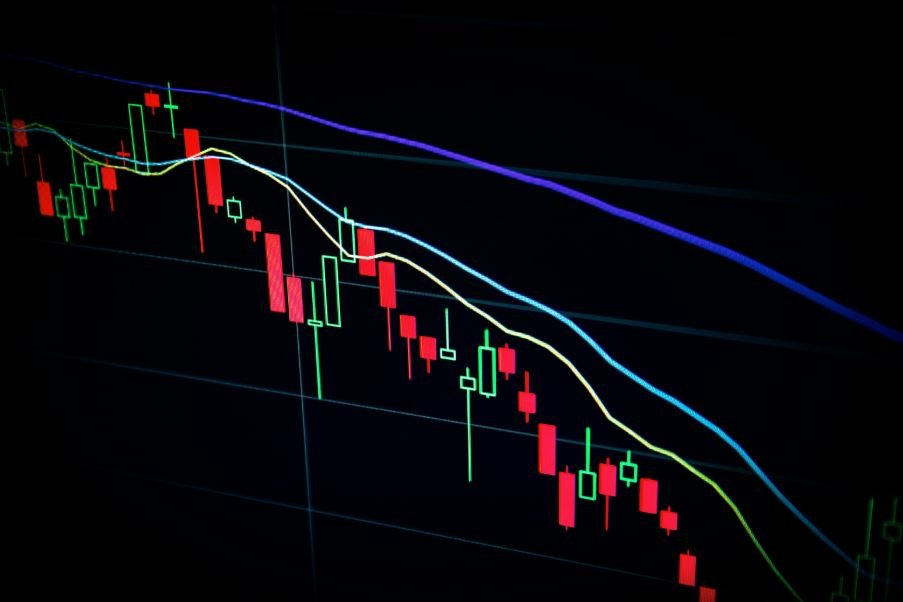
    The immediate reaction is familiar. Oil prices surge on fears of conflict. Equity markets hesitate under uncertainty. Investors shift capital into safer assets. These are not new patterns. What is different today is the speed and intensity at which these reactions occur. A single policy announcement or geopolitical threat can ripple across continents within hours, reshaping market sentiment in real time.

    This reflects a deeper transformation. Global markets are no longer driven purely by economic indicators such as earnings, inflation, or interest rates. They are increasingly shaped by political decisions and strategic power plays. Trump’s approach to leadership, which often combines unpredictability with aggressive positioning, amplifies this effect. Markets are not just reacting to policy outcomes. They are reacting to the possibility of disruption.

    One of the clearest lessons from this situation is that volatility is no longer an exception. It has become the environment itself. In previous decades, instability was often tied to isolated crises. Today, it is embedded within the system. Trade tensions, military threats, and diplomatic breakdowns occur alongside economic growth, not separate from it. This creates a market that can rise and fall within the same narrative cycle.

    For investors, this introduces a new kind of challenge. Traditional strategies built on long-term stability and predictable cycles are increasingly tested. A portfolio that performs well under stable conditions may struggle when exposed to sudden geopolitical shocks. At the same time, those who understand how to navigate volatility can find significant opportunities. Energy, defense, and commodities often benefit during periods of tension, while broader indices may fluctuate.

    Another important shift lies in the structure of globalization itself. For decades, global markets relied on cooperation between major powers, supported by trade agreements and military alliances. When leaders begin to question or weaken these frameworks, the impact goes beyond politics. It affects supply chains, capital flows, and long-term investment confidence. Countries start to rethink dependencies, diversify partnerships, and prioritize national interests over collective stability.

    This does not mean globalization is ending. It means it is evolving into a more fragmented and competitive system. Instead of a single interconnected market, the world may move toward regional blocs with distinct economic and strategic priorities. This transition introduces both risk and opportunity, depending on how quickly institutions and investors adapt.

    At the center of all this is a fundamental paradox. The same actions that create uncertainty can also generate growth. Pro-business policies and strong domestic focus can boost corporate performance and attract investment. At the same time, geopolitical tension increases the likelihood of disruption. Growth and risk are no longer separate forces. They exist together, often driven by the same decisions.

    The key takeaway is not about agreeing or disagreeing with any particular leader. It is about understanding the environment that is being shaped. Markets today reward those who are adaptable, informed, and aware of the broader geopolitical context. The ability to respond to change has become more valuable than the ability to predict stability.

    What we are witnessing is not a temporary phase. It is a shift in how the global system operates. Power, perception, and rapid decision-making now play a central role in shaping economic outcomes. For those observing closely, the message is clear. The rules of the market have not disappeared. They have changed, and those who fail to recognize this shift risk being left behind.

  • Easter Church Attack Highlights Escalating Wave of Violence Across Nigeria

    Easter Church Attack Highlights Escalating Wave of Violence Across Nigeria

    Kaduna, 7 April 2026

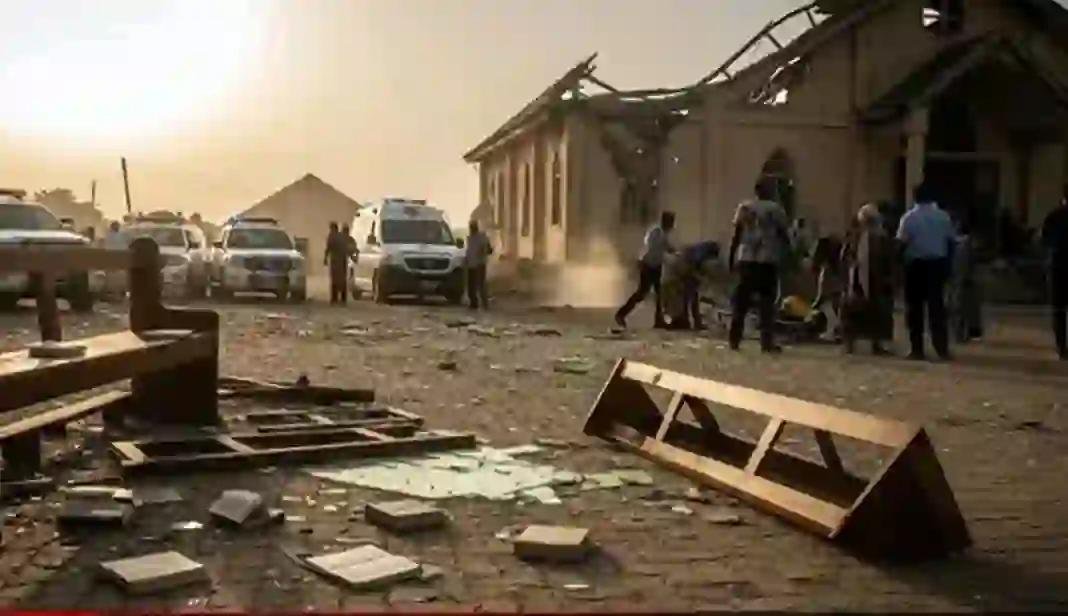
    A deadly attack on a church during Easter celebrations has underscored a growing security crisis in Nigeria, where a surge of coordinated violence this month has left dozens dead and communities on edge.

    On April 6, 2026 (Easter Sunday), gunmen stormed a church in Kaduna State during a morning service, killing at least five worshippers and abducting several others. According to Nigerian military officials, troops later rescued 31 hostages after launching a pursuit operation into nearby forested areas.

    The assault in Kaduna was not an isolated incident. Between April 5 and April 7, 2026, a series of coordinated attacks unfolded across multiple regions. Authorities report that at least 26 people were killed during this period. In Benue State on April 5, armed attackers raided a rural community, killing at least 17 civilians. A day later, on April 6, another group targeted a police facility in Borno State, resulting in the deaths of several officers.

    The timing of the Kaduna church attack on one of the most important days in the Christian calendar has heightened concerns. Churches in northern Nigeria have increasingly been targeted during major religious gatherings, when attendance is high and security is often limited. Earlier in the year, on February 18, 2026, more than 170 worshippers were reportedly abducted during coordinated raids on churches in Kaduna State, pointing to a disturbing pattern.

    While some observers interpret the Easter attack as part of a broader campaign against Christian communities, Nigerian authorities insist the situation is more complex. Officials cite a combination of armed banditry, extremist insurgency, and long-standing communal tensions between farmers and herders as key drivers of the violence.

    Kaduna State, in particular, has become a flashpoint due to its mix of ethnic and religious populations. Armed groups including jihadist factions linked to the Islamic State as well as heavily armed criminal gangs operate across its rural areas, frequently launching raids on villages, highways, and places of worship.

    The April violence also follows earlier deadly incidents. On March 28, 2026, gunmen attacked a village in north-central Nigeria, killing dozens in what authorities described as a reprisal linked to local conflicts. In another case, on February 10, 2026, a Catholic priest was kidnapped in Kaduna, further highlighting the persistent insecurity in the region.

    Despite ongoing military operations, critics say the government has struggled to contain the crisis. Response times in remote areas remain slow, allowing attackers to strike and retreat with little resistance. Security forces have stepped up patrols in recent days, but many communities say they continue to feel vulnerable.

    Religious leaders have called for stronger protection, particularly during major holidays. “Our communities are living in fear,” one church official said following the Easter attack, urging authorities to deploy more personnel to safeguard places of worship.

    The Nigerian government maintains that the violence is not exclusively religious, noting that both Muslim and Christian communities have been affected. However, the Easter Sunday attack has intensified fears that religious gatherings are becoming increasingly attractive targets.

    As Nigeria confronts overlapping threats from terrorism to organized crime the events of April 5–7, 2026, culminating in the April 6 Easter church attack, serve as a stark reminder of the country’s fragile security situation. Without significant improvements, analysts warn, such coordinated violence may continue to escalate in the months ahead.

  • Global Powers Clash at UN: Russia and China Veto Strait of Hormuz Resolution Amid Rising Tensions

    Global Powers Clash at UN: Russia and China Veto Strait of Hormuz Resolution Amid Rising Tensions

    New York, 7 April 2026

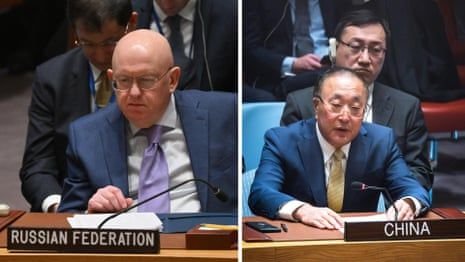
    A high-stakes meeting at the United Nations Security Council has exposed deep global divisions after Russia and China vetoed a Western-backed resolution aimed at securing shipping routes through the Strait of Hormuz. The move has intensified debate over whether the proposal was a necessary step to protect global stability or a politically charged measure that risked escalating conflict in the Middle East.

    The resolution, introduced with strong backing from the United States and its allies, called for international cooperation to safeguard commercial vessels and ensure the continued flow of goods through one of the world’s most critical oil chokepoints. The Strait of Hormuz carries nearly a fifth of global oil supply, making any disruption a significant threat to the global economy. Supporters argued that recent actions attributed to Iran had effectively restricted maritime traffic, driving up energy prices and increasing the risk of humanitarian consequences.

    U.S. representatives at the council condemned the veto, stating that the resolution was purely defensive and aimed at maintaining international law and freedom of navigation. British officials echoed this stance, warning that failure to act could embolden further disruptions and destabilize global markets. “The world cannot afford inaction when a vital economic artery is under threat,” one Western diplomat said, emphasizing that the proposal sought to prevent escalation rather than provoke it.

    However, Russia and China presented a sharply different view. Both nations criticized the resolution as one-sided and politically motivated, arguing that it unfairly singled out Iran without addressing broader regional tensions. According to their representatives, the proposal risked being used as a pretext for military intervention, potentially worsening an already volatile situation.

    Moscow’s envoy stressed that any meaningful solution must include dialogue and acknowledge the security concerns of all parties involved, including Iran. Beijing similarly called for restraint, urging the international community to prioritize diplomacy over coercive measures. Both countries maintained that the Security Council should not endorse actions that could deepen geopolitical divides or legitimize force.

    Iran welcomed the veto, describing the resolution as an attempt to justify external pressure and interference. Officials in Tehran have repeatedly denied accusations of unlawfully disrupting shipping, instead framing their actions as defensive responses to foreign military presence in the region.

    The veto underscores a broader pattern within the Security Council, where major powers increasingly clash over how to address global crises. While Western nations argue that decisive action is needed to uphold international norms, Russia and China often advocate for a more cautious approach that emphasizes sovereignty and negotiation.

    As tensions in the Middle East continue to rise, the deadlock at the United Nations raises questions about the council’s ability to respond effectively to urgent global challenges. With no consensus in sight, the situation in the Strait of Hormuz remains uncertain—leaving the world’s energy security and geopolitical stability hanging in the balance.

  • Gunfire Erupts Outside Israeli Consulate in Istanbul, Highlighting Rising Regional Tensions

    Gunfire Erupts Outside Israeli Consulate in Istanbul, Highlighting Rising Regional Tensions

    Istanbul, April 7 2026

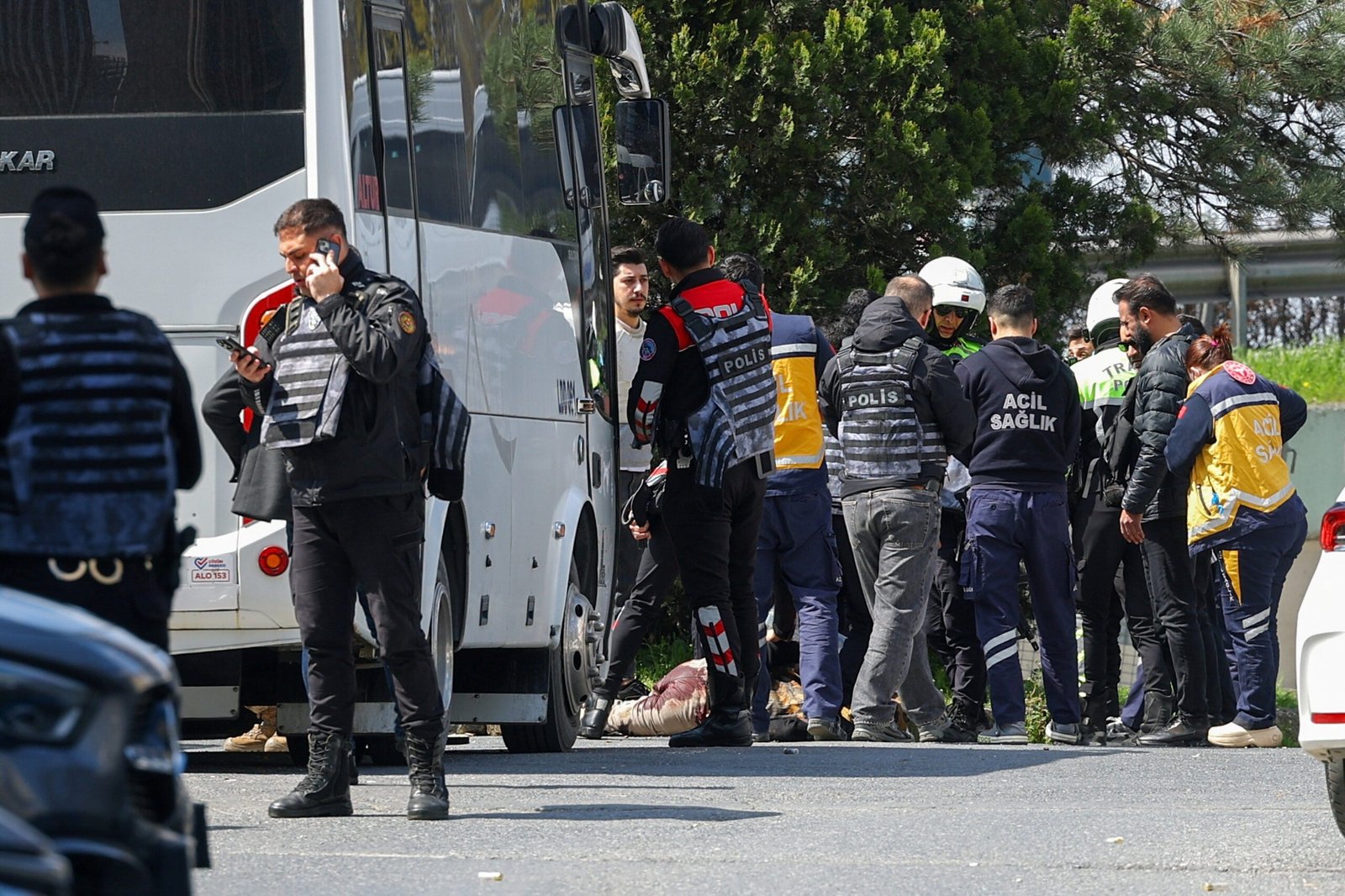
    A violent gun attack outside the Israeli consulate in Istanbul on Tuesday has intensified concerns over the growing spillover of Middle East tensions into international cities. The incident, which involved multiple armed assailants, ended in a brief but intense shootout with Turkish security forces, leaving at least one attacker dead and several others injured.

    According to Turkish authorities, three gunmen approached the vicinity of the Israeli diplomatic mission during the afternoon hours and opened fire, triggering panic in the busy commercial district. Police stationed near the consulate responded immediately, engaging the attackers in a firefight that lasted several minutes. Witnesses described scenes of chaos as gunshots rang out, forcing nearby personnel and pedestrians to take cover.

    Officials confirmed that at least one of the attackers was killed during the exchange, while others were either wounded or apprehended. Two Turkish police officers sustained injuries but are reported to be in stable condition. Security forces quickly sealed off the area, launching a broader investigation into the motives and affiliations of the attackers.

    The Israeli consulate itself was not breached, and no diplomatic staff were harmed. Reports indicate that Israeli personnel had already reduced their presence at the site due to heightened security concerns in recent weeks, a precaution linked to escalating geopolitical tensions.

    Preliminary findings suggest that the attackers may have been linked to an extremist network. Turkish officials stated that the suspects were associated with a group known for “exploiting religious sentiments,” though no specific organization has been publicly identified. Local media reports also indicated that at least two of the suspects were related and had traveled from outside the city prior to the attack.

    The incident comes at a time of heightened instability in the region, particularly amid the ongoing friction tied to the broader Israel–Iran conflict. Analysts warn that such attacks could represent a dangerous trend, where regional conflicts increasingly manifest beyond their immediate borders.

    Israel’s government swiftly condemned the attack, praising Turkish authorities for their rapid response in neutralizing the threat. In a brief statement, officials emphasized that acts of violence against diplomatic missions would not deter their operations globally.

    Meanwhile, Turkish authorities have pledged to strengthen security around foreign missions and continue their investigation to uncover any wider network involved. “We will not allow our country to become a stage for international provocations,” a senior security official said.

    As investigations continue, the shooting underscores the fragile security environment surrounding diplomatic sites worldwide. Experts caution that as geopolitical rivalries intensify, such incidents may become more frequent, raising the stakes for both host nations and foreign missions operating within their borders.

  • Markets on Edge as Five Signals Shape Investor Sentiment

    Markets on Edge as Five Signals Shape Investor Sentiment

    7 April 2026

    The global market is waking up in a state of quiet tension. Beneath the surface of opening bells and pre market numbers lies a deeper narrative shaped by uncertainty, shifting capital flows, and a fragile sense of confidence. The widely followed “5 Things to Know Before the Stock Market Opens” is not just a checklist today. It reads more like a warning.

    First, oil prices are no longer just an energy story. They have become a geopolitical signal. With crude pushing past the psychological level of 110 dollars per barrel, the market is reacting to fear more than fundamentals. For everyday investors, this simply means higher costs are coming. Transportation, food, and manufacturing all become more expensive. When companies face rising costs, profits shrink unless prices are passed on to consumers. That is where inflation quietly creeps back into the conversation, even when central banks thought they had it under control. In my view, this is the kind of pressure that does not disappear overnight. It lingers and slowly reshapes market expectations.

    Second, the stock market itself is showing signs of hesitation rather than direction. Futures may suggest a stable or slightly positive open, but stability right now is misleading. What we are seeing is not confidence. It is indecision. Investors are holding positions, not because they are convinced, but because they are waiting. Waiting for clarity on global tensions, waiting for economic data, waiting for a reason to move. This kind of market behavior often leads to sudden volatility. When everyone waits, any piece of news can trigger a sharp reaction. For retail investors, this is a reminder that calm markets are not always safe markets.

    Third, the movement in cryptocurrency, particularly Bitcoin approaching the 70,000 mark again, reflects something deeper than just digital asset enthusiasm. It signals a shift in trust. When traditional markets feel uncertain, money tends to look for alternative places to sit. Bitcoin, for many, has become that temporary shelter. It is not necessarily about belief in crypto technology alone. It is about diversification and, in some cases, fear of traditional systems under pressure. This trend should not be ignored because it reveals how investors are thinking, not just where they are investing.

    Fourth, economic data continues to play a subtle but powerful role. Reports on employment, consumer spending, and manufacturing may not always dominate headlines, but they shape the foundation of market sentiment. Right now, the data is mixed. Some sectors show resilience, while others hint at slowdown. For the average reader, the takeaway is simple. The economy is not collapsing, but it is not fully strong either. It is in a transition phase. Markets do not like transitions because they are difficult to price. This uncertainty feeds into cautious trading behavior and limits strong upward momentum.

    Finally, corporate earnings and expectations remain a critical piece of the puzzle. Companies are entering a period where they must justify their valuations in a more challenging environment. Higher costs, uncertain demand, and global instability create a difficult backdrop. Investors are no longer satisfied with growth stories alone. They want efficiency, resilience, and realistic guidance. In my opinion, this is where many companies will be tested. Those that can adapt will stand out, while others may struggle to maintain investor confidence.

    Taken together, these five signals paint a clear picture. The market is not in crisis, but it is far from comfortable. It is navigating a complex environment where geopolitics, economics, and investor psychology are deeply interconnected. For readers and investors alike, the key is not to react emotionally to every headline, but to understand the broader pattern forming beneath the noise.

    This is a moment where patience becomes more valuable than prediction. The market will move, as it always does, but the direction will be shaped by forces that go beyond daily numbers. And right now, those forces are still evolving.

  • World Health Day 2026 Marks a Moment to Reflect on Global Wellbeing

    World Health Day 2026 Marks a Moment to Reflect on Global Wellbeing

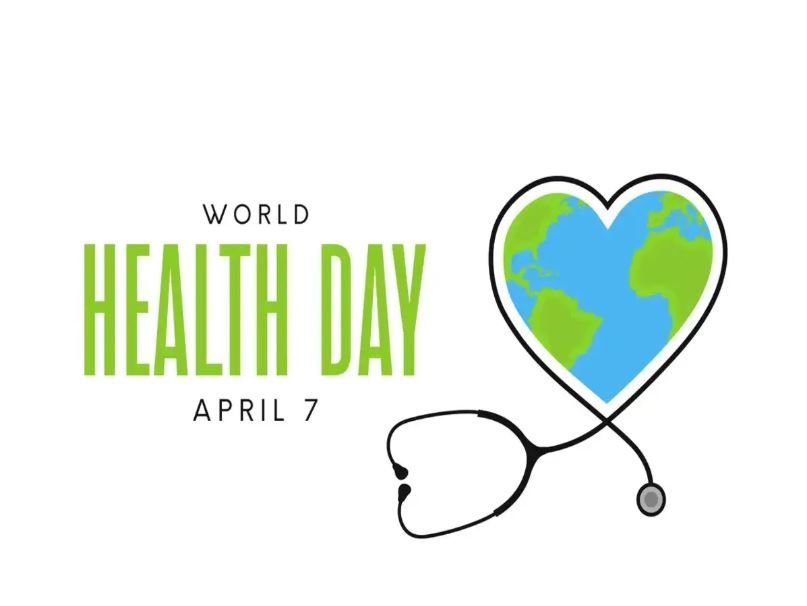
    Every year, the world pauses to recognize the vital importance of health and wellbeing through World Health Day, and 2026 is no exception. This observance is not merely a reminder of the challenges humanity faces in maintaining good health but a call to action for governments, organizations, and individuals alike. The theme of this year emphasizes the critical need to understand health beyond just the absence of illness, encouraging everyone to take ownership of their wellbeing and the wellbeing of communities around them.

    World Health Day has a history that stretches back to 1948, when the World Health Organization was founded. From that point, April 7 became a global moment to spotlight pressing health issues, whether they be infectious diseases, mental health, or emerging health threats. Each year, the theme reflects the most urgent global concern, and 2026 focuses on raising awareness and empowering people with knowledge. Understanding health in its full scope allows societies to design better systems, respond to crises more effectively, and foster environments where people can thrive physically, mentally, and socially.

    The significance of World Health Day cannot be overstated. Beyond being a symbolic occasion, it serves as a barometer for how societies prioritize health. When governments invest in health education, universal access to care, and preventive measures, the ripple effects extend to economic stability and social cohesion. Knowledge about health empowers people to make informed choices, reducing preventable illnesses and improving overall quality of life. In this context, the 2026 theme resonates strongly, urging individuals to recognize that health is not passive but a continuous commitment that requires awareness, action, and community support.

    Celebration of World Health Day also brings attention to disparities in health access around the globe. While some communities benefit from advanced medical care and robust public health systems, others remain vulnerable due to lack of resources, infrastructure, or information. Highlighting these gaps is not about creating guilt but about fostering global solidarity and encouraging policy changes that make healthcare accessible to all. It reminds us that health is a collective responsibility, and informed citizens play a crucial role in advocating for equity and better public health policies.

    From a journalistic perspective, observing World Health Day is an opportunity to report on progress, highlight ongoing challenges, and inspire action. Stories of innovation, community programs, and personal health journeys offer insight into how individuals and societies are responding to the call for better health. In an era marked by rapid technological and medical advancements, knowledge becomes the most powerful tool. People who understand health issues are better equipped to engage with policies, participate in preventive measures, and adapt lifestyles that support long-term wellbeing.

    Ultimately, World Health Day 2026 is more than a date on the calendar. It is a reminder that health is dynamic, influenced by personal habits, societal structures, and global trends. It challenges us to reflect on what health means individually and collectively, to recognize the progress made, and to acknowledge the work that still lies ahead. As citizens of a connected world, embracing knowledge, fostering awareness, and taking proactive steps toward health is not just a personal responsibility but a shared mission that can shape a more resilient and compassionate global community.