Blog

  • Pakistan Helps Iran and U.S. Agree on Two-Week Ceasefire to Pause Fighting

    Pakistan Helps Iran and U.S. Agree on Two-Week Ceasefire to Pause Fighting

    8 April 2026

    A short two-week ceasefire between Iran and the United States has started, giving civilians and the world a brief break from the recent fighting. The pause was made possible thanks to mediation by Pakistan, which played a key role in bringing both sides to the table.

    The fighting had escalated in the past month, with missile strikes and air raids, raising fears of a wider war in the region. One of the most serious issues was Iran’s threat to block the Strait of Hormuz, a narrow channel through which nearly 20% of the world’s oil passes. Any prolonged closure could have caused global fuel shortages and higher prices.

    Under the ceasefire agreement, Iran has agreed to temporarily allow safe passage through the Strait of Hormuz, while the U.S. and Israel will stop offensive military actions for 14 days. The pause also creates space for urgent talks aimed at a longer-term solution.

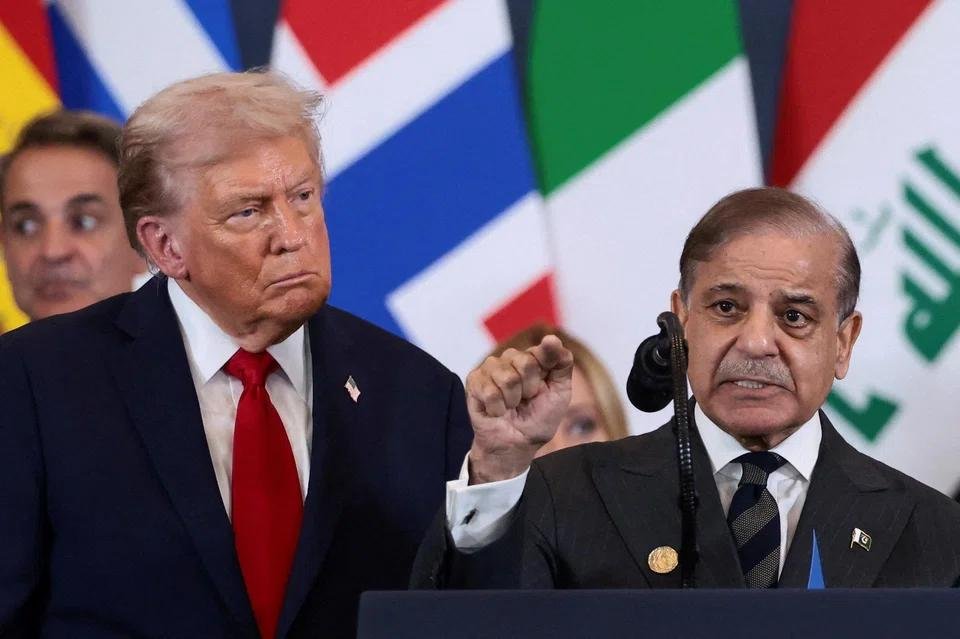
    Pakistan’s involvement was crucial. Prime Minister Shehbaz Sharif urged both sides to act peacefully. He said, “We encourage both Iran and the United States to use this two-week pause to work toward lasting peace and prevent further bloodshed.” Pakistani mediators helped share proposals between Tehran and Washington, allowing both sides to agree on the temporary halt.

    U.S. President Donald Trump explained the reasoning behind the ceasefire. “We are suspending attacks for two weeks to give diplomacy a chance. We hope Iran will cooperate and avoid further escalation,” he said.

    Iranian officials also welcomed the pause but emphasized it is only temporary. A senior official in Tehran told reporters, “We view this ceasefire as a necessary pause. Our goal remains a permanent end to the conflict, not just a short break.”

    Even though the ceasefire has begun, some tension remains. Minor clashes were reported in the first hours, showing how fragile the agreement is. Experts say the two-week period is mainly a test to see if both sides can stick to the agreement before serious talks continue.

    For civilians in the region, the pause brings relief. Aid groups are preparing to deliver food, medicine, and other help to people affected by the fighting.

    The world is watching closely to see if the ceasefire holds. If it works, it could lead to longer negotiations and a more permanent peace. If it fails, fighting could resume even more intensely. Pakistan’s role shows the importance of mediation in resolving conflicts, and for now, its efforts have bought a small but important window of calm.

  • Global Energy Shock: Why Asia Pays the Price for Decisions Far Away

    Global Energy Shock: Why Asia Pays the Price for Decisions Far Away

    6 April 2026

    As the world watches escalating tensions in the Middle East, the ripple effects are already being felt thousands of miles away in Asia. Today, crude oil prices have surged beyond USD 110 per barrel, triggered by threats and recent strikes on Iranian and Kuwaiti oil infrastructure. Markets are volatile, supply chains are stressed, and for ordinary families across Asia, the cost is already hitting their wallets.

    The latest drone strikes on oil facilities in Kuwait and ongoing threats to Iran’s energy infrastructure have disrupted a critical portion of the world’s oil supply. Analysts estimate that nearly 15% of global oil output could be temporarily affected, as OPEC+ struggles to compensate through increased production. While these events unfold in the Middle East, their consequences cascade rapidly across the globe.

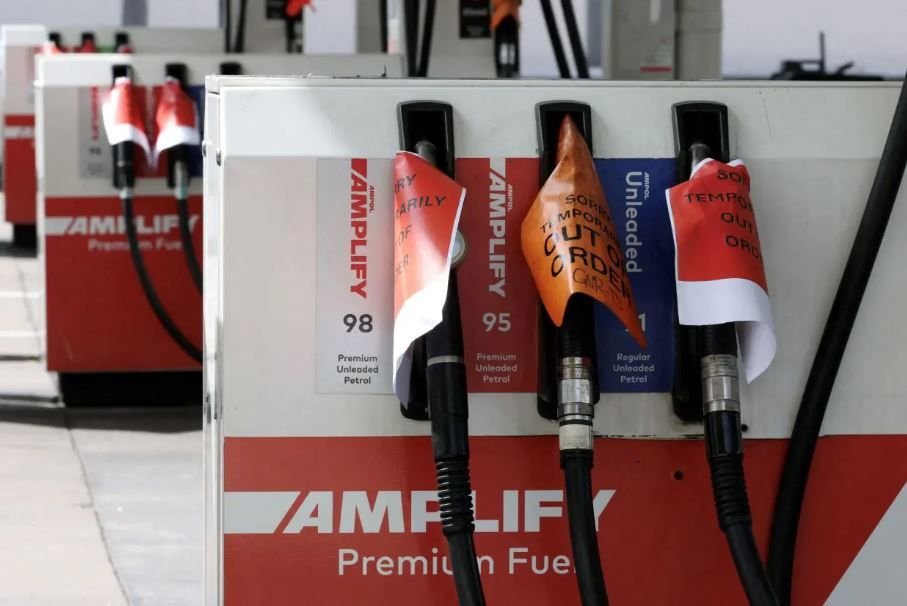
    Asia, heavily reliant on imported energy from the region, is among the first to feel the impact. Countries in Southeast Asia, including Malaysia, Indonesia, and the Philippines, are experiencing fuel shortages, supply delays, and rising prices. In some cases, governments are under pressure to maintain subsidies, but even these measures offer only temporary relief. Families notice it immediately, the cost of transportation rises, food prices increase as logistics costs soar, and household budgets tighten.

    This brings us to a crucial point, the link between global policy decisions and local consequences. The policies and actions of a single superpower, the United States, in shaping foreign military strategy have indirect but very real economic consequences for communities in Asia. Decisions to escalate or intervene, whether politically motivated or strategic, set off a chain reaction. Oil supply disruptions in the Middle East translate into higher energy prices, which in turn raise the cost of living for ordinary people thousands of miles away.

    The pattern is clear. Crises originating far from Asia are felt first and hardest by populations with the least control over the circumstances. While these geopolitical events may generate headlines in the U.S. and Europe, the economic burden is disproportionately carried by those in Asia, particularly the middle and lower-income households.

    It is not just about fuel. The surge in energy prices triggers broader inflation. Rising logistics costs affect the price of basic goods, fertilizers for agriculture, and electricity. Even industries pivoting to alternative energy sources, such as solar or wind, face constraints due to immediate shortages of oil and gas. What begins as a geopolitical risk quickly transforms into a systemic challenge that touches nearly every aspect of daily life in Southeast Asia.

    For the people of the region, the lesson is both urgent and practical. Understanding global supply chains and energy markets is no longer optional, it is essential. Households may need to adjust budgets, consider energy-efficient alternatives, and explore additional sources of income. Businesses and policymakers, too, must anticipate the cascading effects of distant conflicts on local economies, preparing strategies that mitigate the shock for their communities.

    Ultimately, this crisis illustrates a simple truth. In an interconnected world, no economy is an island. Actions taken by powerful nations, even thousands of miles away, have direct consequences for ordinary lives elsewhere. Recognizing these links allows Asia to navigate turbulent times more wisely. While decisions in Washington or Tehran may seem remote, their economic echoes resonate in the markets, shops, and homes of Southeast Asia every single day.

    Asia pays the price, not for the decisions it makes, but for the risks others take. Awareness, adaptability, and proactive planning are the only tools available to shield communities from the full brunt of this global energy shock.

  • Human Ingenuity in the Age of AI: Why We Still Matter

    Human Ingenuity in the Age of AI: Why We Still Matter

    6 April 2026

    The rise of artificial intelligence has transformed the way the world works. From drafting reports to automating repetitive tasks, machine learning models now handle a wide range of functions once thought to require human labor. But rather than heralding the end of human relevance, this transformation underscores a deeper truth: it is precisely our human imperfections, our mistakes, emotions, intuition and creativity that keep us indispensable.

    Recent reporting shows that workers at all levels are feeling anxiety about the impact of AI on their job security. Many fear that automation and digital employees will replace routine roles entirely, especially in jobs with predictable tasks. This fear is compounded by layoffs linked to increased AI adoption, prompting concerns over long-term employment stability.

    Experts caution against the narrative that AI will simply wipe out human labor. Studies suggest that while AI can automate many text-based and repeatable tasks, this transformation is slow and uneven, offering workers time to adjust and demonstrate their unique value. Significant human oversight is still required.

    AI Augments, But Doesn’t Replace Human Judgment

    Technology leaders argue that AI is reshaping task execution, not eliminating the core purpose of professions. Machines take on repetitive work, but humans still bring context, judgment and decision-making to the table, qualities that are difficult for AI to replicate.

    This distinction between tasks and deep human purpose forms the heart of the modern debate. AI excels in predictable environments where logic and data dominate. It is precise, tireless and efficient. Yet the same systems lack something fundamental, emotional intelligence, moral reasoning, curiosity, and lived experience.

    Research highlights the skills that machines cannot replicate, even as AI becomes more sophisticated. Emotional judgment, taste, moral courage, storytelling, trust-building, and question-engineering remain deeply human domains. AI might generate options in mass, but humans decide which options matter.

    Mistakes: The Hidden Source of Human Creativity

    An emerging narrative among thinkers and journalists is that mistakes are not merely errors, they are creative catalysts. Where AI relies on patterns and trained data, human error often leads to discovery, innovation and breakthroughs that machines cannot anticipate. AI may generate solutions based on existing knowledge, but it does not invent new problems or contexts, nor does it possess the lived experiences from which authentic artistry emerges.

    Human-AI Collaboration: The Future, Not Competition

    Rather than viewing AI as an existential threat, many experts argue that AI’s greatest power is in amplifying human potential. By handling routine tasks and data-driven functions, AI allows humans to focus on areas where they excel, strategic thinking, ethical judgment, complex problem-solving and cultural understanding.

    This does not mean there won’t be disruption. There will be job churn, shifts in required skills, and transitions in how work is structured. Even massive layoffs tied to automation have shown one truth: humans who understand how to work with AI rather than fight it are far more likely to thrive.

    Practical Ways Humans Can Stay Relevant

    For workers and communities grappling with the rise of AI, the most effective strategy is not resistance but adaptation. Skills rooted in human nuance, emotional intelligence, cultural fluency, ethical leadership, and creative problem-solving are becoming increasingly valuable. This does not require rejecting technology; it means leveraging AI as a tool while retaining the uniquely human qualities AI cannot imitate.

    For example:

    1. Leaders use empathy to nurture teams and make difficult decisions that involve human impact

    2. Storytellers craft narratives grounded in lived experience, not data patterns

    3. Innovators ask questions that break assumptions rather than simply optimize existing processes

    These are the domains where human insight continues to outshine automation.

    Conclusion: Humans Remain Independent and Creative

    AI is a powerful tool, but it does not define our value or capabilities. Humans are capable of thinking independently, solving problems creatively, and making decisions based on judgment and experience. Mistakes, exploration, and intuition are what fuel innovation, and these remain uniquely human.

    While AI can assist in tasks that are repetitive or data-heavy, it is our independence, adaptability, and creativity that ensure we remain relevant. Success does not come from relying solely on machines, but from understanding that human ingenuity can thrive on its own while leveraging AI when useful. Humans are not just surviving alongside AI; they are leading, creating, and shaping the future with or without it.

  • Hungary on Edge: Explosives Scare and Fierce Election Battle Shake the Nation

    Hungary on Edge: Explosives Scare and Fierce Election Battle Shake the Nation

    6 April 2026

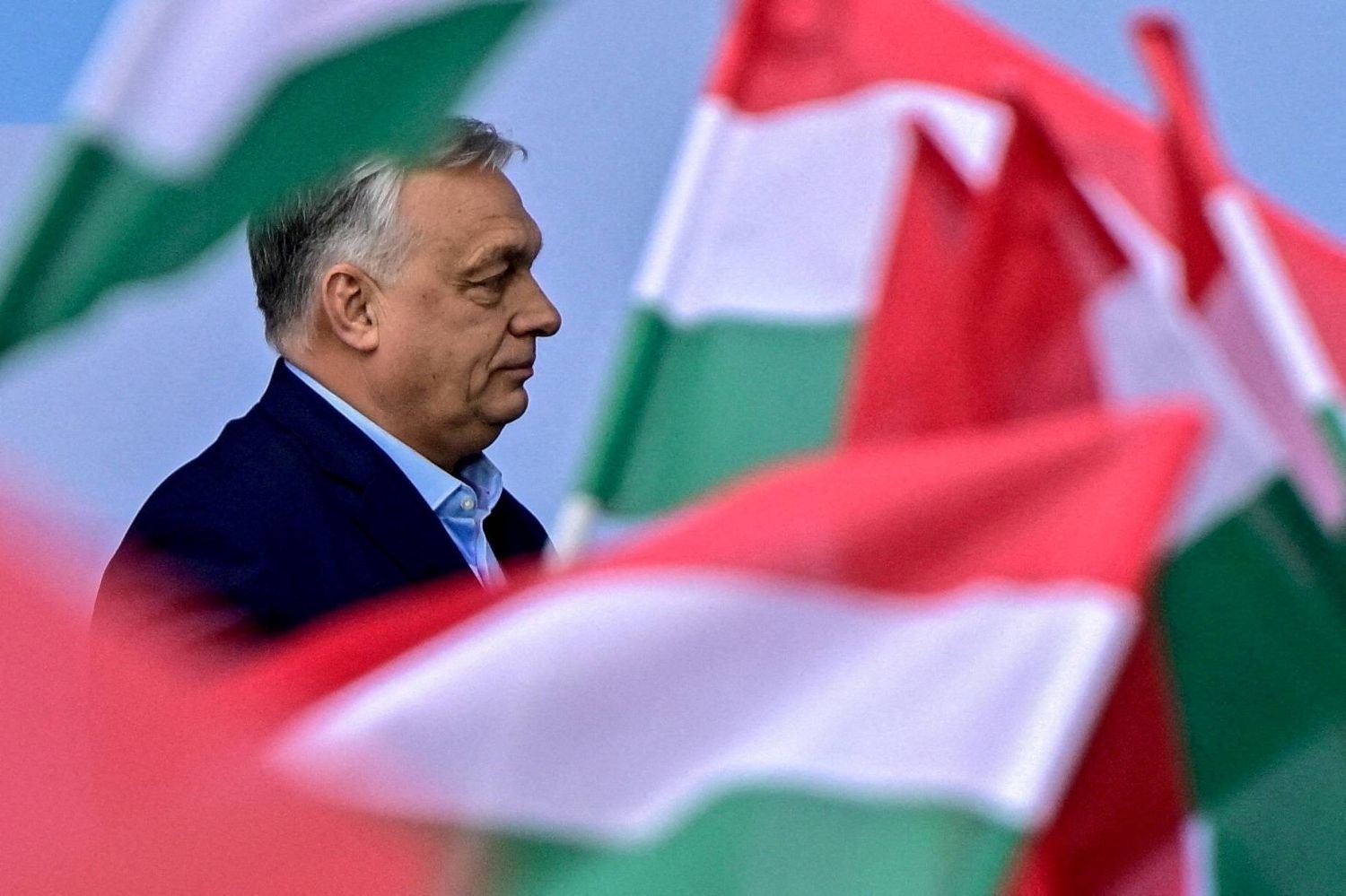
    Hungary is heading into one of the most critical moments in its recent history, as a high-stakes parliamentary election approaches amid rising political tension and a shocking security incident. Prime Minister Viktor Orbán, who has ruled for more than 16 years, is facing a serious challenge that could reshape the country’s future.

    The national election, scheduled for April 12, is widely seen as a turning point. Orbán’s government, known for its nationalist stance and close relations with Russia, is being challenged by opposition leader Péter Magyar. Magyar has quickly gained popularity, especially among young and urban voters who are calling for reform and stronger ties with the European Union.

    Speaking at a recent rally, Magyar said, “Hungary deserves a future built on fairness, transparency, and opportunity.” His campaign has focused on economic concerns, anti-corruption efforts, and restoring democratic institutions.

    However, the already tense political environment took a dramatic turn after authorities discovered explosives near a key gas pipeline supplying Hungary through Serbia. The pipeline is a crucial part of the country’s energy infrastructure, and the discovery triggered an immediate security response.

    In a national address, Orbán warned, “We are facing a serious threat to our national security. Hungary will not tolerate any attempt to destabilize our country.” He ordered a full investigation and increased protection around critical infrastructure.

    The incident has sparked intense debate across the country. Government supporters have suggested the possibility of foreign sabotage aimed at influencing the election. At the same time, opposition figures have questioned the timing, with some raising concerns that the situation could be used to shift public opinion. So far, no clear evidence has been released to confirm either claim.

    The situation has also drawn international attention. Allies of Donald Trump have voiced support for Orbán, praising his strong stance on national sovereignty and immigration. Meanwhile, European Union officials are closely monitoring the developments, concerned about the broader implications for democracy and stability in the region.

    Beyond politics and security, economic issues remain at the center of voter concerns. Rising living costs, inflation, and ongoing allegations of corruption have increased public frustration. Many younger Hungarians, in particular, are pushing for change and greater accountability from their leaders.

    As Hungary moves closer to election day, the combination of political rivalry, security fears, and global interest has created a highly uncertain atmosphere. The outcome of this election could determine not only who leads the country, but also the direction Hungary takes in the years ahead.

  • War Beyond Borders: Middle East Nations Bear the Hidden Cost of U.S.–Israel–Iran Conflict

    War Beyond Borders: Middle East Nations Bear the Hidden Cost of U.S.–Israel–Iran Conflict

    6 April 2026

    The ongoing war involving the United States, Israel, and Iran is no longer confined to its primary battlegrounds. Across the Middle East, countries far removed from direct decision-making are now suffering significant physical, economic, and humanitarian damage, as the conflict spills over into a wider regional crisis.

    From the Gulf states to the Levant, missile strikes, drone attacks, and falling debris have turned once-stable areas into zones of uncertainty. According to multiple reports, Iranian retaliatory actions against U.S. and Israeli operations have extended into countries such as Kuwait, Bahrain, and the United Arab Emirates, targeting energy facilities and strategic infrastructure.

    In these nations, the damage is often indirect but still devastating. Air defense systems intercept incoming threats, yet falling debris has caused structural damage to buildings and injured civilians. Airports have faced temporary closures, and critical infrastructure including oil terminals and transport hubs has been disrupted, undermining both national economies and global supply chains.

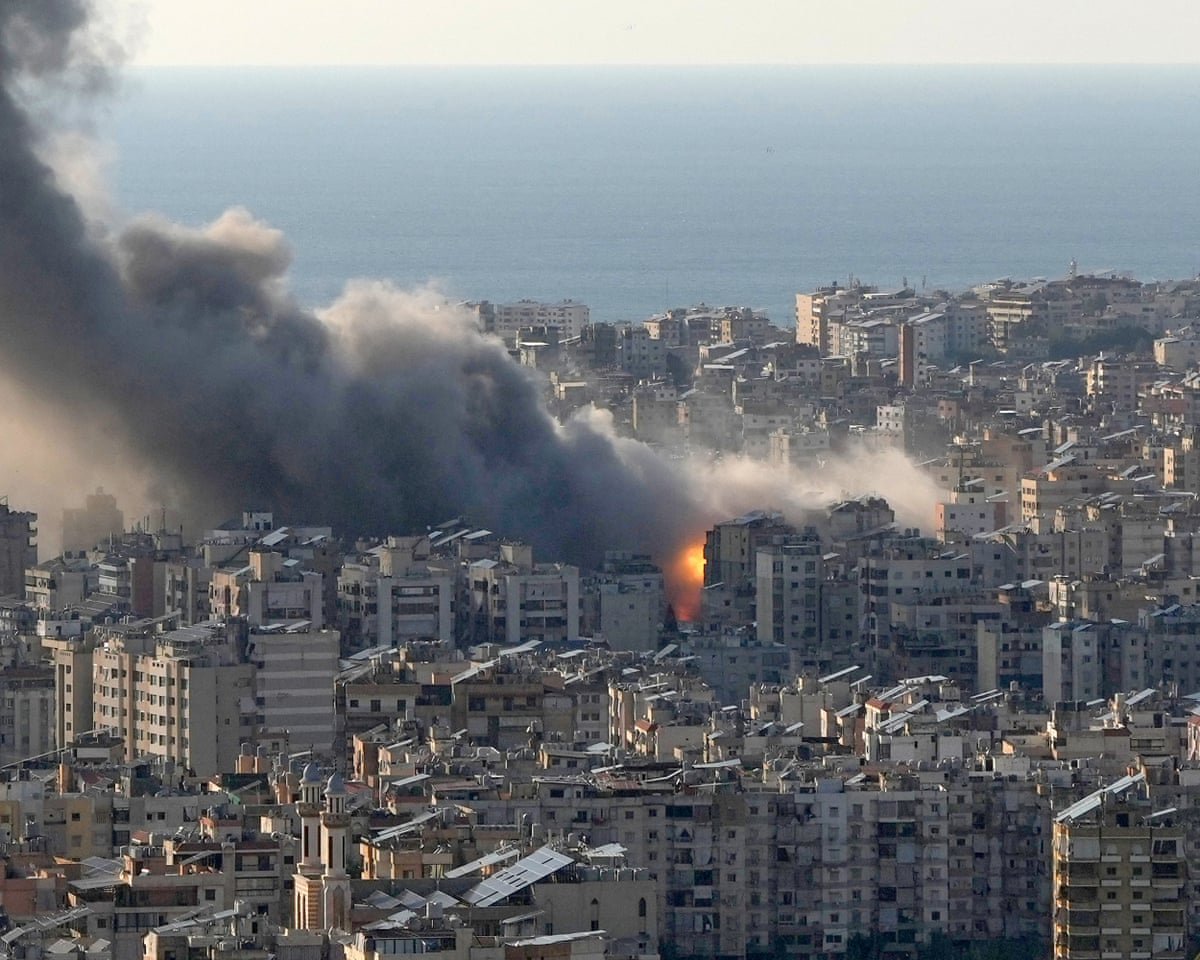
    Lebanon has emerged as another major casualty of the war’s expansion. As tensions between Israel and Iran escalate, Hezbollah’s involvement has drawn Lebanon deeper into the conflict. Reports indicate casualties and damage to infrastructure, alongside mass displacement of civilians fleeing southern regions.

    Meanwhile, Iraq and Syria already fragile from years of conflict have again become staging grounds for military operations. U.S. bases in Iraq have reportedly been targeted by Iranian-aligned forces, raising fears of renewed instability. These attacks risk reigniting internal conflicts and placing additional strain on governments struggling to maintain order.

    The humanitarian toll is growing across the region. The World Health Organization has warned that at least 16 countries are now affected by the broader conflict, with casualties reported not only in Iran and Israel but also in neighboring states. Civilian populations face disrupted healthcare services, shortages of essential supplies, and increasing displacement as violence spreads.

    Economic damage has been equally severe. The closure and militarization of key routes like the Strait of Hormuz a critical artery for global oil transport have sent shockwaves through energy markets. Shipping disruptions, rising fuel costs, and halted trade have affected not just the Middle East but economies worldwide.

    Airspace closures across the Gulf have further compounded the crisis. Airlines have suspended flights, embassies have evacuated staff, and tourism-dependent economies are experiencing sharp declines.

    Global leaders are increasingly warning that the war risks engulfing the entire region. Russia’s Kremlin has described the Middle East as “on fire,” reflecting fears that continued escalation could trigger a broader, uncontrollable conflict.

    As diplomatic efforts struggle to gain traction, the reality on the ground is clear: nations far beyond Iran and Israel are paying the price. What began as a targeted military campaign has evolved into a regional crisis one where the line between combatant and bystander is rapidly disappearing.

  • Boosting Southeast Asia’s Local Economy With Tourism Amid Global Challenges

    Boosting Southeast Asia’s Local Economy With Tourism Amid Global Challenges

    5 April 2026

    The ongoing conflict in the Middle East in early 2026 has had profound implications for the global economy, and Southeast Asia is not immune to these effects. Rising oil prices, disruptions in supply chains, and increased transportation costs have placed significant pressure on households and small businesses throughout the region. Ordinary citizens are facing higher living expenses, from food to fuel, creating real economic challenges. These pressures are particularly concerning for communities that rely on small-scale trade and services, which form the backbone of the local economy.

    In this challenging context, tourism presents a practical solution to support local livelihoods. Malaysia’s Visit Malaysia 2026 (VM2026) campaign is a prime example of a strategic initiative that goes beyond attracting international visitors. The campaign is designed to direct economic benefits to local communities. Tourists contribute directly to local economies by spending on homestays, restaurants, tour guides, local food vendors, handicrafts, and cultural experiences. These activities generate income not only for business owners but also for employees and community members engaged in supporting services.

    Regional collaboration amplifies the impact of tourism. Malaysia’s partnerships with Thailand, China, India, and Singapore help create a larger flow of tourists across Southeast Asia. By promoting the region as a safe and appealing destination, countries ensure that economic benefits extend beyond major metropolitan centers to rural and semi-urban communities. These communities often depend on tourism as a vital source of income, and increased visitor numbers can create opportunities for sustainable employment and small-scale entrepreneurship.

    Sustainable tourism initiatives are playing an increasingly important role. Dedicated funds and programs support small and medium-sized enterprises, allowing communities to earn income while preserving cultural heritage and the natural environment. Investments in eco-tourism and community-led projects not only create jobs but also encourage responsible travel practices that ensure long-term benefits for local populations.

    The Malaysian government has further strengthened tourism’s economic impact by collaborating with FINAS, leveraging the creative and film industries to attract international visitors. This collaboration allows Malaysia to showcase its culture, natural beauty, and creative talent to a global audience, enhancing the country’s profile while generating economic opportunities for ordinary citizens. Malaysia aims to welcome 46 million visitors to Kuala Lumpur alone in 2026, as part of the broader Visit Malaysia 2026 strategy. This approach demonstrates a commitment to supporting local economies while ensuring the country remains competitive in a challenging global environment.

    Tourism is more than a leisure activity; it is a powerful tool to revive local economies, generate income opportunities, and strengthen the resilience of communities in Southeast Asia. By promoting international visitation and supporting local businesses, Malaysia and its neighbors can mitigate some of the economic pressures caused by global instability. Thoughtful, strategic tourism not only brings immediate financial relief but also lays the groundwork for long-term prosperity.

    As Southeast Asia navigates these uncertain times, initiatives such as Visit Malaysia 2026 illustrate how tourism can be a force for economic recovery. By channeling the benefits of international travel directly into local communities, countries in the region can support livelihoods, foster entrepreneurship, and enhance the well-being of their citizens. Tourism has the potential to transform challenges into opportunities, ensuring that Southeast Asia remains economically vibrant and resilient despite global challenges.

  • Netanyahu Confirms Strikes on Iran: Geopolitical and Global Economic Implications

    Netanyahu Confirms Strikes on Iran: Geopolitical and Global Economic Implications

    5 April 2026

    Tensions in the Middle East have escalated sharply as Benjamin Netanyahu confirmed recent strikes on Iran’s petrochemical facilities. The attacks mark a significant intensification of Israel-Iran relations and have drawn global attention due to their potential impact on energy markets and regional stability. Analysts suggest that these strikes are part of a broader strategic approach by Israel to counter perceived threats from Iran, both militarily and economically.

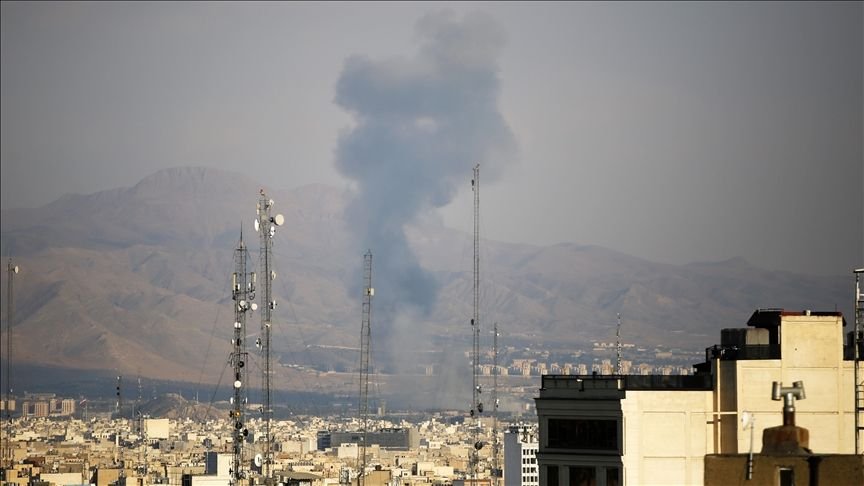
    According to reports from The Guardian, the strikes specifically targeted facilities critical to Iran’s energy production. The petrochemical sector is a major source of export revenue for Iran, and any disruption can directly affect the country’s ability to fund military operations and support proxy networks across the Middle East. By hitting infrastructure rather than conventional military targets, Israel signals that it is willing to employ a mix of tactical and economic pressure to achieve its strategic objectives.

    From a geopolitical perspective, the attacks can be seen as a direct response to Iran’s regional activities. Israel has long accused Iran of supporting armed groups that it considers existential threats. By targeting critical infrastructure, Israel demonstrates its willingness to act decisively rather than waiting for threats to escalate further. Experts note that such strikes serve as both a deterrent and a message to regional and global actors that Israel is prepared to take proactive measures to secure its national interests.

    The operation carries substantial risks. Iran is not only a regional military power but also a significant player in the global oil market. Any disruption to its petrochemical and energy production can create volatility in global oil prices. Following reports of the strikes, international oil markets reacted with increased volatility, reflecting investor concerns over supply disruptions. Higher energy prices can have far-reaching consequences, including increased inflationary pressures in both developed and developing economies that rely heavily on imported energy. Analysts warn that sustained instability in this sector could slow global economic growth and increase uncertainty for markets worldwide.

    In addition, the involvement of major powers such as the United States introduces another layer of complexity. The U.S. has strategic interests in the Middle East, particularly in maintaining stable energy supplies and ensuring the security of its allies. Escalation between Israel and Iran could force increased U.S. engagement, either diplomatically or militarily, with implications that could extend far beyond the region. The risk of wider conflict remains significant, and international observers are closely monitoring the situation to gauge how other regional players may respond.

    Beyond immediate military and economic effects, the strikes highlight the intersection between warfare and global markets. Israel’s approach reflects an understanding that modern conflicts often extend beyond the battlefield, affecting economies, trade routes, and international relations. The petrochemical sector, energy logistics, and oil-dependent industries are now vulnerable to geopolitical shocks, emphasizing the global interconnectedness of such conflicts.

    In conclusion, the strikes confirmed by Benjamin Netanyahu illustrate a strategic escalation that blends military action with economic pressure. While Israel may gain short-term tactical advantages, the long-term implications for global energy security, market stability, and regional diplomacy are substantial. Oil markets, inflation rates, and international relations are now at a delicate juncture, demonstrating that decisions made in the Middle East can reverberate across the world. As the situation develops, governments, investors, and citizens alike will need to monitor both the military and economic dimensions of this conflict, recognizing that the consequences extend far beyond the immediate region.

  • Power Shock: A Silent Surge in Global Electricity Prices Sparks Fear Across Continents

    Power Shock: A Silent Surge in Global Electricity Prices Sparks Fear Across Continents

    5 April 2026

    As households switch on their lights and industries power up their machines, a quieter crisis is unfolding worldwide electricity costs are climbing, and the ripple effects are being felt from Europe to Asia. What was once a gradual increase has now turned into a sharp and unsettling surge, driven by geopolitical tensions, rising demand, and fragile energy systems.

    In parts of Europe, the situation has become increasingly tense. Countries like Germany and France are facing renewed pressure on their energy grids as natural gas prices fluctuate amid ongoing global instability. The shadow of the Strait of Hormuz looms large, where any disruption threatens to choke off critical fuel supplies. Analysts warn that even minor escalations in the Middle East could send electricity tariffs soaring further, particularly in nations still reliant on gas-fired power.

    In United Kingdom, energy bills have already strained households, with regulators cautiously adjusting price caps to reflect rising wholesale costs. Meanwhile, Eastern European nations, still rebuilding energy resilience, are experiencing volatile pricing that has left consumers uncertain about what their next bill might look like.

    Across Asia, the story is no less alarming. In Japan, heavy dependence on imported fuel has made electricity prices highly sensitive to global market swings. Utility companies have warned of further increases as demand rises with the summer heat. Similarly, South Korea is grappling with higher generation costs, forcing policymakers to weigh the political risks of raising tariffs against the financial strain on energy providers.

    In Southeast Asia, countries like Thailand and Indonesia are also beginning to feel the pressure. While some governments continue to shield consumers through subsidies, experts caution that such measures may not be sustainable if global fuel prices remain elevated.

    In Malaysia, the impact is more subtle but no less significant. The government has long relied on subsidies to stabilize electricity prices, helping households avoid sudden spikes. However, energy analysts warn that rising global fuel costs, particularly for liquefied natural gas, could eventually force adjustments. National utility Tenaga Nasional Berhad has already highlighted increasing generation costs, raising concerns that tariff reviews may become unavoidable if external pressures persist. For now, Malaysians remain partially shielded but the question lingers: for how long?

    Behind the surge lies a complex web of causes. The rapid expansion of energy-hungry technologies from artificial intelligence to electric vehicles has significantly increased electricity demand. At the same time, aging infrastructure in many countries requires urgent upgrades, costs that are often passed on to consumers. Climate change adds another layer of uncertainty, with extreme weather events damaging power systems and increasing reliance on cooling and heating.

    Even the global push toward renewable energy, while essential for long-term sustainability, is contributing to short-term cost pressures. Building new solar and wind capacity and upgrading grids to support them requires massive investment. Until those systems are fully operational and efficient, consumers are likely to bear the financial burden.

    Energy economists warn that this could mark the beginning of a prolonged period of volatility. “We are entering an era where electricity is no longer taken for granted as a stable, low-cost utility,” one analyst noted. “Instead, it is becoming a strategic resource shaped by global events.”

    For millions of households and businesses, the question is no longer whether prices will rise but how high they will go, and how long the surge will last.

  • Senegal Curbs Ministers’ Foreign Travel as Oil Shock Forces Austerity Measures

    Senegal Curbs Ministers’ Foreign Travel as Oil Shock Forces Austerity Measures

    5 April 2024

    Senegal has announced a sweeping restriction on foreign travel by government officials, as rising global oil prices place increasing strain on the country’s finances. Prime Minister Ousmane Sonko confirmed that ministers and senior officials will no longer be permitted to travel abroad unless their trips are deemed strictly necessary, marking one of the government’s first major austerity measures in response to the economic fallout from the ongoing US–Iran tensions.

    The directive, issued earlier this week, effectively halts all non-essential foreign travel. Officials must now seek approval and justify the importance of any international trip, a move aimed at cutting costs and conserving public funds. Sonko himself has set the tone, reportedly cancelling planned visits to Europe, including trips to France and Spain, signaling that the policy will apply across all levels of government.

    The decision comes as global oil prices surge to levels far above Senegal’s budget forecasts. The West African nation, which relies heavily on imported fuel, is particularly vulnerable to fluctuations in energy prices. Officials warn that the recent spike driven by instability in the Middle East has significantly widened the country’s fiscal deficit and increased pressure on subsidies.

    In a statement, Sonko emphasized the need for discipline within government ranks. “Every expense must now be justified in the interest of the Senegalese people,” he said, underlining that the era of routine overseas trips funded by the state is over, at least for now. The administration has framed the move not only as a financial necessity but also as a gesture of accountability at a time when citizens are grappling with rising living costs.

    Economic analysts note that Senegal’s response reflects a broader trend among developing nations facing external shocks. With fuel prices climbing and global markets remaining volatile, governments are increasingly turning to austerity measures to stabilize their economies. For Senegal, limiting official travel is seen as a relatively immediate and visible way to reduce expenditure without cutting essential public services.

    Public reaction has been mixed but largely supportive. Many citizens view the restrictions as a long-overdue step toward curbing government excess, while others question whether the savings will be sufficient to offset the broader economic challenges. Civil society groups have also called for further transparency in public spending, urging the government to extend reforms beyond travel policies.

    The travel restrictions are expected to remain in place until global energy markets stabilize or Senegal’s fiscal position improves. In the meantime, the government is exploring additional measures, including budget reallocations and potential adjustments to fuel subsidies, to cushion the impact on households.

    As the ripple effects of international conflict continue to reach far beyond the battlefield, Senegal’s decision highlights how interconnected the global economy has become. What begins as a geopolitical crisis can quickly evolve into a domestic financial challenge, forcing governments to make difficult choices in order to maintain stability.

  • Stablecoin as a Silent Force in the Contest for Global Financial Influence

    Stablecoin as a Silent Force in the Contest for Global Financial Influence

    5 April 2026

    The rise of Stablecoin marks a turning point in how value moves across borders. Once seen as a technical layer within the cryptocurrency ecosystem, stablecoins have evolved into instruments with real economic weight. Their growing role in global finance is no longer just about efficiency or innovation. It is increasingly tied to questions of monetary control, geopolitical influence, and systemic risk.

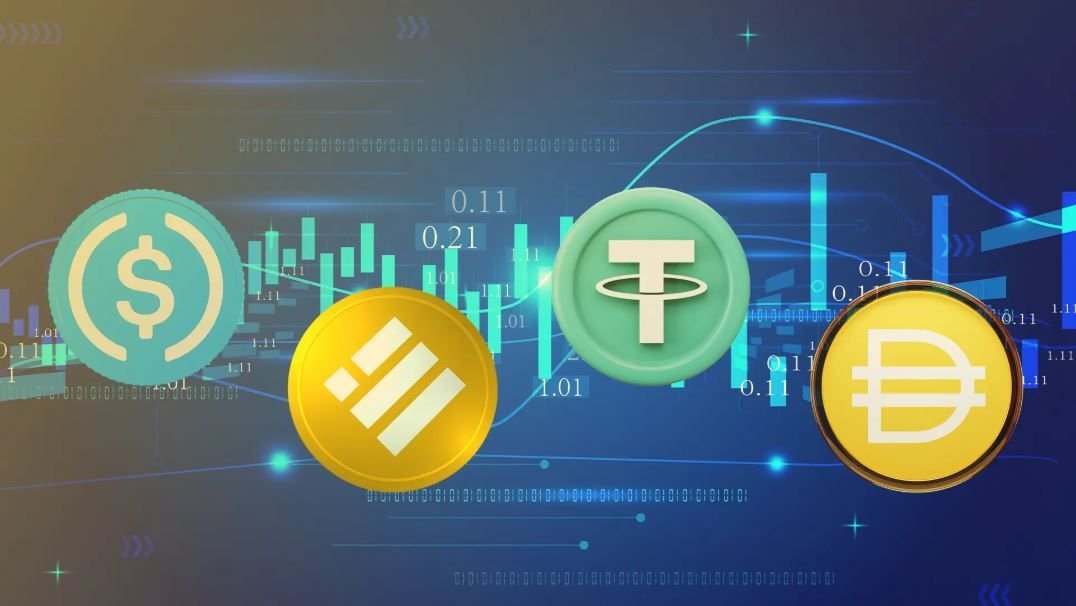
    At their core, stablecoins derive their appeal from price stability. Assets such as Tether and USD Coin are designed to maintain a fixed value, typically pegged to the US dollar. This stability allows them to function as a bridge between traditional finance and digital markets. For users operating in volatile economies or under restrictive banking systems, stablecoins offer access to a dollar-equivalent asset without relying on domestic financial institutions. This alone has driven rapid adoption in regions facing currency depreciation or capital controls.

    Yet the true significance of stablecoins lies beyond their utility as a store of value. They are increasingly embedded in the flow of global capital. Cross-border payments, remittances, and even informal trade settlements are beginning to shift toward blockchain-based transfers. In many cases, stablecoins are not just replacing inefficiencies in the system but reshaping the system itself. Transactions that once depended on intermediaries and legacy infrastructure can now be executed directly, faster and often at lower cost. This shift is subtle but profound, as it redistributes financial access and influence away from traditional gatekeepers.

    From an investment perspective, the opportunities tied to stablecoins are often misunderstood. The narrative tends to focus on yield generation through lending or decentralized finance platforms. While these avenues do offer returns that exceed traditional savings instruments, they are not without risk. More importantly, they represent only one layer of opportunity. The deeper advantage lies in understanding where and why demand for stablecoins is growing. Markets with limited access to stable currencies tend to exhibit stronger demand, creating pricing inefficiencies and liquidity gaps that informed participants can exploit.

    However, these opportunities are inseparable from structural risks. One of the most critical concerns is the credibility of reserves backing major stablecoins. The assumption that each token is fully supported by liquid assets remains a point of scrutiny. In times of market stress, confidence becomes the determining factor. A sudden loss of trust can trigger rapid redemptions, effectively creating a digital version of a bank run. The collapse of TerraUSD demonstrated how quickly stability can unravel when underlying mechanisms fail, leaving investors exposed to severe losses.

    Beyond market dynamics, stablecoins are now entangled in geopolitical considerations. Their widespread use reinforces the global reach of the US Dollar, even outside the formal banking system. This creates a paradox. On one hand, stablecoins extend the influence of dollar-based finance into new digital territories. On the other hand, they operate beyond direct regulatory oversight, raising concerns among policymakers. In response, governments are accelerating the development of sovereign digital currencies, such as the Digital Yuan, in an effort to retain control over monetary systems and payment infrastructures.

    For individuals and institutions navigating this landscape, the key question is not whether stablecoins are safe, but how they fit within a broader financial strategy. Passive holding may provide short-term convenience, but it does not capture the full scope of their impact. Those who approach stablecoins as part of a larger network of capital flows, regulatory shifts, and geopolitical competition are better positioned to identify both opportunities and risks.

    In essence, stablecoins are no longer a peripheral innovation. They represent a structural shift in global finance, one that operates quietly yet carries significant implications. As their adoption expands, so too does their influence over how money is stored, transferred, and controlled. Understanding this shift requires more than technical knowledge. It demands an awareness of the evolving balance of power in the global financial system, where stablecoins are emerging as a silent but consequential force.