5 April 2024
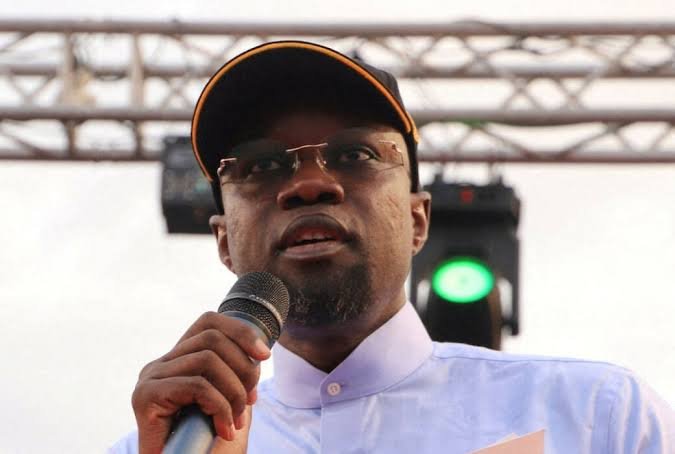
Senegal has announced a sweeping restriction on foreign travel by government officials, as rising global oil prices place increasing strain on the country’s finances. Prime Minister Ousmane Sonko confirmed that ministers and senior officials will no longer be permitted to travel abroad unless their trips are deemed strictly necessary, marking one of the government’s first major austerity measures in response to the economic fallout from the ongoing US–Iran tensions.
The directive, issued earlier this week, effectively halts all non-essential foreign travel. Officials must now seek approval and justify the importance of any international trip, a move aimed at cutting costs and conserving public funds. Sonko himself has set the tone, reportedly cancelling planned visits to Europe, including trips to France and Spain, signaling that the policy will apply across all levels of government.
The decision comes as global oil prices surge to levels far above Senegal’s budget forecasts. The West African nation, which relies heavily on imported fuel, is particularly vulnerable to fluctuations in energy prices. Officials warn that the recent spike driven by instability in the Middle East has significantly widened the country’s fiscal deficit and increased pressure on subsidies.
In a statement, Sonko emphasized the need for discipline within government ranks. “Every expense must now be justified in the interest of the Senegalese people,” he said, underlining that the era of routine overseas trips funded by the state is over, at least for now. The administration has framed the move not only as a financial necessity but also as a gesture of accountability at a time when citizens are grappling with rising living costs.
Economic analysts note that Senegal’s response reflects a broader trend among developing nations facing external shocks. With fuel prices climbing and global markets remaining volatile, governments are increasingly turning to austerity measures to stabilize their economies. For Senegal, limiting official travel is seen as a relatively immediate and visible way to reduce expenditure without cutting essential public services.
Public reaction has been mixed but largely supportive. Many citizens view the restrictions as a long-overdue step toward curbing government excess, while others question whether the savings will be sufficient to offset the broader economic challenges. Civil society groups have also called for further transparency in public spending, urging the government to extend reforms beyond travel policies.
The travel restrictions are expected to remain in place until global energy markets stabilize or Senegal’s fiscal position improves. In the meantime, the government is exploring additional measures, including budget reallocations and potential adjustments to fuel subsidies, to cushion the impact on households.
As the ripple effects of international conflict continue to reach far beyond the battlefield, Senegal’s decision highlights how interconnected the global economy has become. What begins as a geopolitical crisis can quickly evolve into a domestic financial challenge, forcing governments to make difficult choices in order to maintain stability.
Leave a Reply