6 April 2026
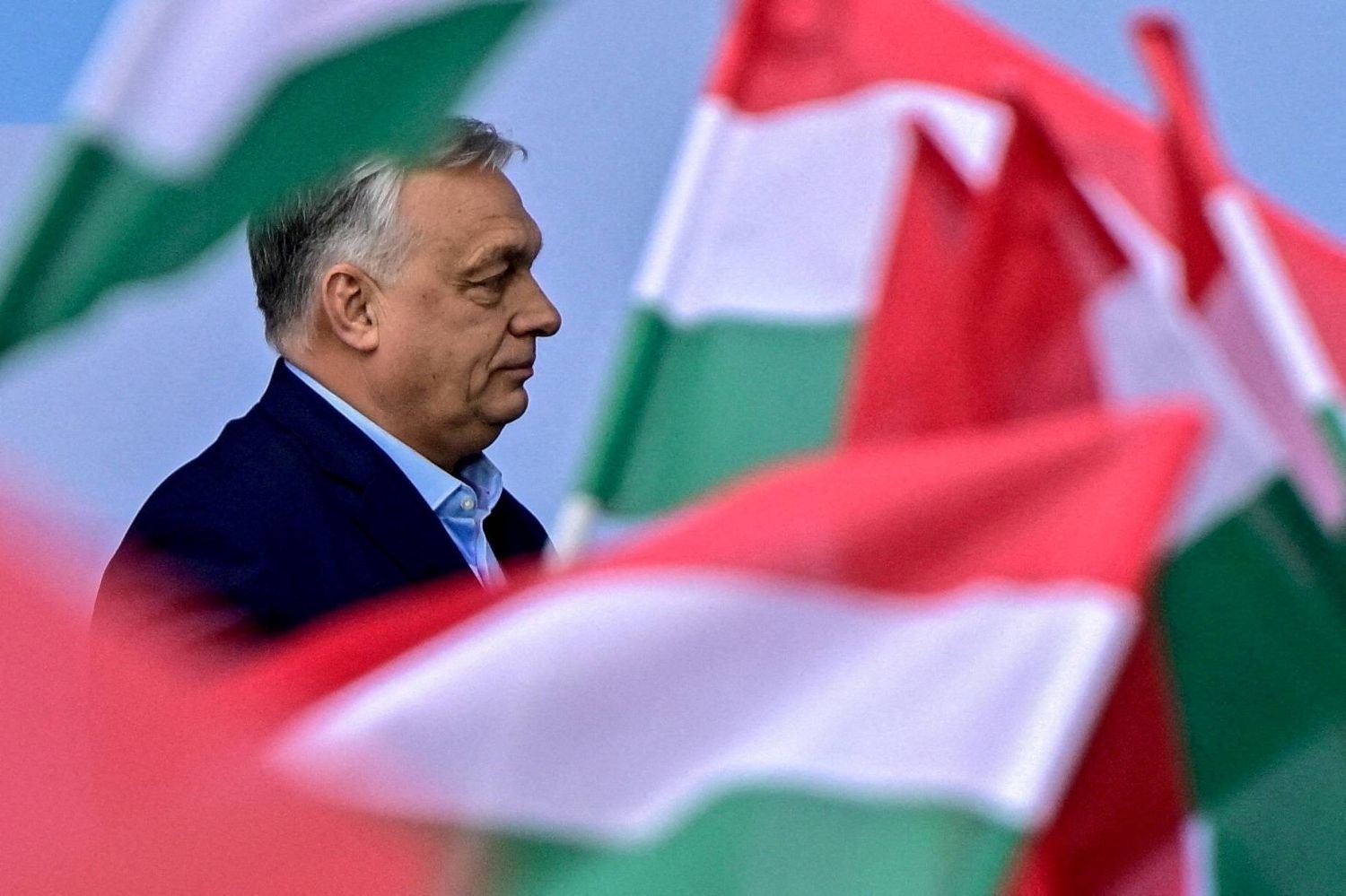
Hungary is heading into one of the most critical moments in its recent history, as a high-stakes parliamentary election approaches amid rising political tension and a shocking security incident. Prime Minister Viktor Orbán, who has ruled for more than 16 years, is facing a serious challenge that could reshape the country’s future.
The national election, scheduled for April 12, is widely seen as a turning point. Orbán’s government, known for its nationalist stance and close relations with Russia, is being challenged by opposition leader Péter Magyar. Magyar has quickly gained popularity, especially among young and urban voters who are calling for reform and stronger ties with the European Union.
Speaking at a recent rally, Magyar said, “Hungary deserves a future built on fairness, transparency, and opportunity.” His campaign has focused on economic concerns, anti-corruption efforts, and restoring democratic institutions.
However, the already tense political environment took a dramatic turn after authorities discovered explosives near a key gas pipeline supplying Hungary through Serbia. The pipeline is a crucial part of the country’s energy infrastructure, and the discovery triggered an immediate security response.
In a national address, Orbán warned, “We are facing a serious threat to our national security. Hungary will not tolerate any attempt to destabilize our country.” He ordered a full investigation and increased protection around critical infrastructure.
The incident has sparked intense debate across the country. Government supporters have suggested the possibility of foreign sabotage aimed at influencing the election. At the same time, opposition figures have questioned the timing, with some raising concerns that the situation could be used to shift public opinion. So far, no clear evidence has been released to confirm either claim.
The situation has also drawn international attention. Allies of Donald Trump have voiced support for Orbán, praising his strong stance on national sovereignty and immigration. Meanwhile, European Union officials are closely monitoring the developments, concerned about the broader implications for democracy and stability in the region.
Beyond politics and security, economic issues remain at the center of voter concerns. Rising living costs, inflation, and ongoing allegations of corruption have increased public frustration. Many younger Hungarians, in particular, are pushing for change and greater accountability from their leaders.
As Hungary moves closer to election day, the combination of political rivalry, security fears, and global interest has created a highly uncertain atmosphere. The outcome of this election could determine not only who leads the country, but also the direction Hungary takes in the years ahead.
Leave a Reply