6 April 2026
The ongoing war involving the United States, Israel, and Iran is no longer confined to its primary battlegrounds. Across the Middle East, countries far removed from direct decision-making are now suffering significant physical, economic, and humanitarian damage, as the conflict spills over into a wider regional crisis.
From the Gulf states to the Levant, missile strikes, drone attacks, and falling debris have turned once-stable areas into zones of uncertainty. According to multiple reports, Iranian retaliatory actions against U.S. and Israeli operations have extended into countries such as Kuwait, Bahrain, and the United Arab Emirates, targeting energy facilities and strategic infrastructure.
In these nations, the damage is often indirect but still devastating. Air defense systems intercept incoming threats, yet falling debris has caused structural damage to buildings and injured civilians. Airports have faced temporary closures, and critical infrastructure including oil terminals and transport hubs has been disrupted, undermining both national economies and global supply chains.
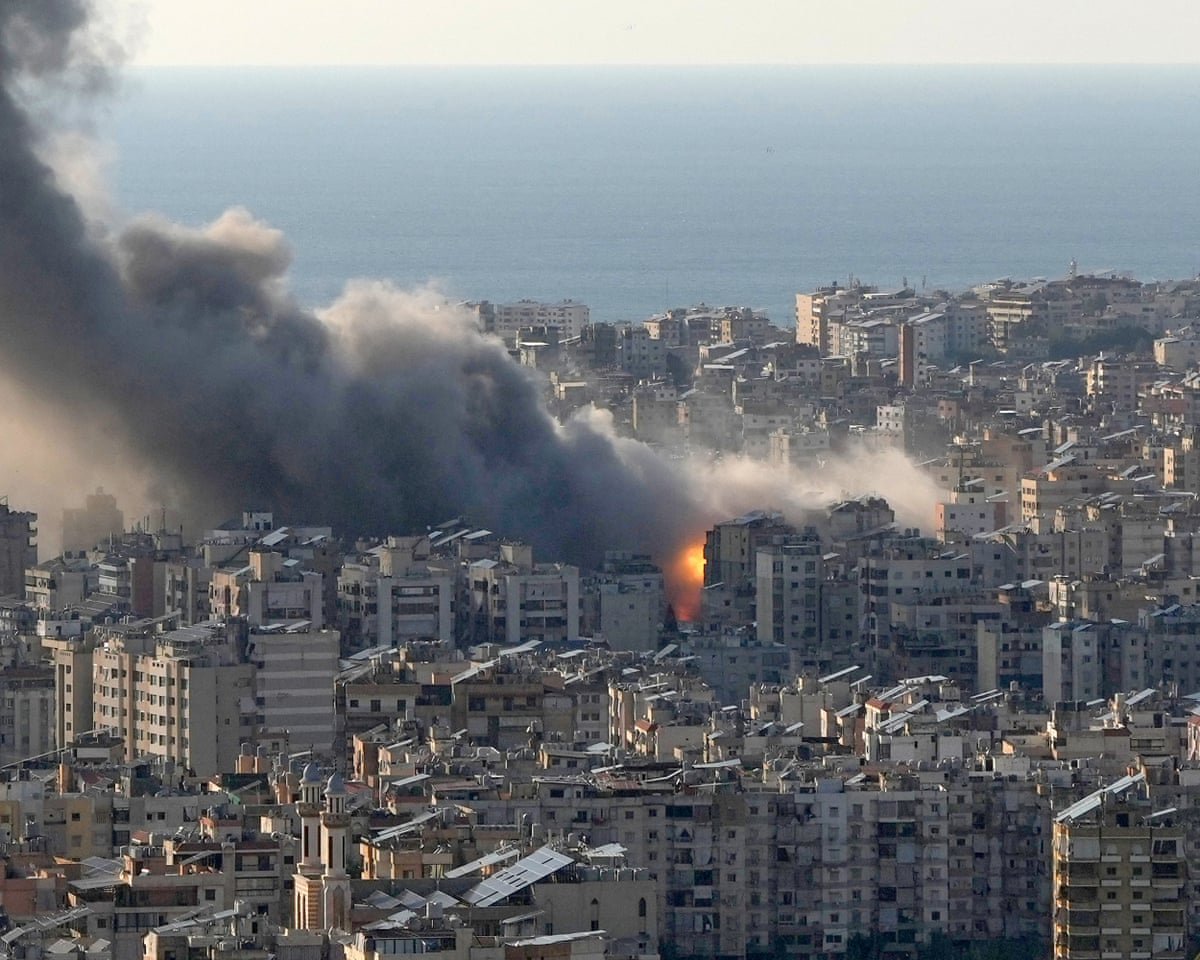
Lebanon has emerged as another major casualty of the war’s expansion. As tensions between Israel and Iran escalate, Hezbollah’s involvement has drawn Lebanon deeper into the conflict. Reports indicate casualties and damage to infrastructure, alongside mass displacement of civilians fleeing southern regions.
Meanwhile, Iraq and Syria already fragile from years of conflict have again become staging grounds for military operations. U.S. bases in Iraq have reportedly been targeted by Iranian-aligned forces, raising fears of renewed instability. These attacks risk reigniting internal conflicts and placing additional strain on governments struggling to maintain order.
The humanitarian toll is growing across the region. The World Health Organization has warned that at least 16 countries are now affected by the broader conflict, with casualties reported not only in Iran and Israel but also in neighboring states. Civilian populations face disrupted healthcare services, shortages of essential supplies, and increasing displacement as violence spreads.
Economic damage has been equally severe. The closure and militarization of key routes like the Strait of Hormuz a critical artery for global oil transport have sent shockwaves through energy markets. Shipping disruptions, rising fuel costs, and halted trade have affected not just the Middle East but economies worldwide.
Airspace closures across the Gulf have further compounded the crisis. Airlines have suspended flights, embassies have evacuated staff, and tourism-dependent economies are experiencing sharp declines.
Global leaders are increasingly warning that the war risks engulfing the entire region. Russia’s Kremlin has described the Middle East as “on fire,” reflecting fears that continued escalation could trigger a broader, uncontrollable conflict.
As diplomatic efforts struggle to gain traction, the reality on the ground is clear: nations far beyond Iran and Israel are paying the price. What began as a targeted military campaign has evolved into a regional crisis one where the line between combatant and bystander is rapidly disappearing.
Leave a Reply