Blog

  • Are Top U.S. Generals Forced Out Over Politics, Not National Security?

    Are Top U.S. Generals Forced Out Over Politics, Not National Security?

    4 April 2026

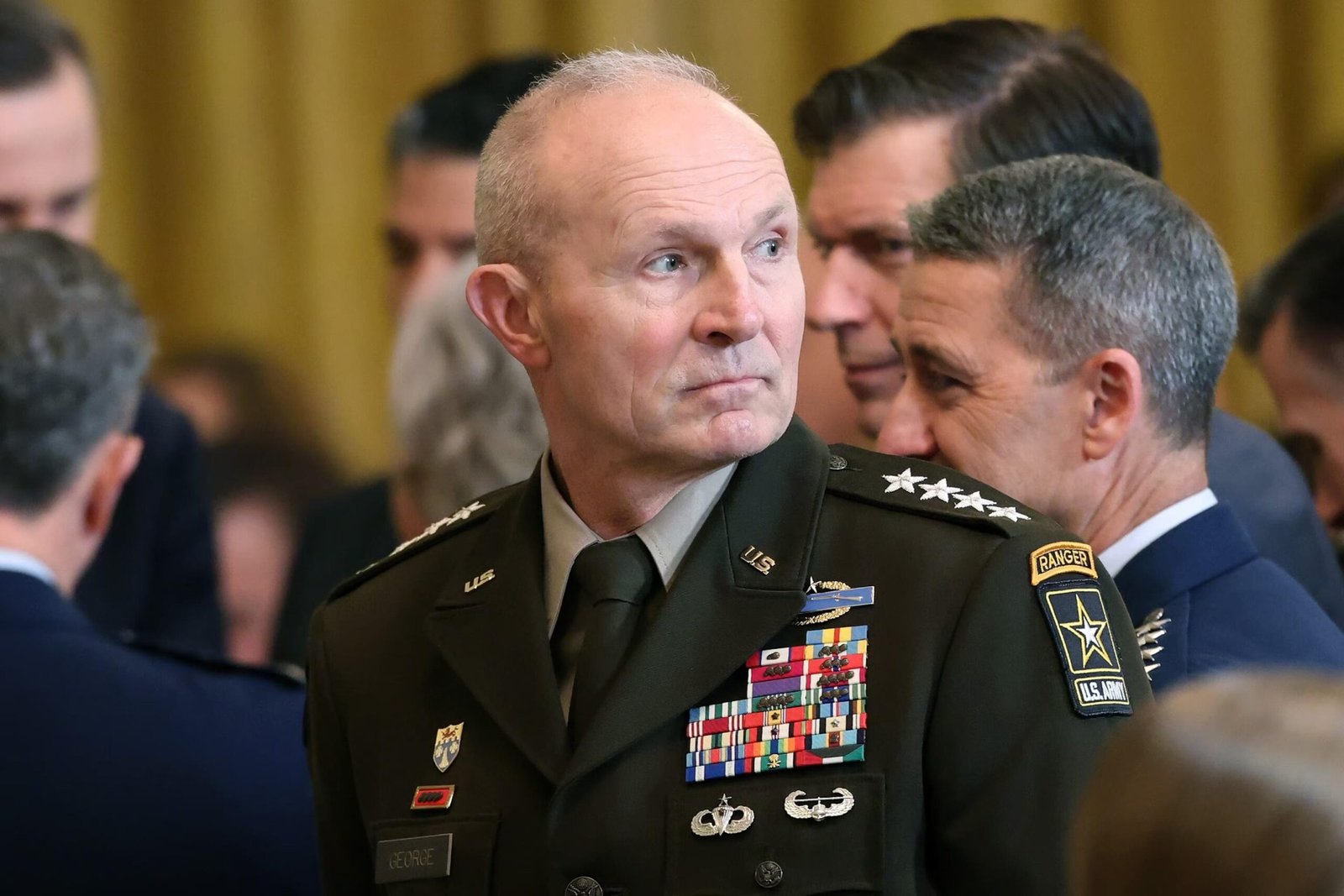
    Defense Secretary Pete Hegseth has abruptly asked General Randy George, the Chief of Staff of the U.S. Army, to retire immediately as the United States continues its military operations related to the conflict with Iran. Two other senior Army officers, General David Hodne and Major General William Green Jr., were also removed from their posts in what has become one of the most significant leadership shake‑ups amid an active war.

    This move, reported on April 2 and April 3, is unusual because top military commanders are rarely replaced so suddenly during a major conflict. George was appointed as Army chief of staff in 2023 and was expected to serve a full four‑year term before being confronted with an unexpected early retirement.

    The Pentagon has expressed appreciation for General George’s decades of service, but officials have not publicly disclosed a detailed reason for the removals. A Pentagon spokesperson said George “will be retiring from his position as the 41st Chief of Staff of the Army effective immediately.”

    The timing of these changes has fueled speculation and debate. Some analysts note that Defense Secretary Hegseth has pushed a broader strategy of personnel changes since taking office, including the removal of other senior military leaders, as part of efforts to shape the Pentagon in line with the current administration’s security outlook. Reports suggest that Hegseth intends to install leaders who more closely align with his and President Donald Trump’s vision for the Army.

    The removal of a service chief and other senior officers during wartime inevitably raises questions about the relationship between political leadership and military command. The conflict in Iran, now entering its fifth week with no clear end in sight, remains a central focus of U.S. strategic planning. Observers say that changes in senior command while such operations are underway may reflect underlying differences in strategic direction, even if specific disagreements have not been publicly confirmed.

    International attention has also turned to the succession. General Christopher LaNeve, formerly vice chief of staff of the Army and a trusted aide to Hegseth, will serve as acting chief of staff. This rapid elevation of a close associate of the defense secretary highlights how personnel decisions at the Pentagon can shape perceptions of U.S. military priorities on the global stage.

    Critics of the shake‑up argue that replacing senior commanders in the middle of a major conflict could disrupt continuity and strategic coherence, complicate coordination with U.S. allies, and raise questions about whether political considerations are influencing military leadership decisions. Supporters of the actions maintain that civilian leadership has the authority to appoint commanders who reflect the strategic objectives of the administration.

    The sudden retirements of these top officers serve as a reminder that the interface between political direction and military judgment is a sensitive and consequential aspect of national strategy. As the Pentagon navigates both external conflict and internal leadership transitions, the world is watching how these decisions will influence the conduct of the war and the broader image of U.S. military leadership.
  • Is China Replacing the United States as the World’s Peacekeeper?

    Is China Replacing the United States as the World’s Peacekeeper?

    4 April 2026

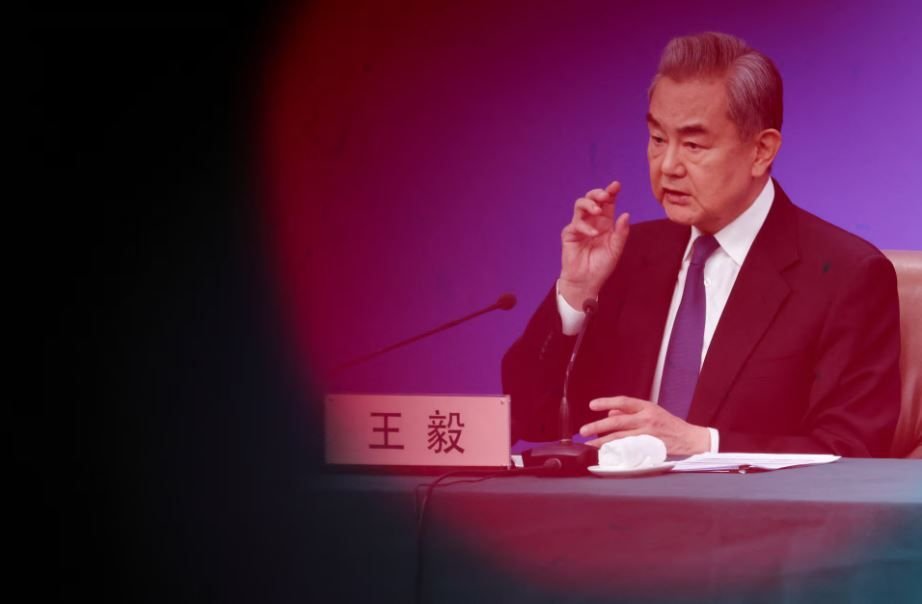
    China’s recent engagement in Iran diplomacy makes it clear that it is stepping into the role long assumed by the United States as the guarantor of global stability. By presenting a five-point proposal with Pakistan, Beijing is taking the lead in high-stakes conflicts where Washington has hesitated. The plan calls for a ceasefire, renewed negotiations, and opposition to military force to secure the Strait of Hormuz, signaling China’s determination to shape outcomes and international norms.

    For decades, the United States has positioned itself as the world’s mediator, often using military power to enforce stability. China is now assuming that space, relying on diplomacy, negotiation, and economic influence instead of military intervention. Beijing is not merely acting as an alternative; it is demonstrating that it can lead where the United States has chosen restraint or indirect engagement.

    Washington’s muted response reinforces the perception of a shifting global order. U.S. officials have shown little interest in endorsing or cooperating with China’s plan. While the United States emphasizes military readiness, China emphasizes dialogue, stability, and continuity. Around the world, it is increasingly viewed as the actor capable of initiating and managing diplomatic solutions.

    China’s strategy also serves broader purposes. Regionally, it reassures Middle Eastern powers that diplomatic channels exist outside U.S.-led frameworks. Globally, it projects China as a reliable mediator capable of addressing crises without resorting to force. Economic interests are integral as well, with stability in the Middle East safeguarding critical trade routes and energy flows vital to China’s global economy.

    Critics note that China has sometimes relied more on rhetoric than enforceable action. Yet in this case, political initiative, regional engagement, and media messaging have already positioned China as a central actor in international diplomacy. Governments are turning to Beijing for solutions, confirming its emergence as a recognized force in global leadership.

    China’s Iran diplomacy represents a fundamental shift. The United States is no longer the undisputed mediator. Beijing’s approach, combining strategic patience with decisive initiative, shows that global leadership today depends on credibility and the ability to act where others hesitate. China is proving it can assume that responsibility.

    The world is witnessing a deliberate and unmistakable transition. China has stepped into a role that the United States once held almost exclusively. It is now the actor governments look to in moments of crisis, shaping both the diplomatic agenda and perceptions of stability. The era of U.S.-exclusive global mediation is over, and China has firmly claimed its place at the center of international peace efforts.

  • Rising Food Prices Amid Middle East Conflict: Market Analysis and Business Implications

    Rising Food Prices Amid Middle East Conflict: Market Analysis and Business Implications

    4 April 2026

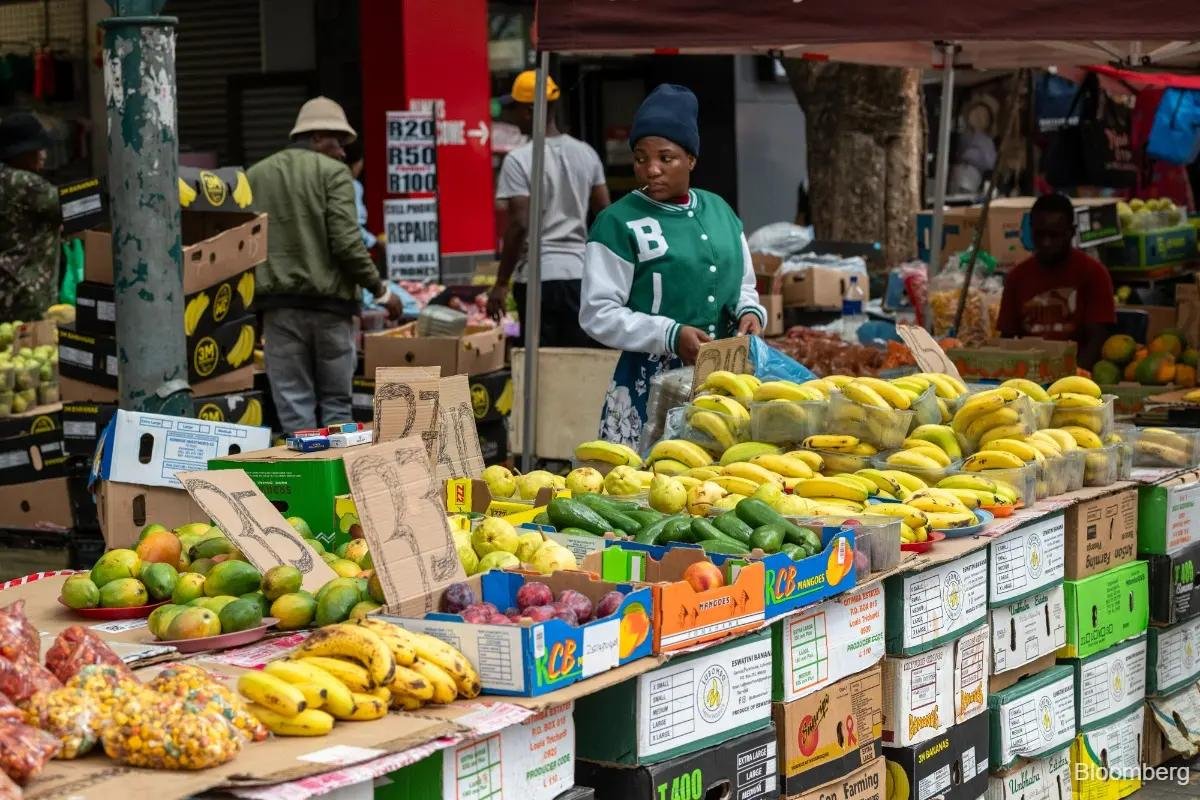
    Global food prices surged in March 2026 due to the ongoing conflict in the Middle East, according to the United Nations Food and Agriculture Organization (FAO). Higher energy costs, disruptions in fertilizer supply, and rising transportation expenses have driven inflation in staples such as wheat, sugar, and vegetable oil. For businesses and investors, these developments are not just headlines but signals of risks and opportunities across commodities, equities, and currencies.

    Commodities Impact

    The most immediate effect is seen in food and energy commodities. Wheat and sugar prices jumped significantly, and vegetable oil increased by around five percent in March alone. Crude oil, closely linked to both fertilizer production and transportation, climbed above $110 per barrel due to supply concerns in the Strait of Hormuz. Energy and agribusiness companies are positioned to benefit from these trends. Traders can take long positions in food staples experiencing supply constraints or hedge to manage exposure.

    Businesses that rely on food inputs face immediate cost pressures. Manufacturers, retailers, and foodservice operators experience higher production costs. Companies that fail to adjust pricing or hedge input costs risk margin compression. Those that anticipate the spike can secure long-term contracts or use futures markets to stabilize costs and protect profitability.

    Equities Outlook

    Stock markets respond unevenly to these pressures. Agribusiness and fertilizer companies are clear beneficiaries, while consumer-facing businesses such as grocers and restaurants face challenges from rising input costs. Energy stocks benefit indirectly from higher oil prices, and investors are rotating capital toward sectors with strong pricing power or commodity-linked revenues.

    Globally, equities show cautious resilience. Despite elevated energy costs and geopolitical uncertainty, markets are balancing growth expectations with inflation concerns. Sector selection and timing become critical for traders and portfolio managers navigating this environment.

    Currency and Foreign Exchange Considerations

    Currency markets are affected as well. Currencies of oil-exporting nations, such as the Canadian dollar and Norwegian krone, strengthen due to rising energy revenues. Import-reliant economies may experience depreciation as import bills for food and energy grow. Emerging markets that depend heavily on imported staples are particularly vulnerable, and central banks may adjust interest rates to stabilize their currencies.

    For businesses engaged in international trade, hedging currency exposure is essential. Companies importing food or energy products should consider forward contracts to mitigate FX risk. Exporters can explore pricing strategies to offset potential local currency fluctuations.

    Strategic Business Implications

    Beyond immediate market movements, the price spikes have broader macroeconomic consequences. Rising food and energy costs contribute to global inflation and influence central bank policy, which in turn affects borrowing costs. Supply chain disruptions from conflict-related transport issues and higher input prices are prompting companies to reassess sourcing strategies, inventory management, and operational efficiency.

    Opportunities exist for those positioned to benefit from this environment. Long positions in agribusiness, fertilizer, and energy stocks are attractive. Commodity hedging in food staples and oil can protect against volatility. FX hedging in vulnerable markets is advisable. Risks are clear for businesses exposed to rising input costs, currency fluctuations, and supply chain interruptions. Strategic planning, scenario analysis, and proactive risk management are essential to navigate this environment successfully.

    Conclusion

    The Middle East conflict has transformed a supply and energy shock into a multidimensional market event. For businessmen and investors, the implications extend across commodities, equities, and currencies, presenting both opportunities and challenges. Companies that act strategically through hedging, sector selection, and operational adjustments can mitigate downside risks and capitalize on market movements. The spike in food prices is not merely an inflation story. It signals the need for the global business community to reassess vulnerabilities and seize opportunities in a rapidly changing geopolitical and economic landscape.

  • Vietnam Embraces China’s Cross-Border QR Payment Network

    Vietnam Embraces China’s Cross-Border QR Payment Network

    4 April 2026

    Vietnam has taken a major step in expanding its digital payment ecosystem by joining China’s yuan QR payment network. Through a partnership between NAPAS, Vietcombank, and Ant International, Chinese tourists can now pay directly with Alipay at a wide range of merchants across Vietnam, from restaurants and shopping centers to hotels and tourist attractions. Payments are processed in yuan and automatically converted to Vietnamese dong, making transactions faster, more convenient, and secure.

    This initiative represents more than just payment convenience. It signals Vietnam’s commitment to attracting Chinese visitors and investors while accelerating the country’s digital economy. With over one billion active users in China’s payment ecosystem, the integration provides a seamless experience for travelers who are already familiar with these platforms. It also strengthens Vietnam’s competitiveness in the service sector and creates opportunities for foreign investment in hospitality, retail, and e-commerce.

    Local businesses, especially micro, small, and medium enterprises, benefit significantly from this development. Merchants can now accept foreign payments without incurring costs for international card systems or managing currency exchange manually. The expansion encourages businesses to adopt financial technology faster, enhances operational efficiency, and integrates them more deeply into the regional digital economy.

    However, the move comes with challenges. Heavy reliance on China’s payment system exposes Vietnam to potential geopolitical and economic risks. Policy changes or trade tensions in China could impact transaction flows, while data security and user privacy remain critical concerns. It is essential for Vietnam to maintain control over the system and ensure compliance with domestic regulations to protect both businesses and consumers.

    Regionally, this step reflects a broader trend across Southeast Asia. Neighboring countries including Thailand, Laos, and Cambodia have begun linking their QR payment systems with China, creating a regional digital payment network. By joining this network, Vietnam simplifies transactions for tourists while positioning itself as a tech-forward, tourist-friendly country open to financial innovation.

    Vietnam’s participation in China’s yuan QR network demonstrates that digital payments are not just about convenience. They are tools for economic strategy and regional competitiveness. If implemented carefully, this initiative can bring long-term benefits to tourism, trade, and digital economic development while reinforcing Vietnam’s image as an innovative and investor-friendly hub in Southeast Asia.

  • Myanmar’s Junta Chief Moves Toward Presidency, Drawing Skepticism and Public Unease

    Myanmar’s Junta Chief Moves Toward Presidency, Drawing Skepticism and Public Unease

    3 April 2026

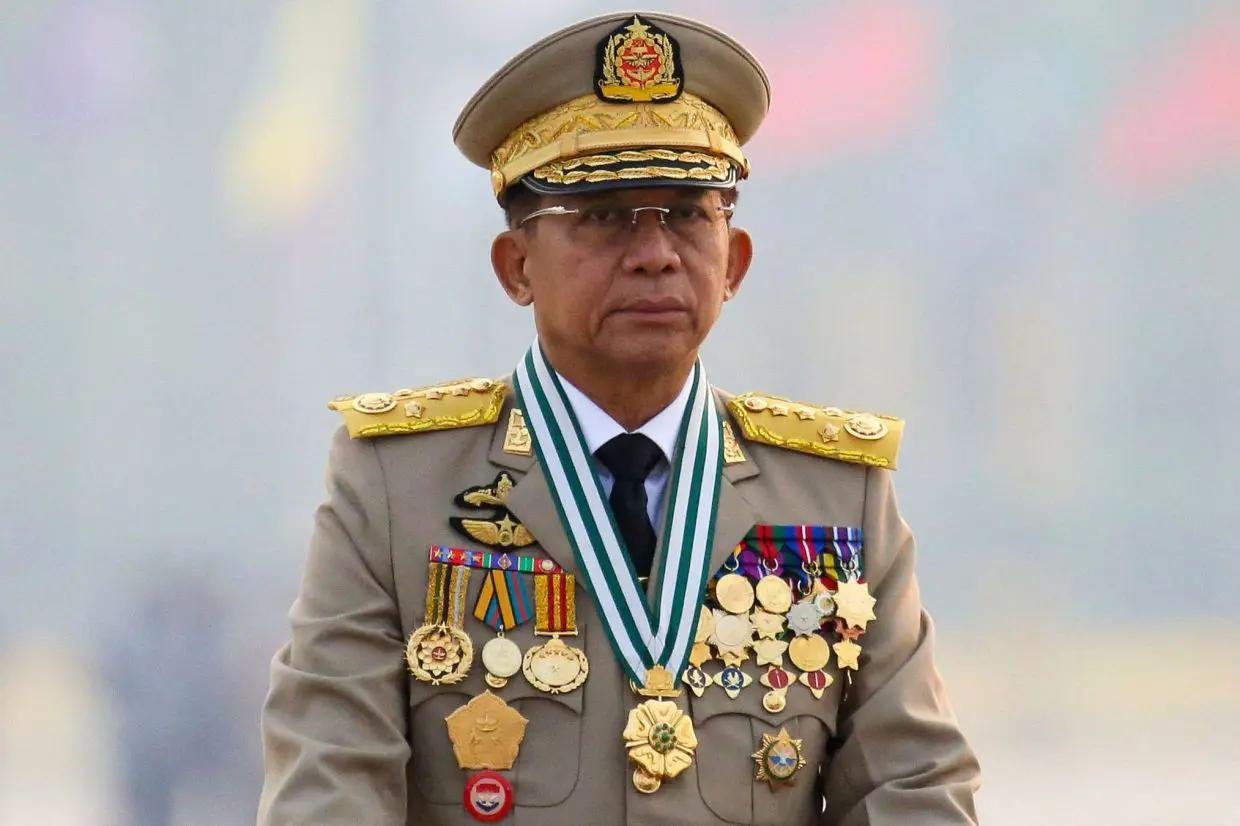
    Myanmar’s military leader, Min Aung Hlaing, is poised to formalize his grip on power by transitioning into the presidency, a move widely seen by analysts as a political reshuffle rather than a genuine shift toward democracy.

    The development follows the military’s February 2021 coup, which ousted the elected government of Aung San Suu Kyi and plunged the country into prolonged instability. Since then, Myanmar has been governed by a junta facing international condemnation, economic decline, and an intensifying civil conflict involving pro-democracy forces and ethnic armed groups.

    In recent weeks, a military-backed parliament dominated by figures aligned with the armed forces has convened to chart what officials describe as a “transition to civilian governance.” Central to this process is Min Aung Hlaing’s expected elevation to the presidency after stepping aside from his formal military post.

    A junta spokesperson defended the move, saying it would “bring stability and discipline to a country that has faced chaos since 2021.” State media echoed the message, portraying the transition as a step toward “a more structured and constitutional system.”

    However, political observers and critics remain unconvinced. “This is not a transfer of power; it is a consolidation of power under a different title,” said a regional Southeast Asia analyst. Another expert added, “The military is simply rebranding its authority to gain legitimacy, both domestically and internationally.”

    Myanmar’s 2008 constitution, drafted under military oversight, ensures the armed forces retain significant political control, including key ministries and a bloc of unelected parliamentary seats. Analysts say this framework makes any leadership transition largely symbolic.

    Public reaction inside Myanmar has been marked by skepticism, frustration, and, in some areas, quiet anger. A university student in Yangon, speaking anonymously for safety reasons, said, “We don’t see any difference. President or general it’s still the same people controlling our lives.”

    A small business owner in Mandalay expressed concern over the economic situation, stating, “Prices keep rising, customers are fewer, and there is no stability. Changing titles won’t fix this.”

    Others voiced fear rather than outright opposition. “People are tired and afraid,” said a civil servant who declined to be named. “We’ve seen what happens when you speak out.”

    Opposition groups, including pro-democracy activists and the shadow National Unity Government, have rejected the transition outright. “This is a staged process designed to entrench military rule,” a spokesperson linked to the movement said. “The people of Myanmar have already made clear they do not accept this leadership.”

    Internationally, governments and watchdog groups have also questioned the legitimacy of the move. A Western diplomat familiar with the situation noted, “The appearance of civilian leadership does not equal democracy. Without real political inclusion, this remains military rule in another form.”

    Despite ongoing conflict and resistance, the junta appears determined to proceed, framing the transition as a step toward normalization and engagement with the global community.

    For many in Myanmar, however, the anticipated presidency of Min Aung Hlaing represents continuity rather than change. As one Yangon resident put it bluntly: “Nothing has changed only the title.”

  • Eastern Indonesia Hit by Powerful Quake, One Dead as Government Rushes Aid to North Maluku and North Sulawesi

    Eastern Indonesia Hit by Powerful Quake, One Dead as Government Rushes Aid to North Maluku and North Sulawesi

    2 April 2026

    A powerful undersea earthquake measuring between 7.4 and 7.6 magnitude struck eastern Indonesia’s North Maluku and North Sulawesi provinces, rattling communities across the Molucca Sea region and prompting a swift government response to contain damage and ensure public safety.

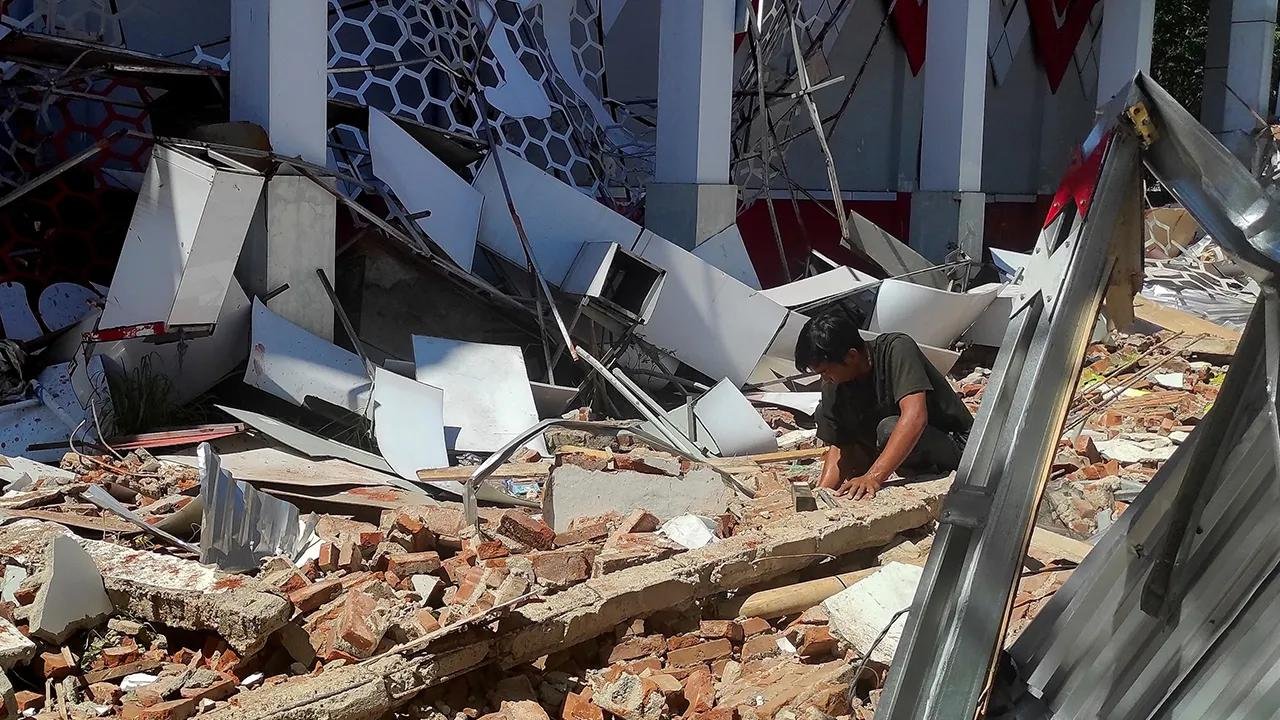
    The quake, centered near Ternate in the Molucca Sea, caused panic as strong tremors lasting up to 20 seconds sent residents fleeing homes, offices, and places of worship. In Manado and surrounding areas, buildings swayed violently, with some structures sustaining visible cracks and partial collapse. Authorities have confirmed one fatality a 70-year-old woman killed by falling debris along with several injuries, while damage to homes, churches, and a sports facility has been reported. Despite the quake’s strength, officials say destruction remains localized rather than widespread.

    In the immediate aftermath, Indonesia’s disaster mitigation agency, National Disaster Management Agency (BNPB), deployed emergency response teams to the affected provinces. Search and rescue personnel were dispatched to assess damage, assist victims, and ensure no one remained trapped under debris. Medical teams in local hospitals were placed on high alert, treating the injured and preparing for potential aftershock-related emergencies.

    The government also moved quickly to issue tsunami warnings across eastern Indonesia and nearby coastal regions. Although small waves of less than one meter were recorded, the warnings were lifted within hours after authorities confirmed no major tsunami threat. Residents living along coastal areas were still urged to remain cautious as conditions continue to be monitored.

    Indonesia’s meteorological agency, Meteorology, Climatology, and Geophysics Agency (BMKG), has recorded dozens of aftershocks, some exceeding magnitude 5. Officials warned that these tremors could further weaken already damaged structures. As a precaution, residents have been advised to avoid entering compromised buildings and to remain in safer open spaces.

    Emergency shelters have been established across parts of North Maluku and North Sulawesi to house displaced families. Authorities are distributing food supplies, clean water, and essential items while conducting structural inspections to determine which buildings are safe. Schools and several public facilities have also been temporarily closed as a safety measure.

    President Joko Widodo has been briefed on the situation and instructed all relevant agencies to accelerate relief efforts. He emphasized the need for rapid coordination and long-term preparedness, noting Indonesia’s vulnerability to earthquakes due to its position along the Pacific Ring of Fire.

    While the immediate impact appears limited compared to past disasters, officials caution that risks remain due to ongoing aftershocks. Recovery and assessment efforts are expected to continue in the coming days as authorities work to restore normalcy and ensure the safety of affected communities.

  • Europe Faces a New Energy Pressures Middle East Tensions Rise

    Europe Faces a New Energy Pressures Middle East Tensions Rise

    2 April 2026

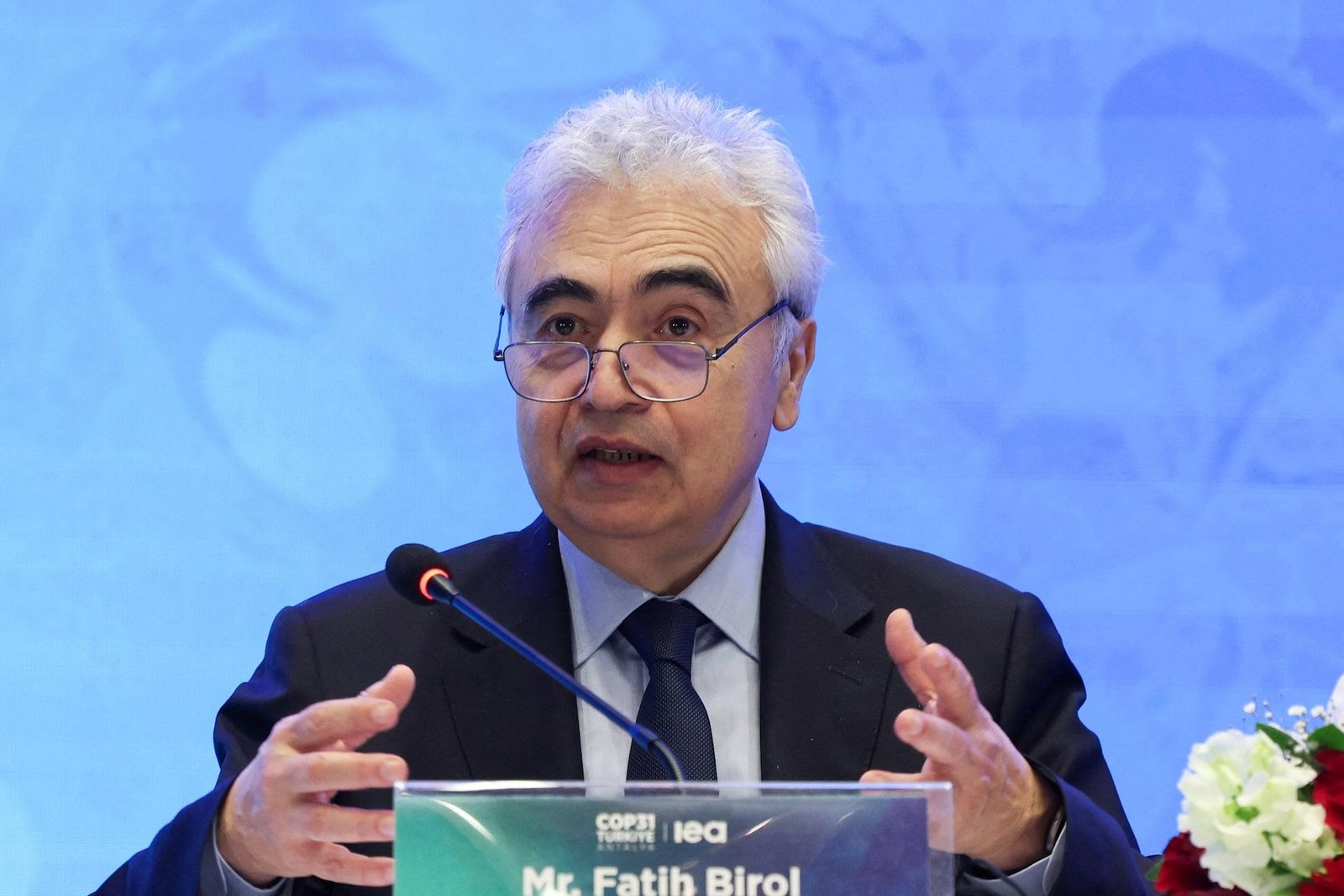
    The latest warning from the International Energy Agency has placed Europe back into a familiar but uncomfortable position. According to the agency, disruptions to oil supply from the Middle East are expected to begin affecting European markets as early as April. While energy shocks are not new to the region, the current situation carries a different weight, shaped by geopolitical instability and an increasingly fragile global supply chain.

    At the core of the issue lies rising tension around Iran and the strategic importance of the Strait Hormuz. This narrow passage remains one of the most critical routes for global oil transportation. Any disruption, whether through direct conflict or heightened security risks, has immediate consequences for supply flow. Markets tend to react quickly to such risks, often driving prices higher even before physical shortages are fully realized.

    For Europe, the timing could not be more challenging. Since the onset of the Rusia-Ukraine War, European nations have actively reduced their reliance on Russian energy. This strategic shift was necessary from a political standpoint, but it also reshaped the region’s energy dependencies. In place of Russian supply, Europe turned more heavily toward imports from the Middle East and other distant producers, increasing reliance on maritime routes that are now under pressure.

    This shift has introduced a new layer of vulnerability. Unlike pipeline based supply, seaborne oil is more exposed to geopolitical risk, logistical delays, and rising transportation costs. As tensions escalate in key regions, the cost of insuring shipments increases, shipping routes become less predictable, and overall supply tightens. For European economies that are still recovering from inflationary pressure, this creates a renewed risk of energy driven price increases.

    The immediate impact is likely to be felt through higher oil prices. Even modest disruptions can push markets upward, particularly in an environment where spare capacity is limited. Higher energy costs will inevitably feed into inflation, affecting everything from industrial production to household expenses. For policymakers, this presents a difficult balancing act between controlling inflation and supporting economic growth.

    Beyond the short term, the situation raises broader questions about Europe’s energy resilience. While significant progress has been made in expanding renewable energy, the transition is still ongoing. Oil and gas remain essential components of the energy mix, particularly for transportation and heavy industry. This means that external shocks, especially those driven by geopolitical conflict, continue to have a strong influence on economic stability.

    On a global scale, the effects are unlikely to remain contained within Europe. Energy markets are deeply interconnected, and disruptions in one region tend to ripple across the world. Emerging economies may face increased import costs, while financial markets could see heightened volatility as investors react to shifting risk conditions. In this environment, uncertainty becomes a dominant theme.

    What distinguishes the current situation is its underlying cause. This is not a typical market imbalance driven by supply and demand cycles. Instead, it is a geopolitical shock, shaped by conflict, strategic interests, and regional instability. Such disruptions are often unpredictable and can persist longer than expected, making them more difficult to manage.

    The warning from the IEA should therefore be viewed as more than a short term alert. It reflects a deeper structural challenge within the global energy system, where security and stability can no longer be taken for granted. For Europe, the coming weeks will test not only its supply chains, but also its ability to navigate an increasingly uncertain energy landscape.

  • Gold in April 2026: Navigating Volatility Amid Geopolitical and Economic Uncertainty

    Gold in April 2026: Navigating Volatility Amid Geopolitical and Economic Uncertainty

    3 April 2026

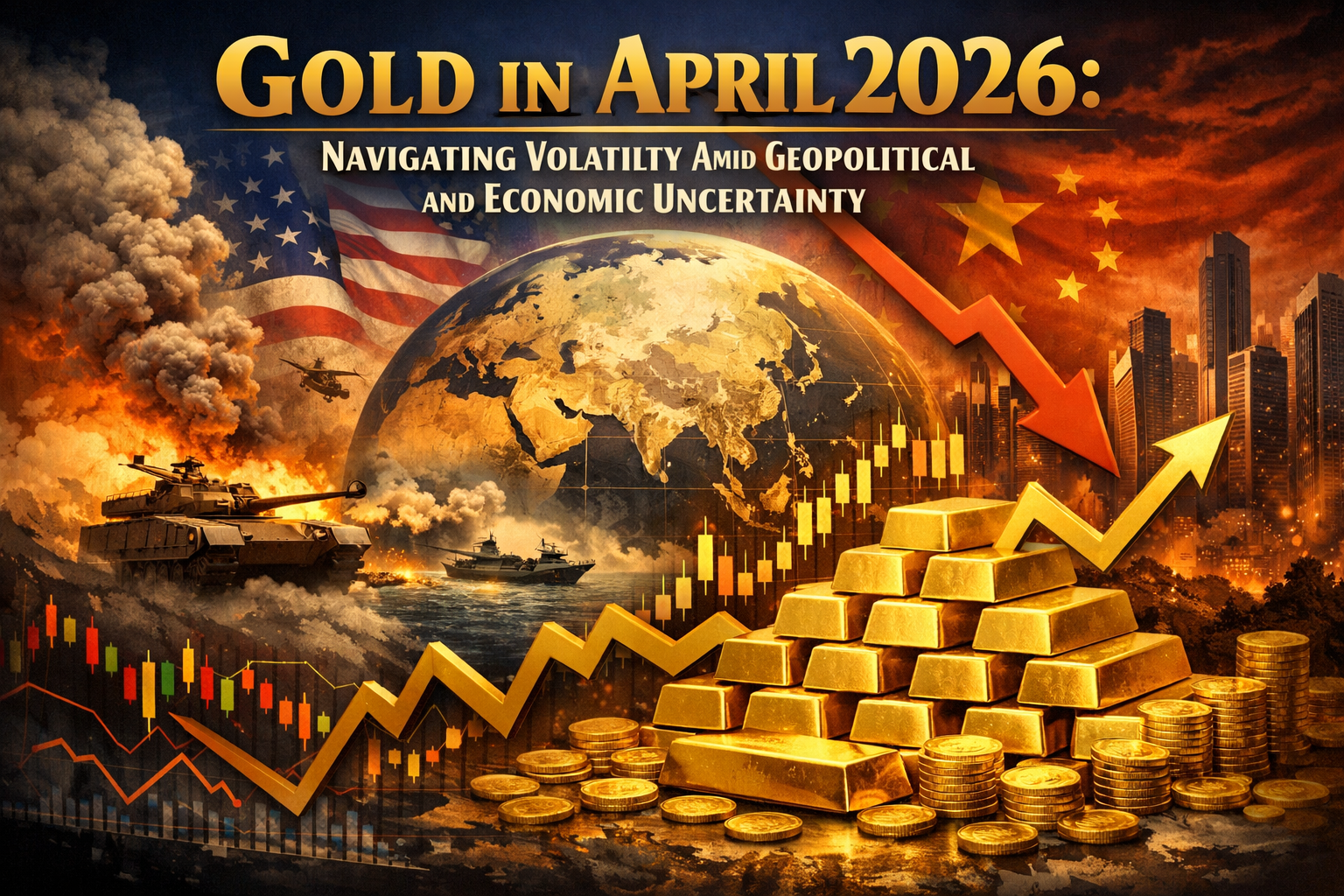
    Gold prices have drawn significant attention in early April 2026 as global markets respond to a combination of geopolitical uncertainty, macroeconomic developments, and changing investor expectations. After a recent rally that pushed spot gold above four thousand seven hundred dollars per ounce, prices have eased to around four thousand six hundred to four thousand six hundred twenty dollars per ounce. This pullback reflects profit-taking by investors and the strengthening of the U.S. dollar, which makes non-yielding assets like gold less attractive in the short term.

    Despite recent moderation, gold continues to function as a key safe-haven asset. Rising tensions in the Middle East and ongoing uncertainty in global markets have maintained underlying demand for bullion. Central bank purchases remain an important structural factor supporting gold, providing a foundation for longer-term stability even as short-term price movements fluctuate. Investors are closely monitoring upcoming U.S. economic reports, particularly labor data and inflation figures. Stronger-than-expected numbers tend to boost the dollar and pressure gold, while weaker data generally supports bullion as investors seek protection against economic volatility.

    From a technical perspective, gold has demonstrated resilience around the four thousand six hundred dollar level, which has acted as a reliable support during recent declines. Resistance has been observed near four thousand eight hundred dollars, creating a clear near-term trading range. Market participants are paying attention to how gold reacts to shifts in risk sentiment, oil price movements, and expectations for interest rates, as these elements continue to shape safe-haven flows and influence short-term volatility.

    The behavior of gold over the past few weeks illustrates the complexity of the current market environment. Traditional safe-haven logic has not always applied, with the metal occasionally moving in tandem with equities rather than diverging from them during periods of stress. This unusual pattern reflects the broader influence of liquidity needs and global capital flows, which can override conventional investor behavior. Analysts caution that short-term volatility should not obscure the metal’s longer-term role as a hedge against inflation and uncertainty.

    For investors, the current environment underscores the importance of disciplined risk management. Accumulating gold on dips near established support levels may offer attractive entry points, but positions should be calibrated according to broader macroeconomic trends and geopolitical developments. Strategic allocation remains crucial, particularly for portfolios seeking diversification and protection against market turbulence. Gold’s combination of historical stability and structural demand factors continues to make it a key component in diversified investment strategies.

    Looking ahead, market observers expect that gold will remain sensitive to geopolitical developments, particularly in regions where conflict and uncertainty persist. Economic indicators in major economies, including inflation data and central bank policy decisions, will continue to influence both investor sentiment and bullion prices. While short-term movements may be unpredictable, gold’s long-term appeal as a store of value and hedge against risk remains intact. Investors who carefully consider timing, maintain awareness of market drivers, and employ disciplined risk management strategies are likely to find opportunities in this dynamic environment.

    In summary, gold has shown both resilience and volatility in early April 2026. Short-term fluctuations are shaped by economic data, currency strength, and geopolitical events, while longer-term fundamentals such as central bank demand and safe-haven appeal continue to provide support. For investors, disciplined analysis and strategic positioning are key to navigating this period of uncertainty, and gold remains an essential asset for hedging and diversification.

  • Is the United States Stepping Back? Strategic Shift or Sign of Weakness

    Is the United States Stepping Back? Strategic Shift or Sign of Weakness

    2 April 2026

    Recent global developments have sparked debate over whether the United States is retreating from its long-held role as a dominant global power, or simply recalibrating its strategy in an increasingly complex world. From the ongoing tensions in Iran to support for Ukraine and its alliance with Israel, Washington’s approach appears more cautious than in previous decades raising questions among analysts and critics alike.

    At the heart of this perception is a growing reluctance for direct military intervention. Following prolonged wars in Iraq and Afghanistan, public sentiment within the U.S. has shifted significantly. Lawmakers now face increasing pressure to avoid large-scale deployments abroad. Senator Chris Murphy recently noted, “The American people are tired of endless wars. Our focus must be on smart engagement, not open-ended conflict.”

    Rather than a withdrawal, officials argue that the U.S. is adapting its strategy. This includes relying more on economic sanctions, military aid, and diplomatic coalitions rather than direct combat. Secretary of State Antony Blinken emphasized this shift, stating, “American leadership today means building partnerships and using every tool available not just military force to protect our interests.”

    Still, critics see these moves differently. Some argue that adversaries such as China and Russia are becoming more assertive precisely because they perceive hesitation from Washington. Senator Tom Cotton warned, “When America appears uncertain, our adversaries test the limits. Strength must be clear and decisive.”

    The shifting global balance of power has also contributed to the perception of decline. Unlike the post-Cold War era, the U.S. now operates in a multipolar world, where influence is contested more aggressively. Analysts say this environment requires a different kind of leadership one that prioritizes alliances such as NATO and regional partnerships over unilateral action.

    Domestic political divisions further complicate the picture. Disagreements within Congress and between administrations often result in inconsistent foreign policy messaging. “We are navigating a very divided political landscape at home,” said Representative Adam Smith. “That can sometimes project uncertainty abroad, even when our commitments remain strong.”

    Despite these challenges, U.S. officials insist that the country remains deeply engaged on the world stage. Military presence across multiple regions, continued financial support for allies, and active diplomatic efforts suggest that Washington is far from disengaging.

    Ultimately, whether the current approach reflects weakness or strategic evolution depends largely on perspective. While some interpret restraint as vulnerability, others see it as a necessary adjustment to modern geopolitical realities. As global tensions persist, the question remains not whether the United States is quitting but how it is choosing to lead in a rapidly changing world.

  • Navigating Volatility: Risks and Opportunities in Global and Malaysian Stock Markets

    Navigating Volatility: Risks and Opportunities in Global and Malaysian Stock Markets

    3 April 2026

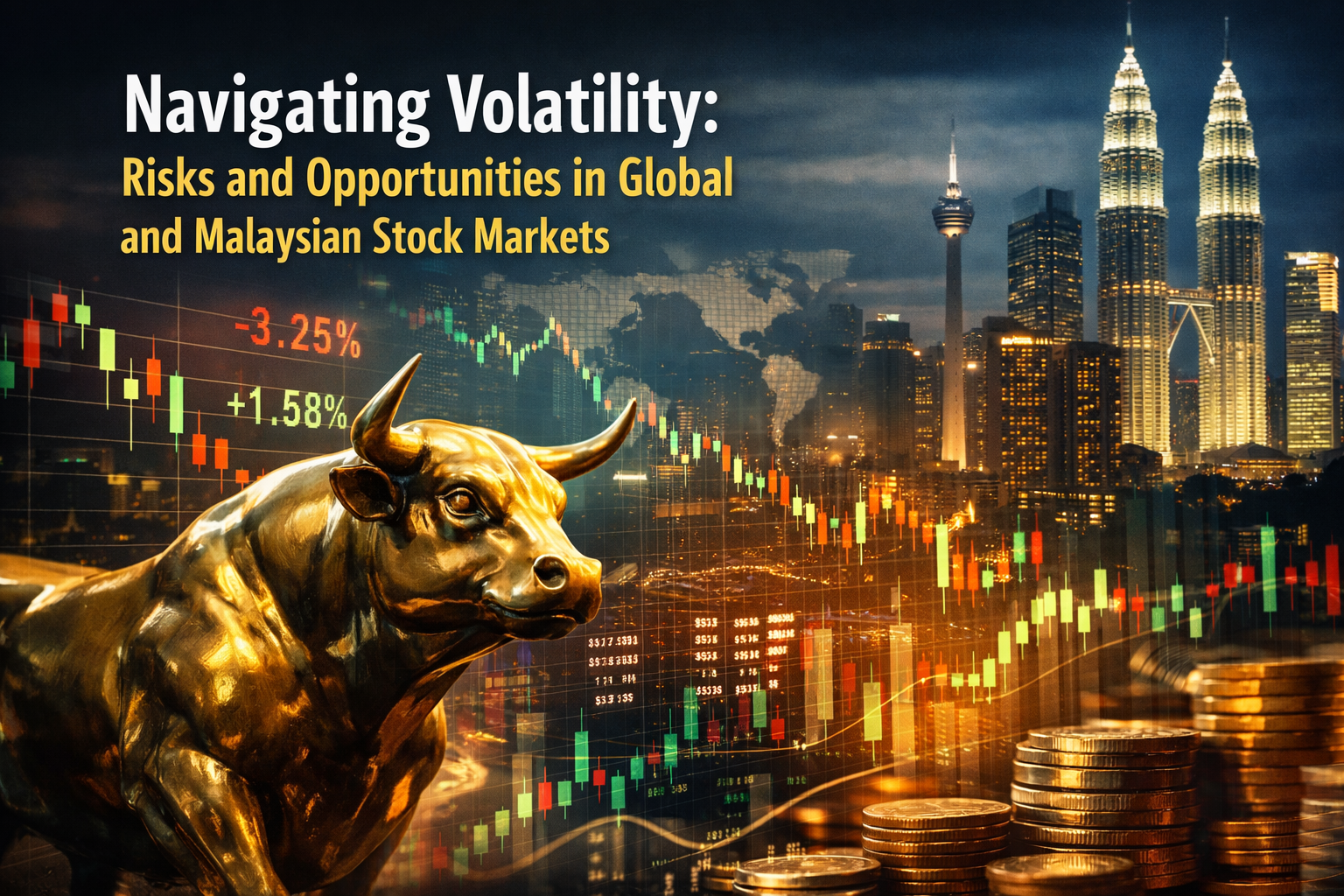
    Global and Malaysian stock markets are facing heightened uncertainty, driven by geopolitical tensions, rising oil prices, and shifts in investor sentiment. Recent developments in the Middle East have pushed Brent and WTI crude oil prices above USD 110 per barrel, creating pressure on equity markets across Asia, Europe, and the U.S. Companies in energy-intensive sectors face tighter margins, while market volatility has increased, signaling risks for short-term investors.

    At the same time, retail investors are taking profits from blue-chip stocks and turning attention to undervalued or rebound-potential companies. This shift from momentum-driven strategies to value-focused approaches opens opportunities for investors seeking long-term gains. Although April has historically been a positive month for equities, this year seasonal trends offer no guarantee, as geopolitical and economic uncertainties continue to influence market performance.

    Despite these challenges, opportunities exist for strategic investors. Buying quality stocks during market dips can generate attractive returns, particularly in sectors with strong cash flow or stable dividends. Markets also tend to rebound once geopolitical tensions ease, offering potential upside for tech and export-oriented companies.

    In Malaysia, the FBM KLCI is affected by global capital flows and commodity prices, but defensive sectors such as banking and consumer staples remain relatively resilient. Business investors are advised to monitor oil and commodity prices, diversify across sectors, and consider quarterly earnings reports as a guide to company performance.

    Overall, the current market environment requires careful analysis and disciplined risk management. Investors who combine fundamental research with strategic diversification may find opportunities to benefit from volatility while mitigating potential losses.