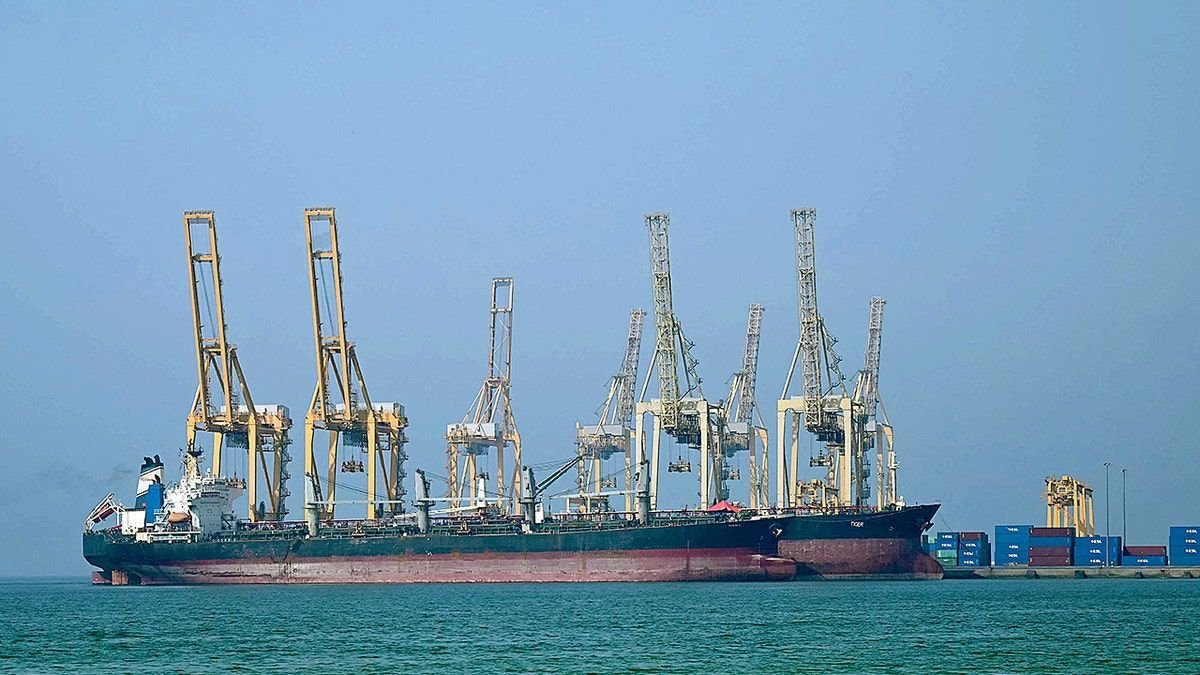
Blog

  • Larry Fink Warns Modern Capitalism Is Failing to Share Wealth

    Larry Fink Warns Modern Capitalism Is Failing to Share Wealth

    Larry Fink, CEO of BlackRock, has warned that modern capitalism is producing vast wealth but failing to distribute it fairly, raising concerns about widening inequality in the age of artificial intelligence.

    In his latest remarks, Fink said the economic divide will increasingly be shaped by who owns assets, not just who earns wages. As AI drives corporate profits, he cautioned that the gains are likely to flow primarily to investors and shareholders, leaving others behind.

    To address this, Fink called for broader participation in financial markets, arguing that long-term investing is key to ensuring more people benefit from economic growth.

    However, critics say the approach overlooks deeper structural issues, including wage stagnation and unequal access to capital. Some also question whether expanding investing primarily benefits large asset managers.

    Fink’s comments come as global economies, including countries like Malaysia, face rising living costs and uneven income growth factors that could limit how many people are able to participate in the very markets he promotes.

    The debate highlights a growing concern; while capitalism continues to generate wealth, its ability to deliver shared prosperity is increasingly under scrutiny.

  • Global Inequality Widens as Middle East War Triggers Economic Shockwaves

    Global Inequality Widens as Middle East War Triggers Economic Shockwaves

    The latest escalation of conflict in the Middle East is sending shockwaves through the global economy, deepening inequality between nations and within societies as rising energy prices, food insecurity, and financial instability disproportionately affect the world’s poorest.

    Oil Shock Drives Unequal Economic Pain

    At the heart of the crisis is a disruption to global energy markets. The region accounts for a critical share of global oil supply, with around 20% of the world’s oil passing through the Strait of Hormuz, making it highly vulnerable to conflict-related disruptions.

    Oil prices have surged above $100 per barrel, with projections suggesting spikes beyond $150 if the conflict escalates further. According to the International Monetary Fund, a sustained 10% increase in oil prices can raise global inflation by about 0.4 percentage points while slowing economic growth.

    While wealthier nations can rely on reserves and policy tools, poorer countries face immediate fiscal strain, widening the global economic divide.

    Developing Nations Bear the Brunt

    The impact is especially severe in lower-income, energy-importing countries such as Pakistan, Bangladesh, and Kenya.

    In Pakistan, which imports over 70% of its energy, rising oil prices are worsening inflation and increasing debt repayment pressure. Similarly, Bangladesh faces power shortages that threaten its export-driven garment industry, putting millions of low-wage jobs at risk.

    In Kenya, where households spend a significant portion of income on food, rising fuel costs have driven sharp increases in food prices, intensifying the cost-of-living crisis.

    Meanwhile, countries like Egypt, one of the world’s largest wheat importers and Sri Lanka, still recovering from economic collapse, face growing risks of fiscal instability and social unrest.

    Malaysia: Caught Between Opportunity and Rising Costs

    For Malaysia, the impact is more complex. As a net oil and gas exporter, the country can benefit from higher global energy prices through increased revenues, particularly via national oil company Petronas.

    However, these gains come with trade-offs;

    Malaysia maintains fuel subsidies to shield consumers from global price volatility. As oil prices rise, the government faces increased fiscal pressure to sustain these subsidies, which can strain public finances.

    Although headline inflation in Malaysia remains lower than in many developing countries, lower-income households still feel the squeeze, particularly in urban areas where living costs are higher.

    Economists warn that if global oil prices remain elevated, Malaysia may need to recalibrate subsidies or increase targeted aid, balancing fiscal sustainability with social protection.

    Food Crisis Threatens Hundreds of Millions

    The economic shock is spilling into global food systems. Rising fuel and fertilizer costs are pushing food prices higher, while supply chain disruptions limit availability.

    The World Food Programme warns that up to 363 million people worldwide are now facing acute food insecurity, with tens of millions at risk of being pushed into hunger due to the crisis.

    Low-income households are hardest hit, as they spend a larger share of their income on basic necessities, making even small price increases devastating.

    Trade and Supply Chains Under Pressure

    Global trade is also slowing. Disruptions to key shipping routes are increasing transport costs and delaying deliveries.

    The World Trade Organization estimates global trade growth could fall to around 1.9% in 2026, down sharply from previous expectations.

    For developing economies that depend heavily on exports, this slowdown translates into job losses, reduced incomes, and widening inequality.

    Financial Markets Deepen the Divide

    Financial markets are reacting with caution, with investors shifting toward safe-haven assets such as the U.S. dollar.

    While this benefits advanced economies, it places additional pressure on emerging markets by:

    1. Increasing the cost of servicing foreign debt

    2. Triggering capital outflows

    3. Weakening local currencies

    This dynamic further limits growth in already vulnerable economies.

    Rising Risk of Global Recession

    Economists warn that prolonged high oil prices could push the global economy toward recession. Oil prices sustained above $138 per barrel significantly increase recession risks.

    The International Monetary Fund had projected global growth of 3.3% in 2026, but the ongoing conflict now threatens to derail that outlook.

    Conclusion: A Crisis That Deepens Global Divides

    The Middle East conflict is no longer confined to geopolitics; it has become a powerful driver of global economic inequality.

    From Pakistan to Kenya, vulnerable nations are facing rising inflation, food insecurity, and financial strain with limited capacity to respond. Meanwhile, countries like Malaysia illustrate the complex middle ground benefiting from higher energy prices while still grappling with rising living costs at home.

    Without coordinated global intervention, the long-term impact could be profound: a more divided global economy where the poorest countries and communities bear the heaviest burden of a crisis they did little to create.

    References

    International Monetary Fund
    International Monetary Fund. (2026, March 3). Statement on the economic impact of Middle East tensions. https://www.imf.org/en/news/articles/2026/03/03/pr-26068-statement-on-middle-east

    Reuters
    Reuters. (2026, March 3). Middle East war economic impact depends on duration and energy costs, IMF says. https://www.reuters.com/world/middle-east/middle-east-war-economic-impact-depend-duration-damage-energy-costs-imf-official-2026-03-03/

    The Guardian
    The Guardian. (2026, March 22). Iran war could push the global economy toward inflation and crisis. https://www.theguardian.com/news/ng-interactive/2026/mar/22/iran-war-global-economy-donald-trump-oil-prices-inflation

    The Guardian
    The Guardian. (2026, March 19). Oil prices and global trade slowdown amid geopolitical tensions. https://www.theguardian.com/business/2026/mar/19/oil-prices-ai-boom-wto-iran-war-energy-global-economy

    World Food Programme
    World Food Programme. (2026). Global report on food crises 2026. https://www.wfp.org/publications/global-report-food-crises-2026

    World Trade Organization
    World Trade Organization. (2026). Global trade outlook and statistics 2026.
    https://www.wto.org/english/res_e/statis_e/wts2026_e/wts2026_e.pdf

    The Washington Post
    The Washington Post. (2026, March 19). How the Middle East conflict is affecting the global economy.
    https://www.washingtonpost.com/world/2026/03/19/iran-war-global-economic-impact/

  • The War Economy as Structural Violence: Profit, Power, and the Failure of International Regulation

    The War Economy as Structural Violence: Profit, Power, and the Failure of International Regulation

    Global military expenditure reached $2.72 trillion in 2024, marking the steepest annual increase since the Cold War (Stockholm International Peace Research Institute [SIPRI], 2025). Over the past decade, spending has grown by 37%, highlighting a structural pattern: war is not merely reactive, but embedded within the global economic system.

    Militarization as Structural Violence

    Resources allocated to defense come at the expense of social sectors such as healthcare, education, and climate initiatives. Vulnerable populations disproportionately bear these costs, reflecting how militarization operates as a form of structural violence (Centre for Economic Policy Research [CEPR], 2024).

    Conflict and Profit

    Major arms manufacturers profit directly from instability. In 2024, firms such as Lockheed Martin, RTX Corporation, and BAE Systems generated $679 billion in revenue, with earnings peaking during heightened geopolitical tension (SIPRI, 2025). Peace reduces demand; conflict expands markets—a systemic incentive that economically rewards war over diplomacy.

    Prolonged Conflicts and External Inputs

    Modern wars, including Russia–Ukraine, are increasingly prolonged and dependent on external support. Russia’s defense budget rose 38% to $149 billion in 2024, while Ukraine allocated nearly 34% of GDP to military spending—the highest globally (World Bank, 2025). Over 100 countries increased military budgets in 2024, creating a cycle where insecurity drives militarisation, which fuels further instability.

    Economic and Social Costs

    The myth that war stimulates economic growth is contradicted by evidence. CEPR (2024) finds GDP in conflict-affected countries can fall over 30% within five years, with early-stage inflation common. Military spending diverts trillions from public services, while ordinary citizens face inflation, disrupted food supply, and fiscal instability, reinforcing structural inequality (International Monetary Fund [IMF], 2024).

    Limits of Regulation

    International law and multilateral institutions have limited impact:

    The Arms Trade Treaty lacks universal participation and binding enforcement (SIPRI, 2025).

    UN arms embargoes are rare and enforcement depends on member states (United Nations, 2024).

    Major arms exporters continue supplying conflict zones, sustaining wars.

    States with the greatest enforcement capacity often shape rules to suit strategic and economic interests, perpetuating structural impunity.

    Conclusion

    The war economy sustains conflict, undermines development, and deepens inequality. Effective interventions require enforceable limits on arms transfers, reductions in military spending, reallocating resources toward social development, and prioritizing diplomacy over militarization. Until the structural logic of profit-driven conflict is addressed, war will persist not as a political anomaly, but as an economically sustained system of violence.

    References

    Centre for Economic Policy Research. (2024). The economic impact of armed conflict. CEPR Press.

    International Monetary Fund. (2024). Conflict and economic instability: Implications for low- and middle-income countries. IMF Working Paper.

    Stockholm International Peace Research Institute. (2025). SIPRI Yearbook 2025: Armaments, Disarmament and International Security. Oxford University Press.

    United Nations. (2024). UN arms embargoes and enforcement: Annual report. UN Department of Peace Operations.

    World Bank. (2025). Global military expenditure and economic impact: Ukraine case study. World Bank Research Brief.

  • U.S. Iran Talks Raise Hopes, but No Ceasefire Yet as War Continues

    U.S. Iran Talks Raise Hopes, but No Ceasefire Yet as War Continues

    March 23, 2026

    A potential diplomatic breakthrough between the United States and Iran remains uncertain, as no formal ceasefire has been reached.

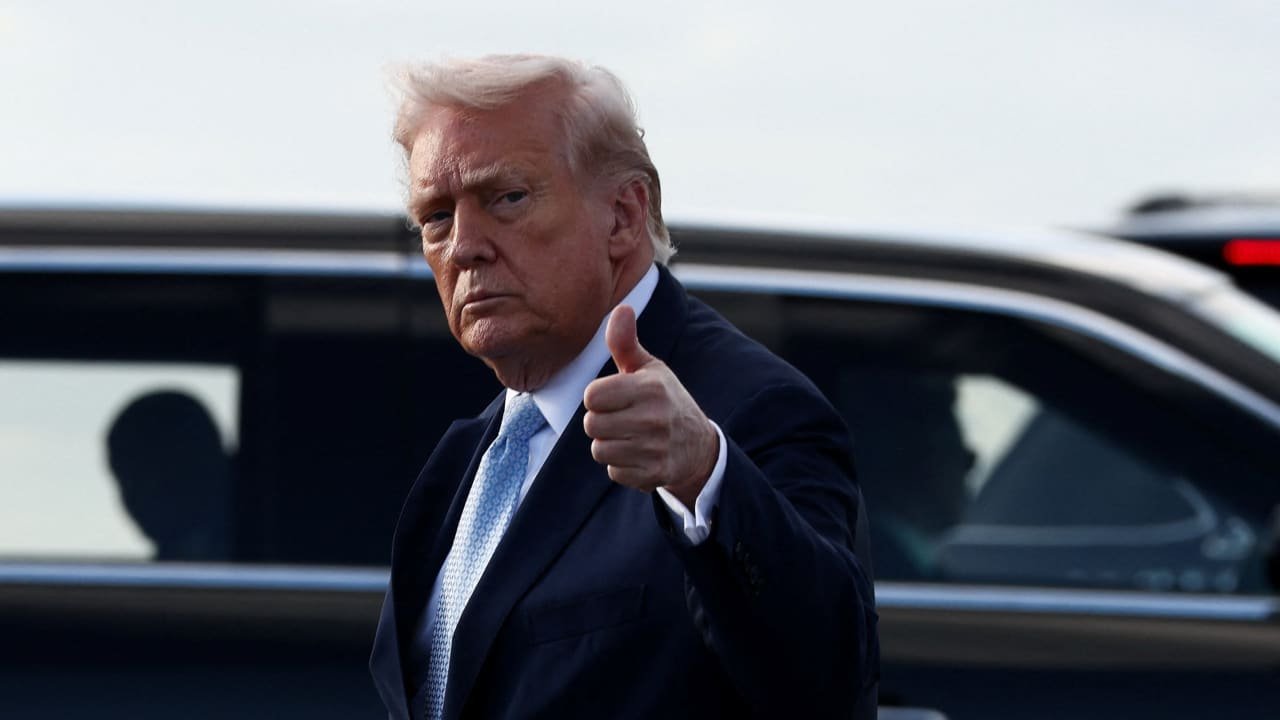
    U.S. President Donald Trump announced a five-day pause on planned military strikes against Iranian energy infrastructure, describing ongoing contacts as “productive.” The move is seen as an attempt to open space for negotiations following weeks of escalating conflict.

    However, Iranian officials have denied that formal talks are taking place, casting doubt on the progress of diplomacy and highlighting a gap in narratives between the two sides.

    International actors including Oman, Qatar, and other regional mediators are actively pushing for a ceasefire. However, both sides remain far apart on key demands.

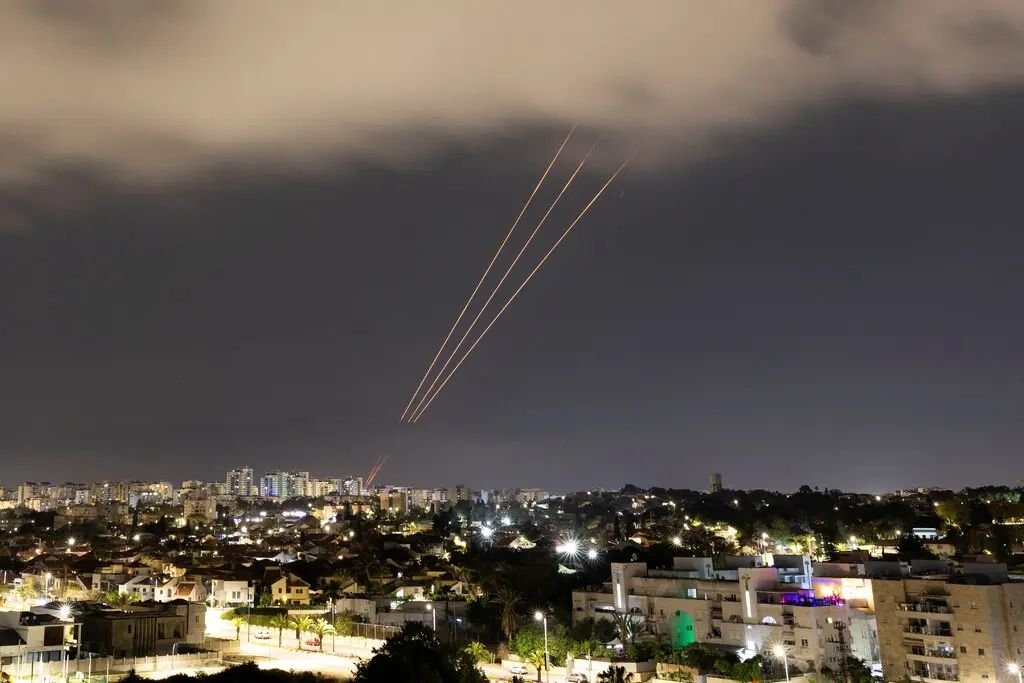
    The conflict continues to center around the strategic Strait of Hormuz, a vital global oil transit route. Iran has threatened further disruption, while Washington has demanded its reopening, raising concerns over global energy stability.

    Denies from Iran, global and economic pressure are probably the main reason behind this premature decision.

    While many briefly reacted positively to news of the pause, analysts warn the situation remains volatile. The halt in strikes is temporary and conditional, not a ceasefire.

    For now, the reality is clear, there are talks but there is no peace.

  • Kazakhstan’s New Constitution: Reform or Power Consolidation?

    Kazakhstan’s New Constitution: Reform or Power Consolidation?

    Kazakhstan has entered a new political chapter after a decisive national referendum approved sweeping constitutional reforms. While the government presents the changes as a step toward modernization and stability, critics warn they may signal a shift toward greater presidential control.

    The developments place Kazakhstan at the center of international attention, as the country balances domestic reform with its growing role in global diplomacy and economic partnerships.

    A Landslide Referendum Result

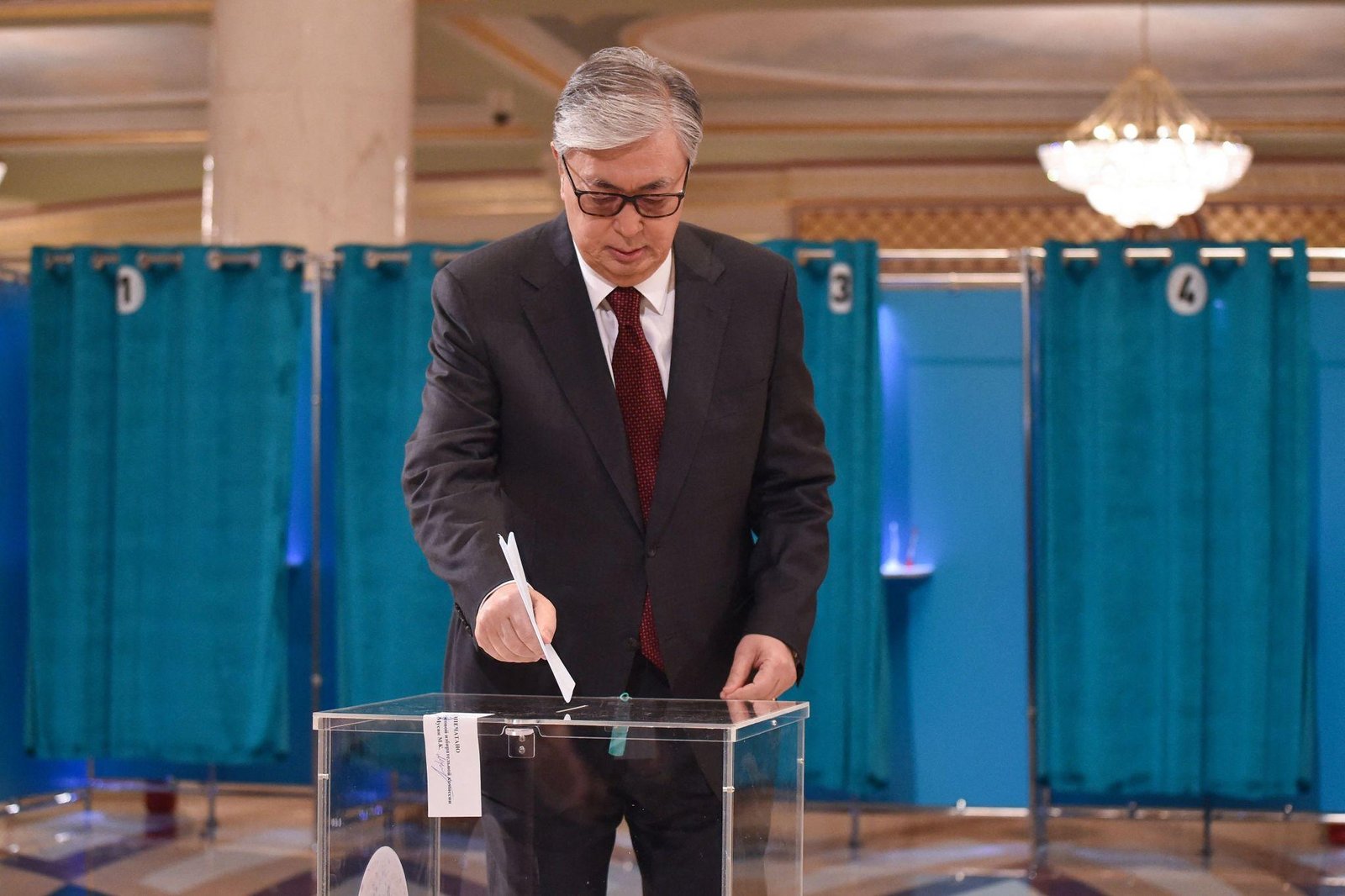
    On March 15, 2026, Kazakhstan held a nationwide referendum to approve a new constitution. According to official figures, more than 87% of voters supported the reforms, with turnout exceeding 73%.

    The strong result was framed by the government as a clear mandate for political transformation. President Kassym-Jomart Tokayev described the outcome as a “historic step” toward strengthening the state and modernizing governance.

    However, international observers note that referendums in Kazakhstan have historically delivered overwhelming approval rates, raising questions about the competitiveness and openness of the political environment.

    Sources: Reuters, AP News

    What Has Changed in the Constitution?

    The new constitutional framework introduces several major structural changes to Kazakhstan’s political system:

    1. Transition to a Unicameral Parliament

    Kazakhstan will move from a bicameral legislature to a single-chamber parliament, a shift the government argues will streamline lawmaking and reduce bureaucracy.

    2. Return of the Vice Presidency

    The reforms reintroduce the role of vice president, a position that could play a key role in political succession and continuity.

    3. Expanded Presidential Powers

    The president will now have broader authority to:

    1. Appoint senior government officials

    2. Influence legislative processes

    3. Shape national policy more directly

    4. Creation of a “People’s Council”

    A newly established advisory body often referred to as a People’s Council will have the authority to initiate legislation and national referendums. Its members are expected to be appointed by the president.

    Supporters argue these changes will create a more efficient and responsive government. Critics, however, see them as mechanisms that could weaken institutional checks and balances.

    Sources: AP News, Reuters

    Rising Concerns Over Democratic Backsliding

    Despite the government’s assurances, the reforms have triggered concern among international organizations and analysts.

    Amnesty International warned that the new constitution could undermine fundamental freedoms, including freedom of expression and peaceful assembly. The organization highlighted the risk of increasing restrictions on civil society and political opposition.

    Political analysts also caution that:

    1. The consolidation of power in the presidency may reduce democratic accountability

    2. Opposition parties could face greater marginalization

    3. Institutional independence may be weakened

    Some experts suggest the reforms could allow Tokayev to maintain influence beyond his current term, which is scheduled to end in 2029, either through structural adjustments or political succession planning.

    Sources: Amnesty International, Reuters

    Economic Pressures Behind the Reform

    The constitutional overhaul comes amid significant economic challenges.

    1. Kazakhstan has been dealing with:

    2. Rising inflation

    3. Cost of living pressures

    Public dissatisfaction over economic inequality

    As Central Asia’s largest economy, Kazakhstan is also affected by regional instability, particularly the ongoing geopolitical tensions linked to the war in Ukraine.

    Analysts believe the reforms may be partly aimed at ensuring political stability during economic uncertainty, allowing the government to respond more decisively to both domestic and external pressures.

    Sources: AP News

    Expanding International Partnerships

    At the same time, Kazakhstan continues to strengthen its position on the global stage through a “multi-vector” foreign policy balancing relations with major powers.

    Strengthening Ties with India

    Kazakhstan has signaled its intention to deepen strategic cooperation with India, particularly in energy, trade, and regional security.

    Engagement with the European Union

    The European Union has welcomed the reforms cautiously, viewing them as an opportunity to expand collaboration in areas such as:

    1. Energy exports

    2. Infrastructure development

    3. Transport corridors

    Negotiations on visa facilitation between Kazakhstan and the EU are also reportedly progressing.

    A Neutral Diplomatic Stance

    Kazakhstan continues to position itself as a neutral player in global conflicts, emphasizing diplomacy over military involvement, an approach that has helped it maintain relationships with both Western nations and neighboring powers like Russia and China.

    Sources: Qazinform, The Diplomat

    Tourism and Economic Diversification Efforts

    Beyond politics and diplomacy, Kazakhstan is also taking steps to diversify its economy.

    One notable move is the introduction of new gambling zones aimed exclusively at foreign visitors. The policy is designed to:

    1. Boost tourism revenue

    2. Attract foreign investment

    3. Reduce reliance on traditional sectors such as oil and gas

    This reflects a broader strategy to modernize the economy and create new growth engines.

    Sources: Industry reports, regional media

    What This Means for Kazakhstan’s Future

    Kazakhstan’s constitutional reform represents a turning point with far-reaching implications.

    Potential Benefits:

    1. Faster decision-making

    2. Greater policy coordination

    3. Improved political stability

    Potential Risks:

    1. Reduced democratic oversight

    2. Concentration of political power

    3. Erosion of civil liberties

    The challenge for Kazakhstan will be balancing these competing dynamics ensuring stability and growth while maintaining credibility on the international stage.

    Conclusion

    Kazakhstan’s new constitution highlights the country’s ambition to modernize its governance and strengthen its global position. Yet it also raises critical questions about the future of democracy and political pluralism in the country.

    As the reforms take effect in the coming months, both domestic observers and the international community will be watching closely to see whether Kazakhstan can deliver on its promises of progress without compromising fundamental freedoms.

    References

    Reuters. Kazakhstan approves new constitution with 87% vote in favour (March 2026)

    AP News. Kazakhstan constitutional reforms and political impact (March 2026)

    Amnesty International. Statement on Kazakhstan constitutional changes (2026)

    European Union, Kazakhstan cooperation updates Qazinform. Kazakhstan international partnerships update (2026)

    The Diplomat. Kazakhstan’s foreign policy analysis (2026)
  • Oil Shock: U.S.–Iran Conflict Triggers a New Global Energy Crisis

    Oil Shock: U.S.–Iran Conflict Triggers a New Global Energy Crisis

    March 2026, the escalating confrontation between the United States and Iran is rapidly evolving into a global energy crisis, highlighting the fragile link between geopolitics and economic stability.

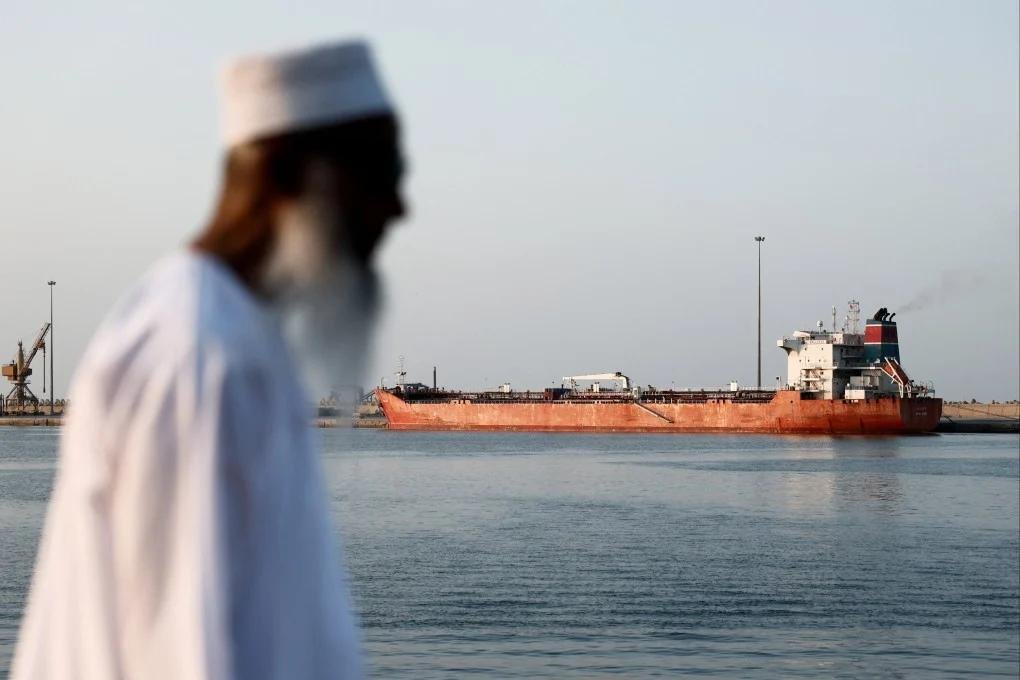
    At the center of the disruption lies the Strait of Hormuz, a vital maritime chokepoint responsible for nearly 20% of global oil transit. Recent tensions and military positioning in the region have significantly reduced tanker movement, creating a major bottleneck in global energy supply.

    Supply disruption and price escalation

    Global oil markets have reacted sharply. Prices surged beyond $100–$110 per barrel, driven not only by speculation but by actual constraints in physical supply chains.

    This divergence between futures markets and real supply availability has intensified volatility, with refineries and distributors struggling to secure stable deliveries.

    U.S. response and policy recalibration

    In response, the United States has implemented emergency measures, including releasing strategic petroleum reserves and reconsidering sanctions affecting oil exports. Notably, Washington has eased restrictions on certain Iranian oil shipments already in transit—an unusual move aimed at stabilizing supply in the short term.

    Despite these actions, analysts warn that such interventions are insufficient to fully offset disruptions if instability in the Hormuz corridor persists.

    Inflation and global economic spillover

    Rising energy costs are now feeding into broader inflationary pressures. Increased fuel prices are driving up costs in transportation, manufacturing, and agriculture worldwide.

    For emerging economies, the situation is more severe, with rising import costs, weakening currencies, and mounting fiscal pressure.

    Energy as a geopolitical instrument

    The crisis underscores a growing reality: energy is increasingly being used as a strategic geopolitical tool.

    By leveraging its influence over the Strait of Hormuz, Iran has demonstrated its capacity to disrupt global economic systems without engaging in full-scale conventional warfare.

    Outlook

    Without a resolution that restores secure maritime transit, the global economy may face a prolonged period of elevated energy prices and instability.

    References

    Reuters – Hormuz tensions & U.S. response
    Maritime security analysis – Strategic importance of Hormuz
    Times of India – Oil price surge & supply disruption
    Global economic reports – Inflationary impact of oil shock

  • Demand-Side Solutions or Misplaced Responsibility? Issues with the Latest International Energy Agency Report on Easing Oil Prices

    Demand-Side Solutions or Misplaced Responsibility? Issues with the Latest International Energy Agency Report on Easing Oil Prices

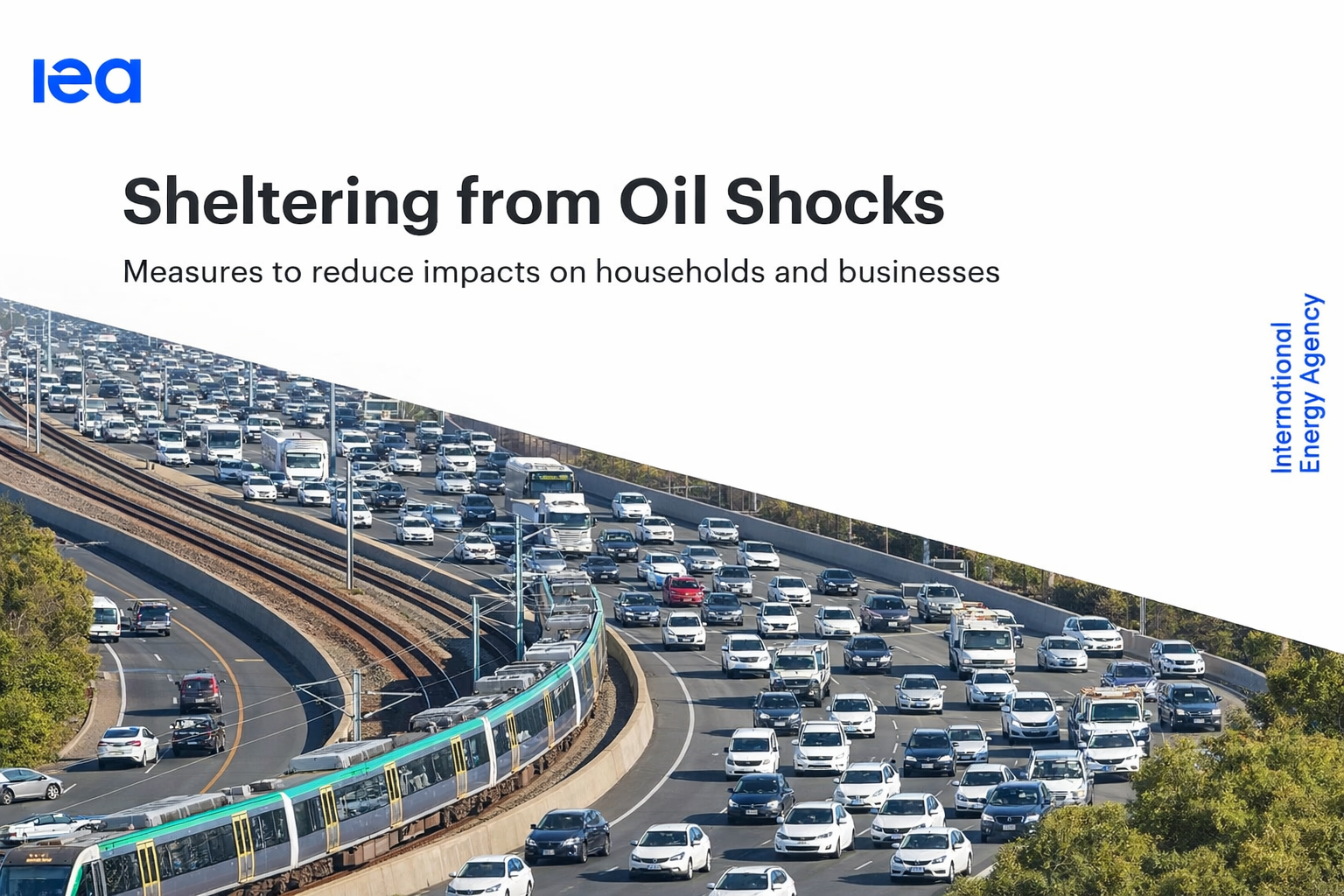
    On 20 March, as global oil prices surge amid geopolitical tensions and supply, the International Energy Agency (IEA) released a new report outlining emergency measures to ease price pressures. Rather than focusing on increasing supply, the agency proposes a set of demand-side actions encouraging individuals and businesses to reduce oil consumption through behavioral changes such as working from home, limiting air travel, and reducing driving speeds.

    While these recommendations may offer short-term relief, they have sparked widespread debate. Critics argue that the measures are insufficient, inequitable, and shift responsibility onto consumers rather than addressing deeper structural issues in global energy markets.

    Overview of the IEA’s Proposed Measure

    The IEA’s recommendations are centered on reducing immediate oil demand. Key proposals include:

    1. Encouraging remote work where possible

    2. Reducing speed limits on highways

    3. Promoting public transportation and carpooling

    4. Limiting non-essential air travel

    5. Encouraging behavioral changes in energy consumption

    These measures aim to quickly lower fuel demand during a period of constrained supply, particularly due to disruptions in key oil transit routes.

    Key Issues and Criticisms

    1. Shifting Responsibility to Consumers

    One of the most prominent criticisms is that the IEA’s approach places the burden on individuals rather than governments or oil producers. Asking people to drive less or avoid flying may be practical in theory, but in reality, many workers lack the flexibility to change their routines.

    This raises concerns about fairness and accountability. Structural issues such as supply constraints, geopolitical instability, and energy policy failures are not directly addressed by consumer-level actions.

    2. Limited Impact on Global Oil Prices

    Although reducing demand can help stabilize markets, the scale of current supply disruptions significantly limits the effectiveness of such measures. Major chokepoints in global oil transport, particularly in politically sensitive regions, can impact a large share of global supply.

    As a result, even widespread adoption of the IEA’s recommendations is unlikely to produce substantial or sustained reductions in oil prices.

    3. A Short-Term Fix to a Long-Term Problem

    The IEA’s measures are inherently temporary. They are designed as emergency responses rather than long-term solutions. However, the underlying causes of high oil prices, geopolitical conflict, supply chain vulnerabilities, and dependence on fossil fuels require structural reforms.

    Without addressing these deeper issues, demand-reduction strategies risk becoming recurring stopgap measures rather than sustainable solutions.

    4. Implementation Challenges Across Countries

    The global nature of oil markets means that coordinated action is necessary for meaningful impact. However, implementing policies such as reduced speed limits or travel restrictions requires political will and public cooperation both of which vary widely across countries.

    In many regions, such measures could face resistance due to cultural, economic, or political factors, limiting their effectiveness on a global scale.

    5. Economic Consequences

    Reducing travel and commuting has broader economic implications. Industries such as aviation, tourism, and transportation could be negatively affected by decreased demand. Additionally, reduced mobility can have indirect effects on productivity and economic growth.

    While the goal is to stabilize energy prices, the trade-offs for certain sectors could be significant.

    6. Inequality and Accessibility Concerns

    Not all individuals are equally positioned to adopt the IEA’s recommendations. Lower-income groups, for example, are less likely to have jobs that allow remote work and may depend more heavily on private vehicles due to limited access to public transportation.

    This creates an uneven distribution of responsibility, where those with fewer resources bear a disproportionate burden of adjustment.

    7. Political Sensitivity and Public Acceptance

    Policies that directly affect daily life such as limiting travel or imposing restrictions on driving are often politically sensitive. Governments may be reluctant to enforce such measures due to the risk of public backlash.

    Past attempts at similar demand-reduction strategies have shown that public compliance can be difficult to achieve without strong incentives or clear communication.

    The International Energy Agency report offers a pragmatic set of tools to manage oil demand during a crisis. However, its reliance on behavioral changes highlights a broader tension in global energy policy: the balance between immediate action and long-term solutions.

    While demand-side measures can play a role in easing short-term pressures, they are not a substitute for structural reforms. Addressing supply vulnerabilities, investing in energy diversification, and accelerating the transition to renewable energy remain essential to achieving lasting stability in global energy markets.

    Ultimately, the effectiveness of the IEA’s recommendations will depend not only on public willingness to adapt, but also on the ability of policymakers to address the deeper challenges underlying the current energy crisis.

    References

    International Energy Agency. “Options to Ease Oil Price Pressures on Consumers”, 2026.

    Reuters. “IEA advises work from home and reduced travel to ease oil prices”, March 2026.

    The Guardian. “Energy watchdog suggests demand cuts amid rising oil prices”, March 2026.

    Financial Times. “Global energy risks and supply disruptions analysis”, 2026.

  • Countries Reportedly Able to Pass: The Selective Blockade of the Strait of Hormuz

    Countries Reportedly Able to Pass: The Selective Blockade of the Strait of Hormuz

    As Iran effectively closes the Strait of Hormuz to Western shipping, a select group of nations have reportedly secured passage for their vessels through back-channel negotiations and geopolitical alignment.

    Since March 2, 2026, Iran has enforced a de facto blockade of the Strait of Hormuz—the chokepoint through which one-fifth of global oil and liquefied natural gas transits—following retaliatory measures against joint U.S. and Israeli airstrikes that began February 28. While maritime traffic has plummeted by 90-97%, maritime intelligence confirms that Tehran is selectively granting passage to ships from friendly nations, creating a two-tiered shipping regime that favors non-combatant countries aligned with or neutral to Iran’s position.

    The Permitted Nations

    Maritime tracking data reveals that vessels from specific countries are being allowed to transit the strait through a carefully controlled “permission-based” system:China remains the primary beneficiary of Iran’s selective access policy. Multiple vessels including the Stellan and Nora—carrying over two million barrels of crude oil—have successfully navigated the strait, with Chinese-flagged and Chinese-owned vessels receiving priority clearance . Maritime analysts note that vessels bound for China are “more likely to be granted passage” as Iran seeks to maintain economic ties with its key trading partner while exerting pressure on Western economies .India has secured transit rights for its vessels after diplomatic negotiations. At least two Indian-flagged tankers carrying liquefied petroleum gas reached Indian ports over the weekend of March 15-16, following talks between officials. The Indian vessel Nanda Devi was among those documented arriving at Vadinar Port after receiving Iranian authorization .Pakistan has successfully transited the strait, with the Pakistani-flagged oil tanker Karachi—carrying approximately 700,000 barrels of crude oil—crossing through the Larak-Qeshm Channel near the Iranian coast .Turkey has also secured passage for its vessels. Turkish Transport Minister Abdulkadir Uraloglu confirmed that a Turkish-owned ship crossed the strait with explicit Iranian permission, highlighting Ankara’s diplomatic leverage in the crisis .Greece presents a complex case. While Greek shipping companies operate approximately ten vessels that have recently transited, analysts suggest these may be cases where Iranian authorities verified the cargo and ownership to ensure no links to U.S. or Israeli interests. These vessels appear to transit under strict scrutiny rather than blanket national authorization .

    The Alternative Route

    Ships from permitted nations are not transiting through the main shipping lane. Instead, they are navigating an alternative corridor through Iranian territorial waters, specifically via the Larak-Qeshm Channel opposite the Iranian port of Bandar Abbas . This route forces vessels to “hug the Iranian coastline” before emerging into international waters at the eastern end of the strait—a maneuver that allows Iranian forces to maintain physical control and inspection capabilities over all transiting vessels .Maritime analyst Michelle Wiese Bockmann noted this workaround represents “one of the first signs of permission-based transits to friendly countries,” with vessels broadcasting signals such as “CHINA OWNER_ALL CREW” to identify themselves as eligible for passage .

    The Blockade Strategy

    Iran’s Revolutionary Guard has reportedly established checkpoints where transit vessels undergo inspection to verify they have “no cargo or ownership linked to the United States” . Iranian sources maintain the strait is not officially closed, but that passage is denied to any vessel that could “benefit the aggressors”—referring specifically to the U.S. and Israel .The strategy appears calculated to maximize economic leverage while minimizing military confrontation. By allowing Asian and non-aligned nations to continue receiving energy supplies, Iran maintains crucial economic relationships while driving up insurance premiums and oil prices for Western economies. Brent crude has surged from $72.48 pre-war to highs of $119.50, currently trading above $103 per barrel .

    The Excluded

    The blockade specifically targets vessels with links to the United States, Israel, and their immediate allies. Approximately 1,000 ships remain stranded on either side of the strait awaiting clearance, while Western naval forces face the threat of mine warfare and missile attacks if they attempt to escort vessels through the main channel . Iran has deployed sea mines in the primary shipping lanes—denied by Tehran but confirmed by Washington—and has demonstrated the capability to strike vessels with missiles and drones .

    Geopolitical Implications

    The selective passage system represents a “smart control” strategy that differentiates between states, allowing Iran to exert pressure on its adversaries while rewarding nations that maintain neutral or supportive stances . As Tomas Alexa, senior analyst at maritime intelligence firm Ambrey, explained: “By selectively restricting access rather than completely closing the strait, Iran is signaling that it maintains operational control over the waterway and can differentiate between states” .For the countries reportedly able to pass, the arrangement provides critical energy security and commercial advantage while the global economy absorbs the shock of reduced Gulf oil exports. For Washington and its allies, the situation presents a dilemma: military efforts to reopen the strait could escalate the conflict, while accepting the selective blockade cements a new reality where Iranian authority over the waterway is tacitly acknowledged

  • The Dragon and the Bear in the Persian Gulf: How Russia and China Navigate the US-Israel-Iran War

    The Dragon and the Bear in the Persian Gulf: How Russia and China Navigate the US-Israel-Iran War

    A Geopolitical Assessment of Eurasian Powers in a Fragmenting Middle East

    Introduction: The Shockwaves of Conflict

    When the United States and Israel launched their military campaign against Iran in late February 2026, the strikes reverberated far beyond the Persian Gulf. For Moscow and Beijing—Tehran’s most consequential partners in the multipolar project they have long championed—the conflict presented an immediate strategic calculus that balanced opportunism against existential risk. While both powers publicly condemned the aggression, their responses revealed the limits of their commitment to Tehran and the fragility of the “no limits” partnerships they had cultivated.The war has tested the resilience of the Russia-Iran alliance, strained China’s energy security architecture, and exposed the vulnerabilities of the anti-Western bloc that these powers have sought to construct. Yet it has also offered opportunities: a distracted America, a weakened rules-based order, and potential avenues for diplomatic mediation that could elevate Moscow and Beijing as indispensable regional brokers.

    Russia: Between Opportunism and Exposure

    The Strategic Dilemma

    Moscow’s response to the conflict has been characterized by what Chatham House analysts describe as “strategic hedging”—a posture of sharp rhetorical condemnation coupled with decisive military restraint . The Kremlin has denounced the killing of Iranian Supreme Leader Ali Khamenei as “illegal and immoral” and condemned the operation as an “unprovoked act of armed aggression,” even as Russia launched 106 missiles and drones against Ukraine on the same day .This performative outrage masks a deeper anxiety. Iran represents what Soviet Foreign Minister Vyacheslav Molotov once called a “structural node on the southern flank” of Russian influence—a perennial tenet of Moscow’s foreign policy that remains relevant today . Russia has invested decades of capital into Iran’s energy sector, railway infrastructure, and nuclear facilities, including the high-risk venture of constructing the Bushehr nuclear power plant. Moscow has become Tehran’s primary arms supplier, with components of Russian-made drones discovered in attacks across the Arabian Peninsula .Yet the Kremlin has made clear it will not enter military confrontation with the US-Israel coalition. This reveals the fundamental asymmetry of the Russia-Iran partnership: while valuable, it is not worth risking direct conflict with nuclear-armed Western powers or jeopardizing potential negotiations over Ukraine.

    The Opportunity Cost

    For Moscow, the war’s primary utility lies in distraction. The Kremlin hopes that a protracted conflict in the Middle East will divert Washington’s attention from Ukraine, delay any negotiated settlement favorable to Kyiv, and potentially slow the flow of American military assistance . With the US preoccupied elsewhere, Russia anticipates greater freedom of maneuver in its ongoing war against Ukraine.Furthermore, Moscow positions itself as a potential mediator, championing its previously proposed “collective security architecture in the Gulf region” . This allows Russia to maintain relevance even as its material capabilities in the region atrophy following the fall of Assad in Syria.

    The Multipolar Narrative at Risk

    The conflict poses an ideological challenge to Moscow’s grand strategy. Yevgeny Primakov’s 1998 vision of a multipolar world—where powers like Iran, China, and Russia balance American hegemony—faces its most severe test. As CEPA fellow Mathieu Boulègue notes, “If the US and Israel succeed in degrading Iran’s strategic position, the narrative of a resilient multipolar order loses ideological traction” .The Kremlin fears that successful regime change in Tehran would demonstrate that no leader is safe from American policy—a precedent that haunts authoritarian capitals worldwide. Conversely, a weakened but surviving Iranian regime may prove less accommodating to Russian interests, forcing a complete recalculation of Moscow’s southern strategy.

    China: The Calculated Neutral

    Energy Security Under Siege

    China’s response has been defined by strict neutrality—a “balancing act” that prioritizes economic interests over diplomatic solidarity . This caution reflects the devastating immediate impact on Beijing’s energy security. China was importing approximately 1.4 million barrels per day (mbd) from Iran—representing 13% of total crude imports and 80-90% of Tehran’s oil exports—much of it purchased at discounted rates through the 25-year, $400 billion cooperation agreement signed in 2021 .The collapse of Iranian exports has created a 1.0 to 1.4 mbd shortfall for China, hitting particularly hard at the private “teapot” refineries that specialized in processing sanctioned Iranian crude . These refineries, which operated through China’s Cross-border Interbank Payment System (CIPS) to circumvent SWIFT and avoid Western financial scrutiny, now face high replacement costs in a market where oil prices hover near $100 per barrel .The closure of the Strait of Hormuz—a critical chokepoint through which roughly 20% of global oil flows—threatens an additional 5.4 mbd of Chinese imports from Saudi Arabia, Iraq, the UAE, and Qatar . This represents an existential threat to Chinese economic stability; economic modeling suggests a sustained 25% increase in oil prices could reduce China’s GDP by 0.5% .

    Buffers and Resilience

    Beijing entered the crisis better prepared than most importing nations. China had engaged in aggressive stockpiling in early 2026, with oil imports surging 16% in January and February . Strategic and commercial reserves now total 1.3 to 1.4 billion barrels—covering approximately four months of imports . Pipeline deliveries from Russia have increased by roughly 300,000 barrels daily, though Russian capacity constraints and competing Indian demand (bolstered by a US waiver allowing Indian imports of Russian crude) limit further relief .Domestic production and fallback options like coal provide additional insulation, meaning China “will still be affected, but likely less than many others,” according to energy strategist Tatiana Khanberg . This resilience is reflected in financial markets, where the renminbi has stabilized following initial volatility .

    The Geopolitical Dividend

    China’s neutrality serves a broader strategic purpose. By avoiding entanglement while appearing as a “stable and rational nation compared to the US,” Beijing may accelerate trade realignment toward China as countries seek refuge from American-led chaos . Managing director Ben Cavender notes that China has “very little to lose by staying quiet and a lot to gain by being seen as a neutral party” .This positioning allows China to maintain relationships with all parties—including the Gulf states with whom Beijing has cultivated increasingly close economic ties through initiatives like the China-Gulf Cooperation Council free trade negotiations. The war has disrupted China’s rapidly growing exports to the Middle East—particularly automobiles to the UAE and steel to Saudi Arabia—but Beijing prioritizes long-term positioning over short-term commercial losses .

    Post-War Scenarios: The New Regional Architecture

    The Brokerage Opportunity

    Both Moscow and Beijing are positioning themselves for post-conflict mediation roles. Russia hopes to leverage its relationship with Tehran to secure a place at the negotiating table, potentially reviving its Gulf security architecture proposals. China, with its economic leverage and neutral stance, could emerge as the primary external actor in a reconstructed Iran, particularly if a new government seeks rapid infrastructure reconstruction .

    Strategic Realignment

    A prolonged conflict risks spillover effects—refugee flows, arms proliferation, and militant networks—that threaten Russia’s southern flank and China’s Belt and Road Initiative projects across Central Asia . Both powers face the challenge of managing regional fragmentation while preventing the complete collapse of Iranian state capacity, which could create a vacuum for jihadist organizations or American military bases.Should Tehran emerge significantly weakened but territorially intact, Moscow will likely attempt to deepen military-technical cooperation, providing covert support for regime stabilization while publicly advocating for diplomacy. Beijing, conversely, may pursue a “controlled distancing” strategy, maintaining economic ties while avoiding the reputational risks of association with a pariah state .

    The China Variable

    The war has illuminated a fundamental shift in Eurasian geopolitics: Beijing, not Moscow, possesses the economic instruments to shape post-war Iran. Russia lacks the financial weight to underwrite Iranian reconstruction or stabilize its economy. China holds this capacity—but will deploy it selectively, conditioned on political stability and oil access.This creates an implicit competition between the two nominal allies for influence in Tehran, even as both publicly champion their “no limits” partnership. The war may ultimately accelerate a transition from a Russia-led to a China-led engagement strategy with Iran, reflecting broader shifts in Eurasian power distribution.

    Conclusion: The Limits of Anti-Western Solidarity

    The US-Israel-Iran war has exposed the constraints of the Russia-China-Iran axis. Despite decades of diplomatic coordination, shared hostility to American primacy, and substantial economic interdependence, neither Moscow nor Beijing was willing to risk direct confrontation to prevent Tehran’s degradation. Their responses—opportunistic hedging from Russia, economic self-preservation from China—reveal that the multipolar project remains a coordinating framework rather than a mutual defense pact.For Russia, the war offers temporary relief in Ukraine at the cost of potentially losing its most reliable Middle Eastern partner. For China, the conflict tests energy security resilience while offering a chance to appear as the adult in a room of belligerents. Both powers will survive the crisis, but the notion that they can collectively restrain American military action has suffered a decisive blow.In the emerging regional order, Moscow and Beijing will compete as much as coordinate for influence in a fragmented Middle East, with Iran—whether surviving or transformed—serving as the primary theater for this great power rivalry. The war has not ended the multipolar moment, but it has revealed its boundaries: when the missiles fly, even strategic partners are ultimately on their own.

    Sources:

    CEPA (2026), “Russia, Europe, and the Iran War”

    Chatham House (2026), “The Iran war exposes the limits of Russia’s leverage”

    Defense Priorities (2026), “Beijing’s balancing act in the Iran war”

    Bruegel (2026), “What the war in Iran means for China”

    Euronews (2026), “China treads carefully on energy interests in Iran war”