Blog

  • Trump Grants 10-Day Window for Diplomacy as Iran Rejects U.S. Terms

    Trump Grants 10-Day Window for Diplomacy as Iran Rejects U.S. Terms

    March 27, 2026

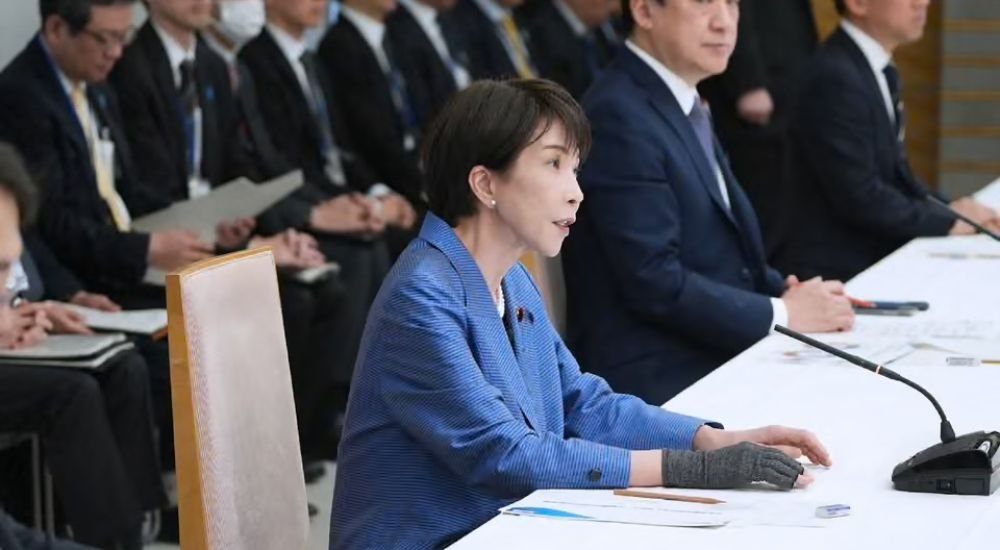
    Tensions between the United States and Iran remain high but fluid, as Donald Trump announced a 10-day pause in potential military action to allow diplomatic efforts to move forward, even as Iranian officials firmly rejected Washington’s latest proposal.

    Speaking to reporters, Trump said negotiations with Iran were “going very well,” suggesting that a potential agreement remains within reach despite the current standoff. As part of this approach, he confirmed that the United States would delay planned strikes on Iranian energy infrastructure for 10 days, a move aimed at creating space for dialogue and reducing immediate tensions.

    However, the U.S. president paired his optimism with a stark warning. Trump indicated that failure to reach a deal within the 10-day window could trigger severe consequences, stating that the United States could become Iran’s “worst nightmare” if talks collapse. The administration is reportedly pushing for key concessions, including curbs on Iran’s nuclear program and the reopening of the strategically vital Strait of Hormuz, a crucial artery for global oil shipments.

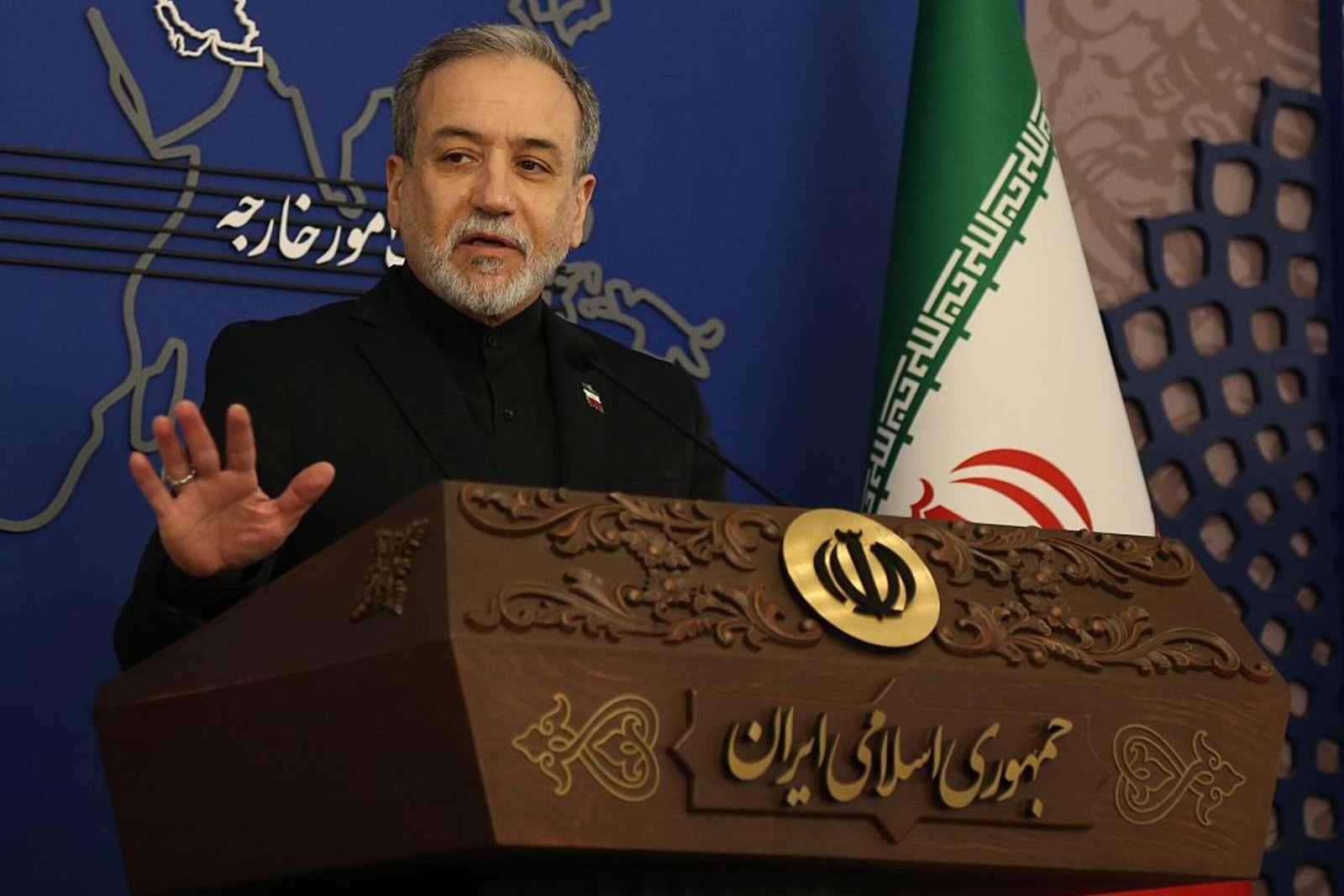
    In Tehran, the response has been swift and uncompromising. Iranian officials dismissed the U.S. proposal as “one-sided and unfair,” signaling little willingness to accept Washington’s terms. Authorities also disputed Trump’s claims of active negotiations, insisting that no direct talks are currently taking place between the two sides.

    The divergence in messaging underscores the fragile and uncertain state of diplomacy. While Washington portrays momentum and potential progress, Tehran remains deeply skeptical, emphasizing national sovereignty and its right to control key regional assets. This widening gap in narratives has raised doubts among analysts about whether a meaningful breakthrough is realistically achievable within such a short timeframe.

    The temporary pause in military action has offered a brief reprieve, but it has also intensified global attention on the economic implications of the standoff. Any prolonged disruption around the Strait of Hormuz could significantly impact global oil supply, driving up energy prices and placing additional strain on economies already facing inflationary pressures.

    As the 10-day deadline approaches, the coming days are likely to prove decisive, either opening a path toward de-escalation through diplomacy or pushing the crisis closer to direct confrontation with far-reaching global consequences.

  • Diplomacy in the Shadow of War, Why a Xi Visit Still Matters

    Diplomacy in the Shadow of War, Why a Xi Visit Still Matters

    March 26, 2026

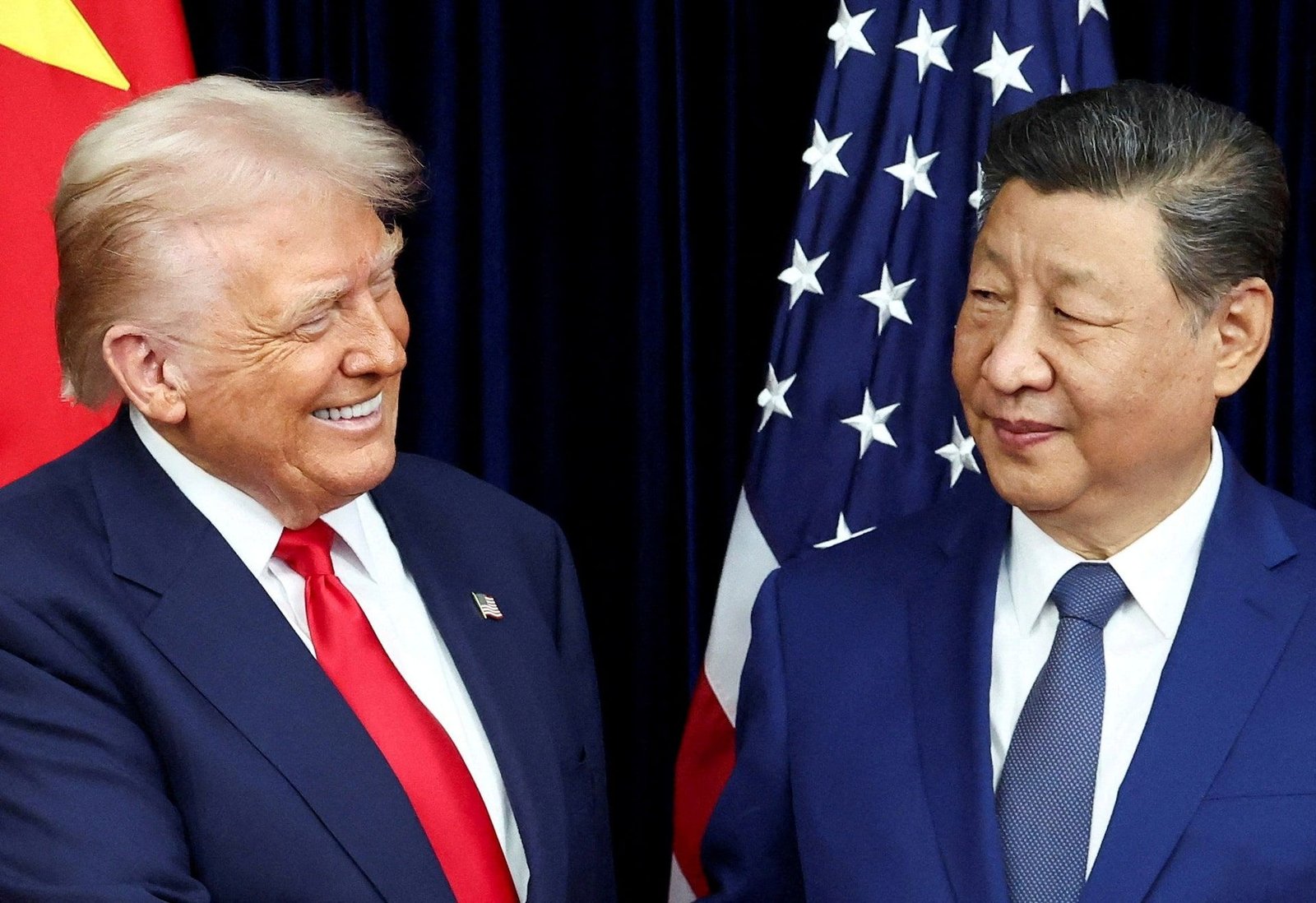
    As the world’s attention remains consumed by escalating conflict in the Middle East, a quieter but strategically significant development is unfolding: the possibility of a U.S. visit by Chinese President Xi Jin Ping, reportedly at the invitation of Donald Trump, according to the BBC News.

    At first glance, the timing feels almost discordant. War dominates headlines, shapes oil markets, and dictates military postures. Diplomacy, by contrast, appears slow, procedural and almost secondary. But that interpretation misses the deeper reality. Moments like these, emerging amid crisis, are precisely when great power relationships matter most.

    The potential visit, still unconfirmed, is being framed as part of a reciprocal diplomatic exchange between Washington and Beijing. On paper, it is a routine gesture. In practice, it is anything but.

    For years, U.S.-China relations have been defined less by cooperation than by managed hostility, trade wars, technological decoupling, and strategic rivalry across the Indo-Pacific. The mere suggestion of renewed leader-level engagement signals a recognition, however reluctant, that unchecked competition carries risks neither side can fully control.

    And that recognition comes amid ongoing instability in the Middle East, where conflict continues to test the limits of international coordination. The contrast is striking: while one region burns, another axis of global power cautiously explores de-escalation. This is not a shift in attention, it is a reminder that the world’s crises are no longer isolated. They are layered, simultaneous, and increasingly interconnected.

    The United States cannot engage in Middle Eastern conflict without considering China’s economic and diplomatic reach. Nor can China position itself as a stabilizing force globally while avoiding direct engagement with Washington. In that sense, a Xi visit is not a distraction from war, it is part of the broader architecture that will shape how such wars are contained, prolonged, or resolved.

    Skeptics will argue that symbolism does not translate into substance. They are not wrong. A handshake does not resolve disputes over Taiwan, semiconductor controls, or military influence. But dismissing diplomacy because it is incomplete is a strategic mistake. In an era of multipolar tension, even limited dialogue is a form of risk management.

    What makes this moment particularly significant is not certainty, but timing. According to the BBC, the talks are still in discussion, highlighting that even amid global conflict, the largest powers are quietly testing the boundaries of restraint.

  • Global Energy Crisis Reshapes Business Landscape Across Southeast Asia

    Global Energy Crisis Reshapes Business Landscape Across Southeast Asia

    March 26, 2026

    Rising energy prices and persistent geopolitical tensions are reshaping the business environment across Southeast Asia, forcing companies to adapt rapidly to higher costs while opening new avenues for growth in selected sectors.

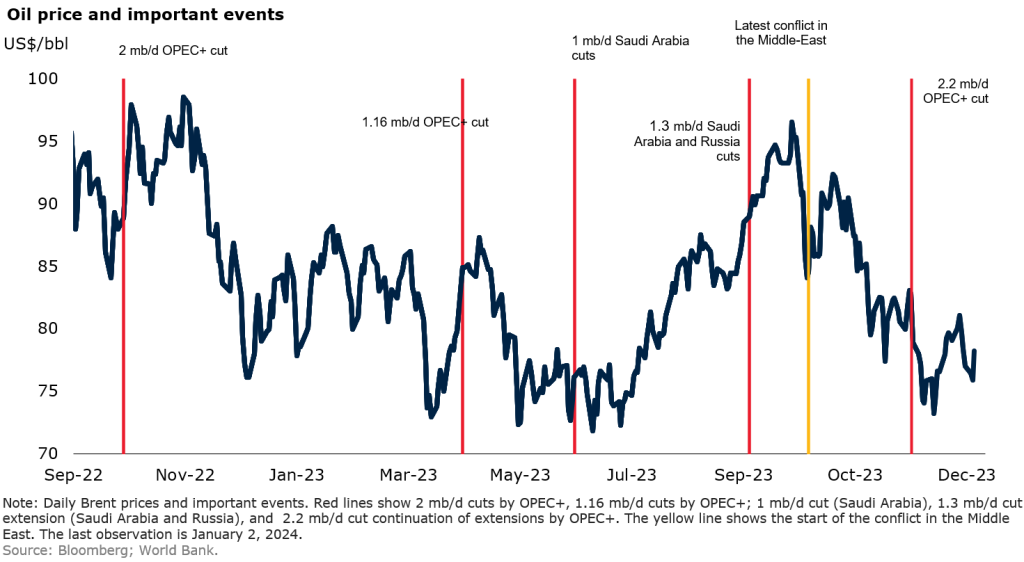
    Crude oil prices have surged past the $100-per-barrel mark in recent weeks, driven by ongoing instability in key producing regions and tightening global supply. The ripple effects are being felt across industries, particularly in emerging economies that remain heavily dependent on energy imports.

    Rising Costs Squeeze Profit Margins

    For many businesses, the most immediate impact has been a sharp increase in operating costs. Transportation, manufacturing, and logistics sectors are among the hardest hit, as fuel expenses and raw material prices climb in tandem.

    Small and medium-sized enterprises (SMEs), which form the backbone of many Southeast Asian economies, are especially vulnerable. With limited pricing power and thinner cash reserves, many are struggling to absorb the rising costs without passing them on to consumers.

    “Higher energy prices are compressing margins across the board, particularly for businesses that rely heavily on imports or long supply chains,” analysts note.

    Consumers Pull Back as Inflation Bites

    The energy shock is also feeding into broader inflationary pressures, reducing household purchasing power. As consumers allocate a larger share of their income to essentials such as fuel and food, discretionary spending has weakened.

    This shift is weighing on sectors such as retail, hospitality, and lifestyle services, where demand is more sensitive to changes in consumer confidence.

    Winners Emerge in Energy and Efficiency Sectors

    Despite the challenges, the crisis is creating opportunities for businesses positioned in energy-related and efficiency-driven sectors.

    Companies involved in renewable energy, energy-saving technologies, and infrastructure are seeing increased interest from both governments and private investors. The push toward energy diversification has accelerated, with solar and electric mobility gaining traction across the region.

    In parallel, demand for cost-optimization services and efficiency solutions is rising, as firms seek to mitigate the impact of higher energy expenses.

    Pricing Strategies and Adaptation Become Critical

    Businesses are increasingly turning to strategic pricing adjustments to protect margins. However, the ability to pass on higher costs varies widely by sector and market positioning.

    Larger corporations with established brands and stronger market influence are generally better equipped to implement price increases. In contrast, smaller firms face greater resistance from price-sensitive consumers.

    Uncertainty Clouds Investment Outlook

    The volatility associated with energy markets is complicating long-term planning. Frequent price swings and geopolitical risks are making it difficult for businesses to forecast costs and returns, delaying investment decisions in some sectors.

    Supply chain disruptions, exacerbated by higher shipping costs, are adding another layer of uncertainty.

    A Defining Moment for Business Resilience

    Economists suggest that the current energy crisis may act as a structural turning point for businesses in Southeast Asia. Companies that prioritize efficiency, diversify revenue streams, and invest in energy resilience are likely to emerge stronger.

    Conversely, those unable to adapt to sustained cost pressures may face prolonged financial strain.

  • IMF Steps Up Engagement as Debt Risks Build Across Emerging Markets

    IMF Steps Up Engagement as Debt Risks Build Across Emerging Markets

    March 25, 2026

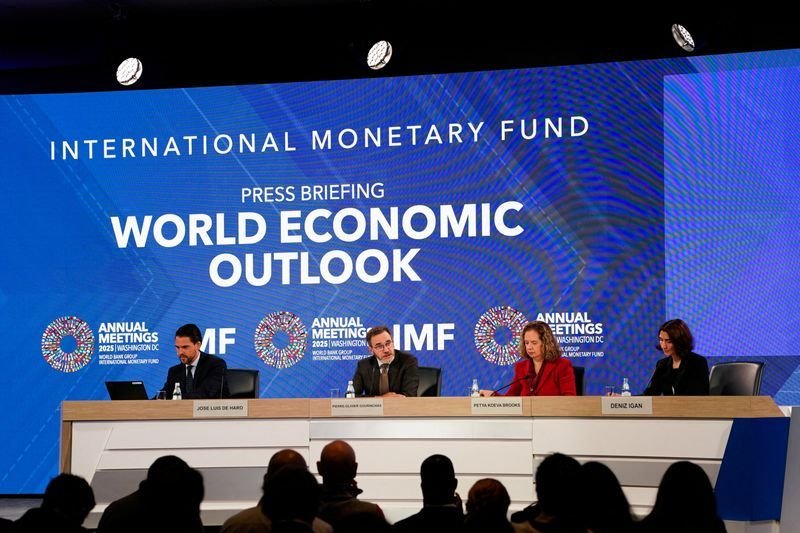
    The International Monetary Fund is intensifying its engagement with vulnerable economies as rising debt burdens and elevated energy prices heighten risks to global financial stability.

    The Washington-based lender is preparing to deepen discussions with several developing nations facing tightening financial conditions, as higher borrowing costs and weaker currencies strain public finances. The move signals growing concern that a new wave of debt stress could emerge across parts of the developing world.

    Energy-driven inflation has become a central challenge. A sustained increase in oil prices has widened trade deficits for import-dependent economies, while adding pressure on already fragile fiscal positions. Policymakers are being forced to navigate a narrowing path between supporting growth and containing inflation.

    Officials at the International Monetary Fund have warned that prolonged supply-side shocks could dampen global growth prospects, particularly in economies with limited policy buffers. The risks are compounded by volatile capital flows, as investors shift toward safer assets amid geopolitical uncertainty.

    The situation is most acute in emerging markets, where external vulnerabilities are being exposed by a stronger dollar and rising global interest rates. Currency depreciation has made it more expensive to service foreign-denominated debt, increasing the likelihood of fiscal stress.

    At the same time, coordination with the World Bank is expected to intensify ahead of upcoming policy discussions, where officials will assess the broader implications of rising debt levels and global economic fragmentation.

    For many governments, the policy trade-offs are becoming increasingly difficult. Raising interest rates may help stabilize currencies, but risks slowing domestic growth. Allowing currencies to weaken, meanwhile, could further accelerate inflation.

    The International Monetary Fund has indicated that early intervention and policy discipline will be critical in preventing localized stress from evolving into broader financial instability.

    As global conditions remain uncertain, the focus is shifting toward how effectively international institutions and national policymakers can respond to a more volatile and constrained economic environment.

  • Iran Rejects U.S. Peace Proposal, Tightens Control of Strait of Hormuz

    Iran Rejects U.S. Peace Proposal, Tightens Control of Strait of Hormuz

    Tehran, March 26, 2026

    Iran has rejected a U.S. ceasefire plan, while reinforcing its hold over the Strait of Hormuz, a critical route for global oil traffic. The announcement has heightened concerns over oil supply and driven prices higher.

    Tehran dismissed the U.S. proposal reportedly offering sanctions relief and security assurances as inadequate. Iranian officials said any halt in hostilities must include guarantees against future attacks, reparations for war damage, and recognition of Iran’s regional interests. They have stressed that a ceasefire under U.S. terms is unacceptable.

    The Strait of Hormuz, through which nearly 20% of the world’s oil flows, is now under strict Iranian control. Analysts describe Tehran’s measures as a de facto “toll booth”, permitting some vessels to pass while blocking or delaying others. Shipping restrictions have already disrupted tanker schedules, intensifying global energy market volatility.

    The introduction of what analysts describe as a “toll-like” system is already producing wide-ranging economic effects. Shipping costs have surged as insurers raise premiums for vessels transiting the area, while some companies are rerouting shipments around Africa, adding significant time and expense. Energy-importing countries in Asia are particularly exposed, facing tighter supply and rising fuel costs. The uncertainty has also rattled global markets, with traders pricing in the risk of prolonged disruption at one of the world’s most vital energy chokepoints.

    The U.S. and allied nations have expressed alarm. Military assets have been repositioned in the region, and options for secure passage including convoy escorts and mine-clearing operations are reportedly under discussion.

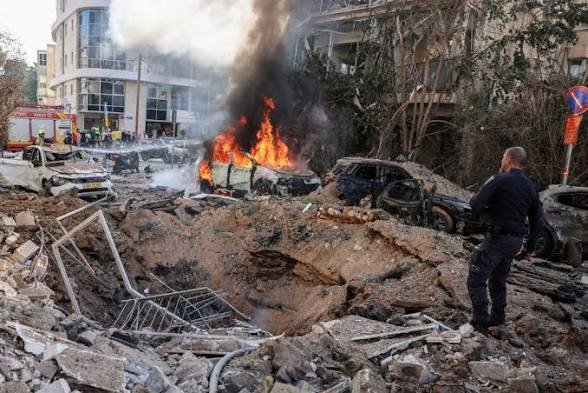
    The rejection marks another setback for diplomacy. Fighting continues across multiple fronts, including strikes affecting Israel and Gulf Arab nations. Iranian authorities describe U.S. proposals as detached from realities on the ground, highlighting the current stalemate in negotiations.

    Experts warn that Iran’s firm refusal to accept U.S. terms without concessions particularly over the Strait of Hormuz signals a prolonged period of geopolitical tension. Analysts suggest any resolution will likely require multilateral mediation and meaningful compromises from both sides.

    The standoff underscores the fragility of diplomacy in conflict zones and highlights the strategic importance of chokepoints like Hormuz in global trade and energy security.

  • Dollar Rallies, Emerging-Market FX Slumps as Oil Shock Spurs Flight to Safety

    Dollar Rallies, Emerging-Market FX Slumps as Oil Shock Spurs Flight to Safety

    March 25, 2026

    The dollar climbed against most major currencies while emerging-market exchange rates slid, as a surge in oil prices and escalating geopolitical tensions fueled demand for haven assets and rattled global financial markets.

    A jump in crude above $100 a barrel has intensified inflation concerns and widened external imbalances for energy-importing economies, triggering renewed pressure on their currencies. The Indian rupee led declines in Asia, extending losses this year as higher import costs and capital outflows weighed on sentiment.

    Investors have rotated into dollar-denominated assets amid mounting uncertainty tied to developments in the Middle East, reinforcing the greenback’s role as the world’s primary reserve currency during periods of stress.

    “The market is reacting to a classic terms-of-trade shock,” said strategists, referring to the impact of rising commodity prices on countries reliant on imports. “That’s translating directly into currency weakness across emerging markets.”

    The move has also lifted traditional haven currencies, with the Swiss franc strengthening alongside the dollar. Gains in defensive assets underscore a broader shift in positioning as traders hedge against further volatility in energy and geopolitical risk.

    At the same time, expectations for tighter monetary policy are building across developed markets. Traders are increasing bets that central banks in Europe and the UK will be forced to maintain a hawkish stance for longer, as higher energy costs threaten to entrench inflation.

    Diverging policy trajectories are adding to turbulence in foreign-exchange markets, where interest-rate differentials remain a key driver of currency movements. A stronger dollar, coupled with elevated US yields, has reduced the attractiveness of risk-sensitive assets and accelerated capital outflows from emerging economies.

    For policymakers in those markets, the backdrop presents a familiar dilemma: defend currencies through higher interest rates at the risk of slowing growth, or allow depreciation that could further fuel inflation.

    While intermittent pullbacks in oil prices have offered brief relief, analysts say the broader trend remains intact.

    “The bias is still for dollar strength in the near term,” strategists noted, citing persistent geopolitical uncertainty and supply-driven inflation pressures.

    With energy markets volatile and central banks under pressure, currency traders are bracing for continued swings in exchange rates, as global markets adjust to a more fragile and inflation-prone environment.

  • IMF and World Bank Annual Meetings 2026: Bangkok Takes Centre Stage

    IMF and World Bank Annual Meetings 2026: Bangkok Takes Centre Stage

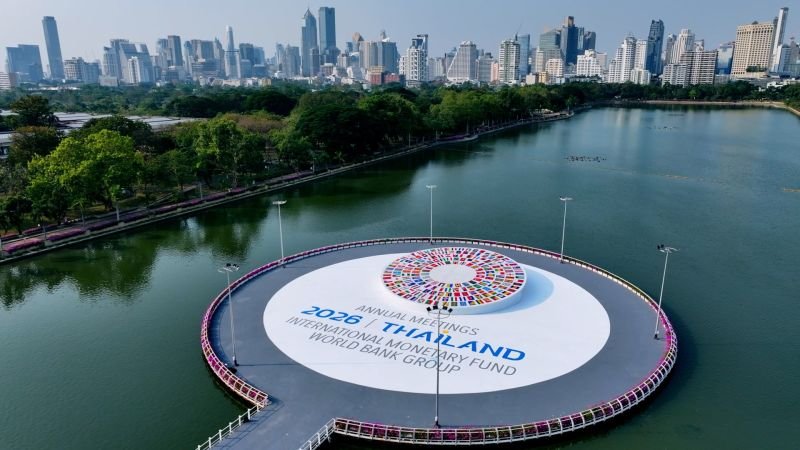
    Bangkok, Thailand — The world’s top financial institutions, the International Monetary Fund (IMF) and the World Bank, are set to hold their Annual Meetings 2026 in Bangkok from 12–18 October, in what promises to be one of the most important economic and political gatherings of the year.

    Finance ministers, central bank chiefs, business leaders, and country representatives will meet to discuss global growth, development financing, and strategies to tackle inflation and geopolitical risks.

    Thailand has highlighted the theme: “New Horizons: Resilience & Inclusive Growth,” aiming to emphasise international cooperation, economic resilience, and financial digitalisation. The country hopes the event will strengthen its global profile.

    The meetings come amid global economic uncertainty. Both institutions are focusing on challenges such as market volatility, inflationary pressures, and global trade imbalances. The IMF has recently upgraded its global growth forecast for 2026 while highlighting innovation and technology, including AI, as key drivers of growth.

    Experts say the Bangkok meetings will not only shape financial policy but could also influence investment decisions, fiscal strategies in low-income nations, and international capital flows.

    With discussions centred on financial stability, inclusive growth, and digital transformation, the IMF–World Bank Annual Meetings 2026 are expected to draw significant global media attention and have a lasting impact on the international economic landscape.

  • Philippines Declares Energy Emergency as Oil Crisis Forces Hundreds of Gas Stations to Shut Down

    Philippines Declares Energy Emergency as Oil Crisis Forces Hundreds of Gas Stations to Shut Down

    The Philippines is facing a deepening energy crisis, as surging global oil prices and supply disruptions trigger widespread fuel shortages forcing hundreds of gas stations nationwide to shut down.

    President Ferdinand Marcos Jr. has declared a national energy emergency, granting the government expanded powers to secure fuel supplies, regulate distribution, and curb hoarding. The move comes as the global oil market reels from the ongoing Middle East conflict 2026 oil disruption, which has disrupted key supply routes.

    At the center of the disruption is the Strait of Hormuz, a critical artery for global oil shipments. Ongoing tensions have significantly reduced supply, sending prices soaring and hitting import-dependent nations hardest.

    The Philippines where roughly 90% of oil is imported has emerged as one of the most vulnerable countries in Asia. Officials warn that fuel reserves may last only around 45 days, raising fears of prolonged shortages if new supply cannot be secured.

    Over 400 Gas Stations Shut Down

    The crisis has already translated into visible disruptions across the country. According to the Philippine National Police, at least 403 gasoline stations have temporarily ceased operations due to rising fuel costs and supply instability.

    The number has surged rapidly from just 273 closures days earlier, highlighting how quickly the situation is deteriorating. Authorities are now investigating whether some shutdowns are linked to hoarding or price manipulation.

    With more than 14,000 fuel stations nationwide, the closures represent a growing strain on distribution networks and access to fuel, particularly in regional areas.

    Rising Prices and Economic Pressure

    Fuel prices have spiked sharply, driving up transportation and logistics costs and increasing the risk of inflation. Public transport operators have warned of strikes, while airlines face potential disruptions due to tightening jet fuel supplies.

    The government is now scrambling to secure alternative sources, including exploring imports from non-traditional and politically sensitive suppliers. Emergency measures under consideration include fuel subsidies, reduced working days, and nationwide energy-saving policies.

    A Critical Moment Ahead

    Economists warn that the crisis could ripple across the broader economy impacting food prices, electricity costs, and currency stability. With the peso under pressure and import costs rising, the economic outlook remains fragile.

    For the Philippines, the coming weeks will be decisive. If global supply disruptions persist, the country may be forced into more drastic measures, including fuel rationing and stricter energy controls.

  • Global Markets Whipsawed as Oil Shock, Rate Bets Drive Volatility

    Global Markets Whipsawed as Oil Shock, Rate Bets Drive Volatility

    24 March 2026

    Global financial markets are experiencing heightened volatility, driven by rising oil prices, geopolitical tensions, and changing expectations for interest rates.

    Crude oil has risen above $100 a barrel, increasing costs for businesses and households and putting upward pressure on inflation worldwide. The energy shock has intensified concerns over economic growth, particularly in emerging markets that rely heavily on oil imports.

    Stock markets have been unpredictable, with gains often reversed as investors react to news on international tensions and economic indicators. Emerging markets are seeing significant capital outflows, while developed markets are adjusting to tighter financial conditions and higher bond yields.

    Central banks in major economies are under pressure to maintain higher interest rates to contain inflation, delaying expectations of any rate cuts. The repricing of monetary policy has affected global liquidity and increased borrowing costs, contributing further to market uncertainty.

    In response to rising risk, investors are increasingly moving into safe-haven assets, such as the US dollar and gold, while riskier assets, including technology and growth stocks, face downward pressure.

    Analysts warn that markets are likely to remain volatile in the near term, as developments in energy prices and geopolitical events continue to influence investor sentiment and global financial conditions.

  • Global Oil Reserve Strain Hits Asia’s Most Vulnerable Economies

    Global Oil Reserve Strain Hits Asia’s Most Vulnerable Economies

    March 24, 2026

    A deepening global energy crisis is placing unprecedented pressure on oil reserves, with import-dependent Asian economies particularly Japan, South Korea, and Bangladesh among the hardest hit.

    The latest war has disrupt key Middle Eastern supply routes, especially the Strait of Hormuz. This has sharply reduced global oil flows, triggering supply fears and price volatility.

    Japan has begun drawing from its strategic reserves and coordinating with private refiners to release stockpiled crude, while also securing alternative shipments from Southeast Asia and the United States. South Korea has launched nationwide energy-saving campaigns, including fuel rationing guidelines, reduced public sector energy use, and efforts to restart nuclear reactors to offset oil demand.

    In Bangladesh, authorities have moved to cut fuel subsidies, implement rolling power outages, and prioritize energy supply for essential industries as import costs surge and reserves remain limited. Petrol station in the country may even faced temporary closure due to shortage of supply.

    Other Asian economies are also taking emergency steps. Pakistan is imposing stricter fuel import controls, raising domestic fuel prices, and seeking financial assistance to manage rising costs. Sri Lanka has reintroduced fuel rationing, limited non-essential transport, and expanded reliance on emergency credit lines for energy imports.

    In Southeast Asia, Philippines has increased fuel subsidies for public transport and is considering temporary tax relief on oil products, while Thailand is tapping its oil fund to cap diesel prices and encouraging reduced consumption across industries.

    The International Energy Agency and partner nations have coordinated emergency reserve releases, but analysts warn these measures may provide only short-term relief if disruptions persist.

    The crisis underscores widening global energy inequality, with wealthier nations better equipped to absorb shocks while developing economies face deeper and more prolonged economic impacts.