March 26, 2026
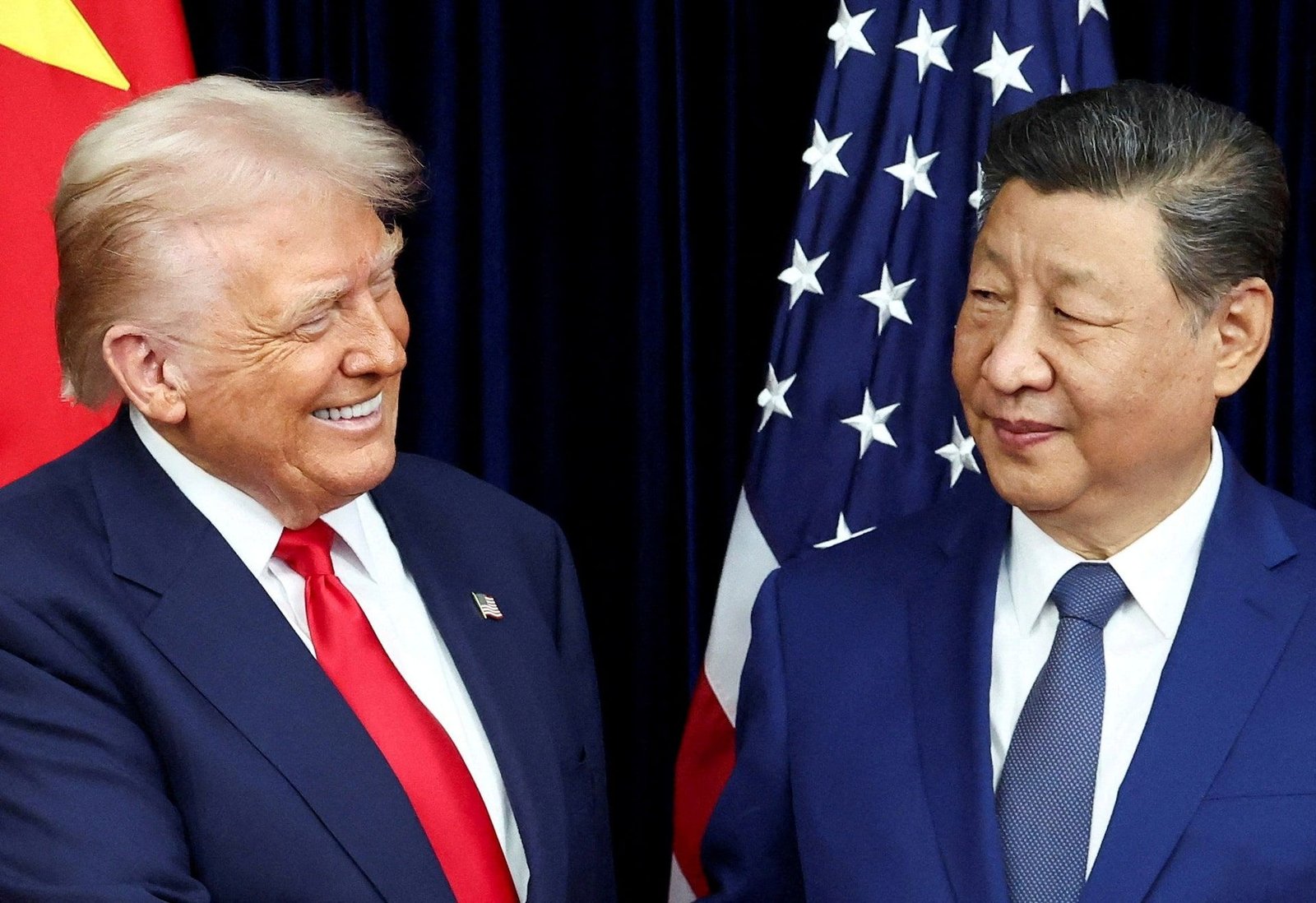
As the world’s attention remains consumed by escalating conflict in the Middle East, a quieter but strategically significant development is unfolding: the possibility of a U.S. visit by Chinese President Xi Jin Ping, reportedly at the invitation of Donald Trump, according to the BBC News.
At first glance, the timing feels almost discordant. War dominates headlines, shapes oil markets, and dictates military postures. Diplomacy, by contrast, appears slow, procedural and almost secondary. But that interpretation misses the deeper reality. Moments like these, emerging amid crisis, are precisely when great power relationships matter most.
The potential visit, still unconfirmed, is being framed as part of a reciprocal diplomatic exchange between Washington and Beijing. On paper, it is a routine gesture. In practice, it is anything but.
For years, U.S.-China relations have been defined less by cooperation than by managed hostility, trade wars, technological decoupling, and strategic rivalry across the Indo-Pacific. The mere suggestion of renewed leader-level engagement signals a recognition, however reluctant, that unchecked competition carries risks neither side can fully control.
And that recognition comes amid ongoing instability in the Middle East, where conflict continues to test the limits of international coordination. The contrast is striking: while one region burns, another axis of global power cautiously explores de-escalation. This is not a shift in attention, it is a reminder that the world’s crises are no longer isolated. They are layered, simultaneous, and increasingly interconnected.
The United States cannot engage in Middle Eastern conflict without considering China’s economic and diplomatic reach. Nor can China position itself as a stabilizing force globally while avoiding direct engagement with Washington. In that sense, a Xi visit is not a distraction from war, it is part of the broader architecture that will shape how such wars are contained, prolonged, or resolved.
Skeptics will argue that symbolism does not translate into substance. They are not wrong. A handshake does not resolve disputes over Taiwan, semiconductor controls, or military influence. But dismissing diplomacy because it is incomplete is a strategic mistake. In an era of multipolar tension, even limited dialogue is a form of risk management.
What makes this moment particularly significant is not certainty, but timing. According to the BBC, the talks are still in discussion, highlighting that even amid global conflict, the largest powers are quietly testing the boundaries of restraint.
Leave a Reply