4 April 2026
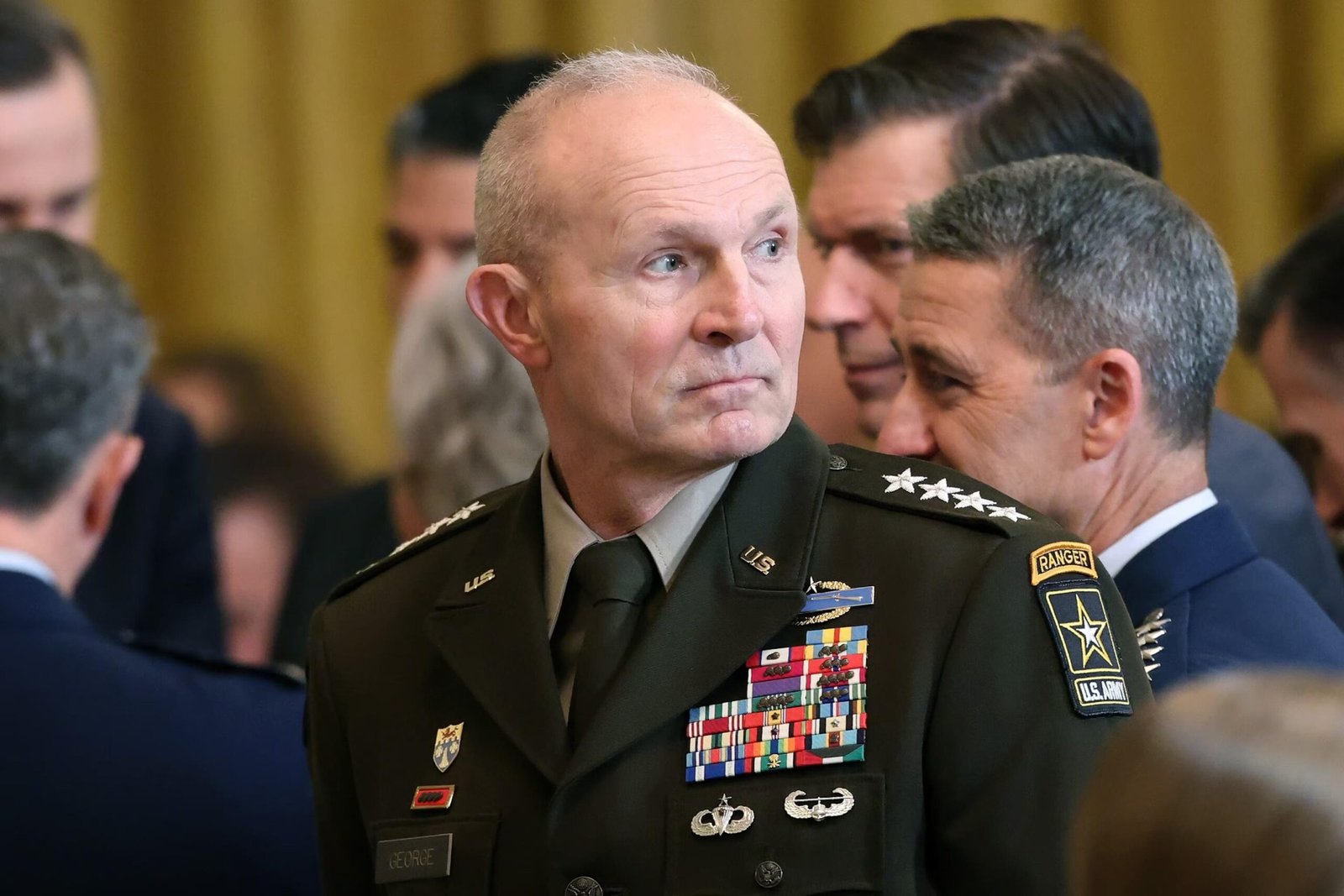
Defense Secretary Pete Hegseth has abruptly asked General Randy George, the Chief of Staff of the U.S. Army, to retire immediately as the United States continues its military operations related to the conflict with Iran. Two other senior Army officers, General David Hodne and Major General William Green Jr., were also removed from their posts in what has become one of the most significant leadership shake‑ups amid an active war.
This move, reported on April 2 and April 3, is unusual because top military commanders are rarely replaced so suddenly during a major conflict. George was appointed as Army chief of staff in 2023 and was expected to serve a full four‑year term before being confronted with an unexpected early retirement.
The Pentagon has expressed appreciation for General George’s decades of service, but officials have not publicly disclosed a detailed reason for the removals. A Pentagon spokesperson said George “will be retiring from his position as the 41st Chief of Staff of the Army effective immediately.”
The timing of these changes has fueled speculation and debate. Some analysts note that Defense Secretary Hegseth has pushed a broader strategy of personnel changes since taking office, including the removal of other senior military leaders, as part of efforts to shape the Pentagon in line with the current administration’s security outlook. Reports suggest that Hegseth intends to install leaders who more closely align with his and President Donald Trump’s vision for the Army.
The removal of a service chief and other senior officers during wartime inevitably raises questions about the relationship between political leadership and military command. The conflict in Iran, now entering its fifth week with no clear end in sight, remains a central focus of U.S. strategic planning. Observers say that changes in senior command while such operations are underway may reflect underlying differences in strategic direction, even if specific disagreements have not been publicly confirmed.
International attention has also turned to the succession. General Christopher LaNeve, formerly vice chief of staff of the Army and a trusted aide to Hegseth, will serve as acting chief of staff. This rapid elevation of a close associate of the defense secretary highlights how personnel decisions at the Pentagon can shape perceptions of U.S. military priorities on the global stage.
Critics of the shake‑up argue that replacing senior commanders in the middle of a major conflict could disrupt continuity and strategic coherence, complicate coordination with U.S. allies, and raise questions about whether political considerations are influencing military leadership decisions. Supporters of the actions maintain that civilian leadership has the authority to appoint commanders who reflect the strategic objectives of the administration.
The sudden retirements of these top officers serve as a reminder that the interface between political direction and military judgment is a sensitive and consequential aspect of national strategy. As the Pentagon navigates both external conflict and internal leadership transitions, the world is watching how these decisions will influence the conduct of the war and the broader image of U.S. military leadership.
Leave a Reply