New York, 7 April 2026
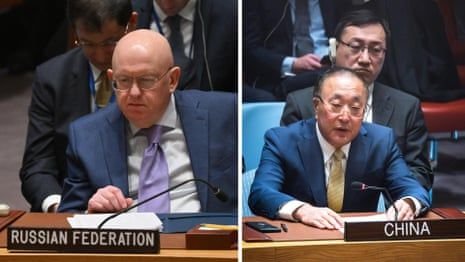
A high-stakes meeting at the United Nations Security Council has exposed deep global divisions after Russia and China vetoed a Western-backed resolution aimed at securing shipping routes through the Strait of Hormuz. The move has intensified debate over whether the proposal was a necessary step to protect global stability or a politically charged measure that risked escalating conflict in the Middle East.
The resolution, introduced with strong backing from the United States and its allies, called for international cooperation to safeguard commercial vessels and ensure the continued flow of goods through one of the world’s most critical oil chokepoints. The Strait of Hormuz carries nearly a fifth of global oil supply, making any disruption a significant threat to the global economy. Supporters argued that recent actions attributed to Iran had effectively restricted maritime traffic, driving up energy prices and increasing the risk of humanitarian consequences.
U.S. representatives at the council condemned the veto, stating that the resolution was purely defensive and aimed at maintaining international law and freedom of navigation. British officials echoed this stance, warning that failure to act could embolden further disruptions and destabilize global markets. “The world cannot afford inaction when a vital economic artery is under threat,” one Western diplomat said, emphasizing that the proposal sought to prevent escalation rather than provoke it.
However, Russia and China presented a sharply different view. Both nations criticized the resolution as one-sided and politically motivated, arguing that it unfairly singled out Iran without addressing broader regional tensions. According to their representatives, the proposal risked being used as a pretext for military intervention, potentially worsening an already volatile situation.
Moscow’s envoy stressed that any meaningful solution must include dialogue and acknowledge the security concerns of all parties involved, including Iran. Beijing similarly called for restraint, urging the international community to prioritize diplomacy over coercive measures. Both countries maintained that the Security Council should not endorse actions that could deepen geopolitical divides or legitimize force.
Iran welcomed the veto, describing the resolution as an attempt to justify external pressure and interference. Officials in Tehran have repeatedly denied accusations of unlawfully disrupting shipping, instead framing their actions as defensive responses to foreign military presence in the region.
The veto underscores a broader pattern within the Security Council, where major powers increasingly clash over how to address global crises. While Western nations argue that decisive action is needed to uphold international norms, Russia and China often advocate for a more cautious approach that emphasizes sovereignty and negotiation.
As tensions in the Middle East continue to rise, the deadlock at the United Nations raises questions about the council’s ability to respond effectively to urgent global challenges. With no consensus in sight, the situation in the Strait of Hormuz remains uncertain—leaving the world’s energy security and geopolitical stability hanging in the balance.
Leave a Reply