18 April 2026
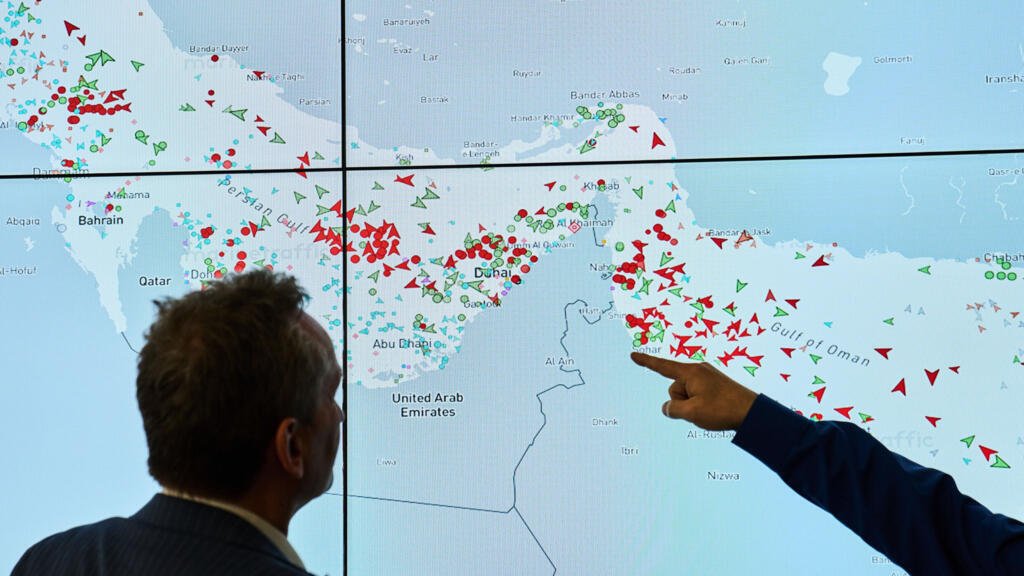
The strategic Strait of Hormuz has reopened to commercial shipping following a newly announced ceasefire tied to escalating tensions between Iran, Israel, and the United States, offering a brief moment of relief to global markets and regional actors. The reopening comes as part of a broader 10-day ceasefire agreement between Israel and Lebanon, raising cautious optimism that the conflict, which has intensified in recent weeks, may be entering a period of de-escalation.
Iranian authorities confirmed that vessels are once again permitted to transit through the narrow but critical waterway, which carries roughly a fifth of the world’s oil supply. The move is widely seen as a signal of temporary restraint, as the Strait of Hormuz has long been a flashpoint during periods of confrontation involving Tehran and Western powers. Any disruption to this route has immediate and far-reaching consequences for global energy markets, making its reopening a significant development.
The ceasefire itself follows weeks of heavy fighting between Israeli forces and armed groups in southern Lebanon. According to regional reports, more than 2,000 people have been killed since early March, with thousands more displaced amid sustained airstrikes and cross-border exchanges. The agreement, though limited in duration, has brought a halt to active hostilities, allowing humanitarian aid to reach affected populations and providing civilians with a brief reprieve from violence.
Despite these developments, the broader geopolitical situation remains highly volatile. The United States has maintained its firm stance against Iran, with former President Donald Trump stating that the ongoing naval blockade targeting Iranian trade routes will remain in place until a comprehensive agreement is reached. This position underscores Washington’s continued strategy of exerting economic and military pressure on Tehran, even as diplomatic signals suggest that negotiations may be underway.
Analysts note that the reopening of the Strait of Hormuz does not necessarily indicate a long-term shift in Iran’s posture. Rather, it reflects a tactical decision aligned with the ceasefire timeline. Should hostilities resume or negotiations collapse, the waterway could once again become a focal point of confrontation.
The temporary nature of the arrangement has left shipping companies and insurers cautious, with many closely monitoring the situation before fully resuming operations.Meanwhile, global oil markets have responded with measured relief. Prices, which had surged amid fears of a prolonged closure, began to stabilize following the announcement. However, experts warn that volatility is likely to persist given the fragile security environment and the possibility of renewed escalation once the ceasefire expires.
Regional leaders and international organizations have called for efforts to extend the ceasefire and transition toward a more durable political solution. The United Nations has urged all parties to engage in dialogue and avoid actions that could reignite hostilities. Humanitarian groups have also emphasized the need for sustained access to conflict zones, warning that a return to fighting would further deepen the crisis.
For now, the reopening of one of the world’s most vital maritime corridors and the temporary cessation of violence offer a rare window of calm in an otherwise tense region. Whether this moment can be transformed into lasting peace remains uncertain, as underlying tensions between Iran, Israel, and the United States continue to shape the trajectory of the conflict.
Leave a Reply