The Strait of Hormuz has reopened to global shipping following a temporary ceasefire between Iran and the United States, offering short-term relief to global oil markets. However, strong warnings from Iranian parliament leadership have underscored the fragility of the situation, raising concerns that the calm may not last.
Iranian officials confirmed that the strategic waterway is open for commercial vessels during the ceasefire period, allowing oil tankers to resume movement through one of the world’s most critical energy routes. The Strait of Hormuz carries roughly one-fifth of global oil supply, making any disruption a major risk to global energy stability.
The reopening immediately affected oil markets. Prices, which had surged during the peak of military tensions, dropped sharply by around 10 percent after the announcement, as fears of a supply shock eased.
Despite this, the situation remains highly unstable. The United States has continued its naval blockade on Iranian ports, maintaining pressure on Tehran even as the ceasefire holds. This has created a mixed environment for global markets: shipping routes are open, but Iranian oil exports remain restricted.
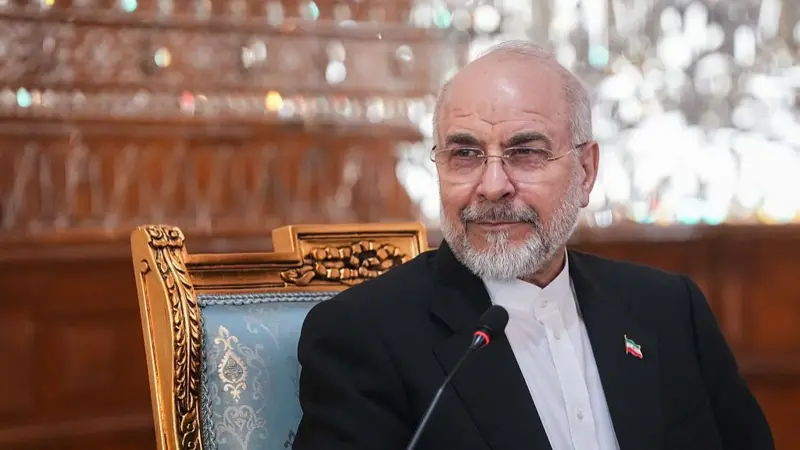
Iran’s parliament speaker, Mohammad-Bagher Ghalibaf, issued a stark warning that the reopening of the Strait may only be temporary. In a statement, he said, “With the continuation of the blockade, the Strait of Hormuz will not remain open.”
He further criticized the United States, dismissing its claims about negotiations and adding that Washington’s statements were “false,” signaling deep mistrust between the two sides.
These remarks have added uncertainty to global oil markets. While the reopening of the Strait reduces immediate supply risks, the possibility of renewed closure continues to weigh heavily on traders and investors. Energy analysts describe the current situation as a “temporary stabilization,” rather than a full recovery.
The dual developments open shipping lanes but continued geopolitical tension have resulted in fluctuating oil prices. Markets initially reacted positively, but volatility persists as traders assess the likelihood of further escalation. Any renewed threat to the Strait could quickly reverse the recent price drop and trigger another surge.
Globally, the effects are already being felt. Oil importing countries, including Malaysia, are particularly vulnerable to sudden price changes. Lower prices may offer short-term relief, but continued uncertainty makes long-term planning difficult. Rising oil costs, if tensions escalate again, could lead to higher fuel prices, increased transportation costs, and broader inflation.
At the same time, oil-producing nations face a complex situation. While higher prices can increase revenue, instability in key shipping routes discourages investment and disrupts supply chains. Shipping companies also remain cautious, with some hesitant to fully resume operations due to lingering security risks in the region.
Diplomatic efforts are ongoing, with international actors urging both Iran and the United States to move toward a more permanent agreement. However, recent failed negotiations and strong rhetoric from both sides suggest that a lasting resolution may take time.
In conclusion, the reopening of the Strait of Hormuz has brought temporary relief to global oil markets, but the warning from Iran’s parliament highlights how fragile the situation remains. Oil prices may stabilize in the short term, but they are likely to remain volatile as long as tensions between Iran and the United States continue.
Leave a Reply