Manila / Kuala Lumpur, 29 March 2026
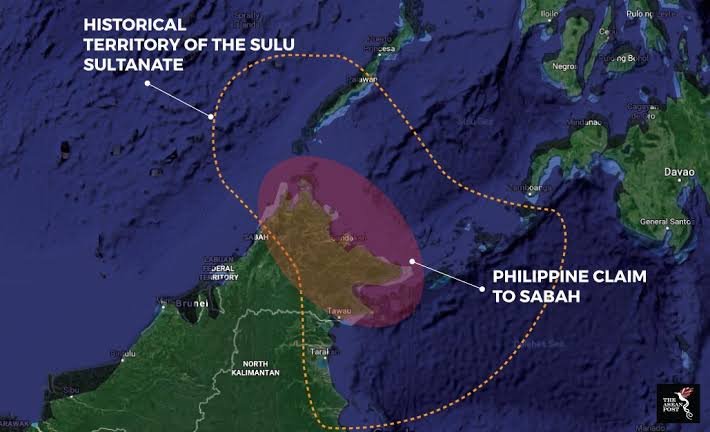
In a development that has reignited a decades‑old territorial dispute, the Philippines formally submitted a note verbale to the United Nations on 19 March 2026, reaffirming its sovereignty claim over Sabah, the Malaysian state on the island of Borneo. The diplomatic communication, issued by the Philippine Permanent Mission to the UN, stated that Manila “has never relinquished its sovereignty” over North Borneo (as Sabah was previously known), citing historical agreements including the 1963 Manila Accord as the legal foundation for its position. The move was part of a broader submission that also touched on Manila’s bid to extend its continental shelf in the West Philippine Sea.
The issue was further fuelled when Robin Padilla publicly called on the Philippine government to revive Manila’s territorial claim over Sabah on 28 March this year, arguing that the region historically belonged to the Sultanate of Sulu and should be reasserted in diplomatic discussions. His remarks drew strong criticism in Malaysia, with political parties and civil groups dismissing the statement as misguided political rhetoric that does not reflect official Philippine foreign policy and affirming that Sabah’s status as part of Malaysia is settled and recognised under international law.
Malaysia’s Government Responds Firmly
The revival of Manila’s claim prompted a swift and firm response from Kuala Lumpur. On 28 March 2026, Malaysia’s Foreign Minister Datuk Seri Mohamad Hasan announced that the government would send a formal diplomatic note to the Philippines rejecting any renewed claims on Sabah as “unfounded” and inconsistent with international law and historical facts. He stressed that Sabah’s status as part of the Federation of Malaysia was final, following a legitimate process verified by the United Nations during the formation of Malaysia in 1963.
Minister Mohamad described the recent political calls within the Philippines to resurrect the Sabah claim as a domestic political issue rather than an official government position, asserting that statements by individual lawmakers do not reflect Manila’s formal foreign policy. He added that such rhetoric should not strain the generally cordial bilateral ties between the two Southeast Asian nations, especially as the Philippines holds the ASEAN chairmanship this year.
Analysts note that while the Philippines’ UN communication highlights its historical stance, the renewed claim is unlikely to lead to international legal action or changes on the ground, given the long‑standing consensus on Sabah’s status and its constitutional integration into Malaysia.
Leave a Reply