Islamabad, 29 March 2026
Pakistan has emerged as a key diplomatic player in the escalating Middle East crisis, hosting urgent talks aimed at easing tensions between Iran and the United States, even as fighting continues across the region.
Over the weekend, senior officials from Saudi Arabia, Turkey, and Egypt gathered in Islamabad for high-level discussions focused on de-escalating the ongoing Iran war, which has already claimed thousands of lives and disrupted global energy supplies. The talks, led by Pakistan, are part of a broader effort to create a pathway toward indirect negotiations between Washington and Tehran.
Notably, neither the United States nor Iran attended the Islamabad meeting directly, highlighting the sensitive nature of the diplomacy. Instead, Pakistan has taken on the role of a go-between, relaying proposals and messages between both sides in an attempt to build trust and open the door to formal talks.
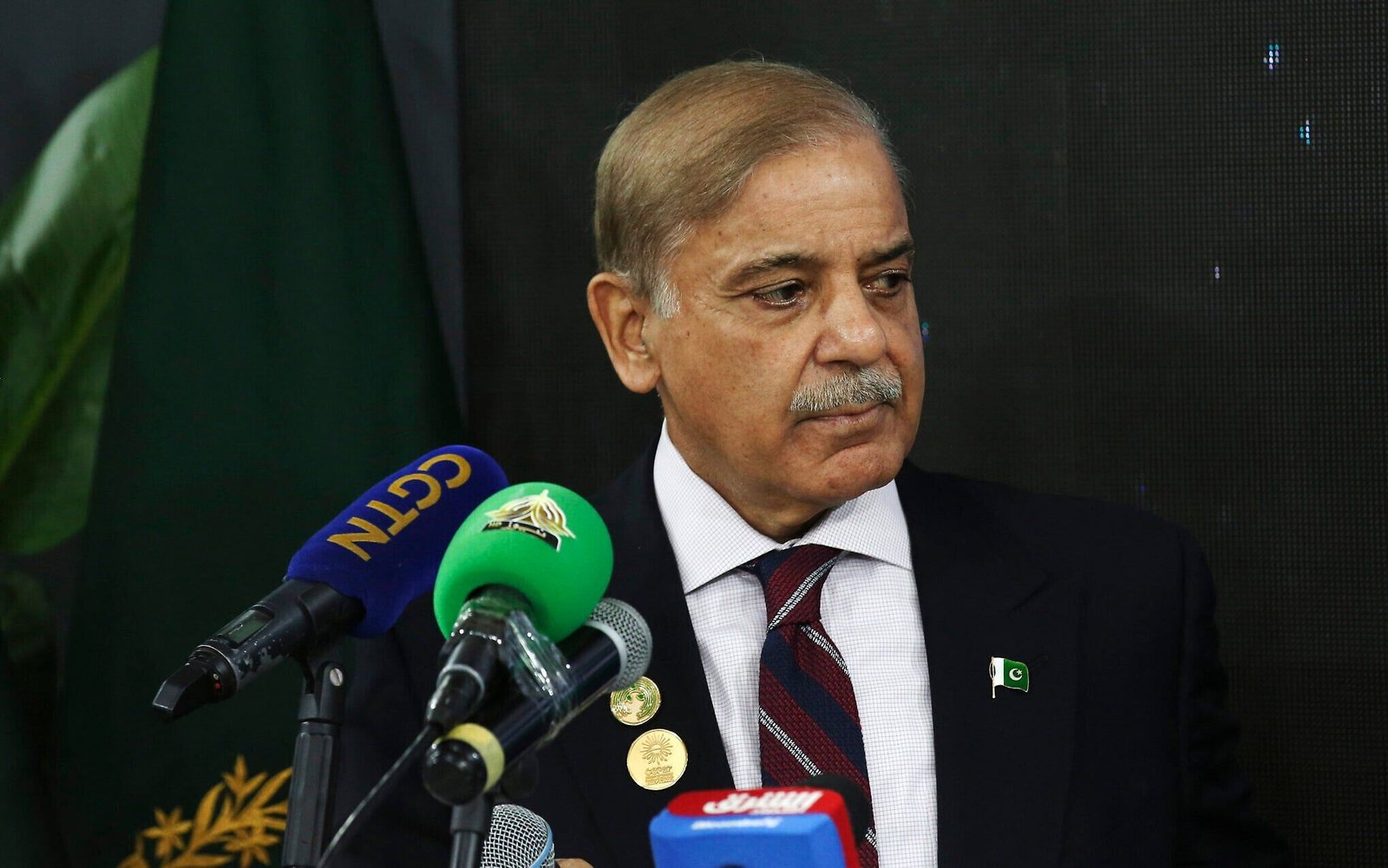
Prime Minister Shehbaz Sharif has also engaged directly with Iranian leadership, reinforcing Pakistan’s willingness to facilitate dialogue. Officials in Islamabad have repeatedly stated they are prepared to host direct negotiations if both sides agree, positioning the country as a neutral venue for peace efforts.
However, progress remains limited. Iran has expressed skepticism over recent U.S. proposals, reportedly rejecting elements of a peace framework as “one-sided,” while continuing to demand security guarantees and an end to ongoing attacks before committing to negotiations.
The situation is further complicated by continued military escalation. Israeli airstrikes on Iranian targets and a growing U.S. troop presence in the region have undermined diplomatic momentum, with Tehran warning that trust cannot be built under sustained pressure.
Despite these challenges, Pakistan’s mediation has produced small but notable developments. In one instance, Iran agreed to allow limited passage for Pakistani ships through the strategically vital Strait of Hormuz, signaling a willingness to maintain cooperation with Islamabad even amid broader tensions.
Analysts say Pakistan’s involvement reflects both opportunity and necessity. With strong ties to Gulf states and a working relationship with Iran, Islamabad is uniquely positioned to act as a bridge. At the same time, it faces growing pressure to prevent the conflict from spilling over into South Asia or disrupting its own economic stability.
For now, Pakistan’s diplomatic push continues, but with war still raging, the path to meaningful negotiations remains uncertain.
Leave a Reply