Washington, 30 March, 2026
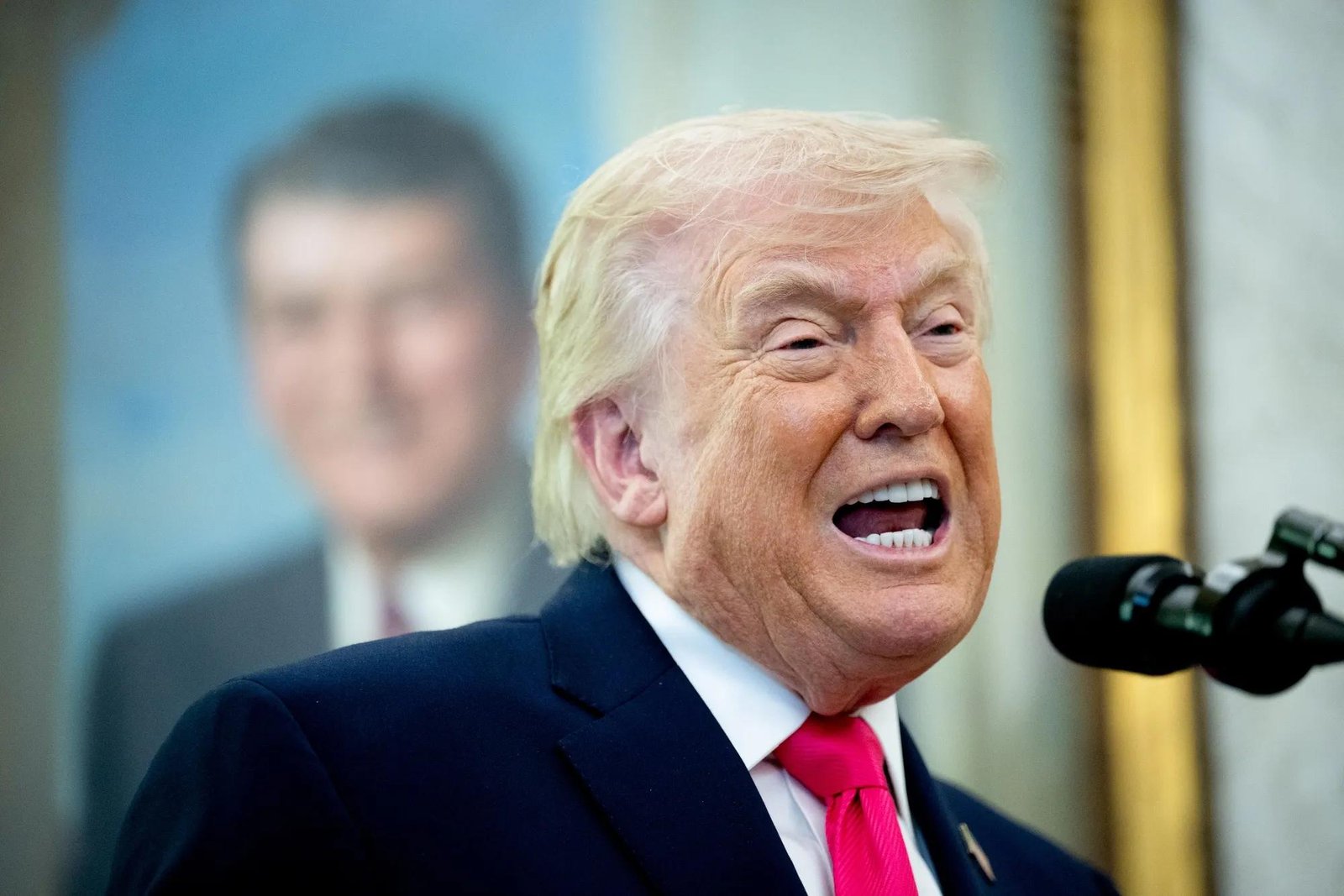
Donald Trump has ignited fresh geopolitical tensions after declaring that the United States could “take the oil in Iran,” a statement that has drawn sharp reactions from global leaders and sent energy markets into turmoil.
Speaking in a series of interviews, Trump suggested that U.S. forces could seize critical Iranian oil infrastructure, including the strategic Kharg Island, which handles a large share of Iran’s crude exports. He described the move as potentially straightforward, despite warnings from Tehran of severe retaliation.
The remarks come amid an already fragile situation in the Middle East, where tensions between Washington and Iran have escalated in recent weeks. Iranian officials responded swiftly, condemning the comments and warning that any attempt to seize national resources would be met with force. Analysts note that such rhetoric risks pushing the region closer to direct confrontation.
Global oil markets reacted immediately. Brent crude prices surged past $115 per barrel following Trump’s comments, reflecting fears of supply disruptions. Much of the concern centers around the Strait of Hormuz, a vital shipping route through which a significant portion of the world’s oil supply passes. Any instability in the area could have far-reaching consequences for global energy security.
Financial markets across Asia also declined, with investors reacting to the growing uncertainty. Economists warn that prolonged instability could drive oil prices even higher, potentially reaching $150 per barrel, and trigger inflationary pressures worldwide.
Critics argue that Trump’s proposal could violate international law and further destabilize the region. “Seizing another country’s natural resources is not only provocative but dangerous,” one policy expert noted, emphasizing the risk of a broader regional conflict.
However, Trump defended his position, framing it as part of a broader strategy to exert pressure on Iran. His stance aligns with his long-standing hardline approach, often referred to as “maximum pressure,” aimed at curbing Iran’s regional influence.
As tensions rise, global leaders are calling for restraint and renewed diplomatic engagement. With markets on edge and military risks increasing, Trump’s remarks have added a new layer of uncertainty to an already volatile international landscape.
Leave a Reply