19 April 2026
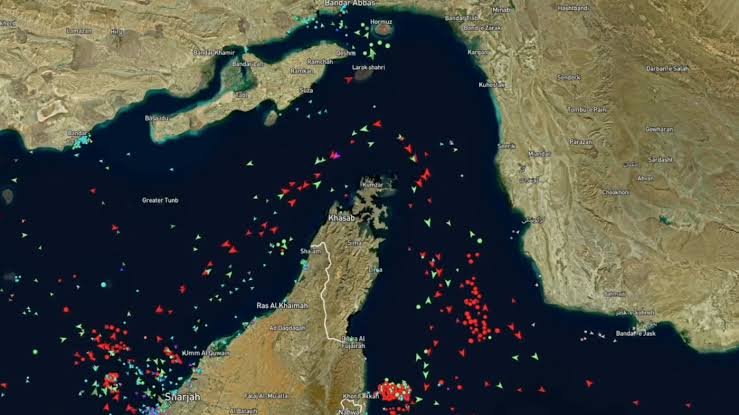
The crisis in the Middle East has deepened sharply after Iran once again moved to close the strategically vital Strait of Hormuz, triggering fresh concerns about global energy supplies and the possibility of a broader war involving the United States and Israel.Iranian authorities announced the renewed closure on April 18, stating that the move was a direct response to what they describe as an ongoing U.S. naval blockade and continued military pressure. The decision came just days after the waterway had briefly reopened during a fragile pause in fighting, highlighting how quickly the situation is deteriorating.The Strait of Hormuz is one of the most critical shipping routes in the world, with roughly one-fifth of global oil consumption passing through it daily. Any disruption to traffic in the narrow channel immediately sends shockwaves through international markets. Early reactions have already shown rising oil prices and increased volatility, as traders brace for prolonged instability.
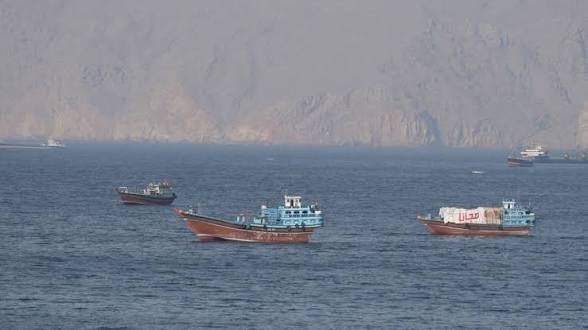
Reports indicate that Iranian forces have taken an aggressive posture in the area, with incidents involving commercial vessels adding to the tension. While full details remain unclear, the presence of military assets from multiple countries has significantly raised the risk of miscalculation.
At the same time, the United States and Israel are maintaining a high level of military readiness. Both countries have already been involved in earlier strikes targeting Iranian-linked facilities, and officials have signaled that further action remains an option if the situation escalates. However, there has been no formal announcement of a new large-scale offensive at this stage.
The current standoff is part of a broader and ongoing confrontation that has unfolded over recent weeks. What began as targeted exchanges has gradually expanded into a more complex conflict involving multiple fronts and actors. Analysts warn that the repeated opening and closing of the strait reflects a strategic tug-of-war, with Iran using its geographic advantage to apply economic pressure while the U.S. and its allies attempt to maintain freedom of navigation.
Despite the rising tensions, diplomatic efforts have not completely collapsed. Several countries are actively pushing for renewed negotiations, hoping to prevent the crisis from spiraling into a full-scale regional war. Backchannel communications and proposed ceasefire frameworks are reportedly under discussion, though progress remains uncertain.
The stakes are particularly high for the global economy. Any prolonged closure of the strait could disrupt energy supplies not only to major economies in Asia, but also to Europe and beyond. For countries like Malaysia, which rely on stable global oil markets, the ripple effects could include higher fuel prices and increased cost of living.
Security experts caution that the situation remains highly unpredictable. A single incident such as an attack on a tanker or a direct clash between military forces could rapidly escalate into a wider confrontation. At the same time, the presence of ongoing diplomatic initiatives suggests that there is still a narrow path toward de-escalation.
For now, the world is watching closely as events unfold around the Strait of Hormuz. Whether the crisis moves toward negotiation or further conflict will likely depend on decisions made in the coming days by Tehran, Washington, and Tel Aviv.
Leave a Reply