Author: Amierul Azim

  • ICC Confirms Crimes Against Humanity Trial for Rodrigo Duterte Over Deadly Drug War

    ICC Confirms Crimes Against Humanity Trial for Rodrigo Duterte Over Deadly Drug War

    Hague, 23 April 2026

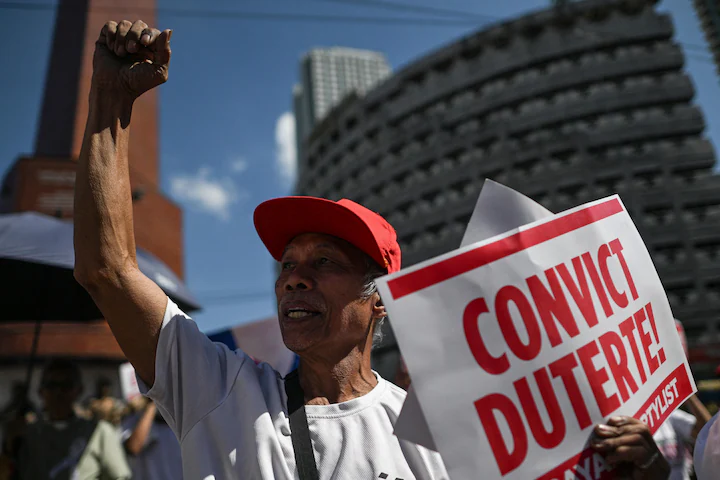
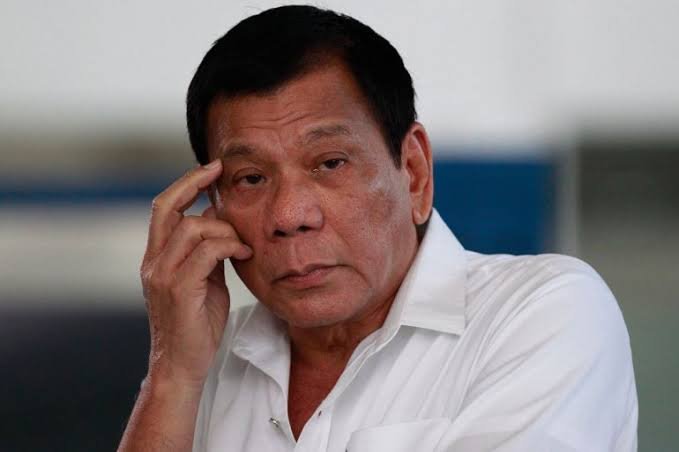
    The International Criminal Court has confirmed that former Philippine president Rodrigo Duterte will stand trial for crimes against humanity, in a landmark decision tied to his controversial anti-drug campaign that left thousands dead.

    In a ruling issued on April 23, judges at the Hague-based court said there are “substantial grounds” to believe Duterte bears criminal responsibility for a series of killings carried out during his presidency from 2016 to 2022. The confirmation of charges moves the case into the trial phase, where prosecutors will attempt to prove allegations of murder and attempted murder beyond reasonable doubt.

    The charges stem from Duterte’s widely criticised “war on drugs,” which human rights groups say resulted in widespread extrajudicial killings across the Philippines. While the ICC case currently focuses on at least 76 killings and two attempted killings, investigators argue these incidents form part of a broader, systematic campaign targeting suspected drug offenders.

    Prosecutors told the court that the violence was not random but part of an organised policy to “neutralise” individuals believed to be involved in illegal drugs. Evidence presented includes witness testimonies, official records, and Duterte’s own public statements during his time in office, some of which critics say appeared to encourage the use of lethal force.

    Duterte has strongly denied all allegations. His legal team argues that he neither ordered nor condoned unlawful killings and insists the case relies on unreliable witnesses, including individuals with criminal backgrounds. They also maintain that many of Duterte’s controversial remarks were rhetorical in nature and taken out of context.

    The former president is currently in detention in The Hague, where the ICC is based. He has waived his right to attend some earlier proceedings but is expected to be represented by his defence team throughout the trial process.

    The case is considered historic. Duterte is the first former leader of the Philippines to be prosecuted at the ICC and one of the few Asian heads of state to face trial before the court. The decision also underscores the ICC’s jurisdiction over alleged crimes committed before a country withdraws from its authoritythe Philippines formally exited the court in 2019 during Duterte’s presidency.

    Human rights organisations and families of victims have welcomed the ruling, calling it a long-awaited step toward justice. Many have spent years campaigning for accountability, arguing that domestic investigations failed to adequately address the scale of the killings.

    Legal experts say the trial could take years to complete, given the complexity of the case and the volume of evidence expected to be presented. Once proceedings begin, both the prosecution and defence will call witnesses, examine evidence, and make their arguments before a panel of judges.

    A final verdict will determine whether Duterte is guilty of crimes against humanity. If convicted, he could face a lengthy prison sentence. However, the ICC’s confirmation of charges does not imply guilt but signals that the case has met the threshold required for a full trial.

    The upcoming proceedings are expected to draw global attention, as they test the reach of international justice and the ability of institutions like the ICC to hold powerful leaders accountable for alleged human rights violations.
  • Lebanon Crisis Deepens as Israeli Strikes Push Death Toll Beyond 2,400

    Lebanon Crisis Deepens as Israeli Strikes Push Death Toll Beyond 2,400

    22 April 2026

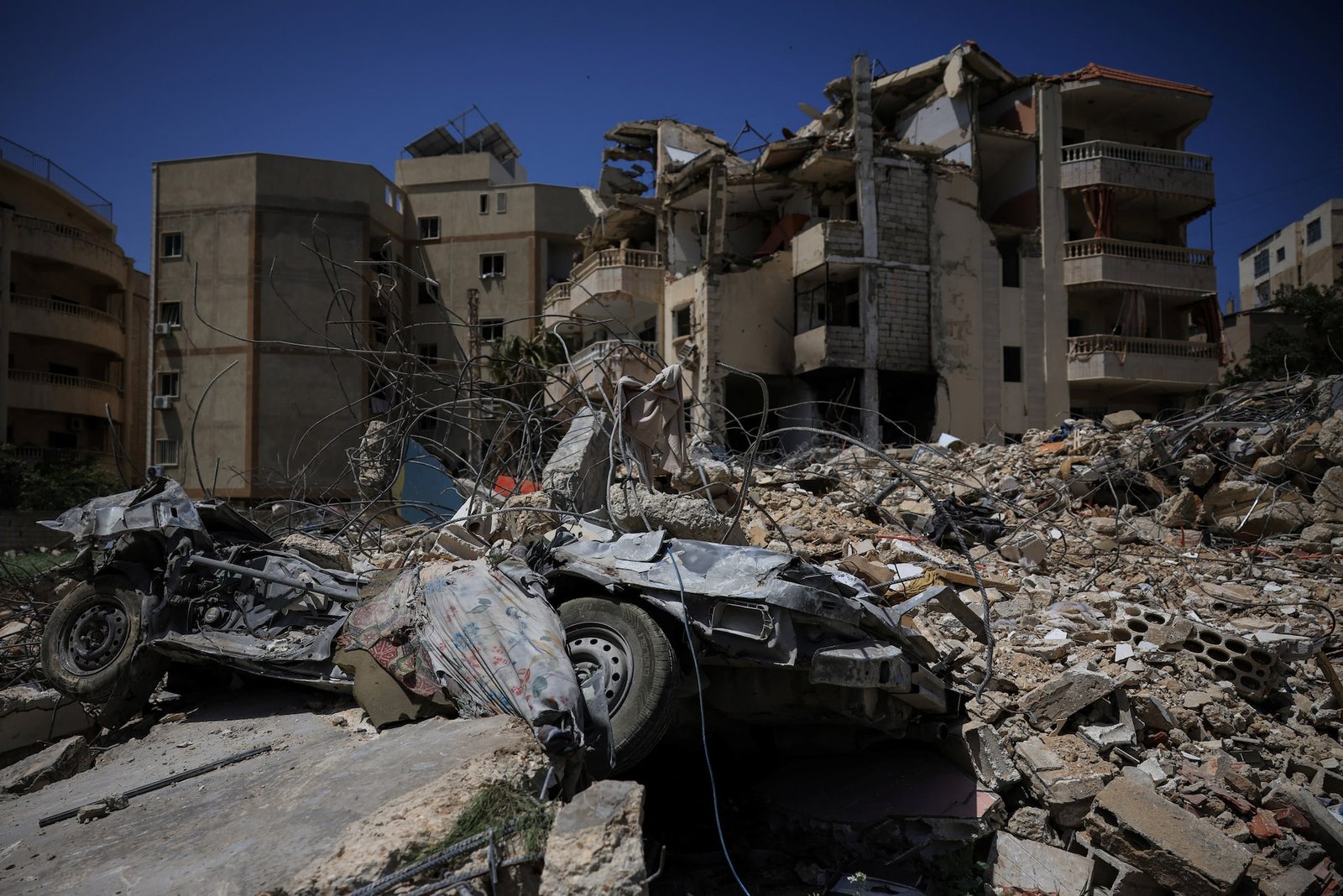
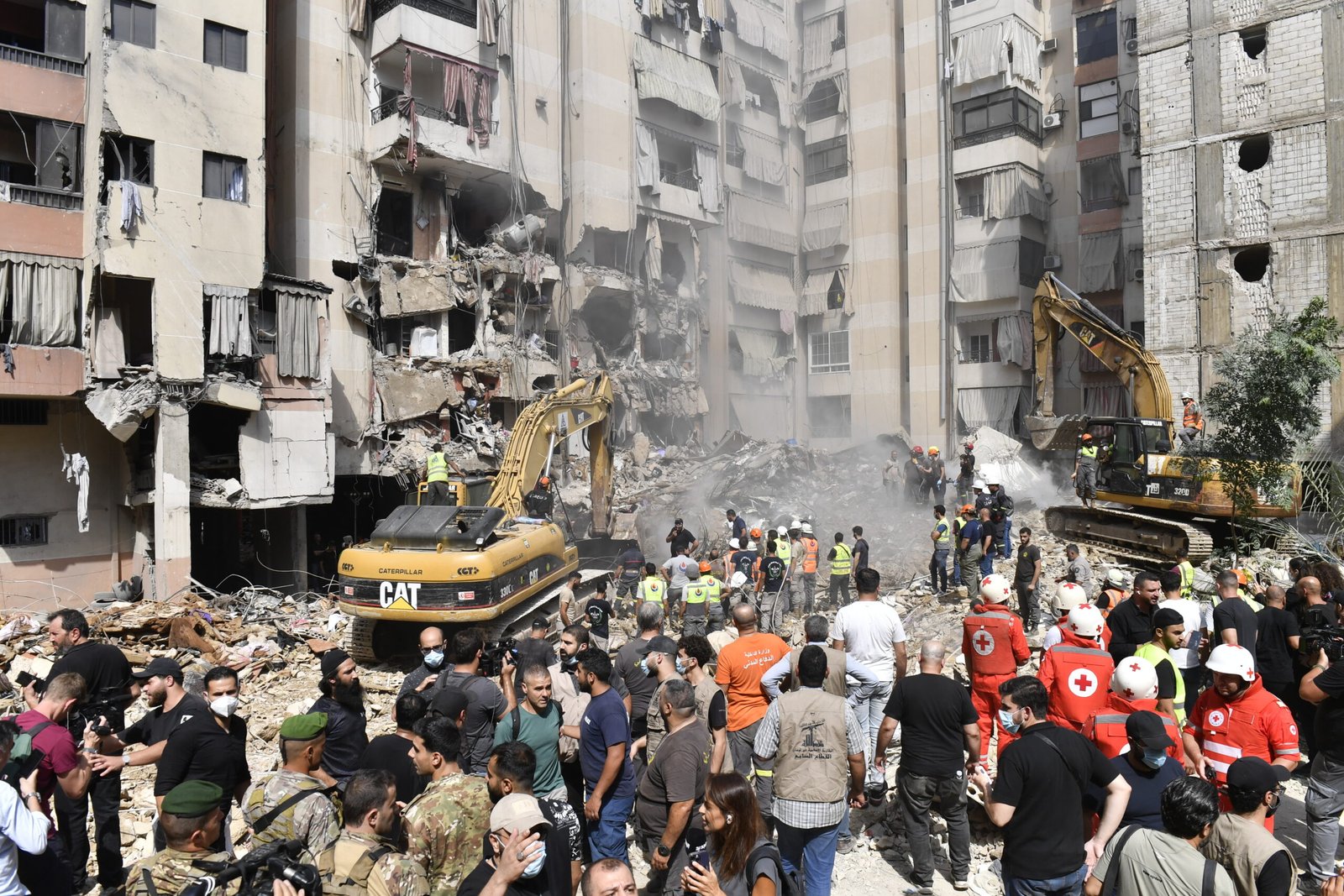
    The humanitarian crisis in Lebanon has reached alarming levels as ongoing Israeli military operations continue to drive up casualties, with the death toll now exceeding 2,400 and thousands more injured, according to the latest regional reports.

    The escalating violence is largely concentrated in southern Lebanon, where Israeli forces say they are targeting positions linked to Hezbollah. The Iran-backed group has been engaged in cross-border hostilities with Israel for months, and the latest wave of strikes marks one of the deadliest phases of the conflict in recent years.

    Health authorities report that at least 7,600 people have been injured, overwhelming hospitals and medical infrastructure already strained by years of economic crisis and political instability. Many healthcare facilities are struggling with shortages of essential supplies, including medicine, fuel, and medical personnel.

    Entire communities have been displaced as residents flee areas near the Israeli border. Thousands of families have sought refuge in safer regions or informal shelters, raising concerns about worsening living conditions and the potential spread of disease. Aid organizations warn that without immediate humanitarian assistance, the situation could deteriorate further in the coming weeks.

    Israel has defended its military actions, stating that its operations are aimed at neutralizing Hezbollah fighters and infrastructure. Officials claim that recent strikes have successfully eliminated several members of the group, though independent verification remains difficult amid restricted access to conflict zones.

    The Lebanese government has condemned the attacks, calling them disproportionate and harmful to civilians. However, its ability to respond effectively is limited by internal political divisions and economic collapse, which have left state institutions weakened and under-resourced.

    The broader regional context adds another layer of complexity. The conflict in Lebanon is unfolding alongside heightened tensions involving Iran, the United States, and Israel, raising fears that localized fighting could expand into a wider regional war. Hezbollah’s close ties to Tehran mean that any escalation could draw in additional actors, further destabilizing the region.

    International reactions have been mixed. Some countries have called for restraint and an immediate ceasefire, while others have reaffirmed Israel’s right to defend itself. Diplomatic efforts to de-escalate the situation have so far yielded little progress, with both sides continuing to exchange fire.

    Human rights organizations have raised concerns about the impact of the strikes on civilians, urging all parties to adhere to international humanitarian law. Reports of civilian casualties, damaged infrastructure, and disrupted access to basic services have intensified calls for accountability and protection measures.

    For ordinary Lebanese citizens, the crisis is another devastating chapter in a long history of conflict and hardship. Many are facing the loss of homes, livelihoods, and loved ones, with little clarity on when or how the violence will end.

    As the death toll continues to climb and displacement increases, the urgency for a diplomatic solution grows. Without meaningful intervention, the situation in Lebanon risks spiraling further out of control, with consequences that could extend far beyond its borders.

  • Iran Seizes Vessels in Strait of Hormuz, Raising Global Shipping and Oil Supply Fears

    Iran Seizes Vessels in Strait of Hormuz, Raising Global Shipping and Oil Supply Fears

    22 April 2026

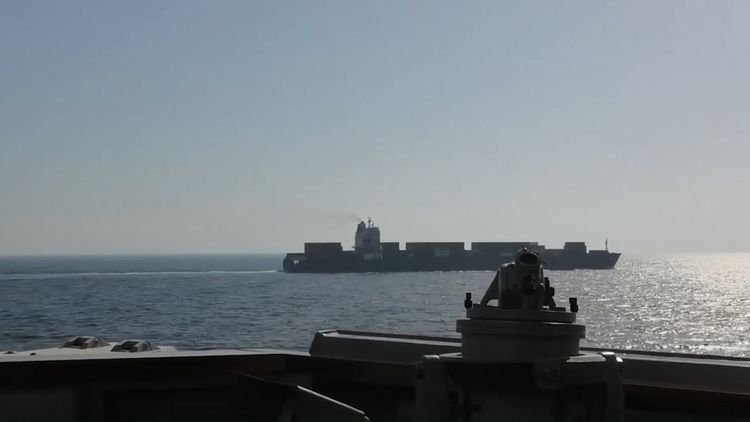
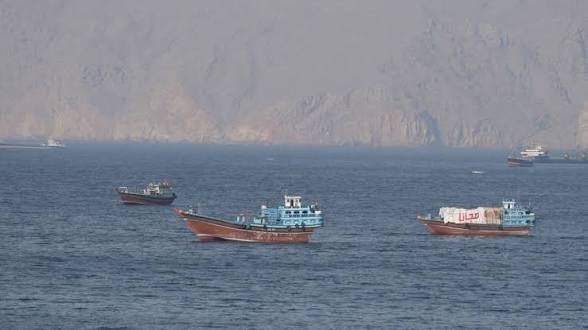
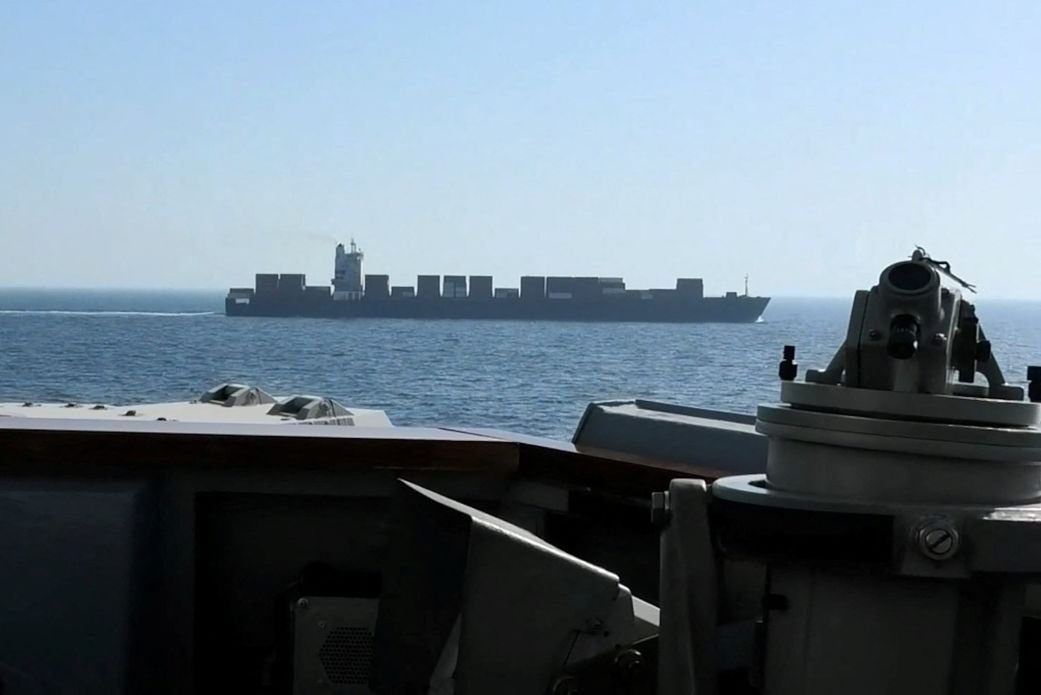
    Tensions in the Middle East escalated sharply after Iran’s Islamic Revolutionary Guard Corps (IRGC) confirmed the seizure of two vessels in the strategically vital Strait of Hormuz, a move that has reignited global concerns over maritime security and energy supply disruptions.

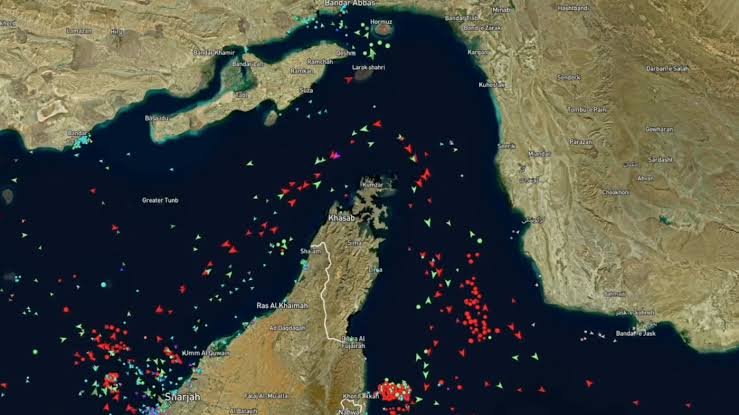
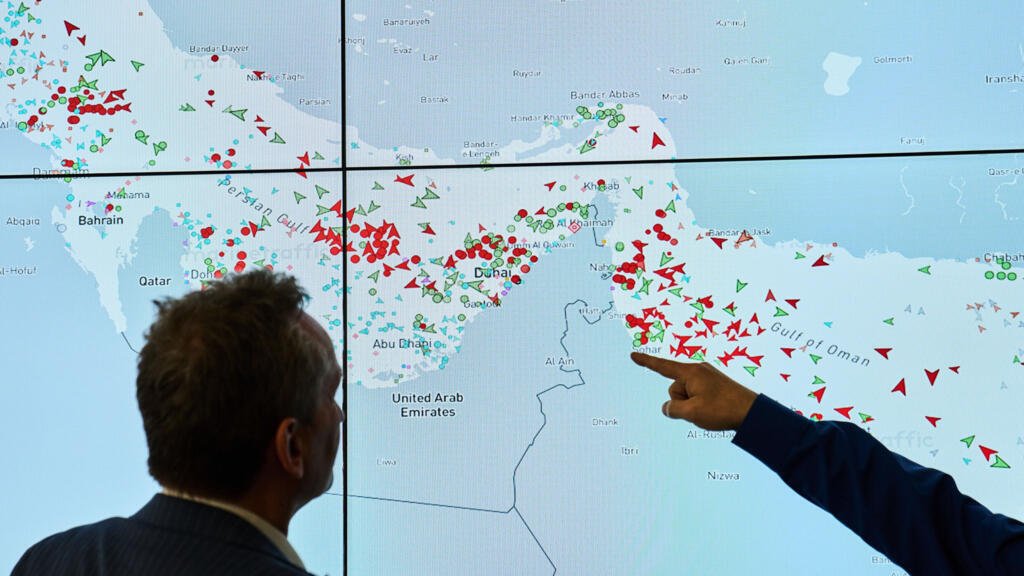
    According to Iranian state-linked sources, the vessels were detained on allegations of “disrupting maritime safety and order” in the narrow waterway, which serves as one of the world’s most critical oil transit routes. The Strait of Hormuz connects the Persian Gulf to international waters and handles roughly a fifth of global oil shipments, making any disruption there immediately significant for global markets.

    The incident comes amid an already fragile geopolitical environment, with the United States and Iran engaged in a tense standoff despite a recently extended ceasefire announced by US President Donald Trump. While the ceasefire has temporarily reduced the likelihood of direct military confrontation, Washington has maintained pressure on Tehran through a continued blockade of Iranian ports, demanding concrete proposals for renewed negotiations.

    Analysts warn that Iran’s seizure of vessels could be interpreted as both a show of strength and a strategic signal. By asserting control in the Strait of Hormuz, Tehran is demonstrating its ability to disrupt global oil flows if tensions escalate further. Such actions are often seen as leverage in broader diplomatic negotiations, particularly when Iran faces economic pressure from sanctions and military containment.

    Shipping companies and international insurers are already responding cautiously. Some firms have reportedly begun rerouting vessels or increasing security protocols for ships passing through the region. Insurance premiums for transit through the Strait of Hormuz are also expected to rise, reflecting heightened risks of detention or confrontation.

    Global oil markets reacted nervously to the news. While prices have not yet spiked dramatically, traders are closely monitoring the situation for signs of escalation. Even limited disruptions in the strait can have outsized effects on supply chains, as alternative routes are longer, more expensive, and less efficient.

    The United States has not yet announced a direct military response to the seizures but has reiterated its commitment to ensuring freedom of navigation in international waters. Pentagon officials have emphasized that any threats to commercial shipping would be taken seriously, though they stopped short of outlining specific retaliatory measures.

    Regional actors are also watching closely. Gulf states, many of which rely heavily on oil exports through the Strait of Hormuz, have expressed concern over the potential for instability. Diplomatic channels are reportedly active behind the scenes, with several countries urging restraint from both Tehran and Washington.

    The seizure underscores how quickly the situation in the Middle East can shift from tense diplomacy to direct confrontation. While the extended ceasefire between the United States and Iran provides a temporary buffer, incidents like this highlight the fragility of that arrangement.

    As the situation develops, the international community faces a familiar dilemma: balancing the need to deter aggressive actions while avoiding steps that could trigger a broader conflict. For now, the Strait of Hormuz remains open, but the latest incident serves as a stark reminder of how vulnerable global energy lifelines are to geopolitical tensions.

  • Japan Expands Arms Export Policy in Historic Shift from Pacifism

    Japan Expands Arms Export Policy in Historic Shift from Pacifism

    21 April 2026

    Japan has announced a sweeping change to its long-standing defence policy, loosening restrictions on the export of military equipment in a move that could reshape both its domestic defence industry and the global arms market. The decision marks one of the most significant shifts in Japanese security policy since the end of World War II, when the country adopted a pacifist constitution limiting its military role.

    For decades, Japan maintained strict controls on arms exports, allowing only limited sales of non-lethal equipment such as surveillance systems or rescue gear. These restrictions were rooted in Article 9 of its constitution, which renounces war and prohibits the maintenance of traditional military forces. However, under the new policy framework, Japan will now permit the export of a broader range of defence equipment, including potentially lethal systems, subject to case-by-case approval.

    Government officials argue that the change is necessary in response to a rapidly evolving global security environment. Ongoing conflicts, particularly in Ukraine and the Middle East, have highlighted shortages in defence supplies and underscored the need for greater cooperation among allies. Japan’s leaders believe that by contributing more actively to international defence networks, the country can play a larger role in maintaining global stability.

    Security concerns closer to home have also driven the shift. Rising tensions in East Asia, including China’s growing military presence, North Korea’s continued missile tests, and Russia’s regional activities, have prompted Japan to reassess its defensive posture. By expanding its defence production and export capabilities, Tokyo aims to strengthen both its own security and that of its allies.

    The policy change is also expected to provide a significant boost to Japan’s defence industry. Major firms such as Mitsubishi Heavy Industries stand to benefit from access to international markets, potentially increasing production volumes and lowering costs. Supporters of the move argue that a stronger industrial base will enhance Japan’s long-term defence readiness and technological competitiveness.

    However, the decision has sparked debate domestically and internationally. Critics warn that easing arms export restrictions risks undermining Japan’s post-war identity as a peaceful nation. They argue that increased involvement in the global arms trade could contribute to rising militarisation and escalate regional tensions, particularly in Asia.Public opinion in Japan remains divided. While some citizens support a more proactive defence stance given the current security climate, others are concerned about the potential erosion of pacifist principles that have defined the country for decades.

    Internationally, the move is likely to be welcomed by allies seeking reliable defence partners but viewed with caution by neighbouring countries wary of Japan’s military expansion. Analysts note that how Japan implements the new rules especially regarding transparency and oversight will be crucial in shaping global reactions.

    In the broader context, Japan’s policy shift reflects a changing world order in which traditional security assumptions are being reassessed. As geopolitical tensions rise and alliances evolve, Japan appears to be positioning itself as a more active contributor to global defence efforts.

    Whether this transformation strengthens international stability or fuels further competition will depend largely on how the policy is executed in the years ahead.

  • Middle East on Edge as Ceasefires Strain and Oil Routes Face Mounting Risks

    Middle East on Edge as Ceasefires Strain and Oil Routes Face Mounting Risks

    The situation in the Middle East remains highly volatile today, with tensions involving Iran, United States, and Israel continuing to simmer despite fragile ceasefires. While full-scale war has not resumed across all fronts, recent developments indicate that the region is far from stable, with multiple flashpoints threatening to escalate into a broader conflict.

    At the center of the crisis is the deteriorating relationship between Iran and the United States. A temporary ceasefire that had briefly reduced hostilities is now under serious strain following a controversial maritime incident. U.S. forces recently seized an Iranian cargo vessel near the strategically vital Strait of Hormuz, a move that Tehran has strongly condemned as unlawful and provocative. Iranian officials have warned that such actions could trigger retaliation, raising fears that the already fragile truce may collapse entirely.

    Diplomatic efforts to ease tensions have also encountered setbacks. Iran has shown reluctance to participate in newly proposed talks, citing distrust and ongoing pressure from Washington. This has complicated international attempts to mediate the crisis and reduce the risk of further confrontation. Without meaningful dialogue, analysts warn that both sides may increasingly rely on military signaling, increasing the likelihood of miscalculation.

    The Strait of Hormuz remains one of the most critical elements in the unfolding situation. As a key global oil transit route, any disruption to this narrow passage has immediate consequences for the world economy. Recent tensions have already caused fluctuations in oil prices, reflecting market concerns over supply security. Even limited interference with shipping in the area could drive prices higher, affecting fuel costs and inflation far beyond the region. Energy-dependent economies are particularly vulnerable, and governments are closely monitoring developments.

    Meanwhile, the situation along the Israel–Lebanon border continues to add to regional instability. Despite the announcement of a 10-day ceasefire, Israel has maintained a military presence in parts of southern Lebanon, citing the need to prevent attacks by Hezbollah. Authorities have warned displaced civilians not to return to certain areas, underscoring the ongoing risks on the ground. Although large-scale fighting has decreased, sporadic tensions persist, and the humanitarian situation remains serious, with many communities still unable to recover.

    Beyond these immediate flashpoints, the broader geopolitical environment is increasingly tense. Regional powers are on high alert, and Gulf states are taking precautionary measures amid fears that the conflict could widen. The involvement of multiple actors both state and non-state has made the crisis more complex, reducing the chances of a quick or simple resolution. Military readiness across the region has increased, reflecting concerns that escalation could occur with little warning.

    The economic impact of the crisis is already visible. Financial markets in parts of the Middle East have shown signs of instability, while global investors remain cautious. Rising oil prices are adding pressure to economies still dealing with inflation and post-pandemic recovery challenges. If tensions continue or worsen, the economic consequences could become more severe, potentially affecting global growth.

    Despite these challenges, diplomatic channels remain open, albeit strained. International leaders have called for restraint and renewed dialogue, emphasizing the need to avoid further escalation. However, deep mistrust and recent confrontations have made progress difficult.

    In conclusion, the Middle East stands at a precarious moment. The current situation reflects a dangerous balance between uneasy calm and potential conflict. While ceasefires have temporarily reduced direct fighting, the underlying tensions remain unresolved. Without effective diplomacy and de-escalation, the risk of a wider and more damaging conflict continues to loom over the region and the world.

  • Strait of Hormuz Reclosed as Iran-U.S.-Israel Tensions Escalate, Raising Fears of Wider Conflict

    Strait of Hormuz Reclosed as Iran-U.S.-Israel Tensions Escalate, Raising Fears of Wider Conflict

    19 April 2026

    The crisis in the Middle East has deepened sharply after Iran once again moved to close the strategically vital Strait of Hormuz, triggering fresh concerns about global energy supplies and the possibility of a broader war involving the United States and Israel.Iranian authorities announced the renewed closure on April 18, stating that the move was a direct response to what they describe as an ongoing U.S. naval blockade and continued military pressure. The decision came just days after the waterway had briefly reopened during a fragile pause in fighting, highlighting how quickly the situation is deteriorating.The Strait of Hormuz is one of the most critical shipping routes in the world, with roughly one-fifth of global oil consumption passing through it daily. Any disruption to traffic in the narrow channel immediately sends shockwaves through international markets. Early reactions have already shown rising oil prices and increased volatility, as traders brace for prolonged instability.

    Reports indicate that Iranian forces have taken an aggressive posture in the area, with incidents involving commercial vessels adding to the tension. While full details remain unclear, the presence of military assets from multiple countries has significantly raised the risk of miscalculation.

    At the same time, the United States and Israel are maintaining a high level of military readiness. Both countries have already been involved in earlier strikes targeting Iranian-linked facilities, and officials have signaled that further action remains an option if the situation escalates. However, there has been no formal announcement of a new large-scale offensive at this stage.

    The current standoff is part of a broader and ongoing confrontation that has unfolded over recent weeks. What began as targeted exchanges has gradually expanded into a more complex conflict involving multiple fronts and actors. Analysts warn that the repeated opening and closing of the strait reflects a strategic tug-of-war, with Iran using its geographic advantage to apply economic pressure while the U.S. and its allies attempt to maintain freedom of navigation.

    Despite the rising tensions, diplomatic efforts have not completely collapsed. Several countries are actively pushing for renewed negotiations, hoping to prevent the crisis from spiraling into a full-scale regional war. Backchannel communications and proposed ceasefire frameworks are reportedly under discussion, though progress remains uncertain.

    The stakes are particularly high for the global economy. Any prolonged closure of the strait could disrupt energy supplies not only to major economies in Asia, but also to Europe and beyond. For countries like Malaysia, which rely on stable global oil markets, the ripple effects could include higher fuel prices and increased cost of living.

    Security experts caution that the situation remains highly unpredictable. A single incident such as an attack on a tanker or a direct clash between military forces could rapidly escalate into a wider confrontation. At the same time, the presence of ongoing diplomatic initiatives suggests that there is still a narrow path toward de-escalation.

    For now, the world is watching closely as events unfold around the Strait of Hormuz. Whether the crisis moves toward negotiation or further conflict will likely depend on decisions made in the coming days by Tehran, Washington, and Tel Aviv.

  • Iran MP Warns Strait “Will Not Remain Open” as Ceasefire Eases Tensions but Oil Prices Stay Volatile

    Iran MP Warns Strait “Will Not Remain Open” as Ceasefire Eases Tensions but Oil Prices Stay Volatile

    The Strait of Hormuz has reopened to global shipping following a temporary ceasefire between Iran and the United States, offering short-term relief to global oil markets. However, strong warnings from Iranian parliament leadership have underscored the fragility of the situation, raising concerns that the calm may not last.

    Iranian officials confirmed that the strategic waterway is open for commercial vessels during the ceasefire period, allowing oil tankers to resume movement through one of the world’s most critical energy routes. The Strait of Hormuz carries roughly one-fifth of global oil supply, making any disruption a major risk to global energy stability.

    The reopening immediately affected oil markets. Prices, which had surged during the peak of military tensions, dropped sharply by around 10 percent after the announcement, as fears of a supply shock eased.

    Despite this, the situation remains highly unstable. The United States has continued its naval blockade on Iranian ports, maintaining pressure on Tehran even as the ceasefire holds. This has created a mixed environment for global markets: shipping routes are open, but Iranian oil exports remain restricted.

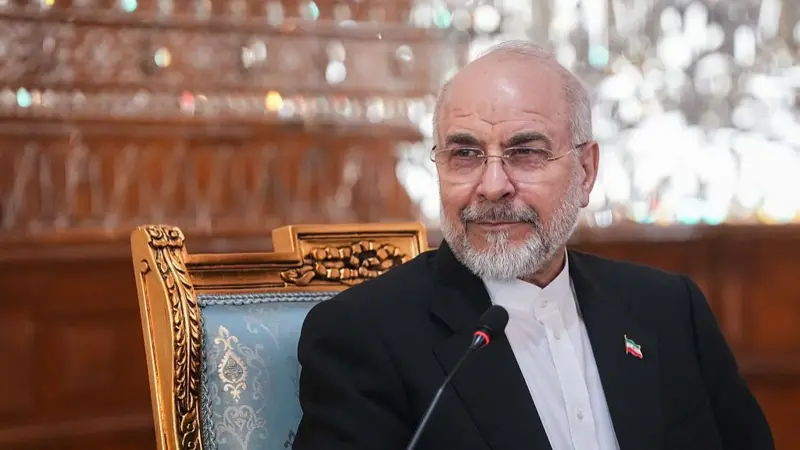
    Iran’s parliament speaker, Mohammad-Bagher Ghalibaf, issued a stark warning that the reopening of the Strait may only be temporary. In a statement, he said, “With the continuation of the blockade, the Strait of Hormuz will not remain open.”

    He further criticized the United States, dismissing its claims about negotiations and adding that Washington’s statements were “false,” signaling deep mistrust between the two sides.

    These remarks have added uncertainty to global oil markets. While the reopening of the Strait reduces immediate supply risks, the possibility of renewed closure continues to weigh heavily on traders and investors. Energy analysts describe the current situation as a “temporary stabilization,” rather than a full recovery.

    The dual developments open shipping lanes but continued geopolitical tension have resulted in fluctuating oil prices. Markets initially reacted positively, but volatility persists as traders assess the likelihood of further escalation. Any renewed threat to the Strait could quickly reverse the recent price drop and trigger another surge.

    Globally, the effects are already being felt. Oil importing countries, including Malaysia, are particularly vulnerable to sudden price changes. Lower prices may offer short-term relief, but continued uncertainty makes long-term planning difficult. Rising oil costs, if tensions escalate again, could lead to higher fuel prices, increased transportation costs, and broader inflation.

    At the same time, oil-producing nations face a complex situation. While higher prices can increase revenue, instability in key shipping routes discourages investment and disrupts supply chains. Shipping companies also remain cautious, with some hesitant to fully resume operations due to lingering security risks in the region.

    Diplomatic efforts are ongoing, with international actors urging both Iran and the United States to move toward a more permanent agreement. However, recent failed negotiations and strong rhetoric from both sides suggest that a lasting resolution may take time.

    In conclusion, the reopening of the Strait of Hormuz has brought temporary relief to global oil markets, but the warning from Iran’s parliament highlights how fragile the situation remains. Oil prices may stabilize in the short term, but they are likely to remain volatile as long as tensions between Iran and the United States continue.

  • Strait of Hormuz Open Again Under Temporary Ceasefire

    Strait of Hormuz Open Again Under Temporary Ceasefire

    18 April 2026

    The strategic Strait of Hormuz has reopened to commercial shipping following a newly announced ceasefire tied to escalating tensions between Iran, Israel, and the United States, offering a brief moment of relief to global markets and regional actors. The reopening comes as part of a broader 10-day ceasefire agreement between Israel and Lebanon, raising cautious optimism that the conflict, which has intensified in recent weeks, may be entering a period of de-escalation.

    Iranian authorities confirmed that vessels are once again permitted to transit through the narrow but critical waterway, which carries roughly a fifth of the world’s oil supply. The move is widely seen as a signal of temporary restraint, as the Strait of Hormuz has long been a flashpoint during periods of confrontation involving Tehran and Western powers. Any disruption to this route has immediate and far-reaching consequences for global energy markets, making its reopening a significant development.

    The ceasefire itself follows weeks of heavy fighting between Israeli forces and armed groups in southern Lebanon. According to regional reports, more than 2,000 people have been killed since early March, with thousands more displaced amid sustained airstrikes and cross-border exchanges. The agreement, though limited in duration, has brought a halt to active hostilities, allowing humanitarian aid to reach affected populations and providing civilians with a brief reprieve from violence.

    Despite these developments, the broader geopolitical situation remains highly volatile. The United States has maintained its firm stance against Iran, with former President Donald Trump stating that the ongoing naval blockade targeting Iranian trade routes will remain in place until a comprehensive agreement is reached. This position underscores Washington’s continued strategy of exerting economic and military pressure on Tehran, even as diplomatic signals suggest that negotiations may be underway.

    Analysts note that the reopening of the Strait of Hormuz does not necessarily indicate a long-term shift in Iran’s posture. Rather, it reflects a tactical decision aligned with the ceasefire timeline. Should hostilities resume or negotiations collapse, the waterway could once again become a focal point of confrontation.

    The temporary nature of the arrangement has left shipping companies and insurers cautious, with many closely monitoring the situation before fully resuming operations.Meanwhile, global oil markets have responded with measured relief. Prices, which had surged amid fears of a prolonged closure, began to stabilize following the announcement. However, experts warn that volatility is likely to persist given the fragile security environment and the possibility of renewed escalation once the ceasefire expires.

    Regional leaders and international organizations have called for efforts to extend the ceasefire and transition toward a more durable political solution. The United Nations has urged all parties to engage in dialogue and avoid actions that could reignite hostilities. Humanitarian groups have also emphasized the need for sustained access to conflict zones, warning that a return to fighting would further deepen the crisis.

    For now, the reopening of one of the world’s most vital maritime corridors and the temporary cessation of violence offer a rare window of calm in an otherwise tense region. Whether this moment can be transformed into lasting peace remains uncertain, as underlying tensions between Iran, Israel, and the United States continue to shape the trajectory of the conflict.

  • Israel and Lebanon Agree to 10-Day Ceasefire as Fragile Truce Begins Amid Ongoing Tensions

    Israel and Lebanon Agree to 10-Day Ceasefire as Fragile Truce Begins Amid Ongoing Tensions

    17 April 2026

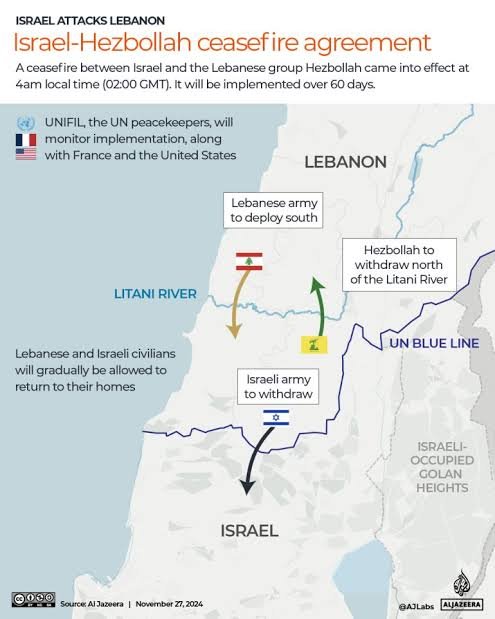
    A 10-day ceasefire between Israel and Lebanon was announced today, offering a temporary halt to weeks of intense cross-border fighting that has devastated communities and heightened fears of a broader regional war. The truce, brokered primarily by the United States, came into effect at midnight and is being viewed as a critical, a bit fragile, opportunity to de-escalate violence.

    The agreement was publicly confirmed by U.S. President Donald Trump following a series of high-level diplomatic engagements with Israeli Prime Minister Benjamin Netanyahu and Lebanese President Joseph Aoun. According to statements from Washington, both sides have agreed to cease offensive military operations for the duration of the truce, with the aim of creating space for further negotiations toward a longer-term settlement.

    Under the terms of the ceasefire, Israel is expected to suspend airstrikes and artillery attacks inside Lebanese territory while maintaining what officials describe as a “defensive posture,” including troop deployments near the southern border. Lebanon, in turn, has committed to curbing attacks launched from its territory, particularly those associated with the Iran-backed group Hezbollah. However, Hezbollah itself was not directly involved in the ceasefire negotiations, raising concerns among analysts about how effectively the agreement can be enforced on the ground.

    The ceasefire follows a sharp escalation in hostilities that began in early March, when Hezbollah launched a series of rocket attacks into northern Israel. In response, Israeli forces carried out extensive airstrikes and military operations across southern Lebanon and beyond. The violence quickly spiraled, resulting in widespread destruction, with reports indicating that more than 2,000 people have been killed and over a million displaced, particularly within Lebanon.

    International reaction to the ceasefire has been largely positive, though cautious. Leaders across Europe and the Middle East have welcomed the agreement as a necessary pause to allow humanitarian aid to reach affected populations. Ursula von der Leyen described the truce as “an essential first step” and urged both parties to use the window to pursue a sustainable peace. Meanwhile, the United Nations has called for strict adherence to the ceasefire terms and warned against any violations that could derail progress.

    Despite the optimism, significant challenges remain. Israeli officials have emphasized that any long-term solution must address what they describe as the ongoing threat posed by Hezbollah’s military capabilities along the border. Lebanese authorities, on the other hand, have stressed the need for Israel to fully respect Lebanese sovereignty and withdraw from contested areas. Hezbollah has issued statements suggesting it will abide by the ceasefire only if Israel completely halts its military operations, leaving room for potential breakdowns.

    The truce is also closely tied to broader geopolitical tensions in the region, particularly involving Iran, which has long supported Hezbollah. Analysts warn that without parallel progress in addressing these wider issues, the ceasefire could prove short-lived.

    On the ground, the mood in Lebanon is mixed. While many civilians have welcomed the temporary cessation of violence, countless families remain displaced and uncertain about returning home. In Israel, residents of northern communities have expressed similar caution, with many unwilling to resume normal life until a more permanent security arrangement is in place.

    As the 10-day ceasefire begins, attention now turns to whether diplomatic efforts can build on this fragile pause. The coming days will be crucial in determining whether this agreement marks the beginning of a path toward lasting peace or simply another brief interlude in a deeply entrenched and volatile conflict.

  • India’s Women’s Reservation Reform Faces Delay, While Patriarchy Still Shapes Political Power

    India’s Women’s Reservation Reform Faces Delay, While Patriarchy Still Shapes Political Power

    New Delhi 16 April 2026

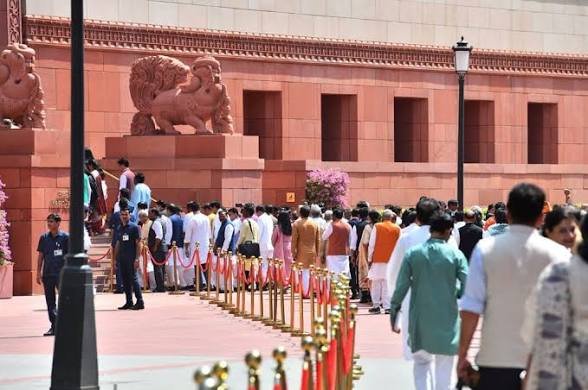
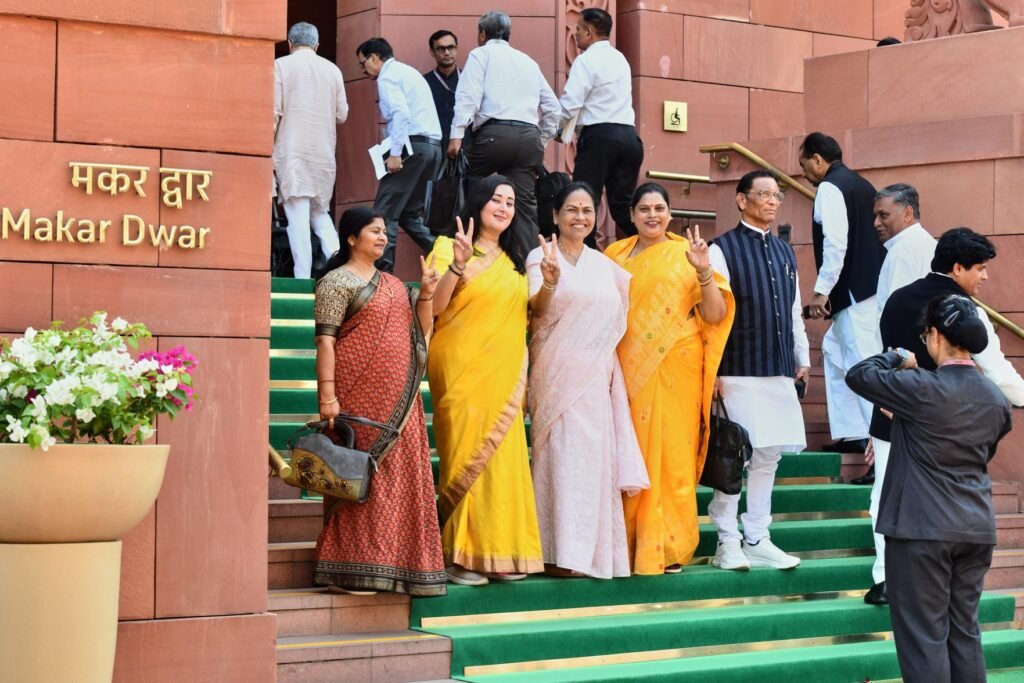
    India is currently debating a major political reform that would reserve around one-third of seats in its parliament and state assemblies for women. The proposal is being described as one of the biggest changes to the country’s electoral system in decades, but it has also sparked political tension, delays, and renewed criticism of the deep-rooted patriarchal structure in Indian politics.

    The reform aims to increase women’s representation in government by guaranteeing them 33% of legislative seats. At present, women remain significantly underrepresented in Indian politics, holding only a small portion of elected positions despite making up roughly half the population. If implemented, the policy would mark a major shift in how candidates are selected and how political power is distributed.

    However, the plan is not expected to take effect immediately. It is linked to technical and administrative steps such as conducting a national census and redrawing electoral boundaries, a process known as delimitation. These steps are complex and time-consuming, meaning the reform could take several years before it is fully implemented, with some estimates suggesting it may not take effect until around 2029 or later.

    Supporters of the reform argue that it is a necessary correction to long-standing inequality. They say that without legal intervention, political parties have little incentive to increase women’s representation on their own. In India’s current political system, most candidates are selected by party leaderships that are dominated by men, which makes it difficult for women to break through.

    The reform also includes provisions that would rotate reserved seats over time, meaning different constituencies would be assigned for women candidates in different election cycles. Supporters say this prevents any single region from being permanently reserved and ensures that women have opportunities across the country. However, critics argue that this rotation system could create uncertainty for candidates and weaken long-term political planning.

    Opposition parties have also raised concerns about the timing and motivation behind the proposal. Some argue that it is being introduced without updated demographic data, since India has not conducted a full census since 2011. Others believe the government may be using the reform as a political tool rather than a purely social improvement.

    Beyond the technical debate, the reform has highlighted a deeper issue: the continued influence of patriarchy in Indian politics. Even though democratic institutions exist, political power remains heavily concentrated among men. Women often face structural barriers such as limited access to party leadership positions, weaker financial backing for campaigns, and social expectations that discourage them from entering politics.

    At the local level, however, similar reservation systems have already been implemented. In village councils and municipalities, seats reserved for women have increased female participation and, in some cases, improved focus on issues like education, sanitation, and healthcare. These results are often used as evidence that reservation can bring real change when properly enforced.

    Still, experts warn that legal reform alone may not be enough. In many cases, women elected through quotas still operate within male-dominated party structures, limiting their independence and influence. This raises concerns that representation without real authority could result in symbolic progress rather than true empowerment.

    Overall, India’s proposed women’s reservation reform represents both progress and hesitation. It is a bold attempt to reshape political representation, but its slow implementation and surrounding controversy reflect how deeply patriarchal systems remain embedded in the country’s political landscape.