Hague, 23 April 2026
The International Criminal Court has confirmed that former Philippine president Rodrigo Duterte will stand trial for crimes against humanity, in a landmark decision tied to his controversial anti-drug campaign that left thousands dead.
In a ruling issued on April 23, judges at the Hague-based court said there are “substantial grounds” to believe Duterte bears criminal responsibility for a series of killings carried out during his presidency from 2016 to 2022. The confirmation of charges moves the case into the trial phase, where prosecutors will attempt to prove allegations of murder and attempted murder beyond reasonable doubt.
The charges stem from Duterte’s widely criticised “war on drugs,” which human rights groups say resulted in widespread extrajudicial killings across the Philippines. While the ICC case currently focuses on at least 76 killings and two attempted killings, investigators argue these incidents form part of a broader, systematic campaign targeting suspected drug offenders.
Prosecutors told the court that the violence was not random but part of an organised policy to “neutralise” individuals believed to be involved in illegal drugs. Evidence presented includes witness testimonies, official records, and Duterte’s own public statements during his time in office, some of which critics say appeared to encourage the use of lethal force.
Duterte has strongly denied all allegations. His legal team argues that he neither ordered nor condoned unlawful killings and insists the case relies on unreliable witnesses, including individuals with criminal backgrounds. They also maintain that many of Duterte’s controversial remarks were rhetorical in nature and taken out of context.
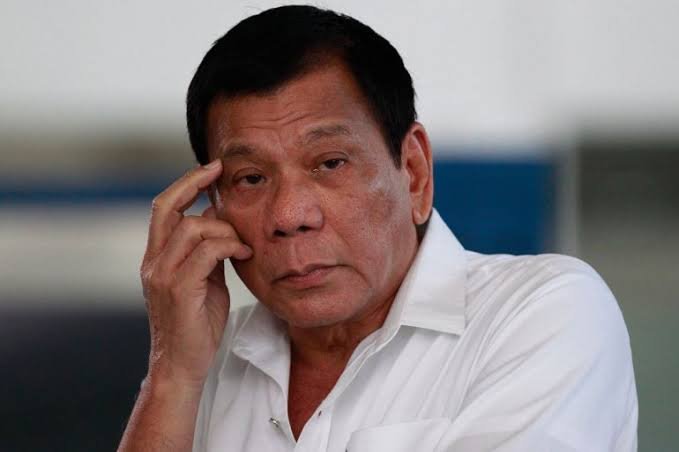
The former president is currently in detention in The Hague, where the ICC is based. He has waived his right to attend some earlier proceedings but is expected to be represented by his defence team throughout the trial process.
The case is considered historic. Duterte is the first former leader of the Philippines to be prosecuted at the ICC and one of the few Asian heads of state to face trial before the court. The decision also underscores the ICC’s jurisdiction over alleged crimes committed before a country withdraws from its authoritythe Philippines formally exited the court in 2019 during Duterte’s presidency.
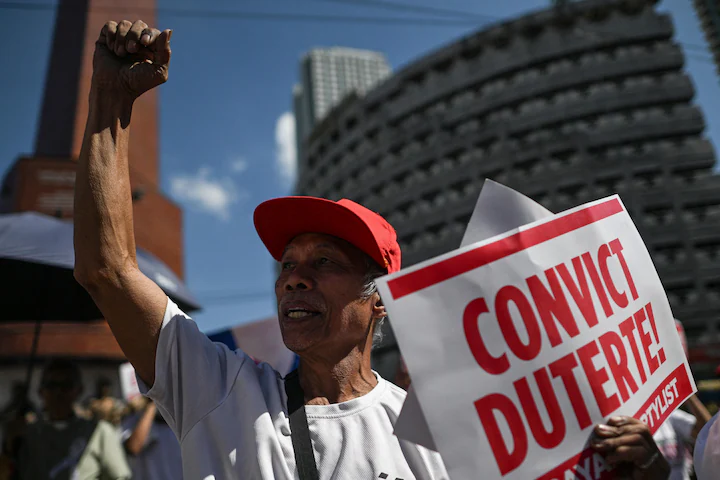
Human rights organisations and families of victims have welcomed the ruling, calling it a long-awaited step toward justice. Many have spent years campaigning for accountability, arguing that domestic investigations failed to adequately address the scale of the killings.
Legal experts say the trial could take years to complete, given the complexity of the case and the volume of evidence expected to be presented. Once proceedings begin, both the prosecution and defence will call witnesses, examine evidence, and make their arguments before a panel of judges.
A final verdict will determine whether Duterte is guilty of crimes against humanity. If convicted, he could face a lengthy prison sentence. However, the ICC’s confirmation of charges does not imply guilt but signals that the case has met the threshold required for a full trial.
The upcoming proceedings are expected to draw global attention, as they test the reach of international justice and the ability of institutions like the ICC to hold powerful leaders accountable for alleged human rights violations.
Leave a Reply