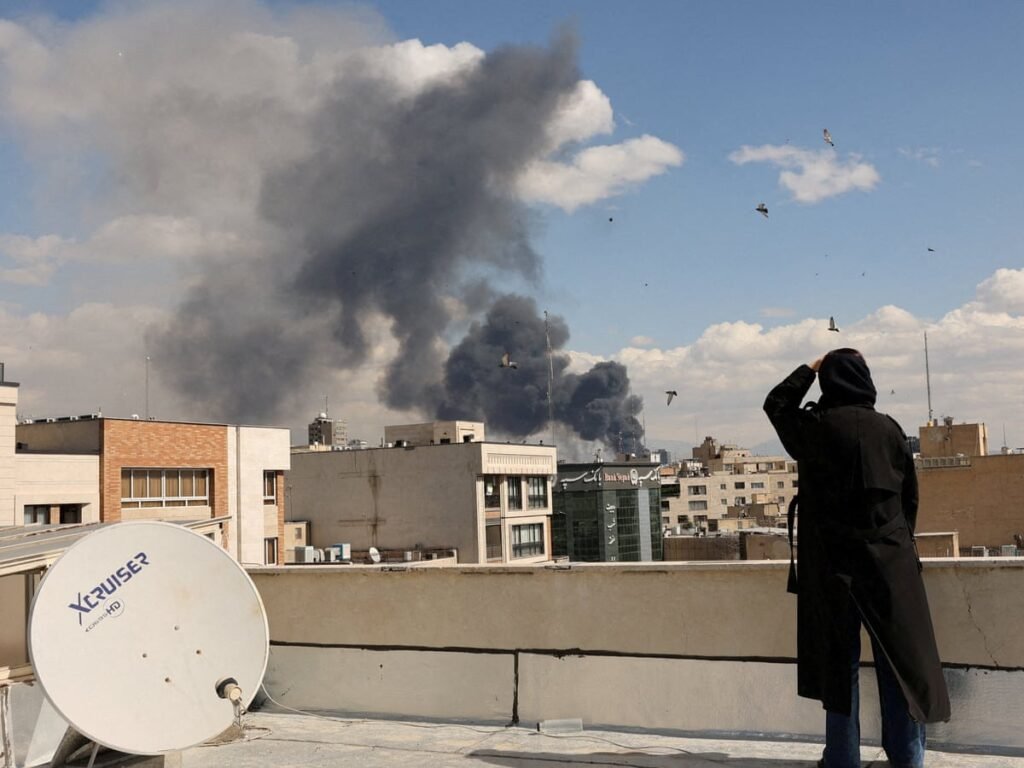
The situation in the Middle East remains highly volatile today, with tensions involving Iran, United States, and Israel continuing to simmer despite fragile ceasefires. While full-scale war has not resumed across all fronts, recent developments indicate that the region is far from stable, with multiple flashpoints threatening to escalate into a broader conflict.
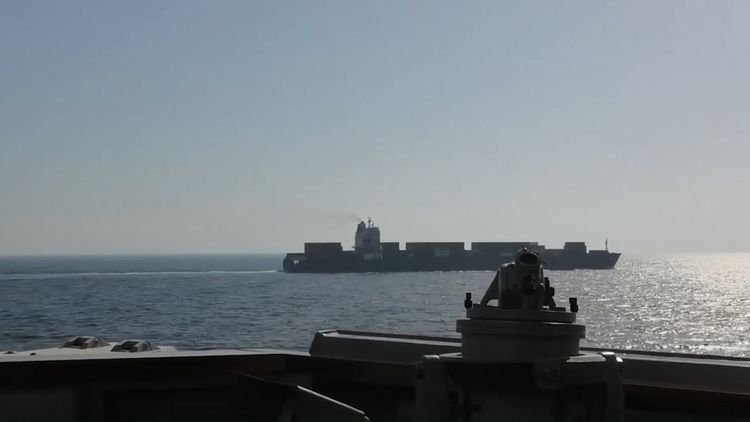
At the center of the crisis is the deteriorating relationship between Iran and the United States. A temporary ceasefire that had briefly reduced hostilities is now under serious strain following a controversial maritime incident. U.S. forces recently seized an Iranian cargo vessel near the strategically vital Strait of Hormuz, a move that Tehran has strongly condemned as unlawful and provocative. Iranian officials have warned that such actions could trigger retaliation, raising fears that the already fragile truce may collapse entirely.
Diplomatic efforts to ease tensions have also encountered setbacks. Iran has shown reluctance to participate in newly proposed talks, citing distrust and ongoing pressure from Washington. This has complicated international attempts to mediate the crisis and reduce the risk of further confrontation. Without meaningful dialogue, analysts warn that both sides may increasingly rely on military signaling, increasing the likelihood of miscalculation.
The Strait of Hormuz remains one of the most critical elements in the unfolding situation. As a key global oil transit route, any disruption to this narrow passage has immediate consequences for the world economy. Recent tensions have already caused fluctuations in oil prices, reflecting market concerns over supply security. Even limited interference with shipping in the area could drive prices higher, affecting fuel costs and inflation far beyond the region. Energy-dependent economies are particularly vulnerable, and governments are closely monitoring developments.
Meanwhile, the situation along the Israel–Lebanon border continues to add to regional instability. Despite the announcement of a 10-day ceasefire, Israel has maintained a military presence in parts of southern Lebanon, citing the need to prevent attacks by Hezbollah. Authorities have warned displaced civilians not to return to certain areas, underscoring the ongoing risks on the ground. Although large-scale fighting has decreased, sporadic tensions persist, and the humanitarian situation remains serious, with many communities still unable to recover.
Beyond these immediate flashpoints, the broader geopolitical environment is increasingly tense. Regional powers are on high alert, and Gulf states are taking precautionary measures amid fears that the conflict could widen. The involvement of multiple actors both state and non-state has made the crisis more complex, reducing the chances of a quick or simple resolution. Military readiness across the region has increased, reflecting concerns that escalation could occur with little warning.
The economic impact of the crisis is already visible. Financial markets in parts of the Middle East have shown signs of instability, while global investors remain cautious. Rising oil prices are adding pressure to economies still dealing with inflation and post-pandemic recovery challenges. If tensions continue or worsen, the economic consequences could become more severe, potentially affecting global growth.
Despite these challenges, diplomatic channels remain open, albeit strained. International leaders have called for restraint and renewed dialogue, emphasizing the need to avoid further escalation. However, deep mistrust and recent confrontations have made progress difficult.
In conclusion, the Middle East stands at a precarious moment. The current situation reflects a dangerous balance between uneasy calm and potential conflict. While ceasefires have temporarily reduced direct fighting, the underlying tensions remain unresolved. Without effective diplomacy and de-escalation, the risk of a wider and more damaging conflict continues to loom over the region and the world.
Leave a Reply