Author: hyobuddyfx@gmail.com

  • Eastern Indonesia Hit by Powerful Quake, One Dead as Government Rushes Aid to North Maluku and North Sulawesi

    Eastern Indonesia Hit by Powerful Quake, One Dead as Government Rushes Aid to North Maluku and North Sulawesi

    2 April 2026

    A powerful undersea earthquake measuring between 7.4 and 7.6 magnitude struck eastern Indonesia’s North Maluku and North Sulawesi provinces, rattling communities across the Molucca Sea region and prompting a swift government response to contain damage and ensure public safety.

    The quake, centered near Ternate in the Molucca Sea, caused panic as strong tremors lasting up to 20 seconds sent residents fleeing homes, offices, and places of worship. In Manado and surrounding areas, buildings swayed violently, with some structures sustaining visible cracks and partial collapse. Authorities have confirmed one fatality a 70-year-old woman killed by falling debris along with several injuries, while damage to homes, churches, and a sports facility has been reported. Despite the quake’s strength, officials say destruction remains localized rather than widespread.

    In the immediate aftermath, Indonesia’s disaster mitigation agency, National Disaster Management Agency (BNPB), deployed emergency response teams to the affected provinces. Search and rescue personnel were dispatched to assess damage, assist victims, and ensure no one remained trapped under debris. Medical teams in local hospitals were placed on high alert, treating the injured and preparing for potential aftershock-related emergencies.

    The government also moved quickly to issue tsunami warnings across eastern Indonesia and nearby coastal regions. Although small waves of less than one meter were recorded, the warnings were lifted within hours after authorities confirmed no major tsunami threat. Residents living along coastal areas were still urged to remain cautious as conditions continue to be monitored.

    Indonesia’s meteorological agency, Meteorology, Climatology, and Geophysics Agency (BMKG), has recorded dozens of aftershocks, some exceeding magnitude 5. Officials warned that these tremors could further weaken already damaged structures. As a precaution, residents have been advised to avoid entering compromised buildings and to remain in safer open spaces.

    Emergency shelters have been established across parts of North Maluku and North Sulawesi to house displaced families. Authorities are distributing food supplies, clean water, and essential items while conducting structural inspections to determine which buildings are safe. Schools and several public facilities have also been temporarily closed as a safety measure.

    President Joko Widodo has been briefed on the situation and instructed all relevant agencies to accelerate relief efforts. He emphasized the need for rapid coordination and long-term preparedness, noting Indonesia’s vulnerability to earthquakes due to its position along the Pacific Ring of Fire.

    While the immediate impact appears limited compared to past disasters, officials caution that risks remain due to ongoing aftershocks. Recovery and assessment efforts are expected to continue in the coming days as authorities work to restore normalcy and ensure the safety of affected communities.

  • Europe Faces a New Energy Pressures Middle East Tensions Rise

    Europe Faces a New Energy Pressures Middle East Tensions Rise

    2 April 2026

    The latest warning from the International Energy Agency has placed Europe back into a familiar but uncomfortable position. According to the agency, disruptions to oil supply from the Middle East are expected to begin affecting European markets as early as April. While energy shocks are not new to the region, the current situation carries a different weight, shaped by geopolitical instability and an increasingly fragile global supply chain.

    At the core of the issue lies rising tension around Iran and the strategic importance of the Strait Hormuz. This narrow passage remains one of the most critical routes for global oil transportation. Any disruption, whether through direct conflict or heightened security risks, has immediate consequences for supply flow. Markets tend to react quickly to such risks, often driving prices higher even before physical shortages are fully realized.

    For Europe, the timing could not be more challenging. Since the onset of the Rusia-Ukraine War, European nations have actively reduced their reliance on Russian energy. This strategic shift was necessary from a political standpoint, but it also reshaped the region’s energy dependencies. In place of Russian supply, Europe turned more heavily toward imports from the Middle East and other distant producers, increasing reliance on maritime routes that are now under pressure.

    This shift has introduced a new layer of vulnerability. Unlike pipeline based supply, seaborne oil is more exposed to geopolitical risk, logistical delays, and rising transportation costs. As tensions escalate in key regions, the cost of insuring shipments increases, shipping routes become less predictable, and overall supply tightens. For European economies that are still recovering from inflationary pressure, this creates a renewed risk of energy driven price increases.

    The immediate impact is likely to be felt through higher oil prices. Even modest disruptions can push markets upward, particularly in an environment where spare capacity is limited. Higher energy costs will inevitably feed into inflation, affecting everything from industrial production to household expenses. For policymakers, this presents a difficult balancing act between controlling inflation and supporting economic growth.

    Beyond the short term, the situation raises broader questions about Europe’s energy resilience. While significant progress has been made in expanding renewable energy, the transition is still ongoing. Oil and gas remain essential components of the energy mix, particularly for transportation and heavy industry. This means that external shocks, especially those driven by geopolitical conflict, continue to have a strong influence on economic stability.

    On a global scale, the effects are unlikely to remain contained within Europe. Energy markets are deeply interconnected, and disruptions in one region tend to ripple across the world. Emerging economies may face increased import costs, while financial markets could see heightened volatility as investors react to shifting risk conditions. In this environment, uncertainty becomes a dominant theme.

    What distinguishes the current situation is its underlying cause. This is not a typical market imbalance driven by supply and demand cycles. Instead, it is a geopolitical shock, shaped by conflict, strategic interests, and regional instability. Such disruptions are often unpredictable and can persist longer than expected, making them more difficult to manage.

    The warning from the IEA should therefore be viewed as more than a short term alert. It reflects a deeper structural challenge within the global energy system, where security and stability can no longer be taken for granted. For Europe, the coming weeks will test not only its supply chains, but also its ability to navigate an increasingly uncertain energy landscape.

  • Gold in April 2026: Navigating Volatility Amid Geopolitical and Economic Uncertainty

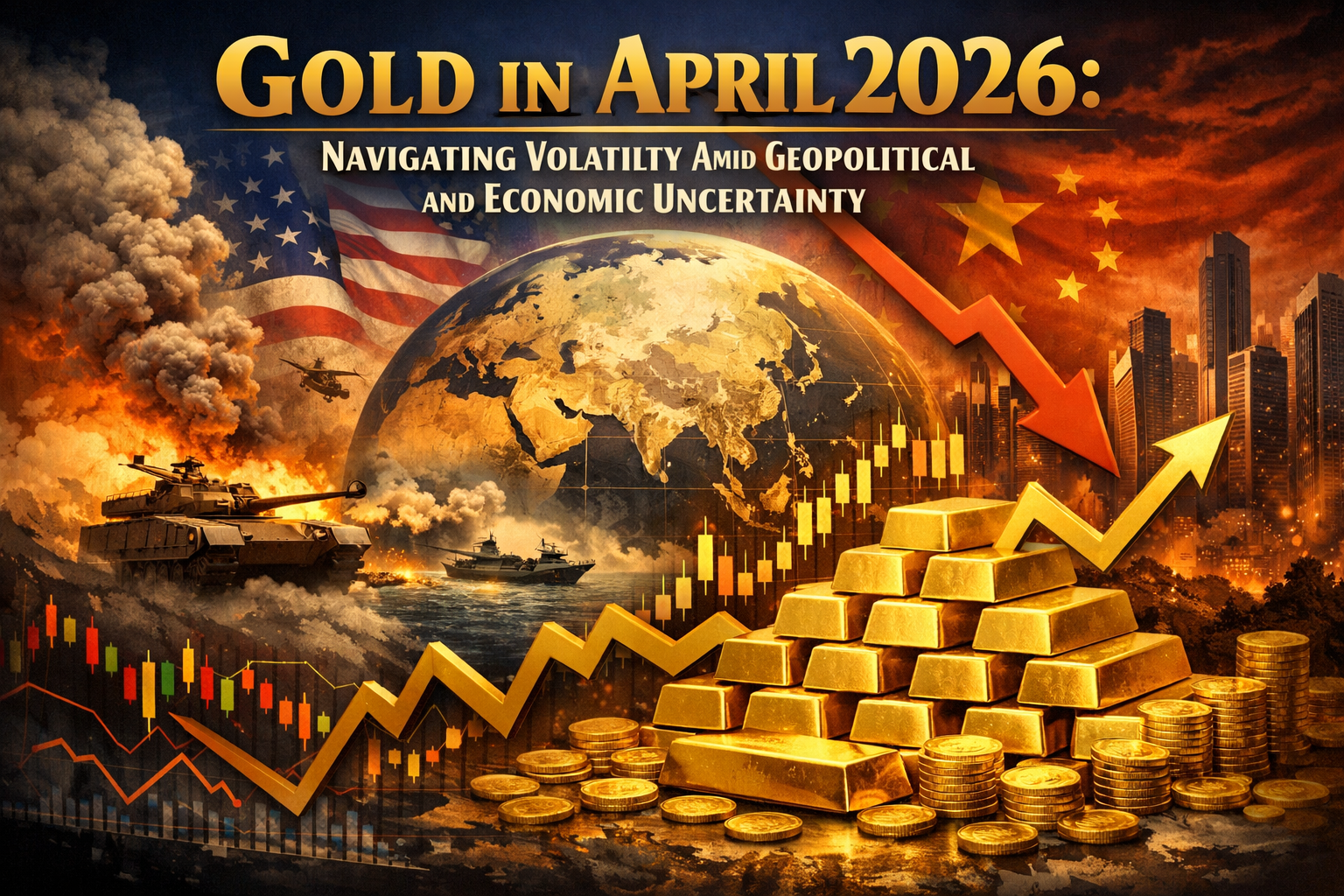
    Gold in April 2026: Navigating Volatility Amid Geopolitical and Economic Uncertainty

    3 April 2026

    Gold prices have drawn significant attention in early April 2026 as global markets respond to a combination of geopolitical uncertainty, macroeconomic developments, and changing investor expectations. After a recent rally that pushed spot gold above four thousand seven hundred dollars per ounce, prices have eased to around four thousand six hundred to four thousand six hundred twenty dollars per ounce. This pullback reflects profit-taking by investors and the strengthening of the U.S. dollar, which makes non-yielding assets like gold less attractive in the short term.

    Despite recent moderation, gold continues to function as a key safe-haven asset. Rising tensions in the Middle East and ongoing uncertainty in global markets have maintained underlying demand for bullion. Central bank purchases remain an important structural factor supporting gold, providing a foundation for longer-term stability even as short-term price movements fluctuate. Investors are closely monitoring upcoming U.S. economic reports, particularly labor data and inflation figures. Stronger-than-expected numbers tend to boost the dollar and pressure gold, while weaker data generally supports bullion as investors seek protection against economic volatility.

    From a technical perspective, gold has demonstrated resilience around the four thousand six hundred dollar level, which has acted as a reliable support during recent declines. Resistance has been observed near four thousand eight hundred dollars, creating a clear near-term trading range. Market participants are paying attention to how gold reacts to shifts in risk sentiment, oil price movements, and expectations for interest rates, as these elements continue to shape safe-haven flows and influence short-term volatility.

    The behavior of gold over the past few weeks illustrates the complexity of the current market environment. Traditional safe-haven logic has not always applied, with the metal occasionally moving in tandem with equities rather than diverging from them during periods of stress. This unusual pattern reflects the broader influence of liquidity needs and global capital flows, which can override conventional investor behavior. Analysts caution that short-term volatility should not obscure the metal’s longer-term role as a hedge against inflation and uncertainty.

    For investors, the current environment underscores the importance of disciplined risk management. Accumulating gold on dips near established support levels may offer attractive entry points, but positions should be calibrated according to broader macroeconomic trends and geopolitical developments. Strategic allocation remains crucial, particularly for portfolios seeking diversification and protection against market turbulence. Gold’s combination of historical stability and structural demand factors continues to make it a key component in diversified investment strategies.

    Looking ahead, market observers expect that gold will remain sensitive to geopolitical developments, particularly in regions where conflict and uncertainty persist. Economic indicators in major economies, including inflation data and central bank policy decisions, will continue to influence both investor sentiment and bullion prices. While short-term movements may be unpredictable, gold’s long-term appeal as a store of value and hedge against risk remains intact. Investors who carefully consider timing, maintain awareness of market drivers, and employ disciplined risk management strategies are likely to find opportunities in this dynamic environment.

    In summary, gold has shown both resilience and volatility in early April 2026. Short-term fluctuations are shaped by economic data, currency strength, and geopolitical events, while longer-term fundamentals such as central bank demand and safe-haven appeal continue to provide support. For investors, disciplined analysis and strategic positioning are key to navigating this period of uncertainty, and gold remains an essential asset for hedging and diversification.

  • Is the United States Stepping Back? Strategic Shift or Sign of Weakness

    Is the United States Stepping Back? Strategic Shift or Sign of Weakness

    2 April 2026

    Recent global developments have sparked debate over whether the United States is retreating from its long-held role as a dominant global power, or simply recalibrating its strategy in an increasingly complex world. From the ongoing tensions in Iran to support for Ukraine and its alliance with Israel, Washington’s approach appears more cautious than in previous decades raising questions among analysts and critics alike.

    At the heart of this perception is a growing reluctance for direct military intervention. Following prolonged wars in Iraq and Afghanistan, public sentiment within the U.S. has shifted significantly. Lawmakers now face increasing pressure to avoid large-scale deployments abroad. Senator Chris Murphy recently noted, “The American people are tired of endless wars. Our focus must be on smart engagement, not open-ended conflict.”

    Rather than a withdrawal, officials argue that the U.S. is adapting its strategy. This includes relying more on economic sanctions, military aid, and diplomatic coalitions rather than direct combat. Secretary of State Antony Blinken emphasized this shift, stating, “American leadership today means building partnerships and using every tool available not just military force to protect our interests.”

    Still, critics see these moves differently. Some argue that adversaries such as China and Russia are becoming more assertive precisely because they perceive hesitation from Washington. Senator Tom Cotton warned, “When America appears uncertain, our adversaries test the limits. Strength must be clear and decisive.”

    The shifting global balance of power has also contributed to the perception of decline. Unlike the post-Cold War era, the U.S. now operates in a multipolar world, where influence is contested more aggressively. Analysts say this environment requires a different kind of leadership one that prioritizes alliances such as NATO and regional partnerships over unilateral action.

    Domestic political divisions further complicate the picture. Disagreements within Congress and between administrations often result in inconsistent foreign policy messaging. “We are navigating a very divided political landscape at home,” said Representative Adam Smith. “That can sometimes project uncertainty abroad, even when our commitments remain strong.”

    Despite these challenges, U.S. officials insist that the country remains deeply engaged on the world stage. Military presence across multiple regions, continued financial support for allies, and active diplomatic efforts suggest that Washington is far from disengaging.

    Ultimately, whether the current approach reflects weakness or strategic evolution depends largely on perspective. While some interpret restraint as vulnerability, others see it as a necessary adjustment to modern geopolitical realities. As global tensions persist, the question remains not whether the United States is quitting but how it is choosing to lead in a rapidly changing world.

  • Navigating Volatility: Risks and Opportunities in Global and Malaysian Stock Markets

    Navigating Volatility: Risks and Opportunities in Global and Malaysian Stock Markets

    3 April 2026

    Global and Malaysian stock markets are facing heightened uncertainty, driven by geopolitical tensions, rising oil prices, and shifts in investor sentiment. Recent developments in the Middle East have pushed Brent and WTI crude oil prices above USD 110 per barrel, creating pressure on equity markets across Asia, Europe, and the U.S. Companies in energy-intensive sectors face tighter margins, while market volatility has increased, signaling risks for short-term investors.

    At the same time, retail investors are taking profits from blue-chip stocks and turning attention to undervalued or rebound-potential companies. This shift from momentum-driven strategies to value-focused approaches opens opportunities for investors seeking long-term gains. Although April has historically been a positive month for equities, this year seasonal trends offer no guarantee, as geopolitical and economic uncertainties continue to influence market performance.

    Despite these challenges, opportunities exist for strategic investors. Buying quality stocks during market dips can generate attractive returns, particularly in sectors with strong cash flow or stable dividends. Markets also tend to rebound once geopolitical tensions ease, offering potential upside for tech and export-oriented companies.

    In Malaysia, the FBM KLCI is affected by global capital flows and commodity prices, but defensive sectors such as banking and consumer staples remain relatively resilient. Business investors are advised to monitor oil and commodity prices, diversify across sectors, and consider quarterly earnings reports as a guide to company performance.

    Overall, the current market environment requires careful analysis and disciplined risk management. Investors who combine fundamental research with strategic diversification may find opportunities to benefit from volatility while mitigating potential losses.

  • Supreme Court Strikes Down Trump Tariffs: Strategic Insights for Businesses

    Supreme Court Strikes Down Trump Tariffs: Strategic Insights for Businesses

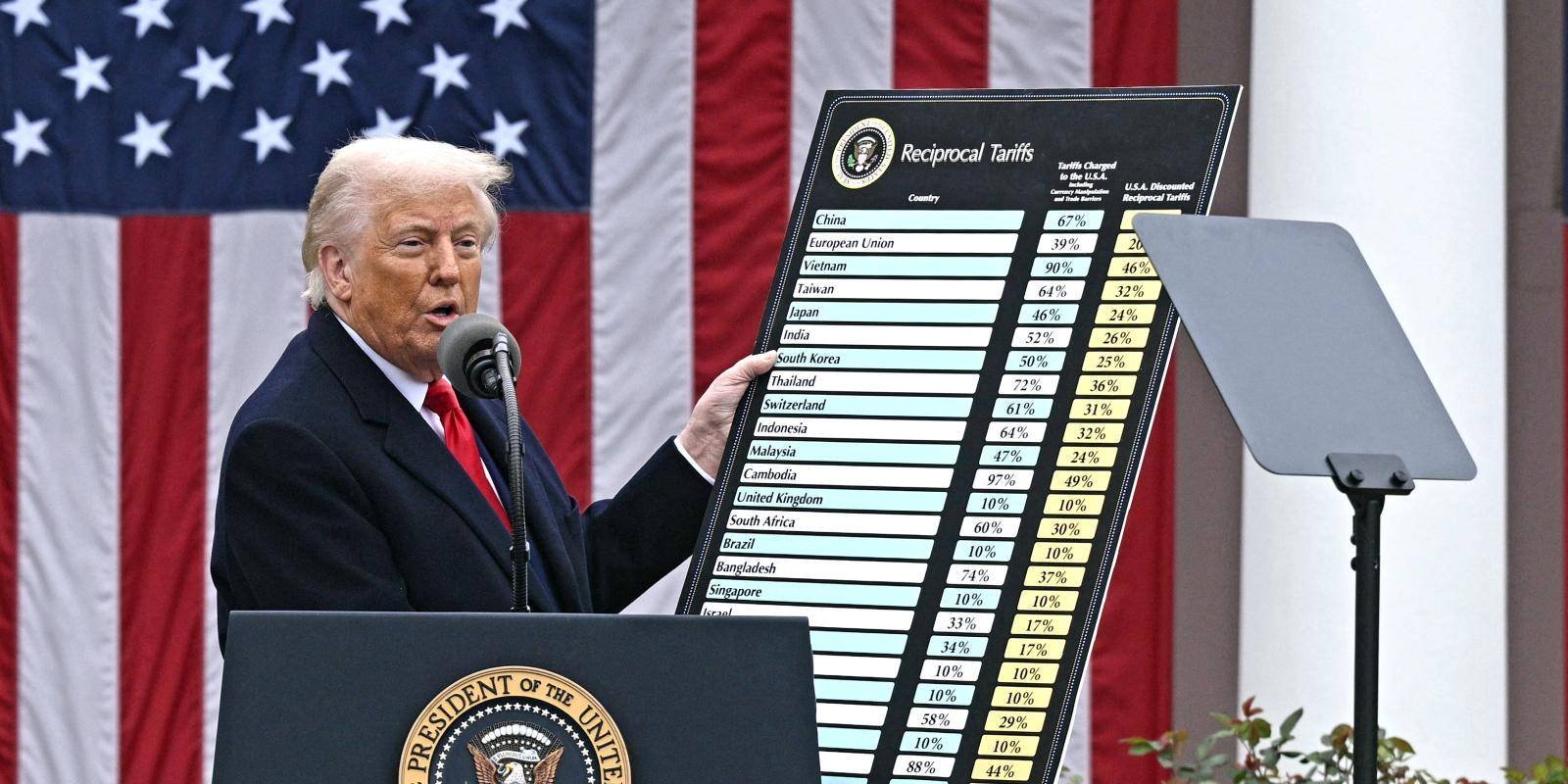
    The recent Supreme Court ruling invalidating President Trump’s broad import tariffs marks a turning point in U.S. trade policy. By declaring these tariffs unconstitutional under the International Emergency Economic Powers Act, the Court reaffirmed that sweeping trade measures require explicit Congressional authority. For businesses, this decision is more than a legal milestone; it presents both immediate relief and a framework for strategic foresight.

    Firms that previously faced inflated costs from tariffs can anticipate lower input prices, particularly in sectors dependent on imported raw materials such as manufacturing, construction, and electronics. Businesses awaiting refunds will need to manage cash flow carefully, as reimbursement processes may be slow and uneven. Smaller firms, in particular, must plan liquidity contingencies to bridge the gap until refunds are processed.

    Beyond immediate cost relief, the ruling highlights the importance of monitoring policy uncertainty. While these tariffs are struck down, the administration may explore alternative statutory mechanisms to reintroduce import duties. Businesses must therefore adopt dynamic risk assessment, modeling potential policy shifts and building flexibility into procurement, pricing, and inventory strategies.

    The broader economic lesson is clear: tariffs rarely achieve intended objectives without substantial cost to domestic businesses and consumers. In past years, U.S. firms absorbed most of the financial burden, either through higher input costs or price adjustments for consumers. Companies that anticipate shifts in trade policy can gain competitive advantage by diversifying supply chains, identifying alternative sourcing, and optimizing operational efficiency before competitors react.

    Strategically, the ruling offers a window for businesses to recalibrate. Firms can re-evaluate contracts, renegotiate supplier terms, and plan investments with a clearer expectation of costs. Importers can consider long-term agreements while monitoring potential new tariff routes. The key takeaway is that foresight and preparedness in the face of regulatory unpredictability is critical; organizations that proactively model scenarios are better positioned to maintain margins, respond to market shifts, and seize opportunities arising from competitors’ hesitation.

    In conclusion, while the Supreme Court decision mitigates immediate tariff pressures, it also underscores that trade policy remains volatile. Businesses that understand both the direct financial impact and the broader policy landscape can leverage this clarity to strengthen operations, reduce risk, and maintain strategic agility. Those who integrate foresight into planning will turn uncertainty into opportunity, navigating a complex trade environment more effectively than reactive competitors.

  • Japan, Iran and the Yuan: A New Threat to Dollar Dominance?

    Japan, Iran and the Yuan: A New Threat to Dollar Dominance?

    1 April 2026

    The U.S. dollar remains strong in the near term, supported by global uncertainty and its role as a safe-haven asset. However, recent developments involving Japan, Iran, and the Chinese yuan have introduced a new layer of uncertainty that could shape the future of global currency dynamics.

    At the center of attention is Iran’s reported push to explore oil transactions denominated in yuan, particularly in the context of heightened geopolitical tensions and disruptions around the Strait of Hormuz. As one of the world’s most critical energy chokepoints, any shift in how oil is traded through this region carries significant implications, not just for energy markets but for the global financial system.

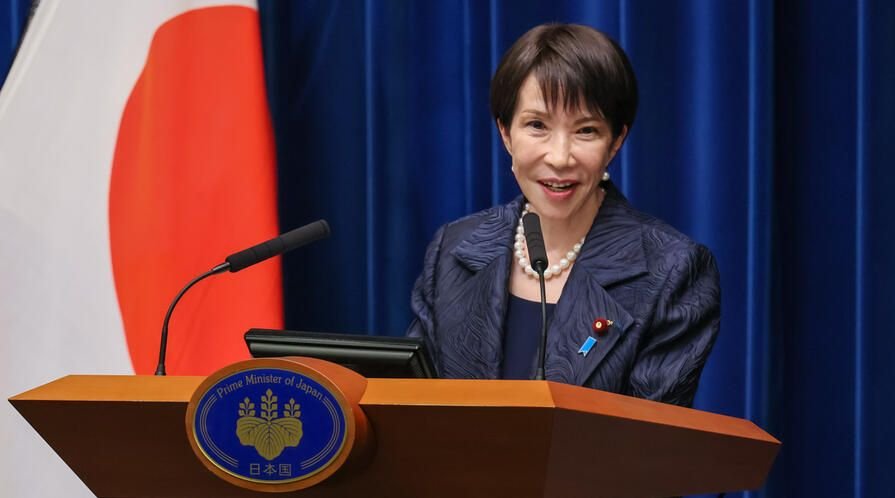
    Japan’s position adds further complexity. As a major importer of Middle Eastern oil and a key ally of the United States, Japan is highly sensitive to supply disruptions. While there is no confirmed agreement that Japan has shifted to yuan-based oil payments with Iran, discussions surrounding alternative settlement methods have been enough to capture market attention.

    For investors, the concern is not whether such a deal has already been finalized. Rather, it is the possibility that major economies could begin considering alternatives to the U.S. dollar under geopolitical pressure. Even limited adoption of yuan-based transactions in energy trade could signal a gradual shift in global market behavior.

    Iran’s strategy reflects a broader trend often described as de-dollarization. By promoting the use of yuan in oil transactions, Tehran is attempting to reduce reliance on the U.S. dollar while aligning more closely with China’s growing economic influence. This is not entirely new, as China has already engaged in non-dollar energy trade with certain partners. However, linking currency preferences to critical shipping routes introduces a more strategic dimension.

    Despite these developments, the dominance of the U.S. dollar remains intact. During periods of crisis, global capital continues to flow into dollar-denominated assets, reinforcing its position. This creates a dual dynamic where the dollar strengthens in the short term, even as long-term structural questions begin to emerge.

    The key issue lies in perception. Markets are forward-looking, and even early-stage discussions about alternative systems can influence sentiment. The idea that oil trade, historically anchored in dollars, could diversify into other currencies challenges a fundamental pillar of the global financial system.

    In conclusion, while there is no confirmed shift by Japan toward yuan-based oil transactions with Iran, the narrative itself is significant. It reflects a changing geopolitical environment where currency, energy, and strategy are increasingly interconnected.

    The dollar remains dominant today. But the growing discussion around alternatives suggests that its long-term trajectory may be entering a new phase of uncertainty.

  • Quantum Computing: The Next Digital Breakthrough or a Global Power Race

    Quantum Computing: The Next Digital Breakthrough or a Global Power Race

    2 April 2026

    Recent warnings from tech giants such as Google have reignited global concerns over quantum computing, particularly the concept of “Q-Day”, the moment when current encryption systems could be completely broken. What was once theoretical is now increasingly seen as an approaching reality.

    Origins and Key Players

    the foundation of quantum computing dates back to the 1980s, pioneered by physicists like Ricard Feynman and David Deutsch. They proposed that the principles of quantum mechanics could be used to process information far beyond the limits of classical computers.

    today, quantum development is driven not only by academia but also by major corporations such as IBM and Google, alongside government-backed initiatives. This signals that quantum computing is no longer just a scientific pursuit, it is a strategic asset in global competition.

    Global Leaders in Quantum Technology

    The race for quantum dominance is currently led by few key nations:

    1. United States – Home to leading firms and research labs, driving innovation through private sector investment

    2. China – heavily state-funded, focusing on quantum communication and national security

    3. European Union – investing billion into coordinated research programs

    Japan – advancing quantum computer as a strategic asset, not just a technology tool

    Can Developing Countries Catch Up?

    for developing nations, entering the quantum space is challenging but not impossible.

    barriers include:

    1. extremely high research and infrastructure cost

    2. shortage of specialized talent

    3. dependence on advance semiconductor supply chains.

    However, opportunity still exist:

    1. collaboration with global tech firms

    2. access to cloud-based quantum platforms

    3. investment in niche areas like quantum software and cybersecurity

    Who Can Access Quantum Computer?

    As quantum computing advances, one critical question emerges: who actually has access to this powerful technology?

    Limited Access But Not Completely Closed

    Contrary to popular belief, quantum computers are not fully open to the public, but they are also not entirely restricted.

    Today, access generally falls into three main groups:

    Big Tech & Research Institutions
    Companies like IBM and Google operate some of the most advanced quantum systems. These are primarily used for:

    internal research

    high-level experimentation

    strategic development

    Cloud-Based Access (Controlled Public Use)
    Interestingly, limited access is already available through cloud platforms such as IBM Quantum Experience.

    This means:

    1. students, researchers, and developers can experiment with quantum computing online

    2. however, access is restricted in power and scale

    Governments & Strategic Programs
    National governments have deeper and more classified access, especially for:

    1. cybersecurity

    2. military applications

    3. intelligence operations

    The Reality: Controlled, Strategic, and Unequal

    Quantum computing today exists in a semi-open ecosystem:

    1. Public – limited, experimental access

    2. Companies – controlled, advanced access

    3. Governments – strategic, high-level access

    This creates a technology gap between:

    1. developed vs developing nations

    2. large corporations vs small players

    Advantages: Unprecedented Computing Power

    Quantum computers have the potential to solve complex problems at speeds unimaginable with current technology. this open transformative opportunities in:

    1. Healthcare (faster drug discovery)

    2. Finance (advance risk modeling)

    3. Artificial Intelligence and Logistic optimization

    For the IT industry, this represents a major leap forwarding efficiency and innovation.

    Disadvantages: A Threat to Digital Security

    Despite its promise, quantum computing poses a serious threat to existing cybersecurity systems. Current encryption methods, which protect everything from banking system to personal data, could be rendered obsolete.

    The consequences could include:

    1. Exposure of sensitive financial data

    2. Compromised government systems

    3. Loss of trust in digital platforms, including cryptocurrencies

    More concerning is the “store now, decrypt later” strategy, where data stolen today can be decrypted once quantum technology becomes powerful enough.

    Winners and Losers

    Winners:

    1. technologically advanced nations

    2. big tech companies

    3. next-generation cybersecurity firms

    Losers:

    1. institutions relying on outdated systems

    2. smaller economies with limited resources

    3. unprepared digital ecosystems

    Opportunities in Disruption

    Despite the risks, quantum opens doors for:

    1. post-quantum cybersecurity solutions

    2. new tech investments

    3. innovation in digital infrastructure

    Conclusion

    Quantum computing is no longer just a scientific breakthrough, it is a global power race. As nations compete for dominance, the technology is set to reshape not only the IT landscape but also the balance of digital power worldwide.

    In this race, participation may define survival, but dominance could define control.

  • Stalled Diplomacy, Rising Pressure: Global Powers Push to Mediate as US–Iran War Intensifies

    Stalled Diplomacy, Rising Pressure: Global Powers Push to Mediate as US–Iran War Intensifies

    1 April 2026

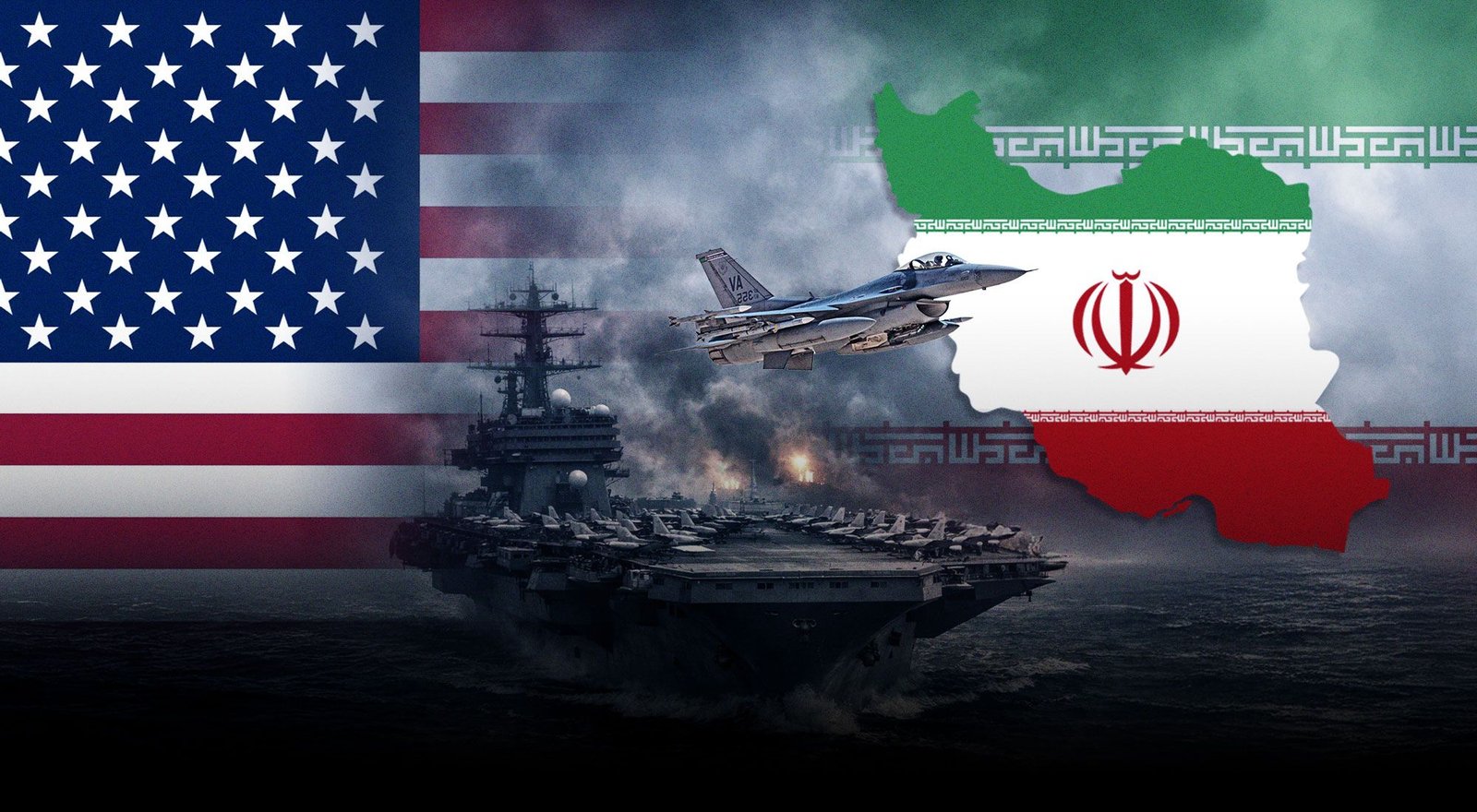
    The United States and Iran remain locked in escalating conflict as diplomatic efforts between the two sides appear to have collapsed, leaving the war to intensify with no clear resolution in sight. Despite earlier indirect contacts, both Washington and Tehran have confirmed that no formal negotiations are currently underway, deepening concerns of a prolonged regional crisis.

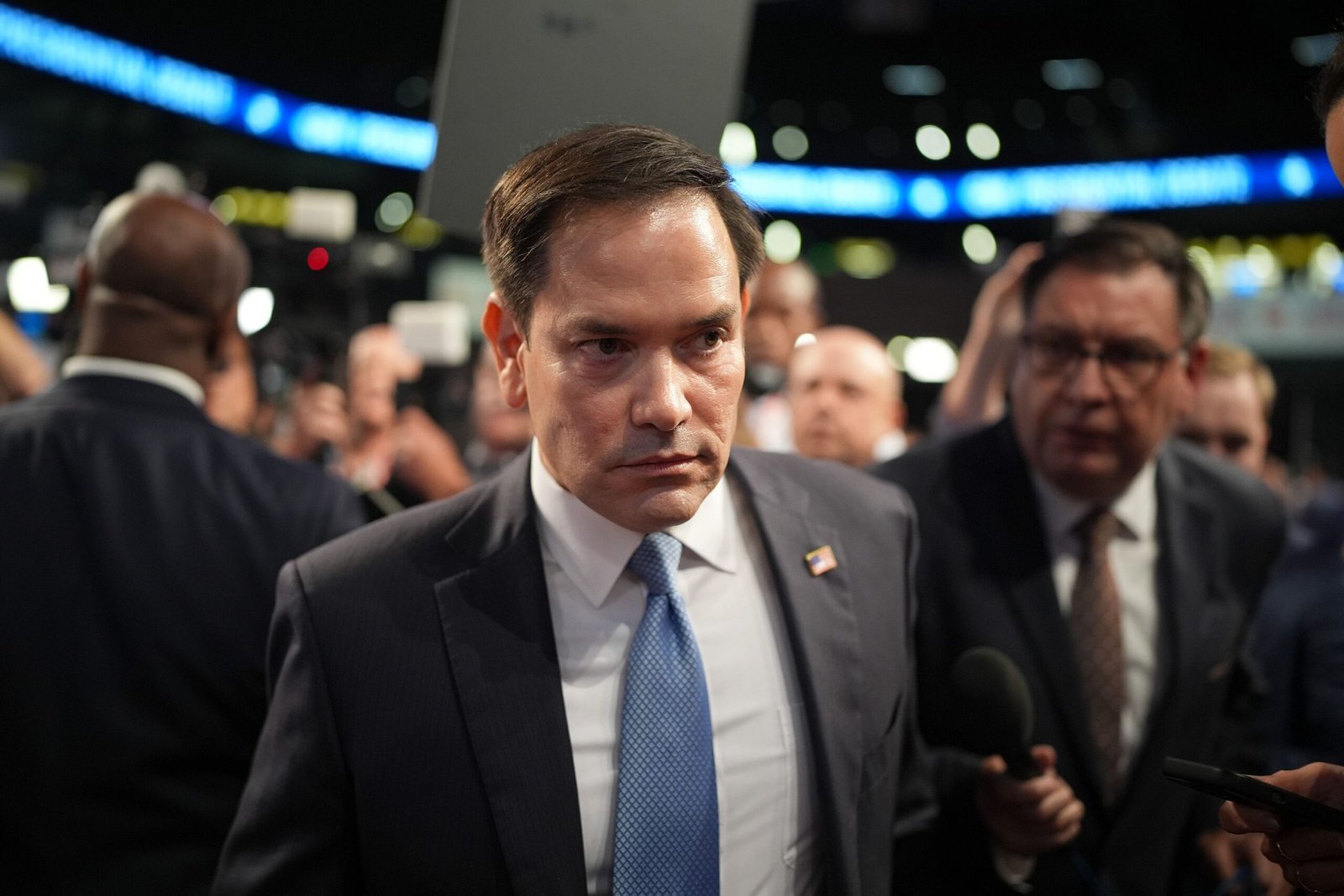
    U.S. Secretary of State Marco Rubio struck a cautiously optimistic tone, stating, “We can see a potential finish line, but it will require the right conditions and serious commitments from Iran.” However, he acknowledged that communication channels remain fragile and limited, with no structured peace talks taking place.

    From Tehran, Iranian Foreign Minister Hossein Amir-Abdollahian dismissed claims of ongoing negotiations, saying, “There are no direct talks with the United States. Messages may be exchanged, but Iran will not negotiate under pressure or aggression.” His remarks reflect Iran’s firm stance against entering dialogue while military operations continue.

    As the conflict drags on, other global powers are stepping in to fill the diplomatic vacuum. China has positioned itself as a key potential mediator, with Foreign Ministry spokesperson Wang Wenbin stating, “China supports all efforts that promote de-escalation and dialogue. A ceasefire is the urgent priority to avoid further instability.” Beijing, alongside Pakistan, has proposed a multi-point peace plan aimed at halting hostilities and reopening negotiations.

    The United Kingdom has also expressed readiness to assist in mediation. British Prime Minister Rishi Sunak urged restraint, saying, “The priority now must be de-escalation. The UK stands ready to support any credible diplomatic pathway that brings both sides back to the table.” His statement reflects growing concern among Western allies over the broader implications of the war.

    On the ground, the situation continues to deteriorate. U.S. forces have intensified strikes on Iranian-linked targets, while Tehran has responded with regional proxies and asymmetric tactics. The ongoing instability around key shipping routes, particularly the Strait of Hormuz, has raised alarm over global energy security and trade disruptions.

    Analysts warn that without direct engagement between Washington and Tehran, mediation efforts by third parties may struggle to achieve immediate results. Still, the involvement of major powers like China and the UK signals mounting international pressure to end the conflict before it spirals further.

    With casualties rising and economic shockwaves spreading, the absence of talks underscores a dangerous reality: while the war continues on the battlefield, diplomacy is now being fought and tested on a global stage.

  • Trump Signals Endgame in Iran War While Threatening NATO Exit and Allies

    Trump Signals Endgame in Iran War While Threatening NATO Exit and Allies

    1 April 2026

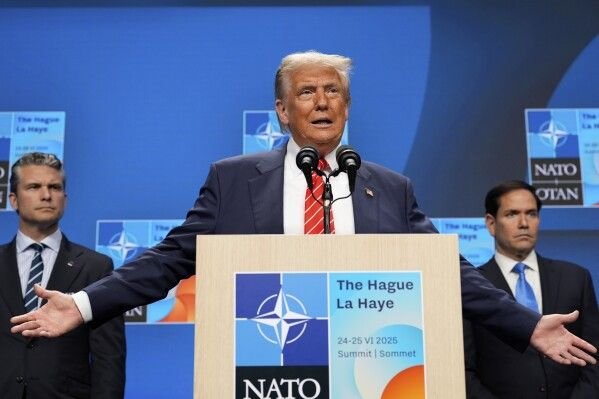
    Former U.S. President Donald Trump delivered a series of explosive statements today, suggesting that the ongoing conflict involving Iran could soon reach its conclusion, while simultaneously escalating tensions with traditional Western allies and the NATO alliance.

    Speaking to reporters, Trump claimed that the war effort had already achieved its primary objectives, describing Iran as “essentially decimated.” He added that the United States could wrap up its military involvement within “two to three weeks,” even without a formal peace agreement. The remarks signal what analysts believe could be a shift toward a rapid disengagement strategy, potentially leaving regional security responsibilities to other global powers.

    In a move that has alarmed European leaders, Trump issued a blunt warning to allies, particularly the United Kingdom and members of the European Union. “Go get your own oil,” he said, accusing them of failing to support Washington’s military campaign. He further warned that the United States “won’t be there to help anymore,” raising concerns about a long-term fracture in transatlantic relations.

    The rhetoric did not stop there. Trump also revealed that his administration is “strongly considering” withdrawing from NATO, the decades-old military alliance widely seen as a cornerstone of Western security. Labeling the alliance a “paper tiger,” Trump questioned its effectiveness and burden-sharing structure, a criticism he has repeatedly voiced in the past. A U.S. exit from NATO would mark a historic geopolitical shift, potentially reshaping global defense dynamics.

    On the domestic front, Trump signed a controversial executive order targeting U.S. election procedures. The order seeks to limit mail-in voting and establish a centralized national voter database. Critics, including several civil rights groups, argue that the measures could suppress voter participation and face immediate legal challenges. Supporters, however, claim the changes are necessary to ensure election integrity.

    Political observers note that Trump’s latest statements reflect a broader “America First” posture, combining military assertiveness with a reduced commitment to international alliances. While some view the potential end of the Iran conflict as a positive development, others warn that a sudden withdrawal paired with strained alliances could create a power vacuum in an already volatile region.

    As global leaders react cautiously, the coming weeks are expected to be critical in determining whether Trump’s remarks translate into concrete policy actions or remain part of his characteristic political messaging.