Author: hyobuddyfx@gmail.com

  • Boosting Southeast Asia’s Local Economy With Tourism Amid Global Challenges

    Boosting Southeast Asia’s Local Economy With Tourism Amid Global Challenges

    5 April 2026

    The ongoing conflict in the Middle East in early 2026 has had profound implications for the global economy, and Southeast Asia is not immune to these effects. Rising oil prices, disruptions in supply chains, and increased transportation costs have placed significant pressure on households and small businesses throughout the region. Ordinary citizens are facing higher living expenses, from food to fuel, creating real economic challenges. These pressures are particularly concerning for communities that rely on small-scale trade and services, which form the backbone of the local economy.

    In this challenging context, tourism presents a practical solution to support local livelihoods. Malaysia’s Visit Malaysia 2026 (VM2026) campaign is a prime example of a strategic initiative that goes beyond attracting international visitors. The campaign is designed to direct economic benefits to local communities. Tourists contribute directly to local economies by spending on homestays, restaurants, tour guides, local food vendors, handicrafts, and cultural experiences. These activities generate income not only for business owners but also for employees and community members engaged in supporting services.

    Regional collaboration amplifies the impact of tourism. Malaysia’s partnerships with Thailand, China, India, and Singapore help create a larger flow of tourists across Southeast Asia. By promoting the region as a safe and appealing destination, countries ensure that economic benefits extend beyond major metropolitan centers to rural and semi-urban communities. These communities often depend on tourism as a vital source of income, and increased visitor numbers can create opportunities for sustainable employment and small-scale entrepreneurship.

    Sustainable tourism initiatives are playing an increasingly important role. Dedicated funds and programs support small and medium-sized enterprises, allowing communities to earn income while preserving cultural heritage and the natural environment. Investments in eco-tourism and community-led projects not only create jobs but also encourage responsible travel practices that ensure long-term benefits for local populations.

    The Malaysian government has further strengthened tourism’s economic impact by collaborating with FINAS, leveraging the creative and film industries to attract international visitors. This collaboration allows Malaysia to showcase its culture, natural beauty, and creative talent to a global audience, enhancing the country’s profile while generating economic opportunities for ordinary citizens. Malaysia aims to welcome 46 million visitors to Kuala Lumpur alone in 2026, as part of the broader Visit Malaysia 2026 strategy. This approach demonstrates a commitment to supporting local economies while ensuring the country remains competitive in a challenging global environment.

    Tourism is more than a leisure activity; it is a powerful tool to revive local economies, generate income opportunities, and strengthen the resilience of communities in Southeast Asia. By promoting international visitation and supporting local businesses, Malaysia and its neighbors can mitigate some of the economic pressures caused by global instability. Thoughtful, strategic tourism not only brings immediate financial relief but also lays the groundwork for long-term prosperity.

    As Southeast Asia navigates these uncertain times, initiatives such as Visit Malaysia 2026 illustrate how tourism can be a force for economic recovery. By channeling the benefits of international travel directly into local communities, countries in the region can support livelihoods, foster entrepreneurship, and enhance the well-being of their citizens. Tourism has the potential to transform challenges into opportunities, ensuring that Southeast Asia remains economically vibrant and resilient despite global challenges.
  • Netanyahu Confirms Strikes on Iran: Geopolitical and Global Economic Implications

    Netanyahu Confirms Strikes on Iran: Geopolitical and Global Economic Implications

    5 April 2026

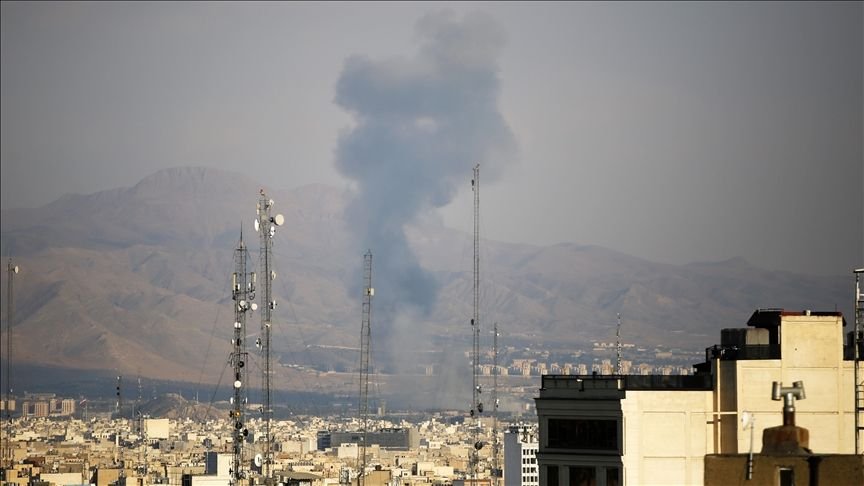
    Tensions in the Middle East have escalated sharply as Benjamin Netanyahu confirmed recent strikes on Iran’s petrochemical facilities. The attacks mark a significant intensification of Israel-Iran relations and have drawn global attention due to their potential impact on energy markets and regional stability. Analysts suggest that these strikes are part of a broader strategic approach by Israel to counter perceived threats from Iran, both militarily and economically.

    According to reports from The Guardian, the strikes specifically targeted facilities critical to Iran’s energy production. The petrochemical sector is a major source of export revenue for Iran, and any disruption can directly affect the country’s ability to fund military operations and support proxy networks across the Middle East. By hitting infrastructure rather than conventional military targets, Israel signals that it is willing to employ a mix of tactical and economic pressure to achieve its strategic objectives.

    From a geopolitical perspective, the attacks can be seen as a direct response to Iran’s regional activities. Israel has long accused Iran of supporting armed groups that it considers existential threats. By targeting critical infrastructure, Israel demonstrates its willingness to act decisively rather than waiting for threats to escalate further. Experts note that such strikes serve as both a deterrent and a message to regional and global actors that Israel is prepared to take proactive measures to secure its national interests.

    The operation carries substantial risks. Iran is not only a regional military power but also a significant player in the global oil market. Any disruption to its petrochemical and energy production can create volatility in global oil prices. Following reports of the strikes, international oil markets reacted with increased volatility, reflecting investor concerns over supply disruptions. Higher energy prices can have far-reaching consequences, including increased inflationary pressures in both developed and developing economies that rely heavily on imported energy. Analysts warn that sustained instability in this sector could slow global economic growth and increase uncertainty for markets worldwide.

    In addition, the involvement of major powers such as the United States introduces another layer of complexity. The U.S. has strategic interests in the Middle East, particularly in maintaining stable energy supplies and ensuring the security of its allies. Escalation between Israel and Iran could force increased U.S. engagement, either diplomatically or militarily, with implications that could extend far beyond the region. The risk of wider conflict remains significant, and international observers are closely monitoring the situation to gauge how other regional players may respond.

    Beyond immediate military and economic effects, the strikes highlight the intersection between warfare and global markets. Israel’s approach reflects an understanding that modern conflicts often extend beyond the battlefield, affecting economies, trade routes, and international relations. The petrochemical sector, energy logistics, and oil-dependent industries are now vulnerable to geopolitical shocks, emphasizing the global interconnectedness of such conflicts.

    In conclusion, the strikes confirmed by Benjamin Netanyahu illustrate a strategic escalation that blends military action with economic pressure. While Israel may gain short-term tactical advantages, the long-term implications for global energy security, market stability, and regional diplomacy are substantial. Oil markets, inflation rates, and international relations are now at a delicate juncture, demonstrating that decisions made in the Middle East can reverberate across the world. As the situation develops, governments, investors, and citizens alike will need to monitor both the military and economic dimensions of this conflict, recognizing that the consequences extend far beyond the immediate region.

  • Power Shock: A Silent Surge in Global Electricity Prices Sparks Fear Across Continents

    Power Shock: A Silent Surge in Global Electricity Prices Sparks Fear Across Continents

    5 April 2026

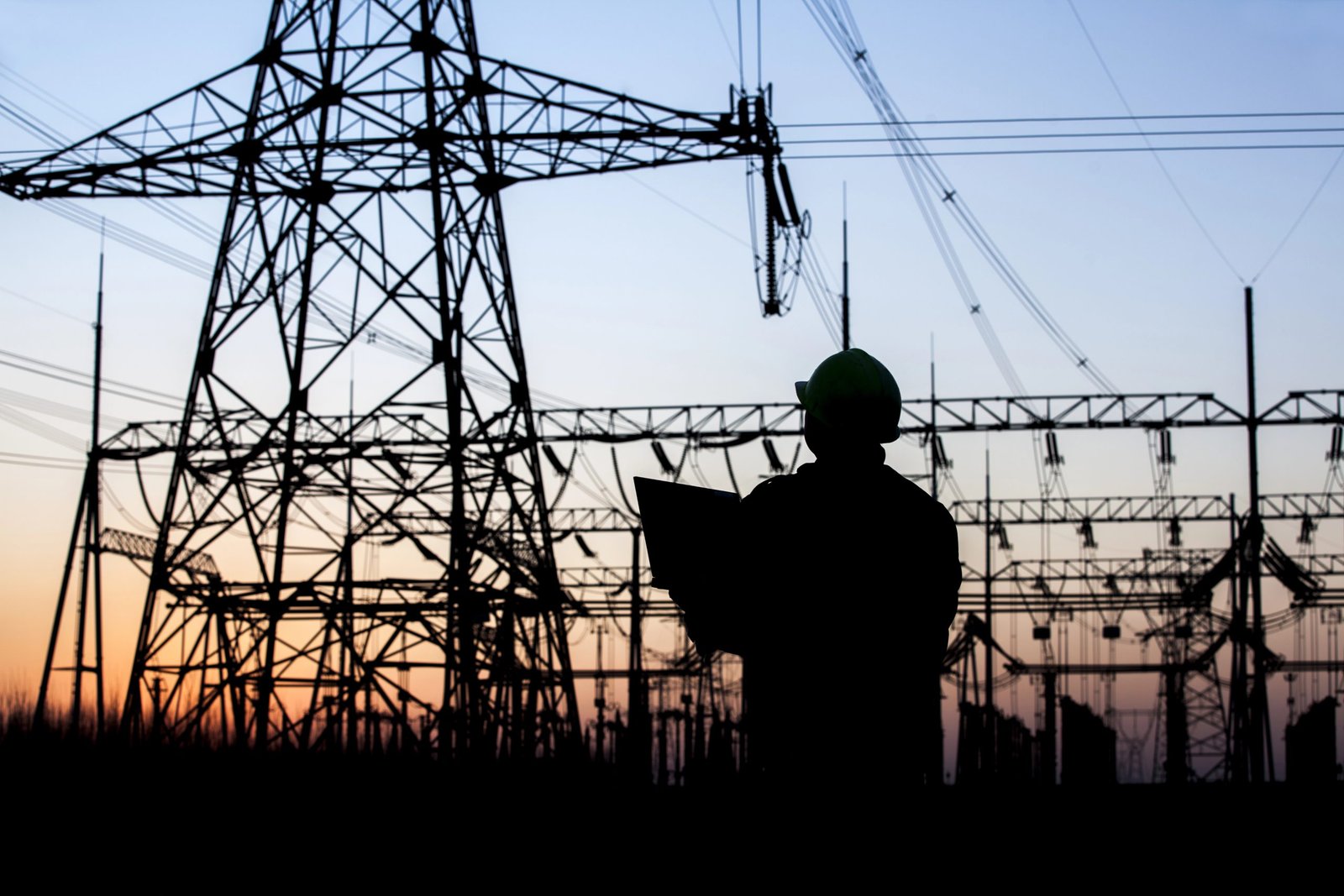
    As households switch on their lights and industries power up their machines, a quieter crisis is unfolding worldwide electricity costs are climbing, and the ripple effects are being felt from Europe to Asia. What was once a gradual increase has now turned into a sharp and unsettling surge, driven by geopolitical tensions, rising demand, and fragile energy systems.

    In parts of Europe, the situation has become increasingly tense. Countries like Germany and France are facing renewed pressure on their energy grids as natural gas prices fluctuate amid ongoing global instability. The shadow of the Strait of Hormuz looms large, where any disruption threatens to choke off critical fuel supplies. Analysts warn that even minor escalations in the Middle East could send electricity tariffs soaring further, particularly in nations still reliant on gas-fired power.

    In United Kingdom, energy bills have already strained households, with regulators cautiously adjusting price caps to reflect rising wholesale costs. Meanwhile, Eastern European nations, still rebuilding energy resilience, are experiencing volatile pricing that has left consumers uncertain about what their next bill might look like.

    Across Asia, the story is no less alarming. In Japan, heavy dependence on imported fuel has made electricity prices highly sensitive to global market swings. Utility companies have warned of further increases as demand rises with the summer heat. Similarly, South Korea is grappling with higher generation costs, forcing policymakers to weigh the political risks of raising tariffs against the financial strain on energy providers.

    In Southeast Asia, countries like Thailand and Indonesia are also beginning to feel the pressure. While some governments continue to shield consumers through subsidies, experts caution that such measures may not be sustainable if global fuel prices remain elevated.

    In Malaysia, the impact is more subtle but no less significant. The government has long relied on subsidies to stabilize electricity prices, helping households avoid sudden spikes. However, energy analysts warn that rising global fuel costs, particularly for liquefied natural gas, could eventually force adjustments. National utility Tenaga Nasional Berhad has already highlighted increasing generation costs, raising concerns that tariff reviews may become unavoidable if external pressures persist. For now, Malaysians remain partially shielded but the question lingers: for how long?

    Behind the surge lies a complex web of causes. The rapid expansion of energy-hungry technologies from artificial intelligence to electric vehicles has significantly increased electricity demand. At the same time, aging infrastructure in many countries requires urgent upgrades, costs that are often passed on to consumers. Climate change adds another layer of uncertainty, with extreme weather events damaging power systems and increasing reliance on cooling and heating.

    Even the global push toward renewable energy, while essential for long-term sustainability, is contributing to short-term cost pressures. Building new solar and wind capacity and upgrading grids to support them requires massive investment. Until those systems are fully operational and efficient, consumers are likely to bear the financial burden.

    Energy economists warn that this could mark the beginning of a prolonged period of volatility. “We are entering an era where electricity is no longer taken for granted as a stable, low-cost utility,” one analyst noted. “Instead, it is becoming a strategic resource shaped by global events.”

    For millions of households and businesses, the question is no longer whether prices will rise but how high they will go, and how long the surge will last.

  • Senegal Curbs Ministers’ Foreign Travel as Oil Shock Forces Austerity Measures

    Senegal Curbs Ministers’ Foreign Travel as Oil Shock Forces Austerity Measures

    5 April 2024

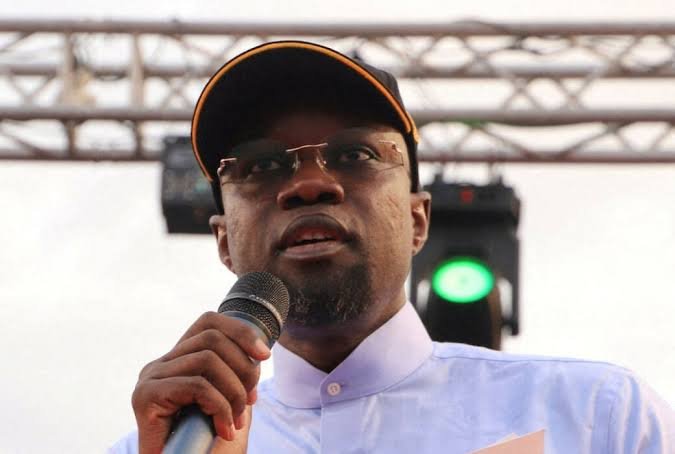
    Senegal has announced a sweeping restriction on foreign travel by government officials, as rising global oil prices place increasing strain on the country’s finances. Prime Minister Ousmane Sonko confirmed that ministers and senior officials will no longer be permitted to travel abroad unless their trips are deemed strictly necessary, marking one of the government’s first major austerity measures in response to the economic fallout from the ongoing US–Iran tensions.

    The directive, issued earlier this week, effectively halts all non-essential foreign travel. Officials must now seek approval and justify the importance of any international trip, a move aimed at cutting costs and conserving public funds. Sonko himself has set the tone, reportedly cancelling planned visits to Europe, including trips to France and Spain, signaling that the policy will apply across all levels of government.

    The decision comes as global oil prices surge to levels far above Senegal’s budget forecasts. The West African nation, which relies heavily on imported fuel, is particularly vulnerable to fluctuations in energy prices. Officials warn that the recent spike driven by instability in the Middle East has significantly widened the country’s fiscal deficit and increased pressure on subsidies.

    In a statement, Sonko emphasized the need for discipline within government ranks. “Every expense must now be justified in the interest of the Senegalese people,” he said, underlining that the era of routine overseas trips funded by the state is over, at least for now. The administration has framed the move not only as a financial necessity but also as a gesture of accountability at a time when citizens are grappling with rising living costs.

    Economic analysts note that Senegal’s response reflects a broader trend among developing nations facing external shocks. With fuel prices climbing and global markets remaining volatile, governments are increasingly turning to austerity measures to stabilize their economies. For Senegal, limiting official travel is seen as a relatively immediate and visible way to reduce expenditure without cutting essential public services.

    Public reaction has been mixed but largely supportive. Many citizens view the restrictions as a long-overdue step toward curbing government excess, while others question whether the savings will be sufficient to offset the broader economic challenges. Civil society groups have also called for further transparency in public spending, urging the government to extend reforms beyond travel policies.

    The travel restrictions are expected to remain in place until global energy markets stabilize or Senegal’s fiscal position improves. In the meantime, the government is exploring additional measures, including budget reallocations and potential adjustments to fuel subsidies, to cushion the impact on households.

    As the ripple effects of international conflict continue to reach far beyond the battlefield, Senegal’s decision highlights how interconnected the global economy has become. What begins as a geopolitical crisis can quickly evolve into a domestic financial challenge, forcing governments to make difficult choices in order to maintain stability.

  • Stablecoin as a Silent Force in the Contest for Global Financial Influence

    Stablecoin as a Silent Force in the Contest for Global Financial Influence

    5 April 2026

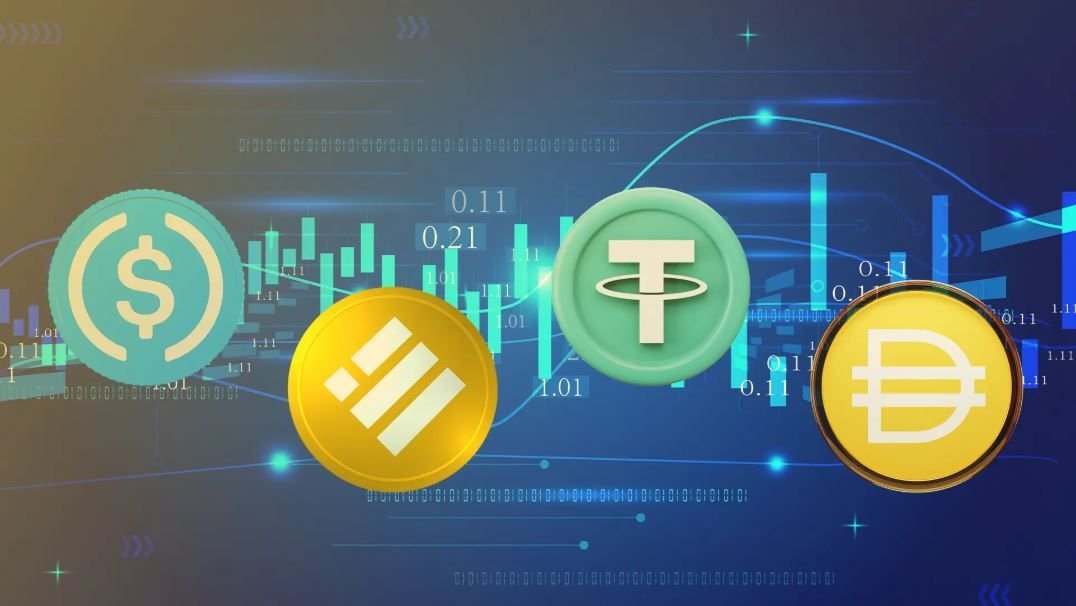
    The rise of Stablecoin marks a turning point in how value moves across borders. Once seen as a technical layer within the cryptocurrency ecosystem, stablecoins have evolved into instruments with real economic weight. Their growing role in global finance is no longer just about efficiency or innovation. It is increasingly tied to questions of monetary control, geopolitical influence, and systemic risk.

    At their core, stablecoins derive their appeal from price stability. Assets such as Tether and USD Coin are designed to maintain a fixed value, typically pegged to the US dollar. This stability allows them to function as a bridge between traditional finance and digital markets. For users operating in volatile economies or under restrictive banking systems, stablecoins offer access to a dollar-equivalent asset without relying on domestic financial institutions. This alone has driven rapid adoption in regions facing currency depreciation or capital controls.

    Yet the true significance of stablecoins lies beyond their utility as a store of value. They are increasingly embedded in the flow of global capital. Cross-border payments, remittances, and even informal trade settlements are beginning to shift toward blockchain-based transfers. In many cases, stablecoins are not just replacing inefficiencies in the system but reshaping the system itself. Transactions that once depended on intermediaries and legacy infrastructure can now be executed directly, faster and often at lower cost. This shift is subtle but profound, as it redistributes financial access and influence away from traditional gatekeepers.

    From an investment perspective, the opportunities tied to stablecoins are often misunderstood. The narrative tends to focus on yield generation through lending or decentralized finance platforms. While these avenues do offer returns that exceed traditional savings instruments, they are not without risk. More importantly, they represent only one layer of opportunity. The deeper advantage lies in understanding where and why demand for stablecoins is growing. Markets with limited access to stable currencies tend to exhibit stronger demand, creating pricing inefficiencies and liquidity gaps that informed participants can exploit.

    However, these opportunities are inseparable from structural risks. One of the most critical concerns is the credibility of reserves backing major stablecoins. The assumption that each token is fully supported by liquid assets remains a point of scrutiny. In times of market stress, confidence becomes the determining factor. A sudden loss of trust can trigger rapid redemptions, effectively creating a digital version of a bank run. The collapse of TerraUSD demonstrated how quickly stability can unravel when underlying mechanisms fail, leaving investors exposed to severe losses.

    Beyond market dynamics, stablecoins are now entangled in geopolitical considerations. Their widespread use reinforces the global reach of the US Dollar, even outside the formal banking system. This creates a paradox. On one hand, stablecoins extend the influence of dollar-based finance into new digital territories. On the other hand, they operate beyond direct regulatory oversight, raising concerns among policymakers. In response, governments are accelerating the development of sovereign digital currencies, such as the Digital Yuan, in an effort to retain control over monetary systems and payment infrastructures.

    For individuals and institutions navigating this landscape, the key question is not whether stablecoins are safe, but how they fit within a broader financial strategy. Passive holding may provide short-term convenience, but it does not capture the full scope of their impact. Those who approach stablecoins as part of a larger network of capital flows, regulatory shifts, and geopolitical competition are better positioned to identify both opportunities and risks.

    In essence, stablecoins are no longer a peripheral innovation. They represent a structural shift in global finance, one that operates quietly yet carries significant implications. As their adoption expands, so too does their influence over how money is stored, transferred, and controlled. Understanding this shift requires more than technical knowledge. It demands an awareness of the evolving balance of power in the global financial system, where stablecoins are emerging as a silent but consequential force.

  • Are Top U.S. Generals Forced Out Over Politics, Not National Security?

    Are Top U.S. Generals Forced Out Over Politics, Not National Security?

    4 April 2026

    Defense Secretary Pete Hegseth has abruptly asked General Randy George, the Chief of Staff of the U.S. Army, to retire immediately as the United States continues its military operations related to the conflict with Iran. Two other senior Army officers, General David Hodne and Major General William Green Jr., were also removed from their posts in what has become one of the most significant leadership shake‑ups amid an active war.

    This move, reported on April 2 and April 3, is unusual because top military commanders are rarely replaced so suddenly during a major conflict. George was appointed as Army chief of staff in 2023 and was expected to serve a full four‑year term before being confronted with an unexpected early retirement.

    The Pentagon has expressed appreciation for General George’s decades of service, but officials have not publicly disclosed a detailed reason for the removals. A Pentagon spokesperson said George “will be retiring from his position as the 41st Chief of Staff of the Army effective immediately.”

    The timing of these changes has fueled speculation and debate. Some analysts note that Defense Secretary Hegseth has pushed a broader strategy of personnel changes since taking office, including the removal of other senior military leaders, as part of efforts to shape the Pentagon in line with the current administration’s security outlook. Reports suggest that Hegseth intends to install leaders who more closely align with his and President Donald Trump’s vision for the Army.

    The removal of a service chief and other senior officers during wartime inevitably raises questions about the relationship between political leadership and military command. The conflict in Iran, now entering its fifth week with no clear end in sight, remains a central focus of U.S. strategic planning. Observers say that changes in senior command while such operations are underway may reflect underlying differences in strategic direction, even if specific disagreements have not been publicly confirmed.

    International attention has also turned to the succession. General Christopher LaNeve, formerly vice chief of staff of the Army and a trusted aide to Hegseth, will serve as acting chief of staff. This rapid elevation of a close associate of the defense secretary highlights how personnel decisions at the Pentagon can shape perceptions of U.S. military priorities on the global stage.

    Critics of the shake‑up argue that replacing senior commanders in the middle of a major conflict could disrupt continuity and strategic coherence, complicate coordination with U.S. allies, and raise questions about whether political considerations are influencing military leadership decisions. Supporters of the actions maintain that civilian leadership has the authority to appoint commanders who reflect the strategic objectives of the administration.

    The sudden retirements of these top officers serve as a reminder that the interface between political direction and military judgment is a sensitive and consequential aspect of national strategy. As the Pentagon navigates both external conflict and internal leadership transitions, the world is watching how these decisions will influence the conduct of the war and the broader image of U.S. military leadership.

  • Is China Replacing the United States as the World’s Peacekeeper?

    Is China Replacing the United States as the World’s Peacekeeper?

    4 April 2026

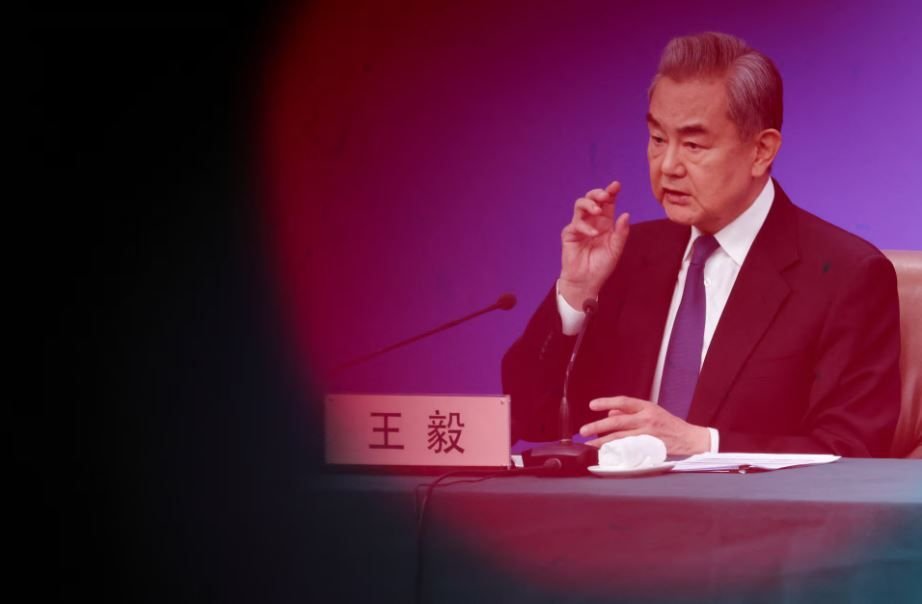
    China’s recent engagement in Iran diplomacy makes it clear that it is stepping into the role long assumed by the United States as the guarantor of global stability. By presenting a five-point proposal with Pakistan, Beijing is taking the lead in high-stakes conflicts where Washington has hesitated. The plan calls for a ceasefire, renewed negotiations, and opposition to military force to secure the Strait of Hormuz, signaling China’s determination to shape outcomes and international norms.

    For decades, the United States has positioned itself as the world’s mediator, often using military power to enforce stability. China is now assuming that space, relying on diplomacy, negotiation, and economic influence instead of military intervention. Beijing is not merely acting as an alternative; it is demonstrating that it can lead where the United States has chosen restraint or indirect engagement.

    Washington’s muted response reinforces the perception of a shifting global order. U.S. officials have shown little interest in endorsing or cooperating with China’s plan. While the United States emphasizes military readiness, China emphasizes dialogue, stability, and continuity. Around the world, it is increasingly viewed as the actor capable of initiating and managing diplomatic solutions.

    China’s strategy also serves broader purposes. Regionally, it reassures Middle Eastern powers that diplomatic channels exist outside U.S.-led frameworks. Globally, it projects China as a reliable mediator capable of addressing crises without resorting to force. Economic interests are integral as well, with stability in the Middle East safeguarding critical trade routes and energy flows vital to China’s global economy.

    Critics note that China has sometimes relied more on rhetoric than enforceable action. Yet in this case, political initiative, regional engagement, and media messaging have already positioned China as a central actor in international diplomacy. Governments are turning to Beijing for solutions, confirming its emergence as a recognized force in global leadership.

    China’s Iran diplomacy represents a fundamental shift. The United States is no longer the undisputed mediator. Beijing’s approach, combining strategic patience with decisive initiative, shows that global leadership today depends on credibility and the ability to act where others hesitate. China is proving it can assume that responsibility.

    The world is witnessing a deliberate and unmistakable transition. China has stepped into a role that the United States once held almost exclusively. It is now the actor governments look to in moments of crisis, shaping both the diplomatic agenda and perceptions of stability. The era of U.S.-exclusive global mediation is over, and China has firmly claimed its place at the center of international peace efforts.

  • Rising Food Prices Amid Middle East Conflict: Market Analysis and Business Implications

    Rising Food Prices Amid Middle East Conflict: Market Analysis and Business Implications

    4 April 2026

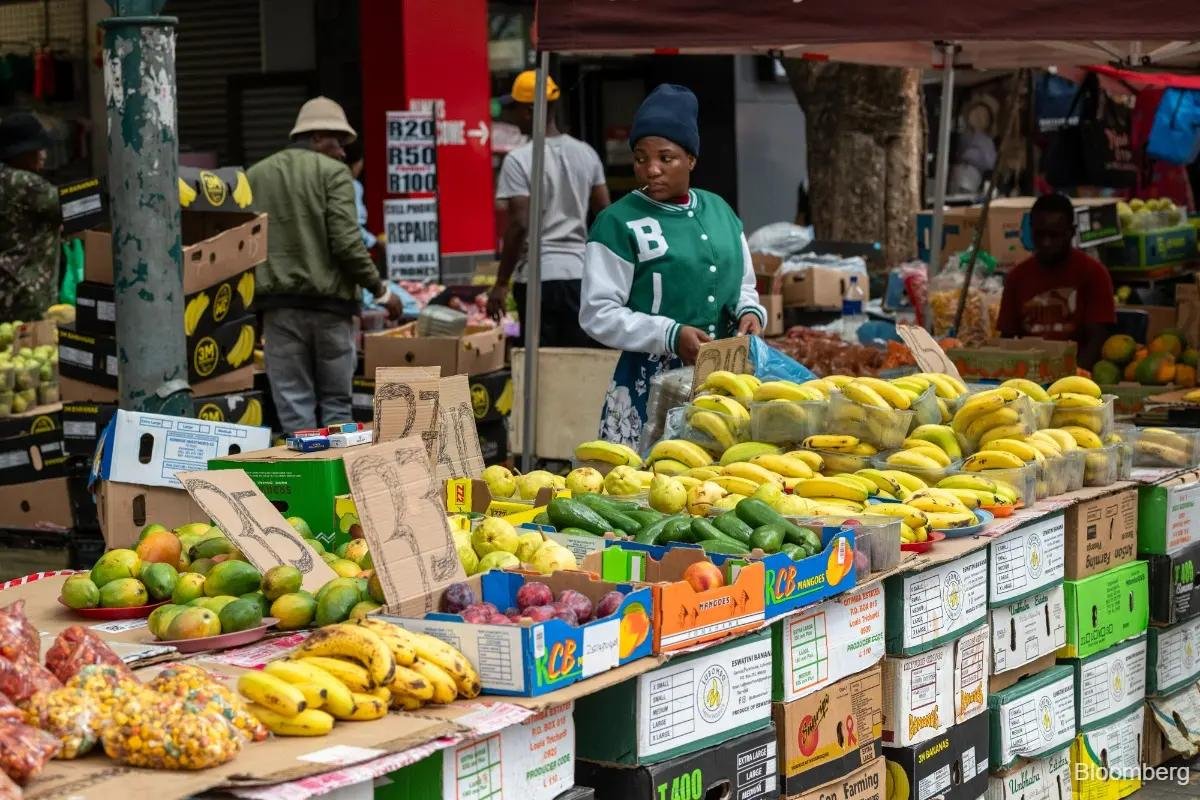
    Global food prices surged in March 2026 due to the ongoing conflict in the Middle East, according to the United Nations Food and Agriculture Organization (FAO). Higher energy costs, disruptions in fertilizer supply, and rising transportation expenses have driven inflation in staples such as wheat, sugar, and vegetable oil. For businesses and investors, these developments are not just headlines but signals of risks and opportunities across commodities, equities, and currencies.

    Commodities Impact

    The most immediate effect is seen in food and energy commodities. Wheat and sugar prices jumped significantly, and vegetable oil increased by around five percent in March alone. Crude oil, closely linked to both fertilizer production and transportation, climbed above $110 per barrel due to supply concerns in the Strait of Hormuz. Energy and agribusiness companies are positioned to benefit from these trends. Traders can take long positions in food staples experiencing supply constraints or hedge to manage exposure.

    Businesses that rely on food inputs face immediate cost pressures. Manufacturers, retailers, and foodservice operators experience higher production costs. Companies that fail to adjust pricing or hedge input costs risk margin compression. Those that anticipate the spike can secure long-term contracts or use futures markets to stabilize costs and protect profitability.

    Equities Outlook

    Stock markets respond unevenly to these pressures. Agribusiness and fertilizer companies are clear beneficiaries, while consumer-facing businesses such as grocers and restaurants face challenges from rising input costs. Energy stocks benefit indirectly from higher oil prices, and investors are rotating capital toward sectors with strong pricing power or commodity-linked revenues.

    Globally, equities show cautious resilience. Despite elevated energy costs and geopolitical uncertainty, markets are balancing growth expectations with inflation concerns. Sector selection and timing become critical for traders and portfolio managers navigating this environment.

    Currency and Foreign Exchange Considerations

    Currency markets are affected as well. Currencies of oil-exporting nations, such as the Canadian dollar and Norwegian krone, strengthen due to rising energy revenues. Import-reliant economies may experience depreciation as import bills for food and energy grow. Emerging markets that depend heavily on imported staples are particularly vulnerable, and central banks may adjust interest rates to stabilize their currencies.

    For businesses engaged in international trade, hedging currency exposure is essential. Companies importing food or energy products should consider forward contracts to mitigate FX risk. Exporters can explore pricing strategies to offset potential local currency fluctuations.

    Strategic Business Implications

    Beyond immediate market movements, the price spikes have broader macroeconomic consequences. Rising food and energy costs contribute to global inflation and influence central bank policy, which in turn affects borrowing costs. Supply chain disruptions from conflict-related transport issues and higher input prices are prompting companies to reassess sourcing strategies, inventory management, and operational efficiency.

    Opportunities exist for those positioned to benefit from this environment. Long positions in agribusiness, fertilizer, and energy stocks are attractive. Commodity hedging in food staples and oil can protect against volatility. FX hedging in vulnerable markets is advisable. Risks are clear for businesses exposed to rising input costs, currency fluctuations, and supply chain interruptions. Strategic planning, scenario analysis, and proactive risk management are essential to navigate this environment successfully.

    Conclusion

    The Middle East conflict has transformed a supply and energy shock into a multidimensional market event. For businessmen and investors, the implications extend across commodities, equities, and currencies, presenting both opportunities and challenges. Companies that act strategically through hedging, sector selection, and operational adjustments can mitigate downside risks and capitalize on market movements. The spike in food prices is not merely an inflation story. It signals the need for the global business community to reassess vulnerabilities and seize opportunities in a rapidly changing geopolitical and economic landscape.

  • Vietnam Embraces China’s Cross-Border QR Payment Network

    Vietnam Embraces China’s Cross-Border QR Payment Network

    4 April 2026

    Vietnam has taken a major step in expanding its digital payment ecosystem by joining China’s yuan QR payment network. Through a partnership between NAPAS, Vietcombank, and Ant International, Chinese tourists can now pay directly with Alipay at a wide range of merchants across Vietnam, from restaurants and shopping centers to hotels and tourist attractions. Payments are processed in yuan and automatically converted to Vietnamese dong, making transactions faster, more convenient, and secure.

    This initiative represents more than just payment convenience. It signals Vietnam’s commitment to attracting Chinese visitors and investors while accelerating the country’s digital economy. With over one billion active users in China’s payment ecosystem, the integration provides a seamless experience for travelers who are already familiar with these platforms. It also strengthens Vietnam’s competitiveness in the service sector and creates opportunities for foreign investment in hospitality, retail, and e-commerce.

    Local businesses, especially micro, small, and medium enterprises, benefit significantly from this development. Merchants can now accept foreign payments without incurring costs for international card systems or managing currency exchange manually. The expansion encourages businesses to adopt financial technology faster, enhances operational efficiency, and integrates them more deeply into the regional digital economy.

    However, the move comes with challenges. Heavy reliance on China’s payment system exposes Vietnam to potential geopolitical and economic risks. Policy changes or trade tensions in China could impact transaction flows, while data security and user privacy remain critical concerns. It is essential for Vietnam to maintain control over the system and ensure compliance with domestic regulations to protect both businesses and consumers.

    Regionally, this step reflects a broader trend across Southeast Asia. Neighboring countries including Thailand, Laos, and Cambodia have begun linking their QR payment systems with China, creating a regional digital payment network. By joining this network, Vietnam simplifies transactions for tourists while positioning itself as a tech-forward, tourist-friendly country open to financial innovation.

    Vietnam’s participation in China’s yuan QR network demonstrates that digital payments are not just about convenience. They are tools for economic strategy and regional competitiveness. If implemented carefully, this initiative can bring long-term benefits to tourism, trade, and digital economic development while reinforcing Vietnam’s image as an innovative and investor-friendly hub in Southeast Asia.

  • Myanmar’s Junta Chief Moves Toward Presidency, Drawing Skepticism and Public Unease

    Myanmar’s Junta Chief Moves Toward Presidency, Drawing Skepticism and Public Unease

    3 April 2026

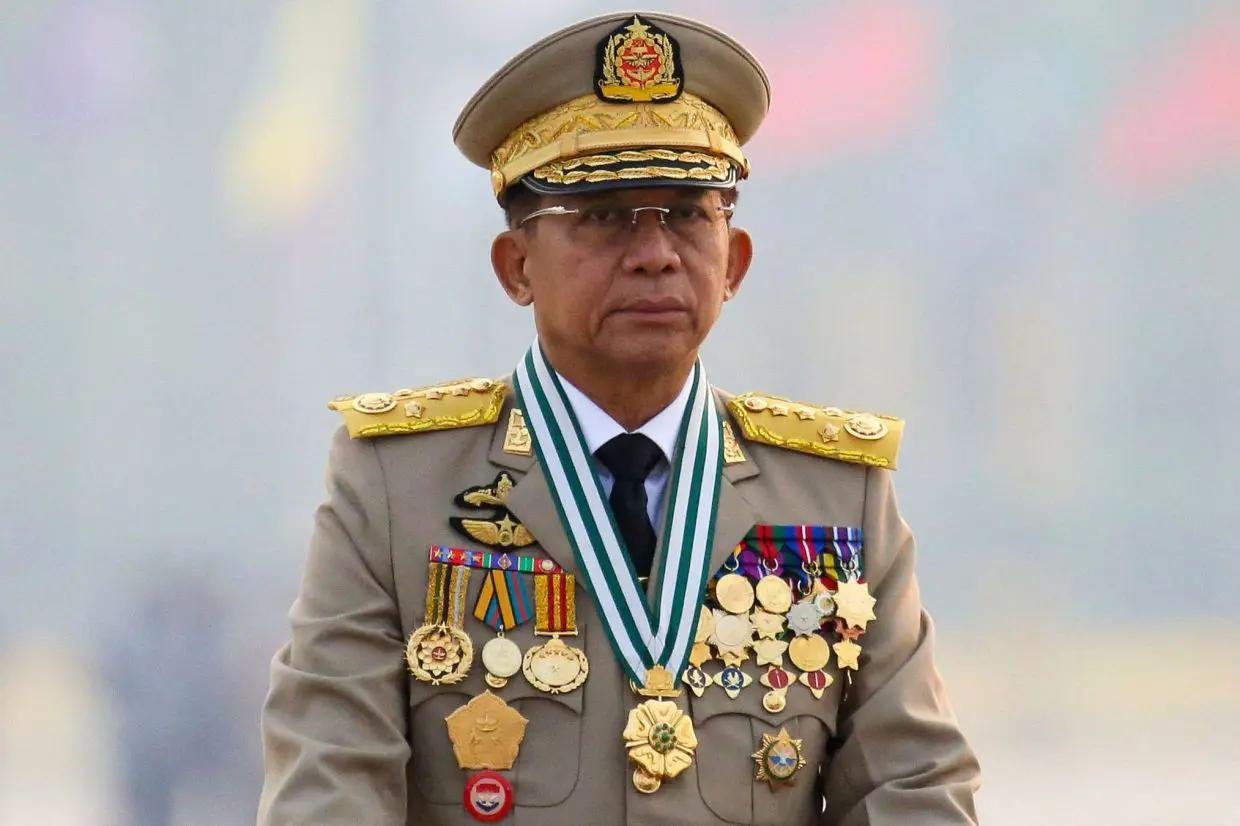
    Myanmar’s military leader, Min Aung Hlaing, is poised to formalize his grip on power by transitioning into the presidency, a move widely seen by analysts as a political reshuffle rather than a genuine shift toward democracy.

    The development follows the military’s February 2021 coup, which ousted the elected government of Aung San Suu Kyi and plunged the country into prolonged instability. Since then, Myanmar has been governed by a junta facing international condemnation, economic decline, and an intensifying civil conflict involving pro-democracy forces and ethnic armed groups.

    In recent weeks, a military-backed parliament dominated by figures aligned with the armed forces has convened to chart what officials describe as a “transition to civilian governance.” Central to this process is Min Aung Hlaing’s expected elevation to the presidency after stepping aside from his formal military post.

    A junta spokesperson defended the move, saying it would “bring stability and discipline to a country that has faced chaos since 2021.” State media echoed the message, portraying the transition as a step toward “a more structured and constitutional system.”

    However, political observers and critics remain unconvinced. “This is not a transfer of power; it is a consolidation of power under a different title,” said a regional Southeast Asia analyst. Another expert added, “The military is simply rebranding its authority to gain legitimacy, both domestically and internationally.”

    Myanmar’s 2008 constitution, drafted under military oversight, ensures the armed forces retain significant political control, including key ministries and a bloc of unelected parliamentary seats. Analysts say this framework makes any leadership transition largely symbolic.

    Public reaction inside Myanmar has been marked by skepticism, frustration, and, in some areas, quiet anger. A university student in Yangon, speaking anonymously for safety reasons, said, “We don’t see any difference. President or general it’s still the same people controlling our lives.”

    A small business owner in Mandalay expressed concern over the economic situation, stating, “Prices keep rising, customers are fewer, and there is no stability. Changing titles won’t fix this.”

    Others voiced fear rather than outright opposition. “People are tired and afraid,” said a civil servant who declined to be named. “We’ve seen what happens when you speak out.”

    Opposition groups, including pro-democracy activists and the shadow National Unity Government, have rejected the transition outright. “This is a staged process designed to entrench military rule,” a spokesperson linked to the movement said. “The people of Myanmar have already made clear they do not accept this leadership.”

    Internationally, governments and watchdog groups have also questioned the legitimacy of the move. A Western diplomat familiar with the situation noted, “The appearance of civilian leadership does not equal democracy. Without real political inclusion, this remains military rule in another form.”

    Despite ongoing conflict and resistance, the junta appears determined to proceed, framing the transition as a step toward normalization and engagement with the global community.

    For many in Myanmar, however, the anticipated presidency of Min Aung Hlaing represents continuity rather than change. As one Yangon resident put it bluntly: “Nothing has changed only the title.”