25 April 2026
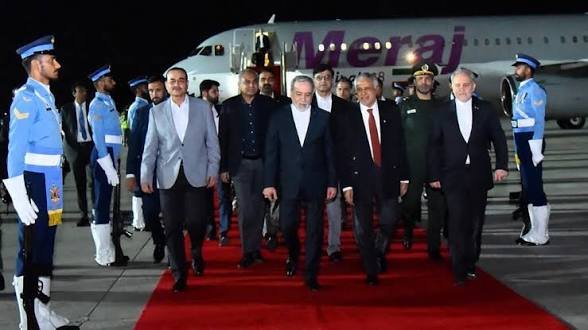
Tensions surrounding the ongoing Iran conflict remain high, but a new round of diplomatic activity is offering a cautious signal that communication channels are still open. Today, Iran’s top diplomat, Abbas Araghchi, arrived in Islamabad for meetings with Pakistani officials, while the United States announced that its envoys would also travel to the Pakistani capital in a renewed push for dialogue.
However, despite overlapping visits, hopes for direct negotiations were quickly tempered. Iranian officials made it clear that no face-to-face meeting with US representatives is planned, emphasizing that any communication would take place indirectly through Pakistan. This approach highlights both the deep mistrust between the two sides and the fragile nature of ongoing diplomatic efforts.
The United States is sending senior envoys, including Steve Witkoff and Jared Kushner, to Islamabad. Washington has framed the trip as part of a broader effort to explore pathways toward de-escalation, particularly as the conflict continues to strain global stability. Yet Iran’s refusal to engage directly underscores the limitations of these efforts and signals that any breakthrough remains distant.
Pakistan’s role has become increasingly central in this phase of the crisis. Positioned as a neutral intermediary, Pakistan is facilitating indirect exchanges between Tehran and Washington. This is not the first time Islamabad has hosted such efforts; earlier talks held in the city failed to produce a meaningful agreement, but both sides appear willing to keep the channel open rather than risk a complete diplomatic breakdown.
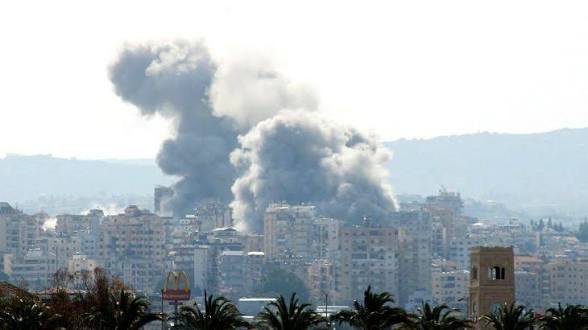
The broader context of these developments is a prolonged and volatile conflict that has already had significant geopolitical and economic consequences. Fighting and strategic posturing have raised concerns about the security of key maritime routes, particularly the Strait of Hormuz, through which a large portion of the world’s oil supply passes. Disruptions in this area have sent shockwaves through global energy markets, contributing to price volatility and uncertainty for importing nations.
Although a fragile ceasefire has held in some areas, the situation remains precarious. Military readiness on both sides has not significantly decreased, and sporadic incidents continue to threaten the stability of the region. In this context, even indirect talks carry weight, as they represent one of the few mechanisms available to prevent further escalation.
Analysts caution, however, that the current diplomatic format is unlikely to yield rapid results. Indirect negotiations tend to be slower and more complex, often requiring multiple rounds of shuttle diplomacy before any concrete progress can be achieved. Key issues including Iran’s regional activities, security guarantees, and economic sanctions remain deeply contested and difficult to resolve.
Still, the decision by both sides to engage, even indirectly, is being viewed as a modest but important step. It suggests that neither Washington nor Tehran is ready to abandon diplomacy entirely, despite the ongoing conflict and previous failed attempts at negotiation.
For now, the meetings in Islamabad are less about striking an immediate deal and more about maintaining a line of communication in a highly volatile environment. Whether these efforts can evolve into meaningful negotiations or eventually direct talks will depend on shifts in political will, battlefield dynamics, and international pressure in the weeks ahead.
As the situation continues to unfold, the world will be watching closely to see whether this cautious diplomatic opening can help ease one of the most dangerous confrontations in the region today.
Leave a Reply