Washington D.C 14 April 2026
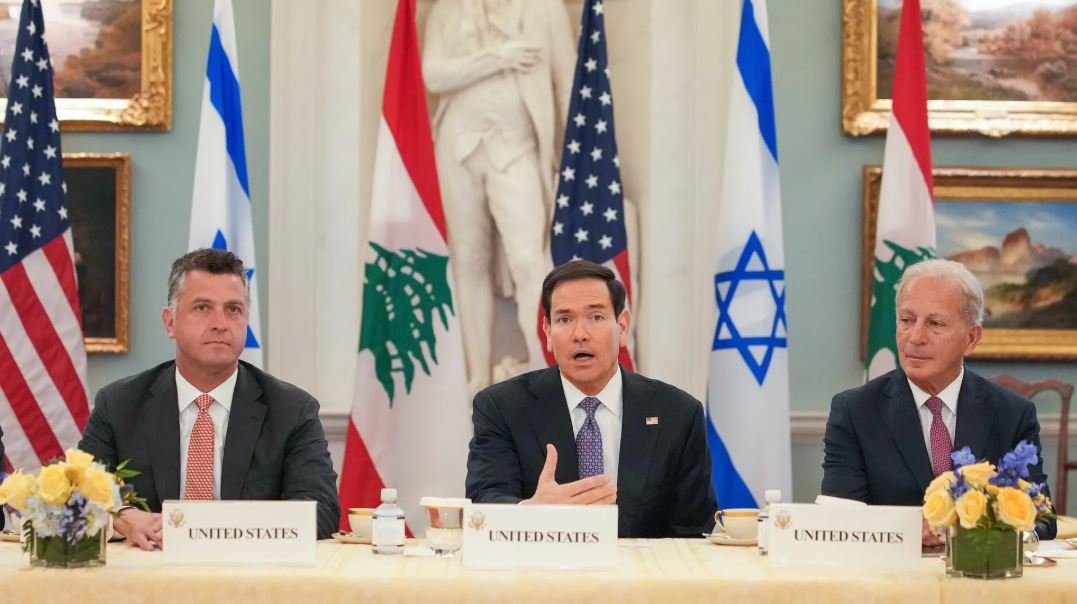
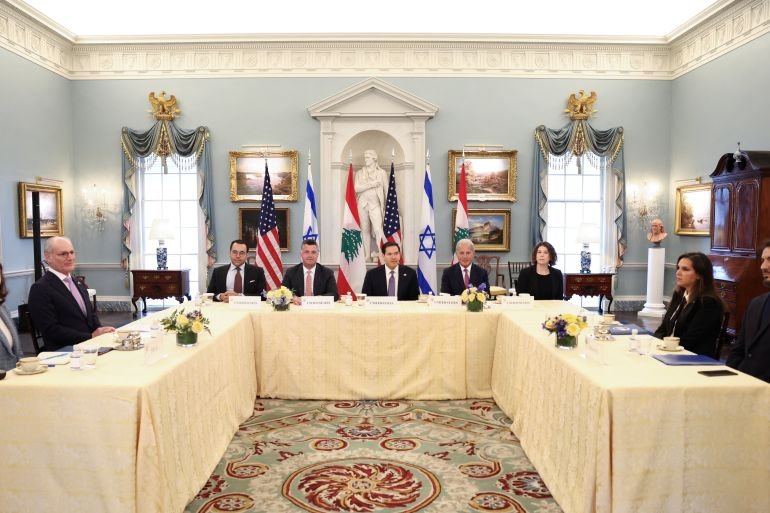
In a rare and potentially historic development, officials from Israel and Lebanon have held their first official meeting since 1993, signaling a cautious step toward dialogue after decades of hostility. The talks were held in Washington, D.C., at the United States Department of State, marking a significant diplomatic moment amid escalating tensions in the Middle East.
The last time both sides engaged in formal discussions was in the aftermath of the 1993 Israel–Lebanon conflict, a period marked by intense fighting and deep mistrust. Since then, communication has largely been indirect, often facilitated by international intermediaries such as the United Nations. This latest meeting, hosted by the United States, represents a break from decades of silence and confrontation.
According to diplomatic sources, the talks were attended by senior representatives from both sides, including Israel’s ambassador to the United States and Lebanon’s ambassador to the United States. The meeting was mediated by Marco Rubio, who played a central role in bringing the two parties together. Discussions focused on urgent security concerns, including ongoing cross-border violence, ceasefire possibilities, and mechanisms to prevent further escalation.
The meeting comes against the backdrop of a sharp rise in hostilities along the Israel–Lebanon border. Israeli airstrikes have targeted positions in southern Lebanon, while the Lebanese armed group Hezbollah has launched rockets into northern Israel. These developments have raised fears that a broader regional conflict could erupt if tensions continue unchecked.
Although no formal agreement was announced, both sides described the talks as constructive and agreed on the importance of maintaining communication. Analysts say the mere fact that such a meeting took place after more than three decades is a meaningful step. It suggests that both governments may be seeking to avoid a full-scale war, even if deep political and military divisions remain unresolved.
However, the situation remains highly complex. In Lebanon, Hezbollah continues to play a dominant role in security matters and has not publicly supported the talks. Backed by Iran, the group maintains a firm stance against Israel, raising doubts about how effective any agreement between the Lebanese government and Israel can ultimately be.
From Israel’s perspective, security remains the primary concern. Officials have emphasized that any long-term solution must address threats along its northern border. Lebanon, on the other hand, has pushed for an immediate ceasefire and humanitarian relief, reflecting the severe impact of ongoing violence on its population.
Looking ahead, several possible outcomes could emerge from this renewed engagement. In an optimistic scenario, continued talks whether in Washington or elsewhere could lead to confidence-building measures such as improved communication channels or agreements on border monitoring. These steps could help reduce the risk of accidental clashes and create space for broader diplomatic progress.
On the other hand, the risks of failure remain significant. The history of conflict between Israel and Lebanon is marked by repeated cycles of escalation and fragile ceasefires. A single military incident or miscalculation could quickly derail the process and push both sides back into open confrontation.
Public reaction has been mixed. In Lebanon, some view the talks as a necessary step to prevent further destruction, while others oppose any engagement with Israel. In Israel, cautious optimism is tempered by skepticism shaped by decades of conflict.
Ultimately, while this first official meeting since 1993 does not resolve the deep-rooted issues dividing Israel and Lebanon, it opens a narrow but important window for diplomacy. Whether this opportunity leads to de-escalation or collapses under pressure will depend on the willingness of all parties involved to sustain dialogue despite ongoing tensions.
Leave a Reply