Author: hyobuddyfx@gmail.com

  • Dollar Rallies, Emerging-Market FX Slumps as Oil Shock Spurs Flight to Safety

    Dollar Rallies, Emerging-Market FX Slumps as Oil Shock Spurs Flight to Safety

    March 25, 2026

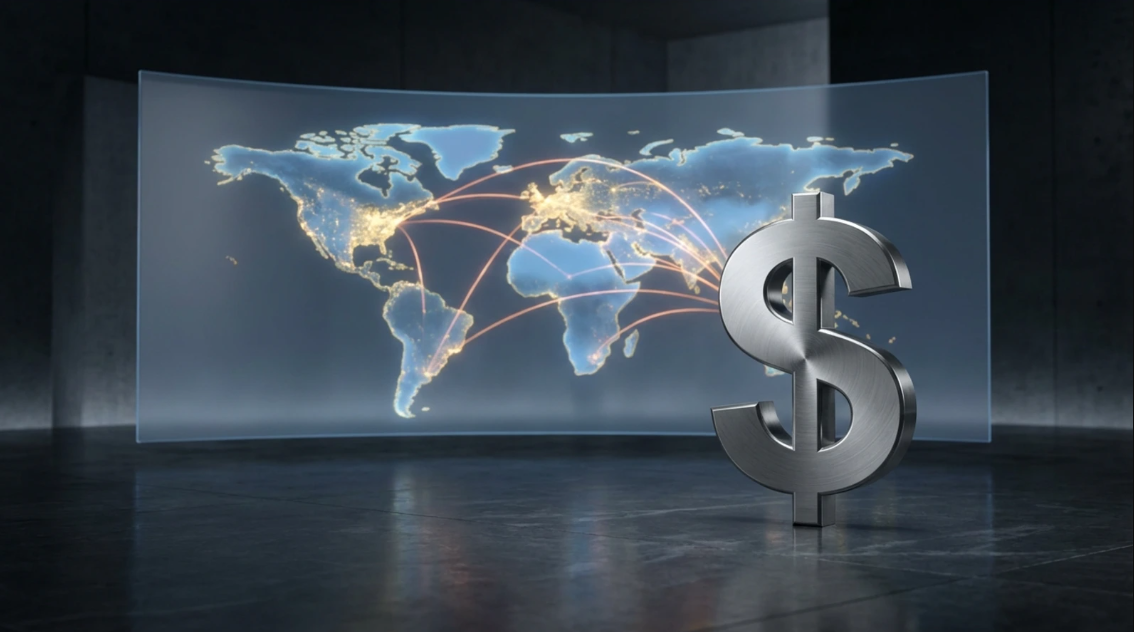
    The dollar climbed against most major currencies while emerging-market exchange rates slid, as a surge in oil prices and escalating geopolitical tensions fueled demand for haven assets and rattled global financial markets.

    A jump in crude above $100 a barrel has intensified inflation concerns and widened external imbalances for energy-importing economies, triggering renewed pressure on their currencies. The Indian rupee led declines in Asia, extending losses this year as higher import costs and capital outflows weighed on sentiment.

    Investors have rotated into dollar-denominated assets amid mounting uncertainty tied to developments in the Middle East, reinforcing the greenback’s role as the world’s primary reserve currency during periods of stress.

    “The market is reacting to a classic terms-of-trade shock,” said strategists, referring to the impact of rising commodity prices on countries reliant on imports. “That’s translating directly into currency weakness across emerging markets.”

    The move has also lifted traditional haven currencies, with the Swiss franc strengthening alongside the dollar. Gains in defensive assets underscore a broader shift in positioning as traders hedge against further volatility in energy and geopolitical risk.

    At the same time, expectations for tighter monetary policy are building across developed markets. Traders are increasing bets that central banks in Europe and the UK will be forced to maintain a hawkish stance for longer, as higher energy costs threaten to entrench inflation.

    Diverging policy trajectories are adding to turbulence in foreign-exchange markets, where interest-rate differentials remain a key driver of currency movements. A stronger dollar, coupled with elevated US yields, has reduced the attractiveness of risk-sensitive assets and accelerated capital outflows from emerging economies.

    For policymakers in those markets, the backdrop presents a familiar dilemma: defend currencies through higher interest rates at the risk of slowing growth, or allow depreciation that could further fuel inflation.

    While intermittent pullbacks in oil prices have offered brief relief, analysts say the broader trend remains intact.

    “The bias is still for dollar strength in the near term,” strategists noted, citing persistent geopolitical uncertainty and supply-driven inflation pressures.

    With energy markets volatile and central banks under pressure, currency traders are bracing for continued swings in exchange rates, as global markets adjust to a more fragile and inflation-prone environment.

  • IMF and World Bank Annual Meetings 2026: Bangkok Takes Centre Stage

    IMF and World Bank Annual Meetings 2026: Bangkok Takes Centre Stage

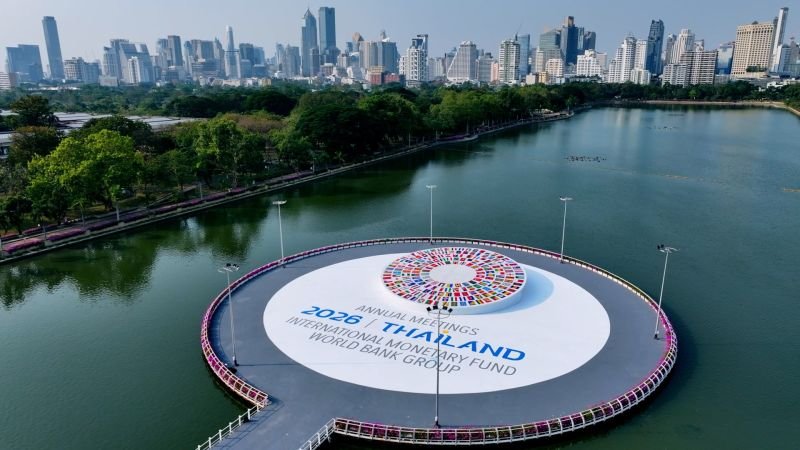
    Bangkok, Thailand — The world’s top financial institutions, the International Monetary Fund (IMF) and the World Bank, are set to hold their Annual Meetings 2026 in Bangkok from 12–18 October, in what promises to be one of the most important economic and political gatherings of the year.

    Finance ministers, central bank chiefs, business leaders, and country representatives will meet to discuss global growth, development financing, and strategies to tackle inflation and geopolitical risks.

    Thailand has highlighted the theme: “New Horizons: Resilience & Inclusive Growth,” aiming to emphasise international cooperation, economic resilience, and financial digitalisation. The country hopes the event will strengthen its global profile.

    The meetings come amid global economic uncertainty. Both institutions are focusing on challenges such as market volatility, inflationary pressures, and global trade imbalances. The IMF has recently upgraded its global growth forecast for 2026 while highlighting innovation and technology, including AI, as key drivers of growth.

    Experts say the Bangkok meetings will not only shape financial policy but could also influence investment decisions, fiscal strategies in low-income nations, and international capital flows.

    With discussions centred on financial stability, inclusive growth, and digital transformation, the IMF–World Bank Annual Meetings 2026 are expected to draw significant global media attention and have a lasting impact on the international economic landscape.

  • Philippines Declares Energy Emergency as Oil Crisis Forces Hundreds of Gas Stations to Shut Down

    Philippines Declares Energy Emergency as Oil Crisis Forces Hundreds of Gas Stations to Shut Down

    The Philippines is facing a deepening energy crisis, as surging global oil prices and supply disruptions trigger widespread fuel shortages forcing hundreds of gas stations nationwide to shut down.

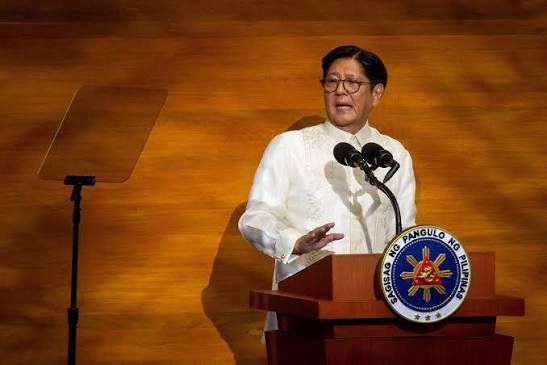
    President Ferdinand Marcos Jr. has declared a national energy emergency, granting the government expanded powers to secure fuel supplies, regulate distribution, and curb hoarding. The move comes as the global oil market reels from the ongoing Middle East conflict 2026 oil disruption, which has disrupted key supply routes.

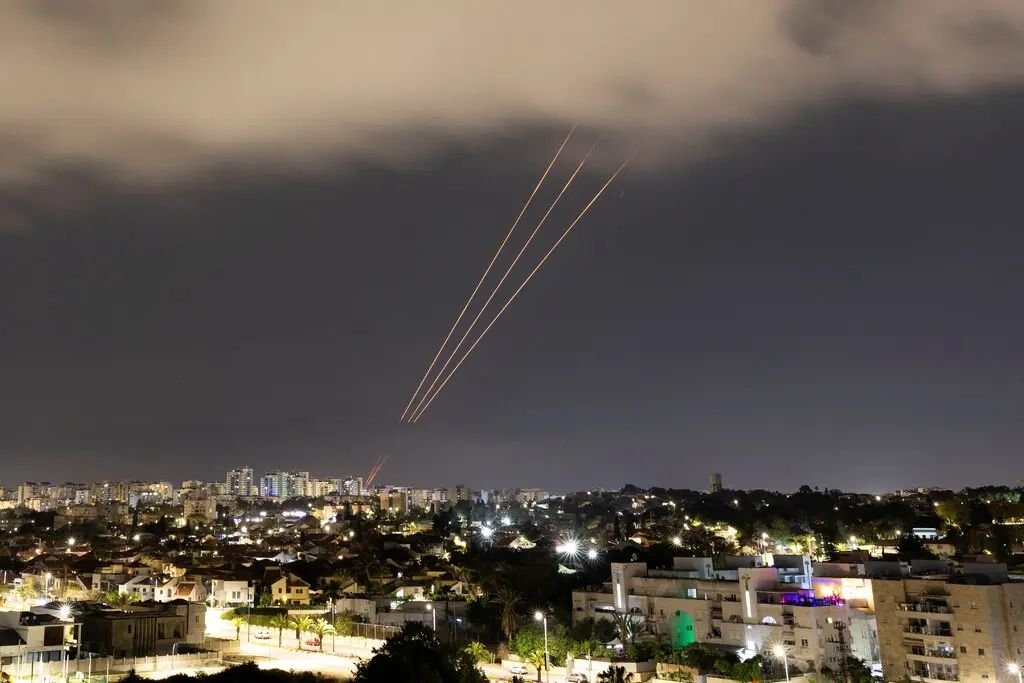
    At the center of the disruption is the Strait of Hormuz, a critical artery for global oil shipments. Ongoing tensions have significantly reduced supply, sending prices soaring and hitting import-dependent nations hardest.

    The Philippines where roughly 90% of oil is imported has emerged as one of the most vulnerable countries in Asia. Officials warn that fuel reserves may last only around 45 days, raising fears of prolonged shortages if new supply cannot be secured.

    Over 400 Gas Stations Shut Down

    The crisis has already translated into visible disruptions across the country. According to the Philippine National Police, at least 403 gasoline stations have temporarily ceased operations due to rising fuel costs and supply instability.

    The number has surged rapidly from just 273 closures days earlier, highlighting how quickly the situation is deteriorating. Authorities are now investigating whether some shutdowns are linked to hoarding or price manipulation.

    With more than 14,000 fuel stations nationwide, the closures represent a growing strain on distribution networks and access to fuel, particularly in regional areas.

    Rising Prices and Economic Pressure

    Fuel prices have spiked sharply, driving up transportation and logistics costs and increasing the risk of inflation. Public transport operators have warned of strikes, while airlines face potential disruptions due to tightening jet fuel supplies.

    The government is now scrambling to secure alternative sources, including exploring imports from non-traditional and politically sensitive suppliers. Emergency measures under consideration include fuel subsidies, reduced working days, and nationwide energy-saving policies.

    A Critical Moment Ahead

    Economists warn that the crisis could ripple across the broader economy impacting food prices, electricity costs, and currency stability. With the peso under pressure and import costs rising, the economic outlook remains fragile.

    For the Philippines, the coming weeks will be decisive. If global supply disruptions persist, the country may be forced into more drastic measures, including fuel rationing and stricter energy controls.

  • Global Markets Whipsawed as Oil Shock, Rate Bets Drive Volatility

    Global Markets Whipsawed as Oil Shock, Rate Bets Drive Volatility

    24 March 2026

    Global financial markets are experiencing heightened volatility, driven by rising oil prices, geopolitical tensions, and changing expectations for interest rates.

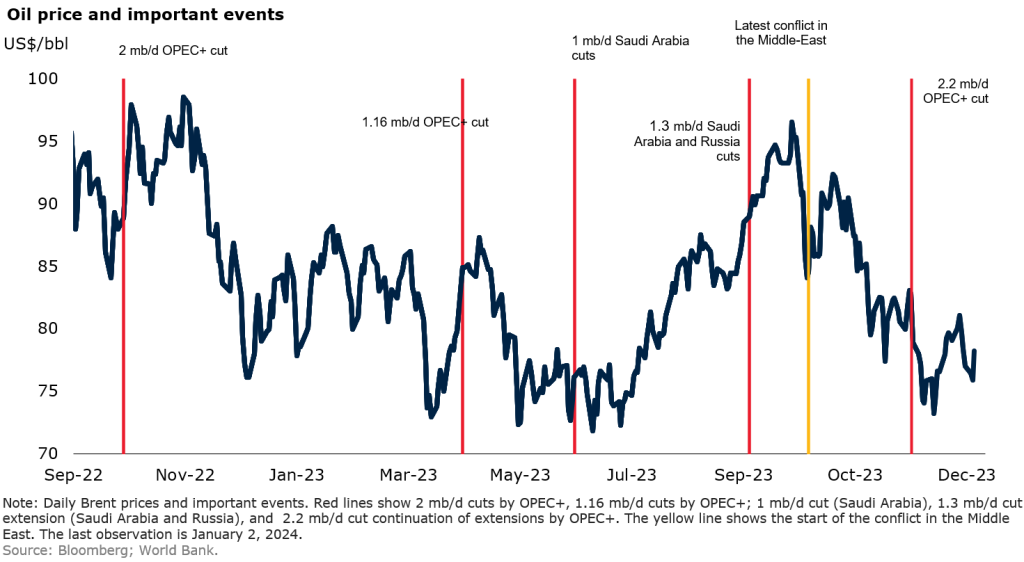
    Crude oil has risen above $100 a barrel, increasing costs for businesses and households and putting upward pressure on inflation worldwide. The energy shock has intensified concerns over economic growth, particularly in emerging markets that rely heavily on oil imports.

    Stock markets have been unpredictable, with gains often reversed as investors react to news on international tensions and economic indicators. Emerging markets are seeing significant capital outflows, while developed markets are adjusting to tighter financial conditions and higher bond yields.

    Central banks in major economies are under pressure to maintain higher interest rates to contain inflation, delaying expectations of any rate cuts. The repricing of monetary policy has affected global liquidity and increased borrowing costs, contributing further to market uncertainty.

    In response to rising risk, investors are increasingly moving into safe-haven assets, such as the US dollar and gold, while riskier assets, including technology and growth stocks, face downward pressure.

    Analysts warn that markets are likely to remain volatile in the near term, as developments in energy prices and geopolitical events continue to influence investor sentiment and global financial conditions.

  • Global Oil Reserve Strain Hits Asia’s Most Vulnerable Economies

    Global Oil Reserve Strain Hits Asia’s Most Vulnerable Economies

    March 24, 2026

    A deepening global energy crisis is placing unprecedented pressure on oil reserves, with import-dependent Asian economies particularly Japan, South Korea, and Bangladesh among the hardest hit.

    The latest war has disrupt key Middle Eastern supply routes, especially the Strait of Hormuz. This has sharply reduced global oil flows, triggering supply fears and price volatility.

    Japan has begun drawing from its strategic reserves and coordinating with private refiners to release stockpiled crude, while also securing alternative shipments from Southeast Asia and the United States. South Korea has launched nationwide energy-saving campaigns, including fuel rationing guidelines, reduced public sector energy use, and efforts to restart nuclear reactors to offset oil demand.

    In Bangladesh, authorities have moved to cut fuel subsidies, implement rolling power outages, and prioritize energy supply for essential industries as import costs surge and reserves remain limited. Petrol station in the country may even faced temporary closure due to shortage of supply.

    Other Asian economies are also taking emergency steps. Pakistan is imposing stricter fuel import controls, raising domestic fuel prices, and seeking financial assistance to manage rising costs. Sri Lanka has reintroduced fuel rationing, limited non-essential transport, and expanded reliance on emergency credit lines for energy imports.

    In Southeast Asia, Philippines has increased fuel subsidies for public transport and is considering temporary tax relief on oil products, while Thailand is tapping its oil fund to cap diesel prices and encouraging reduced consumption across industries.

    The International Energy Agency and partner nations have coordinated emergency reserve releases, but analysts warn these measures may provide only short-term relief if disruptions persist.

    The crisis underscores widening global energy inequality, with wealthier nations better equipped to absorb shocks while developing economies face deeper and more prolonged economic impacts.

  • Larry Fink Warns Modern Capitalism Is Failing to Share Wealth

    Larry Fink Warns Modern Capitalism Is Failing to Share Wealth

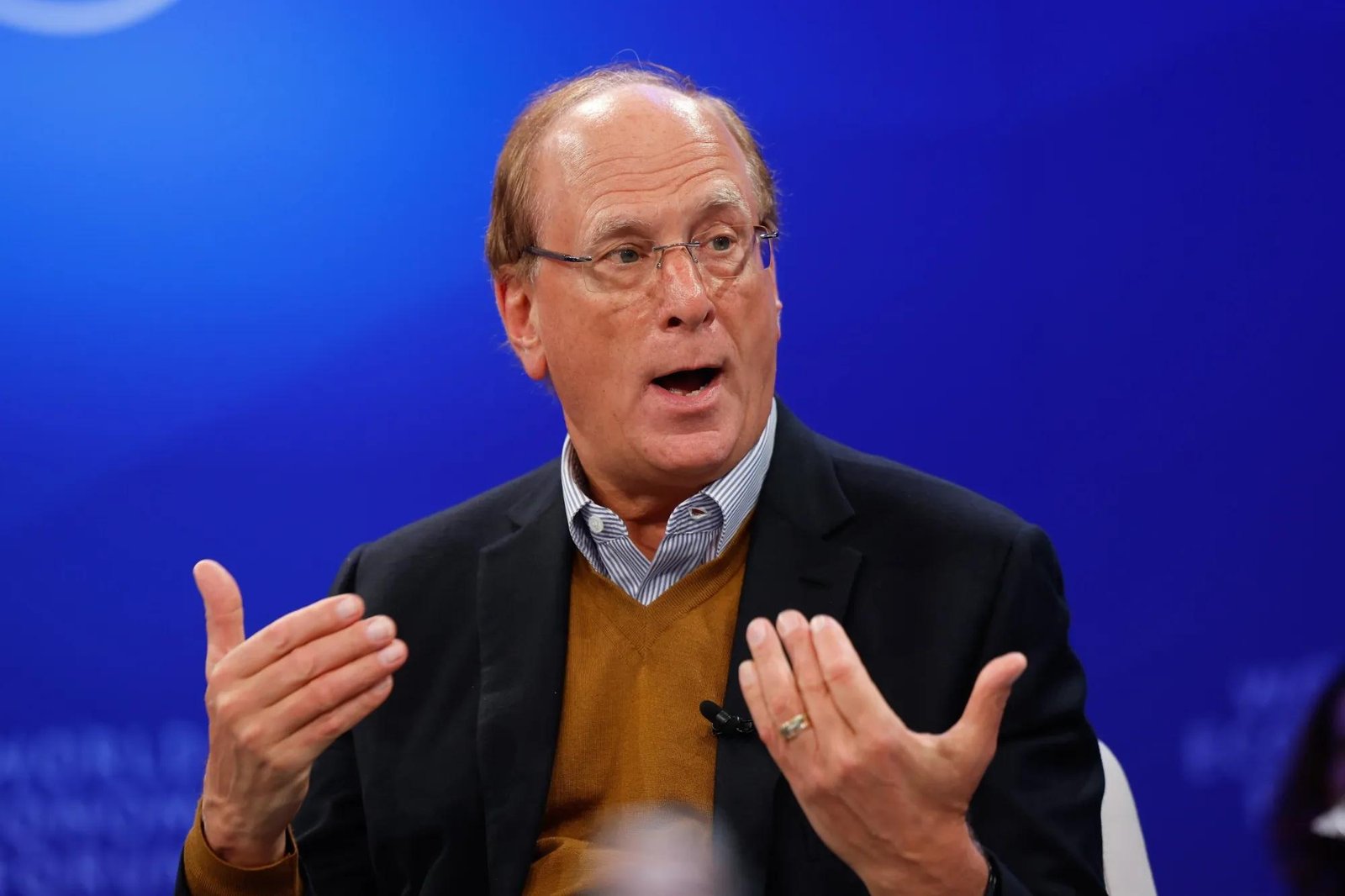
    Larry Fink, CEO of BlackRock, has warned that modern capitalism is producing vast wealth but failing to distribute it fairly, raising concerns about widening inequality in the age of artificial intelligence.

    In his latest remarks, Fink said the economic divide will increasingly be shaped by who owns assets, not just who earns wages. As AI drives corporate profits, he cautioned that the gains are likely to flow primarily to investors and shareholders, leaving others behind.

    To address this, Fink called for broader participation in financial markets, arguing that long-term investing is key to ensuring more people benefit from economic growth.

    However, critics say the approach overlooks deeper structural issues, including wage stagnation and unequal access to capital. Some also question whether expanding investing primarily benefits large asset managers.

    Fink’s comments come as global economies, including countries like Malaysia, face rising living costs and uneven income growth factors that could limit how many people are able to participate in the very markets he promotes.

    The debate highlights a growing concern; while capitalism continues to generate wealth, its ability to deliver shared prosperity is increasingly under scrutiny.

  • Global Inequality Widens as Middle East War Triggers Economic Shockwaves

    Global Inequality Widens as Middle East War Triggers Economic Shockwaves

    The latest escalation of conflict in the Middle East is sending shockwaves through the global economy, deepening inequality between nations and within societies as rising energy prices, food insecurity, and financial instability disproportionately affect the world’s poorest.

    Oil Shock Drives Unequal Economic Pain

    At the heart of the crisis is a disruption to global energy markets. The region accounts for a critical share of global oil supply, with around 20% of the world’s oil passing through the Strait of Hormuz, making it highly vulnerable to conflict-related disruptions.

    Oil prices have surged above $100 per barrel, with projections suggesting spikes beyond $150 if the conflict escalates further. According to the International Monetary Fund, a sustained 10% increase in oil prices can raise global inflation by about 0.4 percentage points while slowing economic growth.

    While wealthier nations can rely on reserves and policy tools, poorer countries face immediate fiscal strain, widening the global economic divide.

    Developing Nations Bear the Brunt

    The impact is especially severe in lower-income, energy-importing countries such as Pakistan, Bangladesh, and Kenya.

    In Pakistan, which imports over 70% of its energy, rising oil prices are worsening inflation and increasing debt repayment pressure. Similarly, Bangladesh faces power shortages that threaten its export-driven garment industry, putting millions of low-wage jobs at risk.

    In Kenya, where households spend a significant portion of income on food, rising fuel costs have driven sharp increases in food prices, intensifying the cost-of-living crisis.

    Meanwhile, countries like Egypt, one of the world’s largest wheat importers and Sri Lanka, still recovering from economic collapse, face growing risks of fiscal instability and social unrest.

    Malaysia: Caught Between Opportunity and Rising Costs

    For Malaysia, the impact is more complex. As a net oil and gas exporter, the country can benefit from higher global energy prices through increased revenues, particularly via national oil company Petronas.

    However, these gains come with trade-offs;

    Malaysia maintains fuel subsidies to shield consumers from global price volatility. As oil prices rise, the government faces increased fiscal pressure to sustain these subsidies, which can strain public finances.

    Although headline inflation in Malaysia remains lower than in many developing countries, lower-income households still feel the squeeze, particularly in urban areas where living costs are higher.

    Economists warn that if global oil prices remain elevated, Malaysia may need to recalibrate subsidies or increase targeted aid, balancing fiscal sustainability with social protection.

    Food Crisis Threatens Hundreds of Millions

    The economic shock is spilling into global food systems. Rising fuel and fertilizer costs are pushing food prices higher, while supply chain disruptions limit availability.

    The World Food Programme warns that up to 363 million people worldwide are now facing acute food insecurity, with tens of millions at risk of being pushed into hunger due to the crisis.

    Low-income households are hardest hit, as they spend a larger share of their income on basic necessities, making even small price increases devastating.

    Trade and Supply Chains Under Pressure

    Global trade is also slowing. Disruptions to key shipping routes are increasing transport costs and delaying deliveries.

    The World Trade Organization estimates global trade growth could fall to around 1.9% in 2026, down sharply from previous expectations.

    For developing economies that depend heavily on exports, this slowdown translates into job losses, reduced incomes, and widening inequality.

    Financial Markets Deepen the Divide

    Financial markets are reacting with caution, with investors shifting toward safe-haven assets such as the U.S. dollar.

    While this benefits advanced economies, it places additional pressure on emerging markets by:

    1. Increasing the cost of servicing foreign debt

    2. Triggering capital outflows

    3. Weakening local currencies

    This dynamic further limits growth in already vulnerable economies.

    Rising Risk of Global Recession

    Economists warn that prolonged high oil prices could push the global economy toward recession. Oil prices sustained above $138 per barrel significantly increase recession risks.

    The International Monetary Fund had projected global growth of 3.3% in 2026, but the ongoing conflict now threatens to derail that outlook.

    Conclusion: A Crisis That Deepens Global Divides

    The Middle East conflict is no longer confined to geopolitics; it has become a powerful driver of global economic inequality.

    From Pakistan to Kenya, vulnerable nations are facing rising inflation, food insecurity, and financial strain with limited capacity to respond. Meanwhile, countries like Malaysia illustrate the complex middle ground benefiting from higher energy prices while still grappling with rising living costs at home.

    Without coordinated global intervention, the long-term impact could be profound: a more divided global economy where the poorest countries and communities bear the heaviest burden of a crisis they did little to create.

    References

    International Monetary Fund
    International Monetary Fund. (2026, March 3). Statement on the economic impact of Middle East tensions. https://www.imf.org/en/news/articles/2026/03/03/pr-26068-statement-on-middle-east

    Reuters
    Reuters. (2026, March 3). Middle East war economic impact depends on duration and energy costs, IMF says. https://www.reuters.com/world/middle-east/middle-east-war-economic-impact-depend-duration-damage-energy-costs-imf-official-2026-03-03/

    The Guardian
    The Guardian. (2026, March 22). Iran war could push the global economy toward inflation and crisis. https://www.theguardian.com/news/ng-interactive/2026/mar/22/iran-war-global-economy-donald-trump-oil-prices-inflation

    The Guardian
    The Guardian. (2026, March 19). Oil prices and global trade slowdown amid geopolitical tensions. https://www.theguardian.com/business/2026/mar/19/oil-prices-ai-boom-wto-iran-war-energy-global-economy

    World Food Programme
    World Food Programme. (2026). Global report on food crises 2026. https://www.wfp.org/publications/global-report-food-crises-2026

    World Trade Organization
    World Trade Organization. (2026). Global trade outlook and statistics 2026.
    https://www.wto.org/english/res_e/statis_e/wts2026_e/wts2026_e.pdf

    The Washington Post
    The Washington Post. (2026, March 19). How the Middle East conflict is affecting the global economy.
    https://www.washingtonpost.com/world/2026/03/19/iran-war-global-economic-impact/

  • The War Economy as Structural Violence: Profit, Power, and the Failure of International Regulation

    The War Economy as Structural Violence: Profit, Power, and the Failure of International Regulation

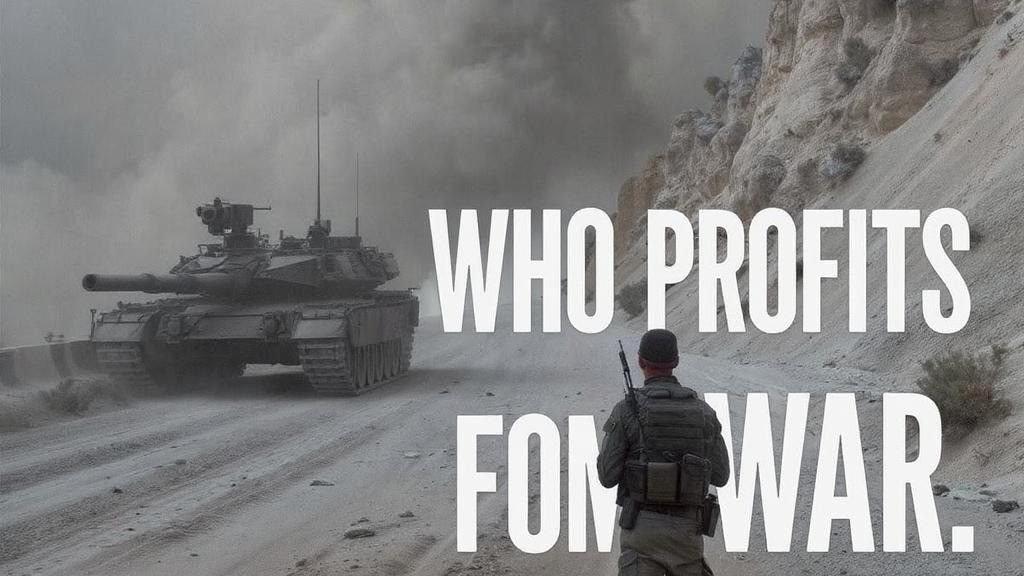
    Global military expenditure reached $2.72 trillion in 2024, marking the steepest annual increase since the Cold War (Stockholm International Peace Research Institute [SIPRI], 2025). Over the past decade, spending has grown by 37%, highlighting a structural pattern: war is not merely reactive, but embedded within the global economic system.

    Militarization as Structural Violence

    Resources allocated to defense come at the expense of social sectors such as healthcare, education, and climate initiatives. Vulnerable populations disproportionately bear these costs, reflecting how militarization operates as a form of structural violence (Centre for Economic Policy Research [CEPR], 2024).

    Conflict and Profit

    Major arms manufacturers profit directly from instability. In 2024, firms such as Lockheed Martin, RTX Corporation, and BAE Systems generated $679 billion in revenue, with earnings peaking during heightened geopolitical tension (SIPRI, 2025). Peace reduces demand; conflict expands markets—a systemic incentive that economically rewards war over diplomacy.

    Prolonged Conflicts and External Inputs

    Modern wars, including Russia–Ukraine, are increasingly prolonged and dependent on external support. Russia’s defense budget rose 38% to $149 billion in 2024, while Ukraine allocated nearly 34% of GDP to military spending—the highest globally (World Bank, 2025). Over 100 countries increased military budgets in 2024, creating a cycle where insecurity drives militarisation, which fuels further instability.

    Economic and Social Costs

    The myth that war stimulates economic growth is contradicted by evidence. CEPR (2024) finds GDP in conflict-affected countries can fall over 30% within five years, with early-stage inflation common. Military spending diverts trillions from public services, while ordinary citizens face inflation, disrupted food supply, and fiscal instability, reinforcing structural inequality (International Monetary Fund [IMF], 2024).

    Limits of Regulation

    International law and multilateral institutions have limited impact:

    The Arms Trade Treaty lacks universal participation and binding enforcement (SIPRI, 2025).

    UN arms embargoes are rare and enforcement depends on member states (United Nations, 2024).

    Major arms exporters continue supplying conflict zones, sustaining wars.

    States with the greatest enforcement capacity often shape rules to suit strategic and economic interests, perpetuating structural impunity.

    Conclusion

    The war economy sustains conflict, undermines development, and deepens inequality. Effective interventions require enforceable limits on arms transfers, reductions in military spending, reallocating resources toward social development, and prioritizing diplomacy over militarization. Until the structural logic of profit-driven conflict is addressed, war will persist not as a political anomaly, but as an economically sustained system of violence.

    References

    Centre for Economic Policy Research. (2024). The economic impact of armed conflict. CEPR Press.

    International Monetary Fund. (2024). Conflict and economic instability: Implications for low- and middle-income countries. IMF Working Paper.

    Stockholm International Peace Research Institute. (2025). SIPRI Yearbook 2025: Armaments, Disarmament and International Security. Oxford University Press.

    United Nations. (2024). UN arms embargoes and enforcement: Annual report. UN Department of Peace Operations.

    World Bank. (2025). Global military expenditure and economic impact: Ukraine case study. World Bank Research Brief.

  • U.S. Iran Talks Raise Hopes, but No Ceasefire Yet as War Continues

    U.S. Iran Talks Raise Hopes, but No Ceasefire Yet as War Continues

    March 23, 2026

    A potential diplomatic breakthrough between the United States and Iran remains uncertain, as no formal ceasefire has been reached.

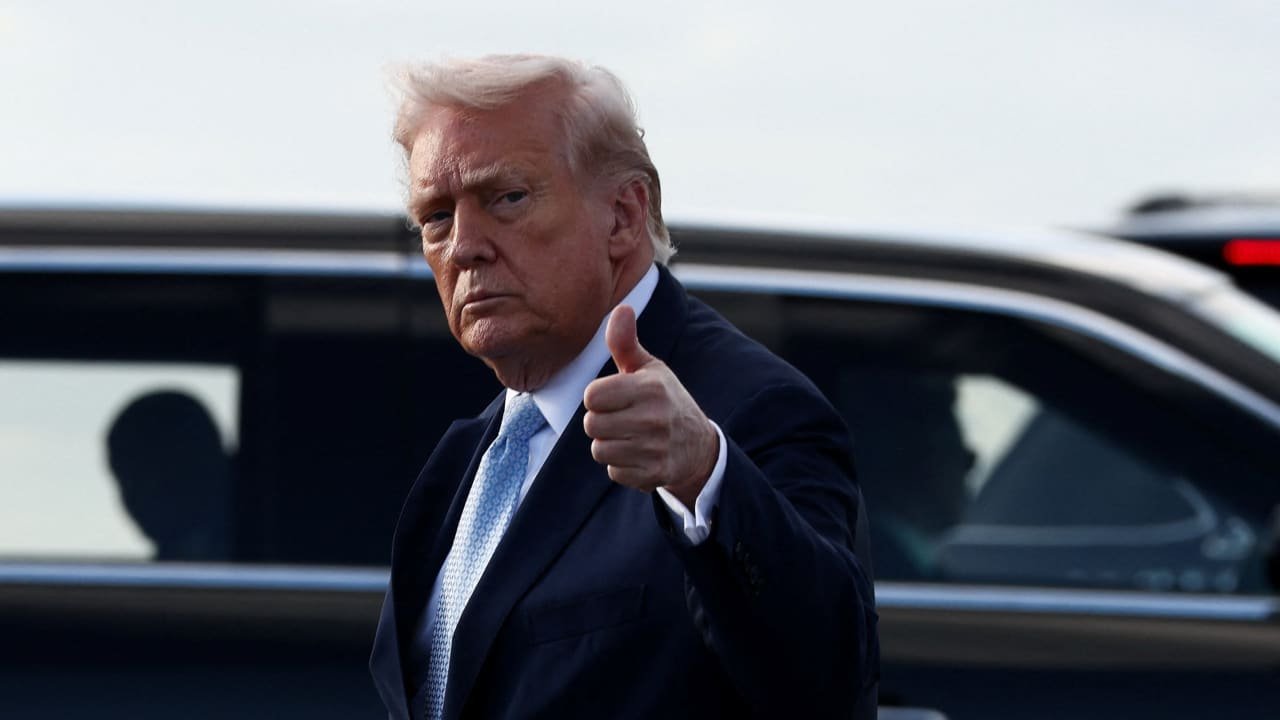
    U.S. President Donald Trump announced a five-day pause on planned military strikes against Iranian energy infrastructure, describing ongoing contacts as “productive.” The move is seen as an attempt to open space for negotiations following weeks of escalating conflict.

    However, Iranian officials have denied that formal talks are taking place, casting doubt on the progress of diplomacy and highlighting a gap in narratives between the two sides.

    International actors including Oman, Qatar, and other regional mediators are actively pushing for a ceasefire. However, both sides remain far apart on key demands.

    The conflict continues to center around the strategic Strait of Hormuz, a vital global oil transit route. Iran has threatened further disruption, while Washington has demanded its reopening, raising concerns over global energy stability.

    Denies from Iran, global and economic pressure are probably the main reason behind this premature decision.

    While many briefly reacted positively to news of the pause, analysts warn the situation remains volatile. The halt in strikes is temporary and conditional, not a ceasefire.

    For now, the reality is clear, there are talks but there is no peace.

  • Kazakhstan’s New Constitution: Reform or Power Consolidation?

    Kazakhstan’s New Constitution: Reform or Power Consolidation?

    Kazakhstan has entered a new political chapter after a decisive national referendum approved sweeping constitutional reforms. While the government presents the changes as a step toward modernization and stability, critics warn they may signal a shift toward greater presidential control.

    The developments place Kazakhstan at the center of international attention, as the country balances domestic reform with its growing role in global diplomacy and economic partnerships.

    A Landslide Referendum Result

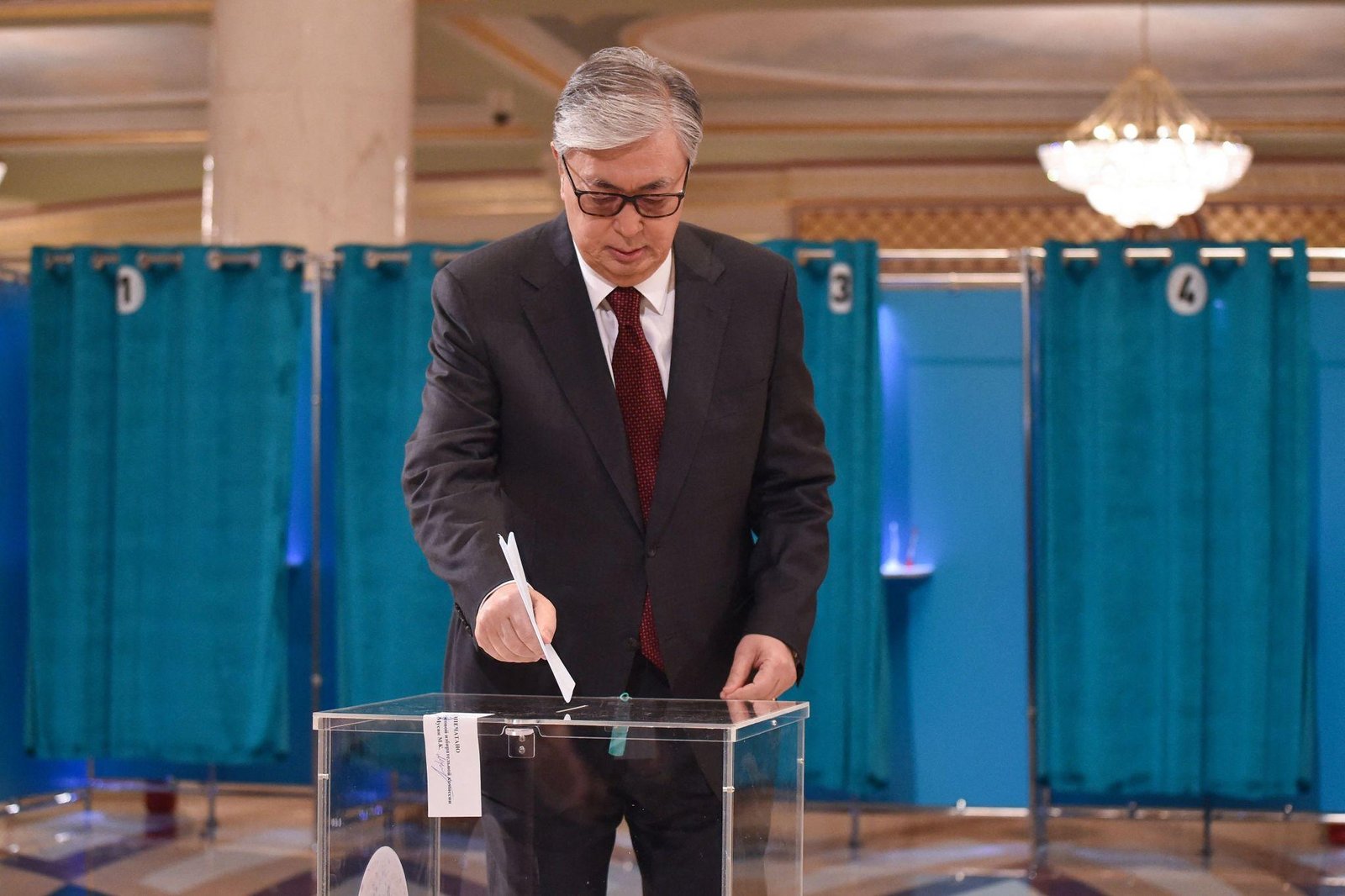
    On March 15, 2026, Kazakhstan held a nationwide referendum to approve a new constitution. According to official figures, more than 87% of voters supported the reforms, with turnout exceeding 73%.

    The strong result was framed by the government as a clear mandate for political transformation. President Kassym-Jomart Tokayev described the outcome as a “historic step” toward strengthening the state and modernizing governance.

    However, international observers note that referendums in Kazakhstan have historically delivered overwhelming approval rates, raising questions about the competitiveness and openness of the political environment.

    Sources: Reuters, AP News

    What Has Changed in the Constitution?

    The new constitutional framework introduces several major structural changes to Kazakhstan’s political system:

    1. Transition to a Unicameral Parliament

    Kazakhstan will move from a bicameral legislature to a single-chamber parliament, a shift the government argues will streamline lawmaking and reduce bureaucracy.

    2. Return of the Vice Presidency

    The reforms reintroduce the role of vice president, a position that could play a key role in political succession and continuity.

    3. Expanded Presidential Powers

    The president will now have broader authority to:

    1. Appoint senior government officials

    2. Influence legislative processes

    3. Shape national policy more directly

    4. Creation of a “People’s Council”

    A newly established advisory body often referred to as a People’s Council will have the authority to initiate legislation and national referendums. Its members are expected to be appointed by the president.

    Supporters argue these changes will create a more efficient and responsive government. Critics, however, see them as mechanisms that could weaken institutional checks and balances.

    Sources: AP News, Reuters

    Rising Concerns Over Democratic Backsliding

    Despite the government’s assurances, the reforms have triggered concern among international organizations and analysts.

    Amnesty International warned that the new constitution could undermine fundamental freedoms, including freedom of expression and peaceful assembly. The organization highlighted the risk of increasing restrictions on civil society and political opposition.

    Political analysts also caution that:

    1. The consolidation of power in the presidency may reduce democratic accountability

    2. Opposition parties could face greater marginalization

    3. Institutional independence may be weakened

    Some experts suggest the reforms could allow Tokayev to maintain influence beyond his current term, which is scheduled to end in 2029, either through structural adjustments or political succession planning.

    Sources: Amnesty International, Reuters

    Economic Pressures Behind the Reform

    The constitutional overhaul comes amid significant economic challenges.

    1. Kazakhstan has been dealing with:

    2. Rising inflation

    3. Cost of living pressures

    Public dissatisfaction over economic inequality

    As Central Asia’s largest economy, Kazakhstan is also affected by regional instability, particularly the ongoing geopolitical tensions linked to the war in Ukraine.

    Analysts believe the reforms may be partly aimed at ensuring political stability during economic uncertainty, allowing the government to respond more decisively to both domestic and external pressures.

    Sources: AP News

    Expanding International Partnerships

    At the same time, Kazakhstan continues to strengthen its position on the global stage through a “multi-vector” foreign policy balancing relations with major powers.

    Strengthening Ties with India

    Kazakhstan has signaled its intention to deepen strategic cooperation with India, particularly in energy, trade, and regional security.

    Engagement with the European Union

    The European Union has welcomed the reforms cautiously, viewing them as an opportunity to expand collaboration in areas such as:

    1. Energy exports

    2. Infrastructure development

    3. Transport corridors

    Negotiations on visa facilitation between Kazakhstan and the EU are also reportedly progressing.

    A Neutral Diplomatic Stance

    Kazakhstan continues to position itself as a neutral player in global conflicts, emphasizing diplomacy over military involvement, an approach that has helped it maintain relationships with both Western nations and neighboring powers like Russia and China.

    Sources: Qazinform, The Diplomat

    Tourism and Economic Diversification Efforts

    Beyond politics and diplomacy, Kazakhstan is also taking steps to diversify its economy.

    One notable move is the introduction of new gambling zones aimed exclusively at foreign visitors. The policy is designed to:

    1. Boost tourism revenue

    2. Attract foreign investment

    3. Reduce reliance on traditional sectors such as oil and gas

    This reflects a broader strategy to modernize the economy and create new growth engines.

    Sources: Industry reports, regional media

    What This Means for Kazakhstan’s Future

    Kazakhstan’s constitutional reform represents a turning point with far-reaching implications.

    Potential Benefits:

    1. Faster decision-making

    2. Greater policy coordination

    3. Improved political stability

    Potential Risks:

    1. Reduced democratic oversight

    2. Concentration of political power

    3. Erosion of civil liberties

    The challenge for Kazakhstan will be balancing these competing dynamics ensuring stability and growth while maintaining credibility on the international stage.

    Conclusion

    Kazakhstan’s new constitution highlights the country’s ambition to modernize its governance and strengthen its global position. Yet it also raises critical questions about the future of democracy and political pluralism in the country.

    As the reforms take effect in the coming months, both domestic observers and the international community will be watching closely to see whether Kazakhstan can deliver on its promises of progress without compromising fundamental freedoms.

    References

    Reuters. Kazakhstan approves new constitution with 87% vote in favour (March 2026)

    AP News. Kazakhstan constitutional reforms and political impact (March 2026)

    Amnesty International. Statement on Kazakhstan constitutional changes (2026)

    European Union, Kazakhstan cooperation updates Qazinform. Kazakhstan international partnerships update (2026)

    The Diplomat. Kazakhstan’s foreign policy analysis (2026)