13 April 2026
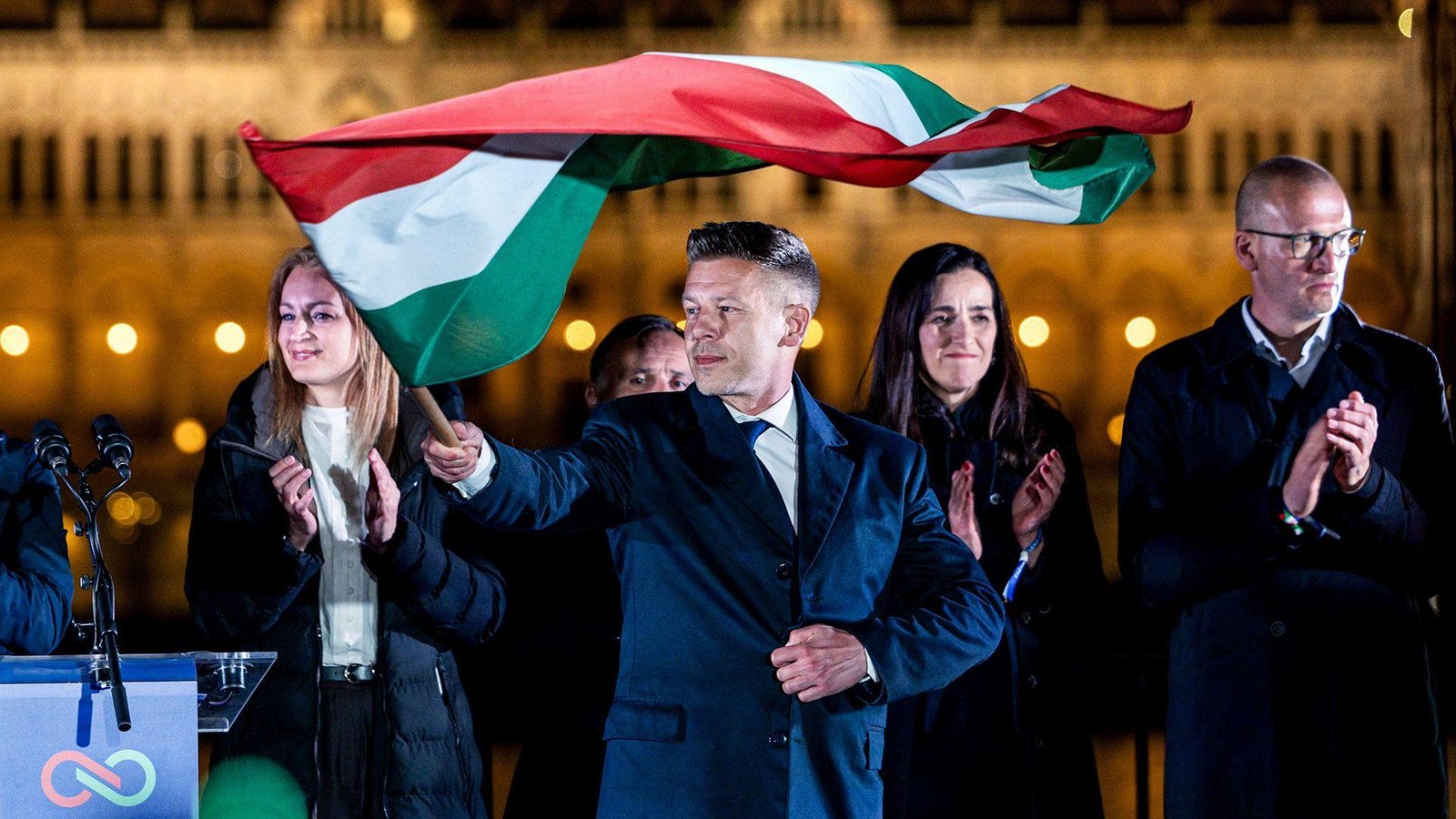
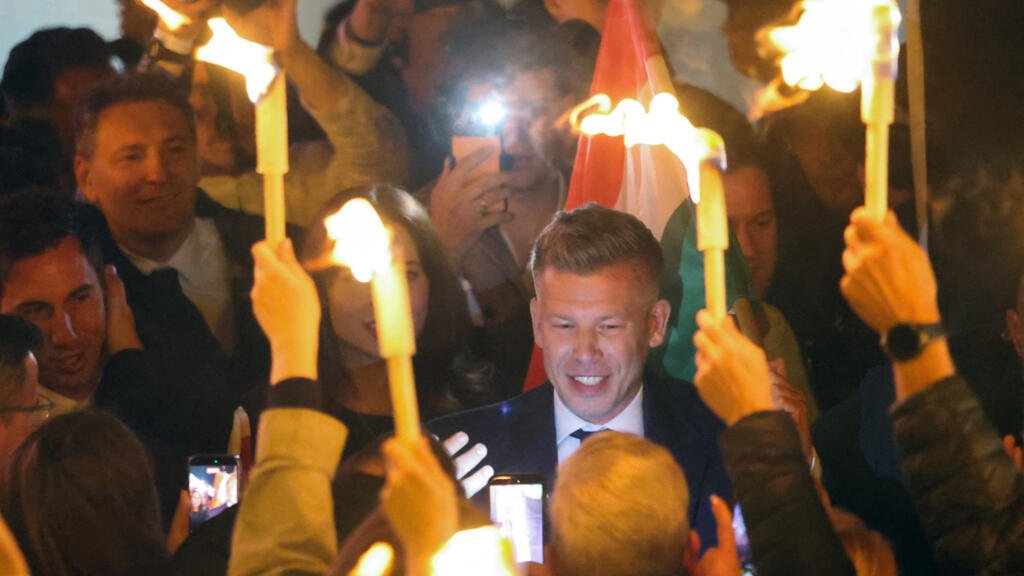
Hungary has entered a new political era after opposition leader Péter Magyar secured a sweeping victory in the country’s national election, ending the 16-year rule of Prime Minister Viktor Orbán. The results, confirmed early Monday, mark one of the most dramatic political shifts in modern Hungarian history.
Magyar’s Tisza party achieved a decisive parliamentary majority, reportedly capturing close to two-thirds of the seats. The outcome gives the opposition a powerful mandate to implement reforms and reshape Hungary’s domestic and foreign policies. In a brief concession speech, Orbán acknowledged the defeat, calling it a “painful result” while thanking his supporters for their loyalty over more than a decade in power.
The election result reflects growing dissatisfaction among Hungarian voters over economic challenges, corruption concerns, and the country’s strained relationship with the European Union. Inflation, rising living costs, and allegations of misuse of public funds had weakened support for Orbán’s government in recent years, despite his continued popularity among conservative voters.
Magyar, a relatively new but rapidly rising political figure, built his campaign on promises of transparency, judicial independence, and closer alignment with European institutions. Addressing supporters after the victory, he pledged to “restore trust in government” and rebuild democratic checks and balances. “Hungary belongs in Europe not on its margins,” he said, signaling a clear shift in tone from the previous administration.
International reactions have been swift. Leaders across Europe welcomed the election outcome, expressing hope for renewed cooperation with Budapest. Relations between Hungary and the European Union had been tense under Orbán, particularly over issues related to rule of law, media freedom, and migration policy. The new government is expected to prioritize repairing these ties, potentially unlocking billions of euros in suspended EU funding.
Despite the decisive victory, analysts caution that Magyar faces significant challenges ahead. Reversing entrenched political structures and implementing reforms will take time, especially in a system shaped heavily by Orbán’s long tenure. Additionally, maintaining unity within the opposition coalition will be crucial to sustaining momentum.
The election outcome not only reshapes Hungary’s future but also sends a broader message across Europe, where debates over democracy, governance, and national identity continue to intensify. For many observers, Hungary’s vote represents a test case for whether entrenched political systems can be peacefully transformed through the ballot box.
As the country transitions to new leadership, attention will now turn to how quickly and effectively Magyar’s government can deliver on its promises and whether Hungary can redefine its role within Europe after years of political tension.
Leave a Reply