2 April 2026
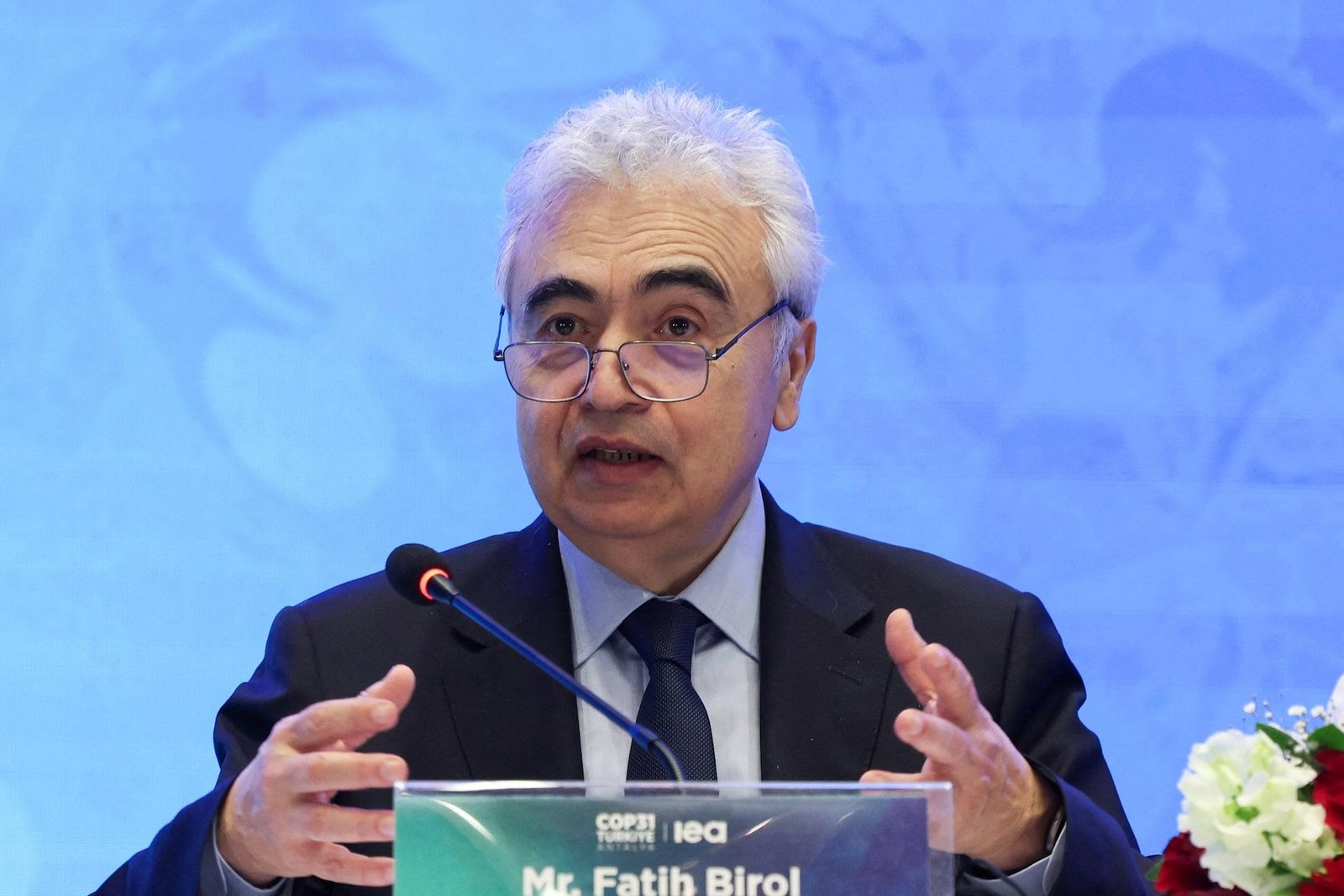
The latest warning from the International Energy Agency has placed Europe back into a familiar but uncomfortable position. According to the agency, disruptions to oil supply from the Middle East are expected to begin affecting European markets as early as April. While energy shocks are not new to the region, the current situation carries a different weight, shaped by geopolitical instability and an increasingly fragile global supply chain.
At the core of the issue lies rising tension around Iran and the strategic importance of the Strait Hormuz. This narrow passage remains one of the most critical routes for global oil transportation. Any disruption, whether through direct conflict or heightened security risks, has immediate consequences for supply flow. Markets tend to react quickly to such risks, often driving prices higher even before physical shortages are fully realized.
For Europe, the timing could not be more challenging. Since the onset of the Rusia-Ukraine War, European nations have actively reduced their reliance on Russian energy. This strategic shift was necessary from a political standpoint, but it also reshaped the region’s energy dependencies. In place of Russian supply, Europe turned more heavily toward imports from the Middle East and other distant producers, increasing reliance on maritime routes that are now under pressure.
This shift has introduced a new layer of vulnerability. Unlike pipeline based supply, seaborne oil is more exposed to geopolitical risk, logistical delays, and rising transportation costs. As tensions escalate in key regions, the cost of insuring shipments increases, shipping routes become less predictable, and overall supply tightens. For European economies that are still recovering from inflationary pressure, this creates a renewed risk of energy driven price increases.
The immediate impact is likely to be felt through higher oil prices. Even modest disruptions can push markets upward, particularly in an environment where spare capacity is limited. Higher energy costs will inevitably feed into inflation, affecting everything from industrial production to household expenses. For policymakers, this presents a difficult balancing act between controlling inflation and supporting economic growth.
Beyond the short term, the situation raises broader questions about Europe’s energy resilience. While significant progress has been made in expanding renewable energy, the transition is still ongoing. Oil and gas remain essential components of the energy mix, particularly for transportation and heavy industry. This means that external shocks, especially those driven by geopolitical conflict, continue to have a strong influence on economic stability.
On a global scale, the effects are unlikely to remain contained within Europe. Energy markets are deeply interconnected, and disruptions in one region tend to ripple across the world. Emerging economies may face increased import costs, while financial markets could see heightened volatility as investors react to shifting risk conditions. In this environment, uncertainty becomes a dominant theme.
What distinguishes the current situation is its underlying cause. This is not a typical market imbalance driven by supply and demand cycles. Instead, it is a geopolitical shock, shaped by conflict, strategic interests, and regional instability. Such disruptions are often unpredictable and can persist longer than expected, making them more difficult to manage.
The warning from the IEA should therefore be viewed as more than a short term alert. It reflects a deeper structural challenge within the global energy system, where security and stability can no longer be taken for granted. For Europe, the coming weeks will test not only its supply chains, but also its ability to navigate an increasingly uncertain energy landscape.
Leave a Reply